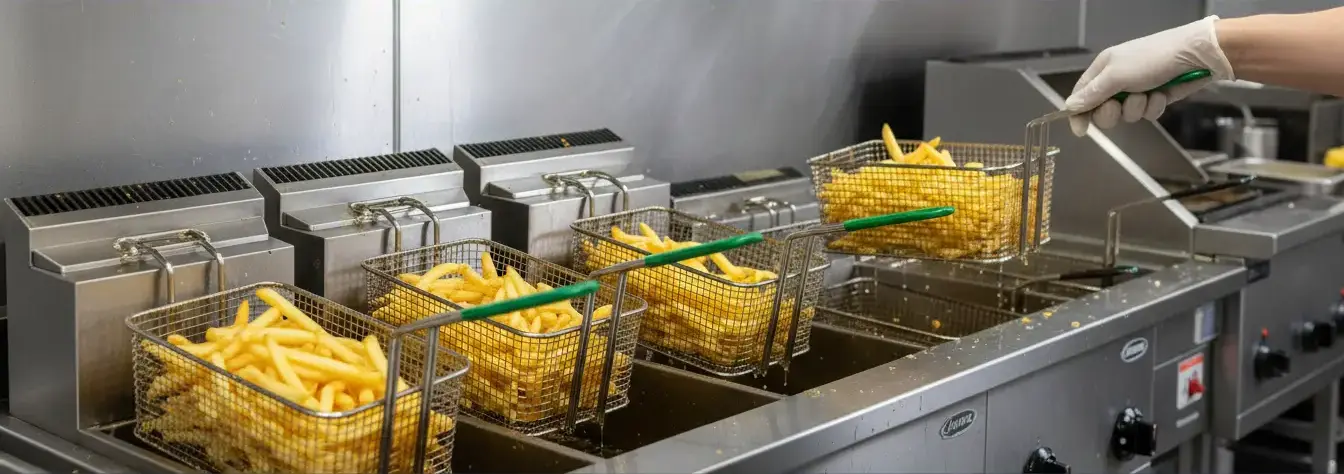
Find the Best Used Cooking Oil Collection Companies for Your Business
No obligation • Fast responses • Nationwide coverage

Why you can trust Restaurant Waste Disposal
Restaurant Waste Disposal is a leading U.S. resource for comparing restaurant composting, food-waste recycling, grease trap cleaning, and used cooking oil collection services. Our editorial team researches providers, checks credentials, and organizes unbiased information so operators can make informed decisions. Companies cannot pay to change ratings or placement.
Search providers near you
Top Used Cooking Oil Collection Companies in Inglewood, California Ranked
For restaurants and food service businesses in Inglewood, managing used cooking oil (UCO) is a critical operational, financial, and environmental responsibility. Proper disposal of this waste grease is not just a best practice-it's a legal requirement enforced by the city to protect the local sewer system from costly and damaging blockages. Fortunately, a well-managed UCO program can also turn a waste product into a source of revenue, as high-quality oil is a valuable commodity for recycling into biofuels and other sustainable products. This guide outlines everything you need to know about compliant and profitable waste oil management in Inglewood, from local regulations to the recycling process.
The Grease Bucket
Los Angeles, CA
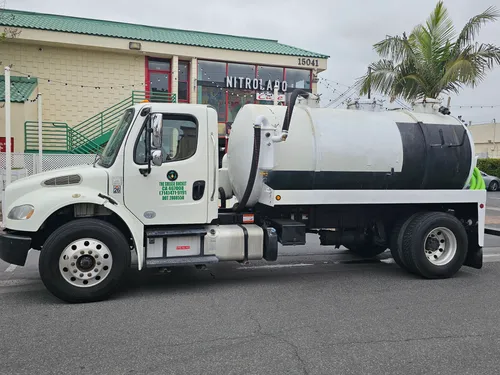
The Grease Bucket provides grease trap cleaning and used cooking oil collection services in Los Angeles, CA. They serve restaurants across Orange County, Los Angeles, San Bernardino, and the Inland Empire area. The company schedules regular collection intervals to prevent overflows and maintains grease interceptors to avoid drain clogs and odors. They recycle used cooking oil into renewable resources, supporting environmental sustainability. The Grease Bucket has been serving customers for over six years and offers emergency pickups when needed during normal business hours.
Trinity Oil & Grease Recycling
Los Angeles, CA
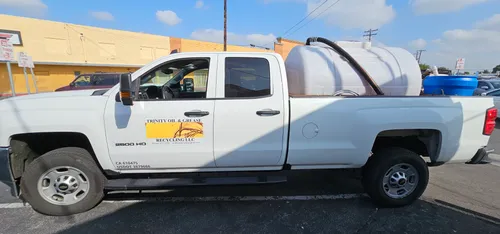
Trinity Oil & Grease Recycling provides used cooking oil collection and grease trap cleaning services in Los Angeles, CA. They offer on-call and scheduled pickups with 24-hour availability across Los Angeles County, Orange County, and Ventura County. Their services include recovery, transportation, disposal, and recycling of kitchen oil and grease, along with high-pressure washing for grease spills and property cleanliness. They supply grease and oil storage containers ranging from 15 to 200 gallons with no minimum amount required for collection. Trinity Oil & Grease Recycling also provides manifest reports as proof of collection to help clients maintain compliance with health and wastewater regulations.
The Grease Company
1116 N Harbor Blvd, Santa Ana, CA 92703
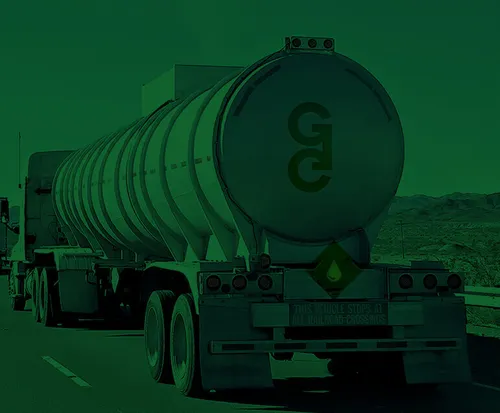
The Grease Company provides grease trap cleaning, repair, and used cooking oil collection services in Los Angeles, CA. They specialize in maintaining commercial kitchen grease traps to prevent clogs and ensure compliance with sanitation regulations. Their capabilities include hydro jetting and environmentally responsible cooking oil disposal. With 12 years of experience, The Grease Company is licensed to serve Southern California and offers transparent pricing and free quotes.
Skyline Grease Services
Los Angeles, CA
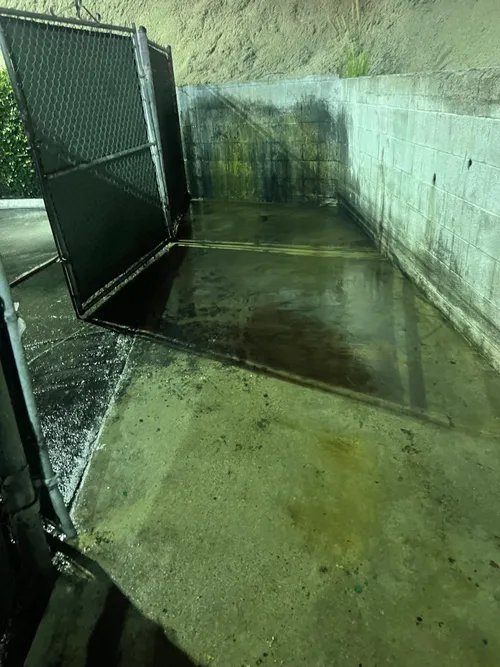
Skyline Grease Services provides used cooking oil collection and grease trap cleaning in Los Angeles, CA. They handle grease trap maintenance and oil collection to support local businesses in managing waste effectively.
JR Grease Services
1571 W 15th St, Long Beach, CA 90813
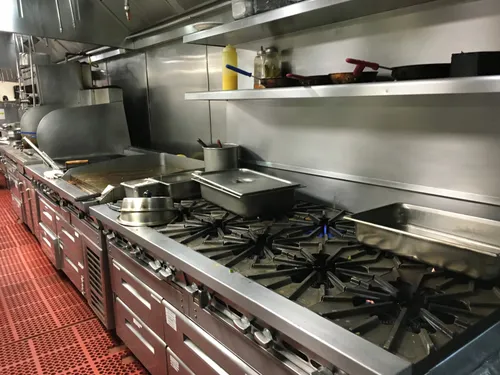
JR Grease Services provides grease trap cleaning and used cooking oil collection in Los Angeles, CA. They offer solutions to help kitchens operate smoothly by managing grease-related issues and providing plumbing support. The company is experienced in servicing grease traps and collecting used cooking oil to maintain proper flow and prevent interruptions.
Inglewood's Regulations for Waste Oil Disposal
The City of Inglewood has specific ordinances in place to control fats, oils, and grease (FOG) from commercial kitchens. Compliance is mandatory and enforced by city inspectors, who can issue fines or even suspend operations for serious violations.
Key Legal Requirements:
- Licensed Haulers Only: Businesses must contract with a city-approved, licensed hauler for used cooking oil collection. Using an unlicensed service is a violation.
- Proper Storage Containers: Oil must be stored in dedicated, sturdy, and leak-proof containers, such as standard 55-gallon drums or barrels provided by your hauler 1.
- Secure Storage Area: Containers must be kept in a designated, often locked, outdoor area to prevent theft, contamination, and environmental spills. This area should be away from direct heat sources 2.
- No Contamination: It is illegal to mix used cooking oil with water, food waste, trash, or other liquids. Such contamination can ruin the oil's value for recycling and lead to penalties. Always use drain screens and clean up spills promptly 3.
- Maintain Grease Traps: Inglewood restaurants must also have functioning, properly maintained grease interceptors (grease traps) as required by California state law and local codes. These devices capture grease before it enters the drain lines and are separate from your UCO collection program.
The Step-by-Step Collection and Recycling Process
Understanding the journey of your used fryer oil highlights its value and the importance of proper handling.
- Collection at the Source: Kitchen staff pour cooled oil (below 120°F is recommended for safety) into secure, labeled containers.
- Scheduled Pickup: Your licensed hauler arrives on a pre-arranged schedule to pump or swap out the full containers, leaving clean, empty ones behind.
- Transport to Facility: The collected oil is transported to a recycling facility, such as those operated by regional providers like Mahoney Environmental.
- Transformation into New Products: At the facility, the oil is cleaned and processed. It can then be refined into sustainable biofuels like biodiesel or Sustainable Aviation Fuel (SAF), as well as animal feed, soaps, and industrial lubricants. This process directly reduces reliance on fossil fuels.
Financial Implications: Costs, Revenue, and Savings
Managing your used cooking oil has direct financial impacts, ranging from potential earnings to significant cost avoidance.
Potential Revenue Source: Unlike general waste disposal, high-quality, uncontaminated used cooking oil has market value. Many collection services will pay restaurants a rebate based on the volume and quality of oil collected. Rates can vary, but restaurants may earn anywhere from $0.10 to $0.65 per gallon for clean oil 4 5. This turns a disposal headache into a modest income stream.
Cost Avoidance is Key: The primary financial benefit is avoiding hefty fines. Violations for improper disposal, such as pouring oil down a storm drain or mixing it with trash, can result in fines of thousands of dollars. Furthermore, proper management protects you from potential liability charges if your grease contributes to a public sewer overflow.
Service Structures: Many providers offer free regular pickup for established accounts, especially for smaller volumes. The revenue from selling the recycled oil often offsets the service cost. It's essential to get clear terms from your hauler regarding fees, rebates, and pickup schedules 6.
Find the perfect used cooking oil collection companies for your needs
Get personalized recommendations and expert advice
Best Practices for Restaurant Kitchen Staff
Successful oil management depends on daily practices in the kitchen. Training your staff on these protocols ensures compliance and maximizes oil value.
- Cool Before Transferring: Always allow oil to cool completely in the fryer before filtering or transferring it to storage drums. Hot oil is a safety hazard and can damage plastic containers.
- Use Dedicated Equipment: Have dedicated, labeled funnels and containers only for used oil. Never use the same equipment for oil and other liquids like water or cleaning solutions.
- Keep Lids Secure: Always replace the lid on your storage container immediately after adding oil. This prevents contamination from debris and deters pests.
- Monitor Container Fill Level: Avoid overfilling containers. Notify your service provider for a pickup when containers are nearly full to avoid spills and missed collection cycles.
- Document Your Pickups: Keep a log or file the receipts/tickets provided by your hauler at each collection. This documentation is your proof of compliant disposal if ever questioned by an inspector.
Choosing a Service Provider in the Inglewood Area
Selecting the right partner is crucial for reliable, compliant service. When evaluating used cooking oil collection companies, consider the following:
- Verification of License: Confirm that the hauler is currently licensed by the City of Inglewood. You can verify this with the city's public works or environmental services department.
- Service Reliability: Look for a provider with a reputation for consistent, on-time pickups. Missed pickups can leave you with overflowing containers and compliance issues.
- Container Provision: Ensure they supply sturdy, lockable containers appropriate for outdoor storage. The containers should be clearly marked for used cooking oil.
- Transparent Pricing/Rebates: Understand the full financial agreement. Is there a service fee? How is the oil quality assessed, and how is the rebate calculated and paid? Get this in writing.
- Environmental Commitment: Inquire about the final destination of your oil. Reputable providers will be transparent about their recycling partners and the end products, such as biodiesel.
The Environmental Impact of Proper UCO Recycling
Beyond compliance and revenue, responsible used cooking oil collection is a powerful environmental action for the Inglewood community. When oil is poured down drains, it solidifies in sewer pipes, leading to blockages that can cause sewage backups into homes, businesses, and local waterways like the Ballona Creek watershed. These "fatbergs" are expensive for municipalities to remove and harmful to ecosystems 7.
Conversely, recycling one gallon of used cooking oil can produce nearly a gallon of clean-burning biodiesel. This biofuel reduces greenhouse gas emissions by up to 86% compared to petroleum diesel, improving local air quality and contributing to California's clean energy goals 8 9. By partnering with a licensed recycler, your restaurant directly supports a circular economy that transforms waste into valuable resources.
Frequently asked questions
Sources
Footnotes
-
Used Cooking Oil Collection Los Angeles - Pick Up & Recycling. - https://greasemanagement.org/oilcollectionlosangeles.html ↩
-
Navigating Legal Requirements for Used Cooking Oil Disposal - https://bakercommodities.com/blog/2024/02/08/legal-requirement-used-cooking-grease/ ↩
-
Restaurant Oil Disposal: Explained - Eazy Grease - https://eazygrease.com/how-do-restaurants-get-rid-of-their-oil/ ↩
-
Restaurant Used Cooking Oil Recycling & Disposal Guide - https://greaseconnections.com/restaurant-used-cooking-oil-disposal-recycling-revenue-guide/ ↩
-
What Restaurants Should Know About California Oil Disposal ... - https://startgreencommodities.com/post/restaurant-grease-trap-requirements ↩
-
Used Cooking Oil Disposal: Complete Guide to Grease Pickups - https://greaseconnections.com/used-cooking-oil-disposal-guide-grease-pickups/ ↩
-
City of Inglewood, CA FATS, OILS AND GREASE REGULATION AT ... - https://ecode360.com/43783107 ↩
-
Restaurant Grease Pick Up and Disposal Services in Los ... - https://www.mahoneyes.com/fryer-oil-disposal-recycling-los-angeles-ca/ ↩
-
Used Cooking Oil (UCO) Collection Service For Restaurants - https://thegreasecompany.com/blog/restaurant-used-cooking-oil-collection/ ↩