
Find the Best Used Cooking Oil Collection Companies for Your Business
No obligation • Fast responses • Nationwide coverage

Why you can trust Restaurant Waste Disposal
Restaurant Waste Disposal is a leading U.S. resource for comparing restaurant composting, food-waste recycling, grease trap cleaning, and used cooking oil collection services. Our editorial team researches providers, checks credentials, and organizes unbiased information so operators can make informed decisions. Companies cannot pay to change ratings or placement.
Search providers near you
Top Used Cooking Oil Collection Companies in Huntington Park, California Ranked
For restaurants and food service businesses in Huntington Park, managing used cooking oil (UCO) is more than just a kitchen chore-it's a regulated component of environmental compliance and operational efficiency. California's stringent organic waste laws, including the landmark SB 1383, mandate that all businesses recycle their food scraps and cooking grease. This means proper collection and disposal of your fryer oil isn't optional; it's a legal requirement designed to reduce landfill waste and greenhouse gas emissions. By partnering with a licensed hauler, you transform a waste product into valuable resources like renewable diesel and sustainable aviation fuel, contributing to a circular economy right here in Los Angeles County. Navigating the rules for storage, pickup, and documentation ensures your business avoids penalties while supporting statewide sustainability goals.
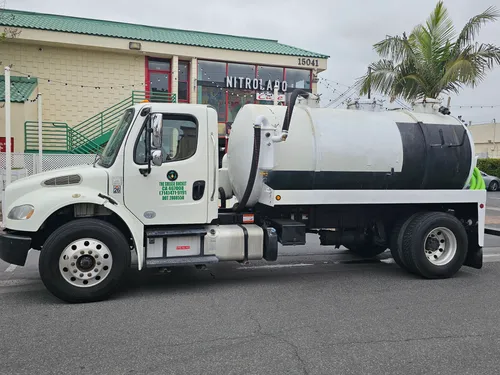
The Grease Bucket
Los Angeles, CA
The Grease Bucket provides grease trap cleaning and used cooking oil collection services in Los Angeles, CA. They serve restaurants across Orange County, Los Angeles, San Bernardino, and the Inland Empire area. The company schedules regular collection intervals to prevent overflows and maintains grease interceptors to avoid drain clogs and odors. They recycle used cooking oil into renewable resources, supporting environmental sustainability. The Grease Bucket has been serving customers for over six years and offers emergency pickups when needed during normal business hours.
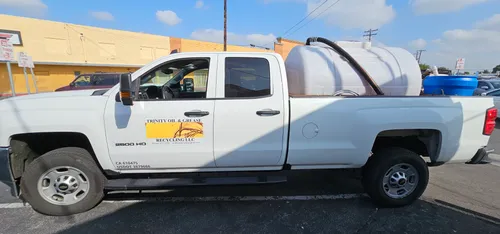
Trinity Oil & Grease Recycling
Los Angeles, CA
Trinity Oil & Grease Recycling provides used cooking oil collection and grease trap cleaning services in Los Angeles, CA. They offer on-call and scheduled pickups with 24-hour availability across Los Angeles County, Orange County, and Ventura County. Their services include recovery, transportation, disposal, and recycling of kitchen oil and grease, along with high-pressure washing for grease spills and property cleanliness. They supply grease and oil storage containers ranging from 15 to 200 gallons with no minimum amount required for collection. Trinity Oil & Grease Recycling also provides manifest reports as proof of collection to help clients maintain compliance with health and wastewater regulations.
The Grease Company
1116 N Harbor Blvd, Santa Ana, CA 92703
The Grease Company provides grease trap cleaning, repair, and used cooking oil collection services in Los Angeles, CA. They specialize in maintaining commercial kitchen grease traps to prevent clogs and ensure compliance with sanitation regulations. Their capabilities include hydro jetting and environmentally responsible cooking oil disposal. With 12 years of experience, The Grease Company is licensed to serve Southern California and offers transparent pricing and free quotes.
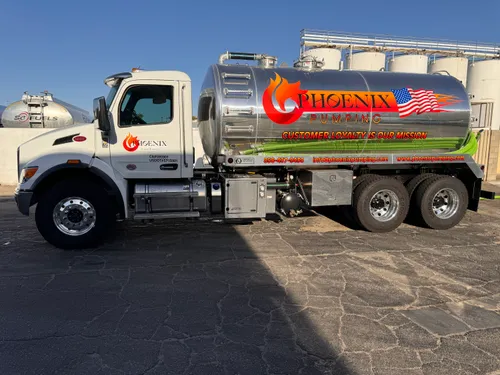
Phoenix Pumping LLC
3131 E Palmyra Ave, Orange, CA 92869
Phoenix Pumping LLC offers cooking oil recycling and grease trap cleaning services in Los Angeles, CA, extending coverage to Southern California counties as well as Arizona and Nevada. The company serves large restaurant chains and facilities with multiple kitchens, providing licensed grease trap cleaning including large outdoor installations. With over a decade of experience, Phoenix Pumping transforms used cooking oil into renewable diesel with a significantly lower carbon footprint. They provide 24/7 availability and a single point of contact for all service needs.
Skyline Grease Services
Los Angeles, CA
Skyline Grease Services provides used cooking oil collection and grease trap cleaning in Los Angeles, CA. They handle grease trap maintenance and oil collection to support local businesses in managing waste effectively.
Understanding Huntington Park and California Regulations
Compliance starts with knowing the rules. Huntington Park enforces California state mandates, making used cooking oil collection a critical part of your daily operations.
SB 1383 and Mandatory Organic Waste Recycling California's Short-Lived Climate Pollutant Reduction Law (SB 1383) requires all businesses, including every restaurant in Huntington Park, to arrange for organic waste recycling services 1. Used cooking oil is a key component of this organic waste stream. Disposing of it down the drain or in the trash is prohibited, as it contributes to sewer blockages, environmental pollution, and methane emissions in landfills. The city's commercial waste guidelines direct businesses to place organic materials, including grease, into designated covered recycling containers provided by their hauler 1 2.
Grease Trap and Interceptor Maintenance Separate from liquid fryer oil collection, restaurants must also manage fats, oils, and grease (FOG) that go down the drain. Health and safety codes require food service establishments to install and properly maintain grease interceptors or traps 3. These devices capture congealed grease and solids before wastewater enters the public sewer system, preventing costly blockages and sanitary sewer overflows. Regular cleaning and maintenance of these traps are essential and are often a service offered alongside UCO collection.
Working with Approved Haulers A crucial rule is that only haulers registered with the California Department of Food and Agriculture (CDFA) are legally permitted to transport inedible kitchen grease, including used cooking oil 4. Before signing a contract, verify your provider's CDFA approval. Using an unlicensed collector can leave your business out of compliance and liable for fines. These licensed providers ensure the oil is tracked and recycled into approved downstream products, completing the legal chain of custody.
Best Practices for On-Site Storage and Handling
Proper handling before pickup protects your staff, your facility, and the environment. Following these steps streamlines the collection process and maintains safety.
- Cool Completely: Always allow oil to cool completely in the fryer before transferring it. Handling hot oil is a major safety hazard.
- Use Dedicated Containers: Transfer cooled oil into dedicated, spill-resistant containers provided by your collection service. These are typically sealed, sturdy barrels or drums designed for grease transport.
- Secure and Label: Ensure containers have tight-sealing lids to prevent leaks, spills, and odors. Clearly label them as "Used Cooking Oil" or "Waste Grease" to avoid confusion.
- Designate a Storage Area: Establish a consistent storage location that is clean, level, and away from storm drains, customer pathways, and heat sources. This area should be accessible for collection drivers.
- Schedule Regular Pickups: Work with your hauler to establish a pickup frequency that matches your oil production volume. Consistent service prevents overfilling, spills, and pest attraction.
Maintaining detailed logs of your oil collection is a smart practice. California regulations require collectors to provide documentation, and keeping your own records helps during health inspections or compliance audits 5 6.
The Collection and Recycling Process: From Fryer to Fuel
When you partner with a professional service, you're enrolling in a sophisticated recycling pipeline. Here's what typically happens after your pickup is scheduled.
- Scheduled Collection: A licensed hauler arrives at your designated time with specialized trucks. They will collect the sealed containers from your storage area, often swapping them out with clean, empty ones for continued use.
- Transportation and Processing: The collected oil is transported to a processing facility. There, it undergoes filtration to remove food particles and water.
- Transformation into Biofuel: The cleaned oil, now called a feedstock, is sent to a biorefinery. Through a process called hydrotreating, it is converted into valuable biofuels like renewable diesel or sustainable aviation fuel (SAF) 7. These drop-in fuels can power vehicles and airplanes with a significantly lower carbon footprint than fossil fuels.
- Reporting and Transparency: Reputable providers offer transparency. You may receive periodic reports detailing the volume of oil collected from your site, offering proof of recycling for your records and demonstrating your establishment's environmental contribution 8.
This process ensures that your used cooking oil is diverted from landfills and waterways, instead fueling a more sustainable future.
Find the perfect used cooking oil collection companies for your needs
Get personalized recommendations and expert advice
Potential Cost Structures and Value Recovery
The financial model for used cooking oil collection in Huntington Park can vary, often turning a cost center into a minor revenue stream or a cost-neutral service.
- Free Collection Services: Many providers offer free pickup for restaurants, particularly those with smaller volumes (often under 100 gallons per month). The hauler's revenue comes from selling the recycled feedstock to biofuel producers.
- Rebates and Payments: For establishments with high-volume fryer operations, the equation can flip. You may be eligible for a rebate or payment based on the quantity and quality of oil you provide. Payments can range from $0.10 to $0.65 per gallon, depending on market conditions and volume 9 10.
- Fee-Based Services: In some cases, fees may apply. This could be for very low-volume accounts, for the rental of specialized equipment, or if you bundle the service with essential maintenance like grease trap cleaning. Always clarify the complete fee structure with your provider.
The key takeaway is to discuss your specific situation with potential haulers. Understanding your weekly oil output will help you negotiate the best possible arrangement, whether that's avoiding disposal fees or earning a small rebate.
Choosing a Service Provider in Huntington Park
Selecting the right partner is essential for seamless compliance and operation. Look for a provider that simplifies the process for your team.
Essential Criteria for Selection:
- CDFA Licensing: This is non-negotiable. Confirm the hauler's current CDFA registration.
- Reliability and Schedule: Choose a company known for punctual, consistent pickups to avoid storage issues.
- Equipment Provision: Ensure they supply appropriate, clean, and well-maintained storage containers.
- Service Transparency: Opt for a provider that offers clear documentation and reporting for each collection.
- Local Knowledge: A hauler familiar with Huntington Park and LA County regulations can be an invaluable resource.
By integrating a reliable used cooking oil and grease management plan, Huntington Park restaurants not only meet legal obligations but also actively participate in California's green economy. Proper management protects plumbing, reduces environmental impact, and can even provide a modest financial return, making it a smart practice for any food service business.
Frequently asked questions
Sources
Footnotes
-
Commercial Recycling Information - Huntington Park - https://www.hpca.gov/146/Commercial-Trash-Recycling-Information ↩ ↩2
-
Commercial Activities | The Official Site of Huntington Park, CA! - https://www.hpca.gov/579/Commercial-Activities ↩
-
What Restaurants Should Know About California Oil Disposal ... - https://startgreencommodities.com/post/restaurant-grease-trap-requirements ↩
-
What Does The California Law Say About Used Cooking Oil Disposal? - https://www.grandnatural.com/blog/what-does-the-california-law-say-about-used-cooking-oil-disposal.html ↩
-
Cal. Code Regs. Tit. 3, § 1180.24 - Requirements to Document and ... - https://www.law.cornell.edu/regulations/california/3-CCR-1180.24 ↩
-
Used Cooking Oil Collection / Pick Up & Recycling. - https://greasemanagement.org/usedoilcollection.html ↩
-
Used Cooking Oil (UCO) Collection Service For Restaurants - https://thegreasecompany.com/blog/restaurant-used-cooking-oil-collection/ ↩
-
Restaurant Grease Pick Up and Disposal Services in Los ... - https://www.mahoneyes.com/fryer-oil-disposal-recycling-los-angeles-ca/ ↩
-
Used Cooking Oil Regulations for Food Service Businesses - https://bakercommodities.com/blog/2024/02/08/legal-requirement-used-cooking-grease/ ↩
-
Restaurant Used Cooking Oil: Disposal, Recycling & Revenue Guide - https://greaseconnections.com/restaurant-used-cooking-oil-disposal-recycling-revenue-guide/ ↩