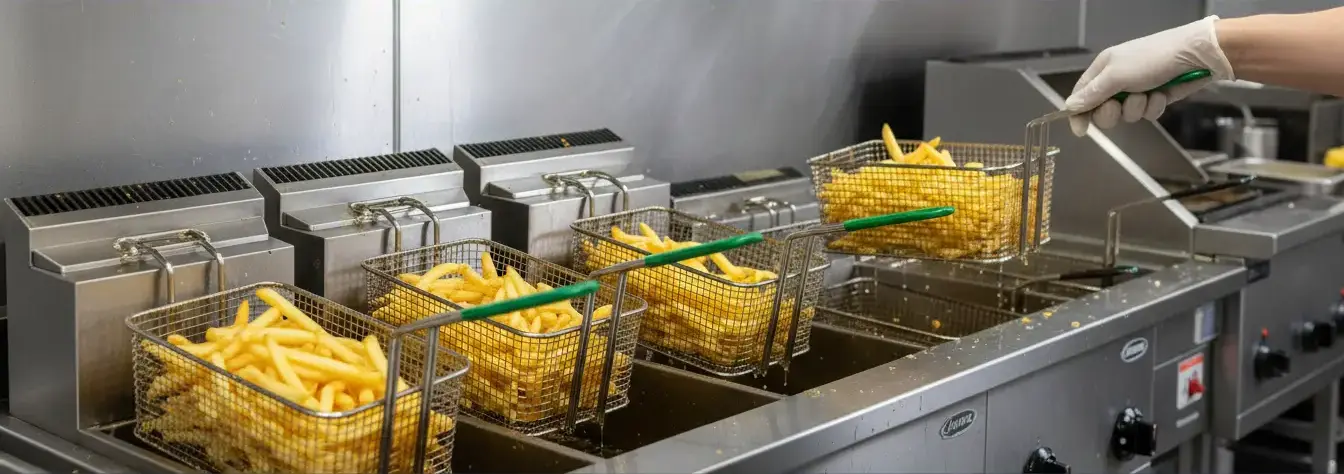
Find the Best Used Cooking Oil Collection Companies for Your Business
No obligation • Fast responses • Nationwide coverage

Why you can trust Restaurant Waste Disposal
Restaurant Waste Disposal is a leading U.S. resource for comparing restaurant composting, food-waste recycling, grease trap cleaning, and used cooking oil collection services. Our editorial team researches providers, checks credentials, and organizes unbiased information so operators can make informed decisions. Companies cannot pay to change ratings or placement.
Search providers near you
Top Used Cooking Oil Collection Companies in Highland, California Ranked
For restaurants and food service establishments in Highland, proper used cooking oil (UCO) management is a critical operational and environmental responsibility. California state law mandates the recycling of this material, transforming a potential waste liability into a valuable resource stream like biodiesel. Navigating the specific requirements for storage, pickup, and documentation ensures compliance with local and state regulations, helps protect the municipal sewer system, and can even provide a source of revenue for your business. Partnering with a licensed grease hauler simplifies this process, providing secure containers, scheduled pickups, and the essential paperwork trail for peace of mind.
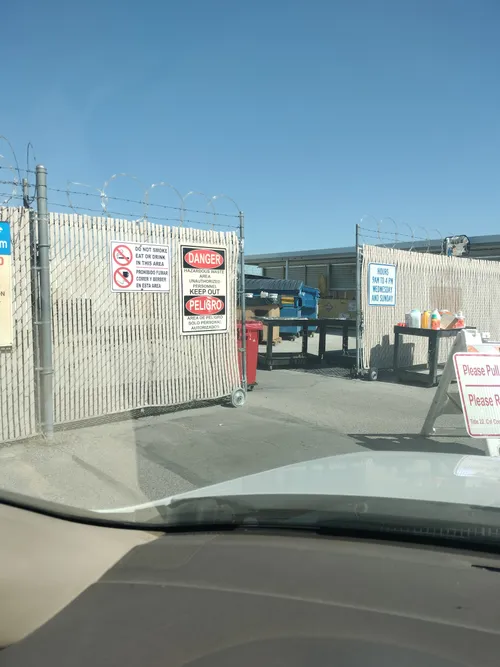
Household Hazardous Waste Collection Center
14889 Loves Ln, Victorville, CA 92395
The Household Hazardous Waste Collection Center in Victorville, CA, provides a safe location for residents to dispose of hazardous materials that cannot be placed in regular trash or recycling. The center accepts items such as used motor oil and filters, cooking oil, paint, pesticides, batteries, medicines, sharps in approved containers, and fluorescent tubes. It serves Victor Valley residents who may also use any Household Hazardous Waste Center within San Bernardino County. The center operates on a schedule with specific days open for drop-off and enforces limits on the volume of hazardous waste accepted per visit. Businesses are not permitted to use this center; instead, small businesses can access the Very Small Quantity Generator (VSQG) program through the San Bernardino County Fire Department for proper hazardous waste disposal.
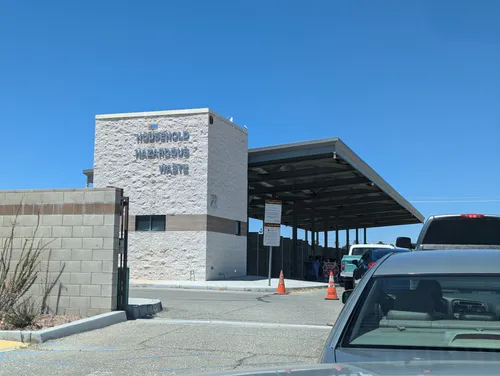
Oil Collection For Town Of Apple Valley
13450 Nomwaket Rd, Apple Valley, CA 92307
Oil Collection For Town Of Apple Valley provides used cooking oil collection services in Victorville, CA. The company specializes in the safe and efficient collection of used cooking oil from various sources to support recycling and proper disposal efforts.
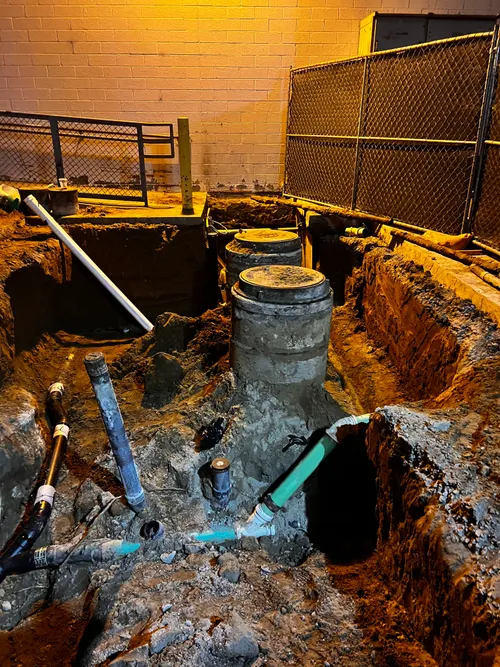
Grease Co of San Bernardino
1798 5th St, San Bernardino, CA 92411
Grease Co of San Bernardino provides grease trap cleaning, interceptor pumping, and used cooking oil collection services for food service establishments in Los Angeles, CA. Serving San Bernardino and Riverside counties, the company offers comprehensive grease waste management solutions including hydro jetting, grease trap repair, and spill cleanup. With nearly two decades of experience, they are licensed by the California Department of Food & Agriculture and provide 24/7 support to address urgent plumbing needs. Their used cooking oil collection service recycles waste oil into biodiesel, promoting sustainability and regulatory compliance.
Hesperia Grease Trap Services
Los Angeles, CA
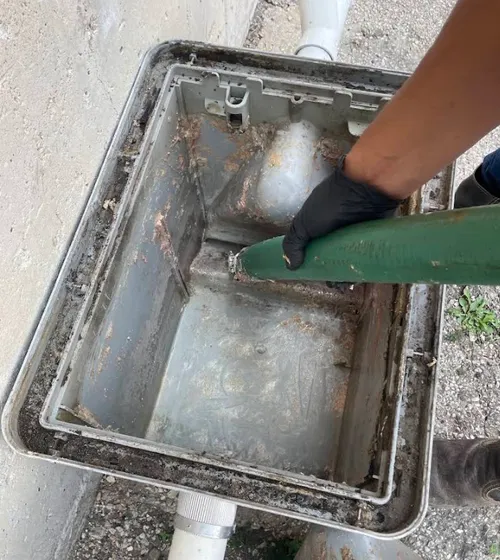
Hesperia Grease Trap Services provides comprehensive grease management solutions for commercial kitchens in Los Angeles, CA. They specialize in grease trap pumping, cleaning, interceptor maintenance, system installation, emergency repairs, and restaurant equipment servicing tailored to meet California environmental regulations. Serving Hesperia and the surrounding Victor Valley region, this locally owned company supports restaurants, cafes, hotels, and commercial facilities throughout San Bernardino County. Their services include high-capacity vacuum pumping, deep system cleaning, and thorough inspections to maintain system efficiency and compliance. They also offer emergency repair services to address grease trap failures and backups quickly, minimizing business disruption.
Co-West Commodities, by Denali
2586 Shenandoah Way, San Bernardino, CA 92407
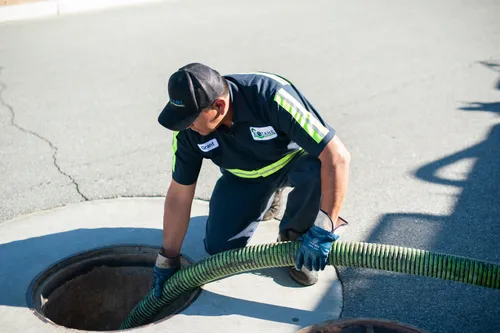
Co-West Commodities, by Denali, provides used cooking oil collection services in Los Angeles, CA. They serve a broad range of clients in the food service industry, including restaurants, schools, theme parks, and military bases throughout the Southwestern United States. Their services include equipment maintenance, waste disposal, and recycling with a focus on converting used cooking oil into renewable resources like biodiesel.
Understanding Your Legal Obligations
In Highland, as in all of California, used cooking oil disposal is strictly regulated. Pouring used fryer oil or grease down the drain is illegal and can lead to severe fines and sewer blockages. State law classifies used cooking oil as a recyclable material, requiring businesses to arrange for its proper collection and recycling. Furthermore, food service establishments are typically required to have a properly sized and maintained grease interceptor or trap to capture fats, oils, and grease (FOG) before wastewater enters the public sewer system 1. Compliance isn't optional; it's a fundamental part of operating a restaurant legally and responsibly.
Key Regulations for Highland Businesses
- Mandatory Recycling: You must contract with a licensed used oil hauler to collect and recycle your UCO 2.
- Secure Storage: Oil must be stored in sealed, leak-proof containers that are kept secure, often in a locked enclosure, to prevent theft, spills, or tampering.
- Manifest Tracking: For every pickup, your hauler must provide you with a manifest or receipt. This document is your legal proof of compliant recycling and is crucial for any regulatory audits.
- Grease Trap Maintenance: Regular cleaning and maintenance of your grease interceptor are separate but equally important requirements to prevent backups and violations.
The Step-by-Step Collection and Recycling Process
Working with a professional collection service streamlines UCO management into a reliable routine. Here's how the typical process works for a Highland restaurant:
- Cooling and Filtering: After use, oil should be allowed to cool below 120°F before being transferred. Many kitchens filter the oil to remove food particles, which improves its quality for recycling.
- Safe Containerization: The cooled oil is poured into a dedicated, secure collection bin provided by your hauler. These containers are usually placed in a convenient yet secure location, like near a back delivery door3.
- Scheduled Pickup: Your service provider will establish a regular pickup schedule-weekly, bi-weekly, or monthly-based on your volume. Companies like Grease Connections or Phoenix Pumping service the Southern California area, including Highland.
- Collection and Documentation: A trained technician collects the full container, replaces it with a clean one if needed, and provides you with a dated manifest for your records4 5.
- Transformation: The collected oil is transported to a recycling facility where it is processed and converted into valuable products like renewable biodiesel, animal feed supplements, or industrial ingredients 6.
Potential Costs and Revenue from Used Oil
The financial model for used cooking oil collection is volume-dependent. For smaller establishments generating under 100 gallons per month, pickup services are often provided for free, as the value of the recycled oil covers the cost of service. For restaurants with higher-volume fryers, such as those in busy fast-casual or full-service settings, the used oil itself becomes a commodity.
Larger volumes (typically 100-500+ gallons per month) can actually generate revenue. Collection companies may pay for the oil, with rates fluctuating based on market prices for feedstocks like biodiesel. These rates can range from approximately $0.10 to $0.65 per gallon7 8. This turns a compliance task into a minor profit center. Many services also include the loan of collection bins, routine cleaning of the storage area, and customer support as part of their package8.
Find the perfect used cooking oil collection companies for your needs
Get personalized recommendations and expert advice
Why Professional Management is Essential
Managing used cooking oil isn't just about getting rid of a messy byproduct. A professional service ensures you meet all legal requirements, providing the manifest tracking that proves your compliance during health or environmental inspections9 10. This proactive approach shields your business from costly fines that can result from improper disposal. Beyond compliance, it contributes to a circular economy right here in California, where your used oil is transformed into clean-burning biodiesel fuel 11. It also enhances safety by reducing slip hazards and fire risks associated with improper oil storage on your property.
Best Practices for On-Site Management
- Designate a Storage Area: Choose a cool, dark, and secure spot for your collection container, away from public view and with secondary containment to manage any potential spills 12.
- Train Your Staff: Ensure all kitchen staff know the procedure for cooling, filtering, and transferring oil into the correct container. Emphasize that sinks and drains are off-limits for disposal.
- Maintain Your Records: File every pickup manifest receipt in an organized, accessible location. These are as important as other business licenses and permits.
- Communicate with Your Hauler: If your oil volume changes significantly (e.g., during a seasonal promotion), inform your service provider to adjust your pickup schedule and ensure containers are never overfilled.
The Environmental Impact of Proper Recycling
Choosing to recycle your used cooking oil has a direct positive impact. When UCO is converted into biodiesel, it creates a renewable fuel that burns cleaner than traditional petroleum diesel, reducing greenhouse gas emissions and particulate matter. This process gives a second life to a material that would otherwise burden waste management systems or, worse, contaminate waterways. For a community like Highland, participating in this cycle supports broader state-wide sustainability goals and demonstrates a commitment to environmental stewardship that customers increasingly value.
Frequently asked questions
Sources
Footnotes
-
Navigating Legal Requirements for Used Cooking Oil Disposal - https://bakercommodities.com/blog/2024/02/08/legal-requirement-used-cooking-grease/ ↩
-
What Does The California Law Say About Used Cooking Oil Disposal? - https://www.grandnatural.com/blog/what-does-the-california-law-say-about-used-cooking-oil-disposal.html ↩
-
Used Cooking Oil Disposal: Complete Guide to Grease Pickups - https://greaseconnections.com/used-cooking-oil-disposal-guide-grease-pickups/ ↩
-
Used Cooking Oil Collection Los Angeles - Pick Up & Recycling. - https://greasemanagement.org/oilcollectionlosangeles.html ↩
-
Used Cooking Oil Pickup vs Drop-Off-What's Best for Restaurants? - https://www.greaseprosrecycling.com/used-cooking-oil-pickup-vs-drop-off/ ↩
-
Restaurant Oil Disposal: Explained - Eazy Grease - https://eazygrease.com/how-do-restaurants-get-rid-of-their-oil/ ↩
-
Used Cooking Oil Recycling for Restaurants in Southern ... - https://phoenixpumping.com/blog/used-cooking-oil-recycling-for-restaurants-in-southern-california-phoenix-pumping-leads-the-way/ ↩
-
Restaurant Used Cooking Oil: Disposal, Recycling & Revenue Guide - https://greaseconnections.com/restaurant-used-cooking-oil-disposal-recycling-revenue-guide/ ↩ ↩2
-
Used Cooking Oil Collection / Pick Up & Recycling. - https://greasemanagement.org/usedoilcollection.html ↩
-
How to Recycle Fryer Oil - https://www.mahoneyes.com/how-to-recycle-fryer-oil/ ↩
-
Used Cooking Oil (UCO) Collection Service For Restaurants - https://thegreasecompany.com/blog/restaurant-used-cooking-oil-collection/ ↩
-
Cal. Code Regs. Tit. 3, § 1180.24 | State Regulations | US Law - https://www.law.cornell.edu/regulations/california/3-CCR-1180.24 ↩