
Find the Best Used Cooking Oil Collection Companies for Your Business
No obligation • Fast responses • Nationwide coverage

Why you can trust Restaurant Waste Disposal
Restaurant Waste Disposal is a leading U.S. resource for comparing restaurant composting, food-waste recycling, grease trap cleaning, and used cooking oil collection services. Our editorial team researches providers, checks credentials, and organizes unbiased information so operators can make informed decisions. Companies cannot pay to change ratings or placement.
Search providers near you
Top Used Cooking Oil Collection Companies in Glendora, California Ranked
For restaurants and commercial kitchens in Glendora, managing used cooking oil (UCO) is a critical operational and environmental responsibility. The City of Glendora mandates that all food service establishments use licensed haulers for the collection of both used cooking oil and grease trap waste to protect the local sewer system. Proper grease trap and oil collection services not only ensure compliance with local ordinances but also transform a waste product into valuable resources like biodiesel and animal feed. By partnering with an approved provider, businesses can streamline their waste management, avoid significant fines, and potentially turn a cost center into a source of revenue or free service.
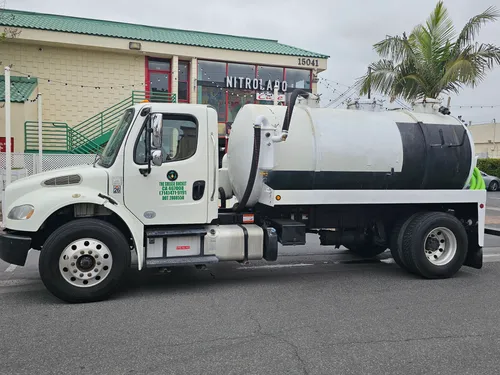
The Grease Bucket
Los Angeles, CA
The Grease Bucket provides grease trap cleaning and used cooking oil collection services in Los Angeles, CA. They serve restaurants across Orange County, Los Angeles, San Bernardino, and the Inland Empire area. The company schedules regular collection intervals to prevent overflows and maintains grease interceptors to avoid drain clogs and odors. They recycle used cooking oil into renewable resources, supporting environmental sustainability. The Grease Bucket has been serving customers for over six years and offers emergency pickups when needed during normal business hours.
The Grease Company
1116 N Harbor Blvd, Santa Ana, CA 92703
The Grease Company provides grease trap cleaning, repair, and used cooking oil collection services in Los Angeles, CA. They specialize in maintaining commercial kitchen grease traps to prevent clogs and ensure compliance with sanitation regulations. Their capabilities include hydro jetting and environmentally responsible cooking oil disposal. With 12 years of experience, The Grease Company is licensed to serve Southern California and offers transparent pricing and free quotes.
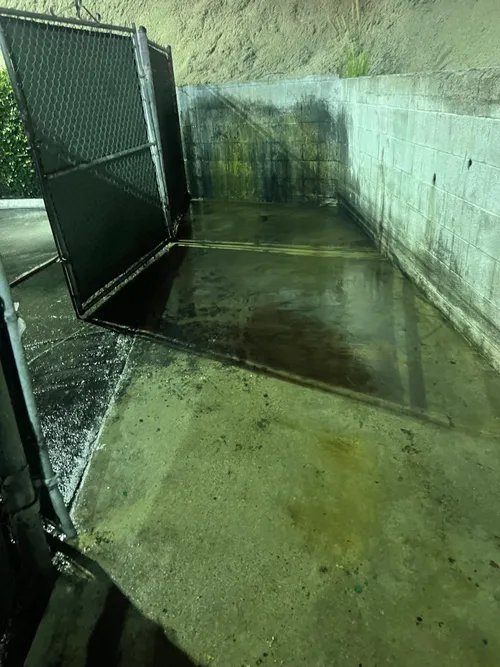
Skyline Grease Services
Los Angeles, CA
Skyline Grease Services provides used cooking oil collection and grease trap cleaning in Los Angeles, CA. They handle grease trap maintenance and oil collection to support local businesses in managing waste effectively.
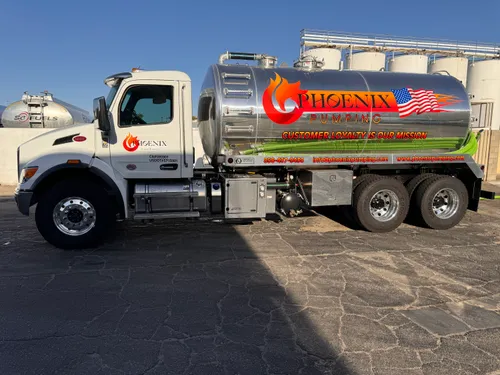
Phoenix Pumping LLC
3131 E Palmyra Ave, Orange, CA 92869
Phoenix Pumping LLC offers cooking oil recycling and grease trap cleaning services in Los Angeles, CA, extending coverage to Southern California counties as well as Arizona and Nevada. The company serves large restaurant chains and facilities with multiple kitchens, providing licensed grease trap cleaning including large outdoor installations. With over a decade of experience, Phoenix Pumping transforms used cooking oil into renewable diesel with a significantly lower carbon footprint. They provide 24/7 availability and a single point of contact for all service needs.
All in Sanitation | Grease Trap Cleaning | Septic Pumping
527 W 7th St, Los Angeles, CA 90014
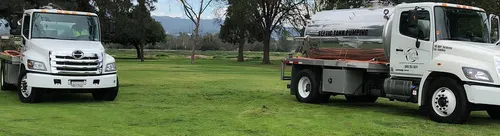
All in Sanitation | Grease Trap Cleaning | Septic Pumping offers comprehensive grease trap cleaning, pumping, and used cooking oil collection services in Los Angeles, CA. They serve a variety of commercial clients including restaurants, hotels, and schools across Los Angeles and nearby neighborhoods such as Hollywood, Downtown LA, Koreatown, and West Los Angeles. Their services include grease removal, high-pressure hydro jetting to prevent blockages, and environmentally responsible grease recycling. The company complies with Los Angeles County health regulations and provides 24/7 emergency service to address urgent needs. They also offer scheduled maintenance plans and service multi-location food facilities. Additionally, All in Sanitation has a dedicated division for sustainable used cooking oil disposal that supports biofuel production.
Understanding Glendora's Grease and Oil Regulations
Compliance with local codes is the first step in establishing a reliable used cooking oil management program. Glendora's Fats, Oils, and Grease (FOG) control ordinance is designed to prevent sewer blockages and overflows, which can lead to environmental damage and costly public works repairs 1.
Key Regulatory Requirements:
- Mandatory Use of Licensed Haulers: Businesses cannot dispose of used cooking oil or grease interceptor waste themselves. They must contract with a hauler that is properly licensed by both the state and the City of Glendora. Using an unlicensed service can result in citations and fines.
- Secure Storage: All used oil must be stored in dedicated, leak-proof containers provided by your hauler. These bins typically range from 40 to 300 gallons and must be kept in a secure location, either indoors or in a protected outdoor area, to prevent spills, contamination, and theft.
- Record-Keeping for Inspections: Establishments are required to maintain detailed service records for a minimum of three years. These records should include the date of service, volume of oil or grease collected, and the name of the licensed hauler. City inspectors may request these documents to verify proper disposal.
The Collection and Recycling Process
A professional used cooking oil collection service handles the entire process from your kitchen door to the recycling facility. This turnkey solution removes a significant operational burden from your staff.
Step-by-Step Service Flow:
- Storage: Kitchen staff safely pour cooled, used fryer oil into a designated collection bin.
- Scheduled Pickup: Your licensed hauler provides regularly scheduled pickups based on your volume, ensuring bins never overflow.
- Transportation: The collected oil is transported in specialized trucks to a processing facility.
- Recycling: At the facility, the oil is filtered and purified. It is then converted into raw materials for various industries, most notably as a feedstock for renewable biodiesel fuel. It can also be used in the production of soap, cosmetics, and animal feed.
This closed-loop system ensures that your kitchen waste is diverted from landfills and given a productive second life, contributing to a more sustainable local economy.
Cost Structure for Oil Pickup Services
The economics of used cooking oil collection are unique, as cost often depends directly on the volume your business generates. This is because the recycled oil itself has market value.
Typical Pricing Models:
- For High-Volume Generators: Restaurants that produce approximately 40 gallons or more of used oil per month often receive the collection service for free. In some cases, particularly when oil prices are high, haulers may even pay a small rebate or fee for the oil. The revenue from selling the recycled commodity covers the cost of collection.
- For Lower-Volume Generators: Establishments that generate less than 40 gallons per month may incur a service fee. This fee, which can be around $30 per month, covers the operational cost of scheduling, driving, and servicing an account with smaller yield 2 3. It's important to discuss your estimated output with service providers to get an accurate quote.
Find the perfect used cooking oil collection companies for your needs
Get personalized recommendations and expert advice
Choosing a Licensed Hauler in Glendora
Selecting the right service partner is crucial for compliance and operational efficiency. Not all waste removal companies are authorized to operate in Glendora.
What to Look For in a Provider:
- Verifiable Licensing: Always ask for proof of their City of Glendora business license and any required state waste hauler permits. A reputable company will readily provide this information.
- Compliance Documentation: Ensure the hauler provides a detailed service manifest or ticket with each pickup. This document is your proof of proper disposal and is essential for your three-year record-keeping requirement 4.
- Equipment and Reliability: They should supply sturdy, locking collection bins in a size appropriate for your space and production. Consistent, on-time pickups are essential to avoid overflow and mess.
- Local Reputation: Consider providers with established service routes in the San Gabriel Valley and Glendora area, such as The Grease Company or Grease Management, as they will be most familiar with local codes and inspection expectations 5 6.
Benefits Beyond Compliance
While adhering to the law is the primary driver, an effective used cooking oil program offers several additional advantages.
Operational and Environmental Advantages:
- Enhanced Kitchen Safety: Proper, secure storage reduces slip-and-fall hazards and minimizes the risk of fires associated with improper oil storage.
- Positive Brand Image: Consumers increasingly support businesses with verifiable sustainability practices. Promoting your oil recycling program can be a valuable marketing point.
- Supporting the Circular Economy: By providing raw material for biodiesel, your business directly helps reduce fossil fuel dependence and greenhouse gas emissions 7 8.
- Preventing Costly Problems: Proper management protects your own plumbing from grease-related clogs and shields your business from the substantial fines associated with sewer line violations.
Maintaining Your Grease Interceptor
It's important to distinguish between used cooking oil collection and grease interceptor (or grease trap) maintenance, though they are often managed together. The interceptor captures fats, oils, and grease from dishwater and floor drains before they enter the sewer.
Essential Interceptor Maintenance Tips:
- Regular Pumping: Interceptors must be pumped out by a licensed hauler on a regular schedule (often monthly or quarterly) to prevent solids from building up and causing blockages.
- Keep It Clear: Never put food scraps, rags, or utensils into sinks or drains that feed the interceptor. These solids can quickly fill the tank and lead to failures.
- Accessibility: The interceptor lid must always be accessible for service and city inspection. It should not be buried or obstructed by equipment.
Frequently asked questions
Sources
Footnotes
-
City of Glendora, CA FATS, OILS AND GREASE CONTROL ... - https://ecode360.com/43765606 ↩
-
Grease Collection Service: What is it - https://www.grandnaturalinc.com/blog/what-is-grease-collection-service.html ↩
-
Do you get paid for used cooking oil? : r/cookingoilrecycling - Reddit - https://www.reddit.com/r/cookingoilrecycling/comments/1kvlxl5/do_you_get_paid_for_used_cooking_oil/ ↩
-
Used Cooking Oil Pickup vs Drop-Off - GreasePros Recycling - https://www.greaseprosrecycling.com/used-cooking-oil-pickup-vs-drop-off/ ↩
-
Used Cooking Oil Collection Glendora - Pick Up & Recycling. - https://www.greasemanagement.org/oilcollectionglendora.html ↩
-
Used Cooking Oil Collection For Restaurants - Grease Management - https://greasemanagement.org/greasecollection.html ↩
-
Southern California Commercial Kitchen Cooking Oil recycling ... - https://thegreasecompany.com/blog/how-the-grease-is-protecting-you-by-recycling-cooking-oil/2/ ↩
-
Used Cooking Oil (UCO) Collection Service For Restaurants - https://thegreasecompany.com/blog/restaurant-used-cooking-oil-collection/ ↩