Find the Best Used Cooking Oil Collection Companies for Your Business
No obligation • Fast responses • Nationwide coverage

Why you can trust Restaurant Waste Disposal
Restaurant Waste Disposal is a leading U.S. resource for comparing restaurant composting, food-waste recycling, grease trap cleaning, and used cooking oil collection services. Our editorial team researches providers, checks credentials, and organizes unbiased information so operators can make informed decisions. Companies cannot pay to change ratings or placement.
Search providers near you
Top Used Cooking Oil Collection Companies in Fontana, California Ranked
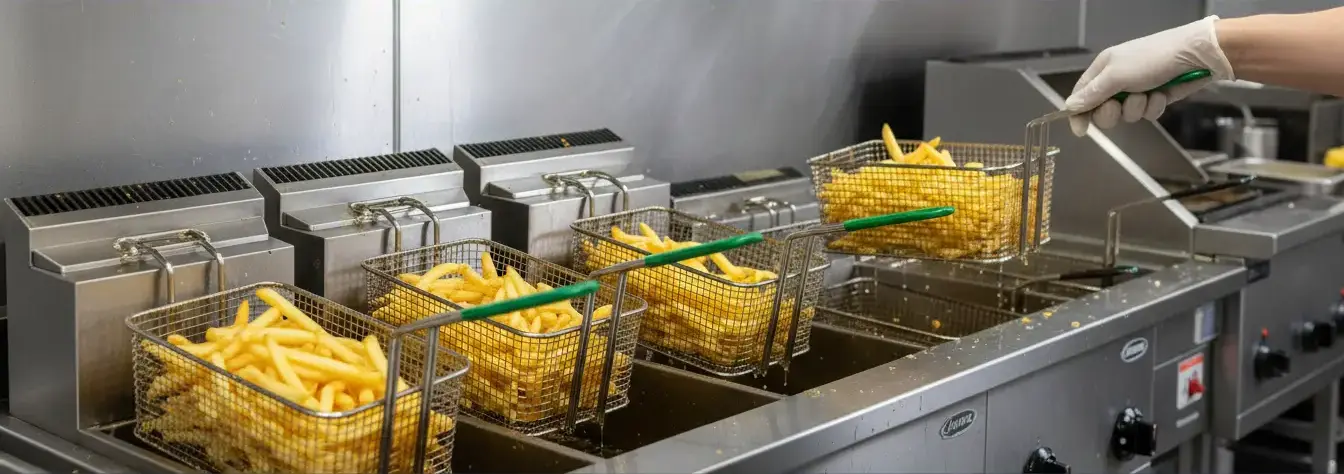
For restaurants in Fontana, managing used cooking oil (UCO) is a critical operational and environmental responsibility. California state law mandates that food service establishments partner with licensed haulers for the proper collection and recycling of this waste stream, turning a potential disposal headache into a resource for renewable products like biodiesel. Navigating these regulations while maximizing the value of your oil requires understanding local requirements, proper on-site handling, and choosing the right recycling partner. This guide outlines the essential steps for compliant and efficient grease and oil management in Fontana's commercial kitchens.
Hesperia Grease Trap Services
Los Angeles, CA
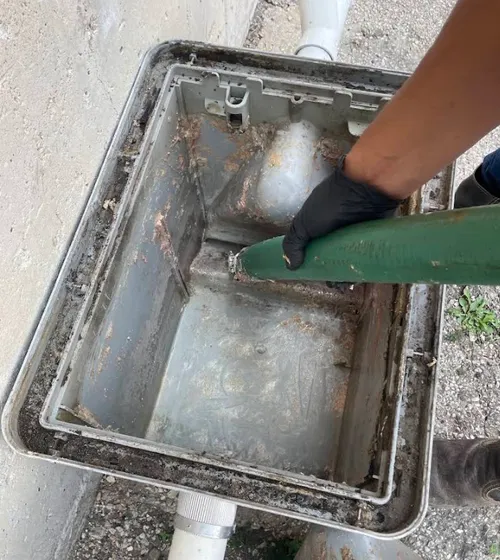
Hesperia Grease Trap Services provides comprehensive grease management solutions for commercial kitchens in Los Angeles, CA. They specialize in grease trap pumping, cleaning, interceptor maintenance, system installation, emergency repairs, and restaurant equipment servicing tailored to meet California environmental regulations. Serving Hesperia and the surrounding Victor Valley region, this locally owned company supports restaurants, cafes, hotels, and commercial facilities throughout San Bernardino County. Their services include high-capacity vacuum pumping, deep system cleaning, and thorough inspections to maintain system efficiency and compliance. They also offer emergency repair services to address grease trap failures and backups quickly, minimizing business disruption.
Grease Co of San Bernardino
1798 5th St, San Bernardino, CA 92411
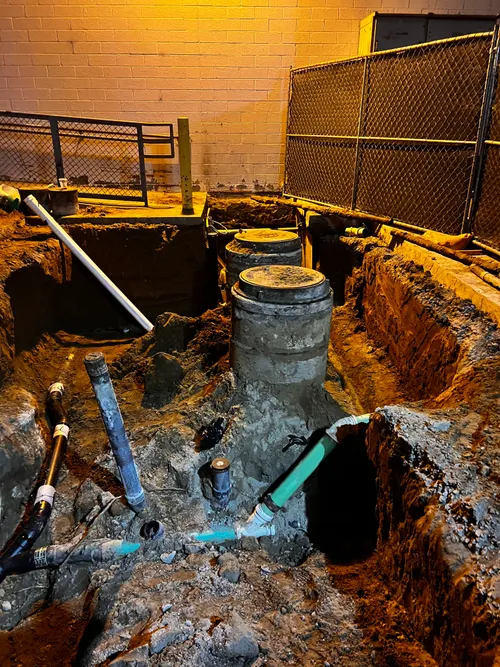
Grease Co of San Bernardino provides grease trap cleaning, interceptor pumping, and used cooking oil collection services for food service establishments in Los Angeles, CA. Serving San Bernardino and Riverside counties, the company offers comprehensive grease waste management solutions including hydro jetting, grease trap repair, and spill cleanup. With nearly two decades of experience, they are licensed by the California Department of Food & Agriculture and provide 24/7 support to address urgent plumbing needs. Their used cooking oil collection service recycles waste oil into biodiesel, promoting sustainability and regulatory compliance.

Longview Environmental Company
Los Angeles, CA
Longview Environmental Company provides kitchen maintenance services in Los Angeles, CA, specializing in used cooking oil collection, grease trap cleaning, and hydro jetting for restaurants, hotels, ghost kitchens, and other food service businesses. Their licensed professionals manage the entire process of used cooking oil recycling and grease trap maintenance, ensuring compliance with environmental regulations. Hydro jetting is offered as an effective method to clear grease and debris from drain lines, helping prevent blockages and operational disruptions. The company emphasizes environmental sustainability by converting waste oil and grease into eco-friendly products.
Co-West Commodities, by Denali
2586 Shenandoah Way, San Bernardino, CA 92407
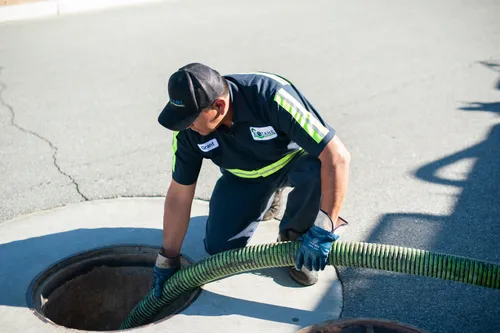
Co-West Commodities, by Denali, provides used cooking oil collection services in Los Angeles, CA. They serve a broad range of clients in the food service industry, including restaurants, schools, theme parks, and military bases throughout the Southwestern United States. Their services include equipment maintenance, waste disposal, and recycling with a focus on converting used cooking oil into renewable resources like biodiesel.
Greenway Recycling Services
5975 Jasmine St, Riverside, CA 92504
Greenway Recycling Services in Eastvale, CA specializes in used cooking oil collection and grease trap cleaning for restaurants and commercial kitchens. They provide eco-friendly cooking oil disposal, routine grease trap pumping, and advanced hot jetting services to maintain clean and efficient kitchen operations. The company focuses on recycling used cooking oil into renewable resources, supporting environmental sustainability. Greenway Recycling Services serves Southern California and offers hassle-free scheduling and prompt collection. Their hot jetting capability uses high-pressure water jets to clear drain lines and grease traps effectively.
Legal Requirements for Oil and Grease Disposal in California
Compliance is non-negotiable. California has strict regulations designed to protect sewer systems and the environment from fat, oil, and grease (FOG) contamination.
- Mandatory Use of Licensed Collectors: It is illegal for restaurants to dispose of used fryer oil or grease trap waste down drains, in dumpsters, or on land. You must contract with a permitted, licensed grease hauler for collection 1. These companies are registered with local authorities and provide crucial documentation proving legal recycling.
- Grease Trap Interceptors: Most commercial kitchens are required to install and maintain grease traps or interceptors. These devices capture grease and solids before they enter the public sewer system, preventing costly blockages and sewer overflows. Regular cleaning and maintenance of these traps by a licensed service are typically part of the legal mandate 2.
- Proper Documentation: Upon each collection, your hauler must provide a manifest or receipt. This document is your proof of compliant disposal and should be kept on file. It details the quantity of oil collected and its destination for recycling.
On-Site Storage and Handling Best Practices
How you handle oil from the fryer to the pickup point directly impacts safety, compliance, and the potential revenue you can earn.
- Use Approved Containers: Store cooled UCO in dedicated, leak-proof, sealed containers provided or approved by your collection company. These are often specialized barrels or drums that are clearly labeled for "Used Cooking Oil" to prevent misuse.
- Maintain a Designated Storage Area: Containers should be kept in a secure, designated area with secondary containment (like a spill pallet) to catch any leaks or drips. This area must be away from storm drains and protected from the elements.
- Ensure Oil Purity for Maximum Value: The single most important factor for turning a cost into revenue is keeping oil clean. Water, food debris, and solvents significantly degrade oil quality. Always allow oil to cool before transferring, use strainers to remove food particles, and never mix oil with water or other liquids 3. High-quality, pure oil is a valuable commodity for recyclers.
- Practice Safe Transfer: Use tools like spill-resistant oil caddies or pumps to safely move hot oil from fryers to storage containers. This minimizes burn risks and prevents spills.
The Collection and Recycling Process
Understanding what happens after pickup can highlight the importance of choosing a responsible partner.
- Scheduled Pickup: Your licensed collector will schedule regular pickups (e.g., weekly, bi-weekly, monthly) based on your volume. They will service your sealed storage containers and grease traps.
- Transportation to Facility: The collected oil and grease are transported in specialized trucks to a processing or transfer facility.
- Recycling into New Products: At the facility, the material is processed. High-quality used cooking oil is a primary feedstock for biodiesel production, a cleaner-burning renewable fuel. It can also be refined into animal feed supplements, industrial lubricants, or other bio-based products 4. This circular economy model is the cornerstone of compliant UCO management.
Understanding Costs and Potential Revenue
The financial model for used cooking oil collection in Fontana typically operates on a spectrum, influenced heavily by the quality and volume of oil you generate.
- Service Fee Model: Some providers charge a monthly service fee for collection, which can range from approximately $50 to $200 or more, depending on the frequency of service and the number of containers serviced. This is common for lower-volume establishments or when oil quality is inconsistent.
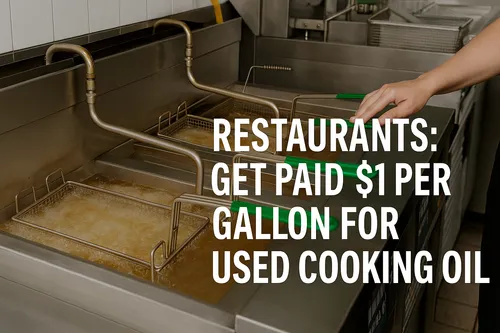
- Revenue Generation Model: Restaurants that generate significant volumes of clean, well-maintained oil can often earn revenue from their waste. Collection companies may pay for this premium feedstock, with rates varying based on market conditions. Payments can range from around $0.10 to over $0.65 per gallon, with higher volumes (e.g., over 100 gallons per month) often commanding better rates 5 6 7.
- Key Factor: Quality Dictates Value: The difference between paying a fee and receiving a check often comes down to purity. Contaminated oil requires more processing and is less valuable, frequently resulting in a service charge. Investing in proper handling and storage directly improves your bottom line.
Find the perfect used cooking oil collection companies for your needs
Get personalized recommendations and expert advice
Choosing a Recycling Partner in Southern California
Selecting the right service provider is crucial for seamless operations. Look for a company that is fully licensed and permitted to operate in San Bernardino County and the City of Fontana. They should offer clear contracts, reliable on-time pickups, and provide all necessary documentation, including weight tickets or manifests. Established providers in the Southern California region, such as Baker Commodities or The Grease Company, have the infrastructure to ensure your oil is recycled in accordance with all state and federal regulations 8 9. A good partner will also offer guidance on best practices to help you improve oil quality and operational efficiency.
Environmental and Community Impact
Proper used cooking oil collection extends far beyond restaurant compliance. By ensuring your oil is recycled, you contribute directly to regional environmental goals. Biodiesel produced from UCO burns cleaner than petroleum diesel, reducing greenhouse gas emissions and particulate matter. Furthermore, keeping grease out of Fontana's sewer infrastructure prevents sanitary sewer overflows, which can contaminate local waterways and create public health hazards. Responsible management protects community resources and supports California's broader sustainability initiatives.
Frequently asked questions
Sources
Footnotes
-
Navigating Legal Requirements for Used Cooking Oil Disposal - https://bakercommodities.com/blog/2024/02/08/legal-requirement-used-cooking-grease/ ↩
-
Curbside Used Oil & Filter Collection - Fontana, CA - https://www.fontanaca.gov/607/Curbside-Used-Oil-Filter-Collection ↩
-
What Restaurants Should Know About California Oil Disposal ... - https://startgreencommodities.com/post/restaurant-grease-trap-requirements ↩
-
Used Cooking Oil Disposal: Complete Guide to Grease Pickups - https://greaseconnections.com/used-cooking-oil-disposal-guide-grease-pickups/ ↩
-
Restaurant Used Cooking Oil Recycling & Disposal Guide - https://greaseconnections.com/restaurant-used-cooking-oil-disposal-recycling-revenue-guide/ ↩
-
Used Cooking Oil Pickup vs Drop-Off-What's Best for Restaurants? - https://www.greaseprosrecycling.com/used-cooking-oil-pickup-vs-drop-off/ ↩
-
Used Cooking Oil Pricing & Business Guide - Grease Connections - https://greaseconnections.com/used-cooking-oil-pricing-guide/ ↩
-
Southern California Commercial Kitchen Cooking Oil recycling ... - https://thegreasecompany.com/blog/how-the-grease-is-protecting-you-by-recycling-cooking-oil/2/ ↩
-
Are there any legal regulations in place regarding the disposal and ... - https://www.quora.com/Are-there-any-legal-regulations-in-place-regarding-the-disposal-and-recycling-of-used-cooking-oil-from-restaurants ↩