Find the Best Used Cooking Oil Collection Companies for Your Business
No obligation • Fast responses • Nationwide coverage

Why you can trust Restaurant Waste Disposal
Restaurant Waste Disposal is a leading U.S. resource for comparing restaurant composting, food-waste recycling, grease trap cleaning, and used cooking oil collection services. Our editorial team researches providers, checks credentials, and organizes unbiased information so operators can make informed decisions. Companies cannot pay to change ratings or placement.
Search providers near you
Top Used Cooking Oil Collection Companies in El Monte, California Ranked
For restaurant owners and food service operators in El Monte, managing used cooking oil (UCO) is more than just a kitchen chore-it's a regulated component of daily operations with significant environmental and financial implications. Properly handling your waste oil and grease is not only a legal requirement under California's SB 1383 but also a key step toward sustainability and operational efficiency. By partnering with a licensed hauler, you can transform a waste product into valuable resources like biodiesel, ensure compliance with local ordinances, and potentially generate revenue. This guide outlines the essential steps, rules, and benefits of establishing a reliable used cooking oil collection system for your El Monte business.
The Grease Bucket
Los Angeles, CA
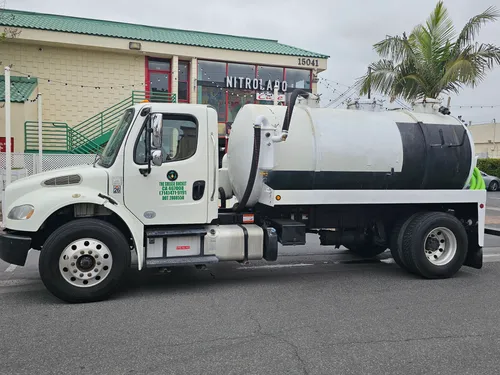
The Grease Bucket provides grease trap cleaning and used cooking oil collection services in Los Angeles, CA. They serve restaurants across Orange County, Los Angeles, San Bernardino, and the Inland Empire area. The company schedules regular collection intervals to prevent overflows and maintains grease interceptors to avoid drain clogs and odors. They recycle used cooking oil into renewable resources, supporting environmental sustainability. The Grease Bucket has been serving customers for over six years and offers emergency pickups when needed during normal business hours.
Trinity Oil & Grease Recycling
Los Angeles, CA
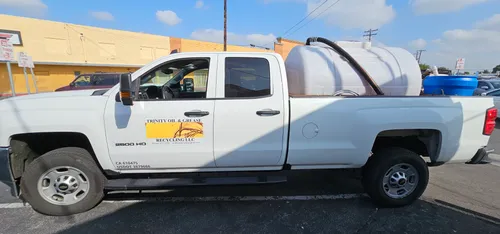
Trinity Oil & Grease Recycling provides used cooking oil collection and grease trap cleaning services in Los Angeles, CA. They offer on-call and scheduled pickups with 24-hour availability across Los Angeles County, Orange County, and Ventura County. Their services include recovery, transportation, disposal, and recycling of kitchen oil and grease, along with high-pressure washing for grease spills and property cleanliness. They supply grease and oil storage containers ranging from 15 to 200 gallons with no minimum amount required for collection. Trinity Oil & Grease Recycling also provides manifest reports as proof of collection to help clients maintain compliance with health and wastewater regulations.
The Grease Company
1116 N Harbor Blvd, Santa Ana, CA 92703
The Grease Company provides grease trap cleaning, repair, and used cooking oil collection services in Los Angeles, CA. They specialize in maintaining commercial kitchen grease traps to prevent clogs and ensure compliance with sanitation regulations. Their capabilities include hydro jetting and environmentally responsible cooking oil disposal. With 12 years of experience, The Grease Company is licensed to serve Southern California and offers transparent pricing and free quotes.
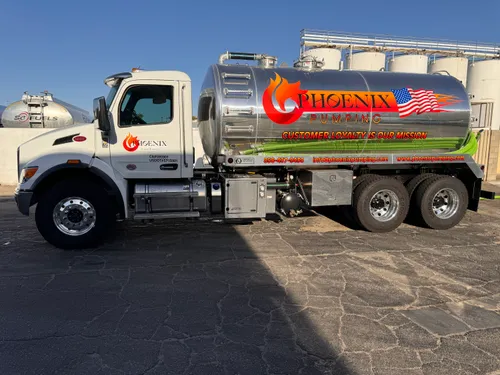
Phoenix Pumping LLC
3131 E Palmyra Ave, Orange, CA 92869
Phoenix Pumping LLC offers cooking oil recycling and grease trap cleaning services in Los Angeles, CA, extending coverage to Southern California counties as well as Arizona and Nevada. The company serves large restaurant chains and facilities with multiple kitchens, providing licensed grease trap cleaning including large outdoor installations. With over a decade of experience, Phoenix Pumping transforms used cooking oil into renewable diesel with a significantly lower carbon footprint. They provide 24/7 availability and a single point of contact for all service needs.
Skyline Grease Services
Los Angeles, CA
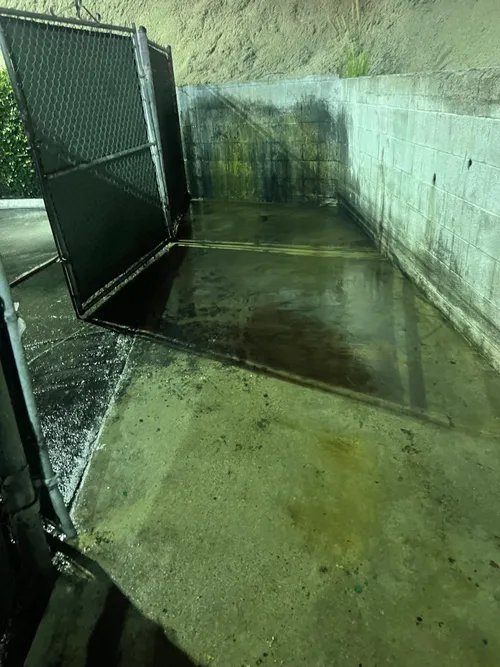
Skyline Grease Services provides used cooking oil collection and grease trap cleaning in Los Angeles, CA. They handle grease trap maintenance and oil collection to support local businesses in managing waste effectively.
Understanding El Monte's Regulations for Oil and Grease
Compliance begins with understanding local mandates. El Monte's Ordinance #3006, which implements California's statewide organic waste recycling law (SB 1383), requires all commercial businesses, including restaurants, to subscribe to services for organic waste reduction 1. This legally mandates the proper recycling of used cooking oil, categorizing it as a recoverable organic material. Failure to comply can result in penalties. The core rules are designed to protect the city's sewer infrastructure and environment. You must never pour used oil or grease down drains, into toilets, or onto the ground, as this leads to sewer blockages, costly repairs, and water contamination. Proper containerization is also required: oil must be stored in sturdy, leak-proof containers (like the original drums or dedicated receptacles) that are kept sealed and clearly labeled 2. For scheduled pickup, containers should be placed curbside or within two feet of an alley only shortly before the hauler's arrival to avoid spills or nuisances3.
The Consequences of Improper Disposal
Ignoring these regulations carries risks beyond fines. Pouring fats, oils, and grease (FOG) down drains is a primary cause of sewer overflows, which can lead to property damage and environmental harm. For your business, it can also mean expensive plumbing emergencies and increased maintenance costs. Furthermore, lacking proper documentation-such as disposal manifests from a licensed hauler-leaves you vulnerable during compliance audits4. Establishing a correct disposal protocol from the start mitigates these operational and legal risks.
The Step-by-Step Process for Oil Pickup and Recycling
Implementing a compliant used frying oil management system involves a clear, ongoing partnership with a professional service.
- Contract a Licensed Hauler: Your first step is to contract with a California-licensed used cooking oil collector or renderer. These specialized companies have the equipment and permits to handle UCO legally and safely. You can find providers by searching for terms like "Used Cooking Oil Recycling Los Angeles" or looking under "Renderers" in business directories.
- On-Site Storage and Collection: Your hauler will typically provide or recommend appropriate storage containers. You'll store cooled oil in these leak-proof, labeled containers in a designated area away from storm drains. On the scheduled pickup day, the hauler's technician will service your location, using specialized equipment like vacuum trucks to collect the oil5.
- Receipt and Documentation: After each collection, you should receive a manifest or receipt. This document is crucial as it serves as your proof of lawful recycling and is essential for record-keeping and demonstrating compliance with SB 1383 requirements 6.
- Transformation into Biofuel: The collected oil doesn't go to a landfill. Instead, it is transported to processing facilities where it is cleaned and converted into valuable products. The primary end product is biodiesel, a renewable fuel, but it can also be processed into renewable diesel or even sustainable aviation fuel (SAF), contributing to a circular economy.
Financial Considerations: Costs, Rebates, and Value
The financial model for used cooking oil collection can vary, but it often benefits the restaurant. For businesses generating significant volumes (typically over 100 gallons per month), collection is frequently free, and you may even earn a rebate based on the market value of the oil 7. Rebate rates can fluctuate but often range from a few cents per gallon. The revenue comes from the commodity value of the UCO as a feedstock for biofuel.
For establishments with lower oil output, some haulers may charge a modest service fee to cover transportation and handling costs8. It's important to view this not just as an expense but as a cost-effective waste management solution that eliminates disposal headaches and liability. Compared to the potential fines and plumbing costs associated with improper disposal, a professional pickup service offers clear financial and risk-management benefits. Some companies may bundle grease trap cleaning services with oil collection, which can be a convenient and comprehensive solution for your FOG management needs9.
Find the perfect used cooking oil collection companies for your needs
Get personalized recommendations and expert advice
Best Practices for On-Site Oil Management
Maximizing safety, efficiency, and compliance starts in your own kitchen. Always allow oil to cool completely before transferring it to a storage container to prevent burns and container damage. Use a dedicated, finely-mesh strainer to remove food particles during transfer; this improves the quality of the oil for recycling. Clearly label all storage containers with "Used Cooking Oil Only" to prevent cross-contamination with other liquids. Designate a specific, level storage area that is protected from the elements, away from high-traffic zones, and inaccessible to pests. Most importantly, maintain a consistent schedule with your hauler to prevent overfilling and spills. Establishing these internal protocols ensures a smooth handoff to your collection provider and maintains a safe, clean workspace.
Choosing a Reliable Collection Partner in El Monte
Selecting the right service provider is critical. Always verify that the hauler holds a valid license from the appropriate California state agencies to transport used cooking oil and grease10. Inquire about their recycling endpoints to ensure your oil is being processed into biofuel, not simply landfilled. A reputable company will be transparent about their process. Review the service agreement carefully, noting pickup frequency, container provisioning, and the financial terms (whether it's a rebate program or a fee-for-service). Finally, assess their customer service reliability-prompt communication and consistent, documented pickups are hallmarks of a trustworthy partner. Checking references from other local restaurants can provide valuable insight into a provider's performance.
The Environmental Impact of Proper UCO Recycling
Choosing professional used cooking oil collection is a direct contribution to environmental sustainability. When UCO is recycled into biodiesel, it creates a fuel that burns cleaner than petroleum diesel, reducing greenhouse gas emissions and particulate matter pollution11. This process also diverts a significant waste stream from landfills and wastewater treatment systems. By ensuring your oil is converted into energy, you are participating in a circular economy that reduces reliance on fossil fuels and minimizes your restaurant's overall carbon footprint. It's a tangible way for your business to support California's ambitious climate goals and demonstrate environmental stewardship to your community.
Frequently asked questions
Sources
Footnotes
-
NEW FOOD & YARD WASTE RULES - SB 1383 - El Monte, CA - https://www.ci.el-monte.ca.us/DocumentCenter/View/5309/El-Monte-SB-1383---Residential-?bidId= ↩
-
Used Cooking Oil Recycling | Solid Waste Authority of Palm Beach ... - https://www.swa.org/173/Used-Cooking-Oil ↩
-
City of South El Monte, CA Residential Collection and Recycling - https://ecode360.com/44544421 ↩
-
What Restaurants Should Know About California Oil Disposal ... - https://startgreencommodities.com/post/restaurant-grease-trap-requirements ↩
-
Cooking Oil Collection & Grease Recycling Service - https://thegreasecompany.com/oilcollection.html ↩
-
Used Cooking Oil Collection Los Angeles - Pick Up & Recycling. - https://greasemanagement.org/oilcollectionlosangeles.html ↩
-
Used Cooking Oil Collection / Pick Up & Recycling. - https://greasemanagement.org/usedoilcollection.html ↩
-
Restaurant Used Cooking Oil: Disposal, Recycling & Revenue Guide - https://greaseconnections.com/restaurant-used-cooking-oil-disposal-recycling-revenue-guide/ ↩
-
Restaurant Grease Pick Up and Disposal Services in Los Angeles, CA - https://www.mahoneyes.com/fryer-oil-disposal-recycling-los-angeles-ca/ ↩
-
Food Service Industry | El Monte, CA - https://www.ci.el-monte.ca.us/313/Food-Service-Industry ↩
-
Used Cooking Oil (UCO) Collection Service For Restaurants - https://thegreasecompany.com/blog/restaurant-used-cooking-oil-collection/ ↩