Find the Best Used Cooking Oil Collection Companies for Your Business
No obligation • Fast responses • Nationwide coverage

Why you can trust Restaurant Waste Disposal
Restaurant Waste Disposal is a leading U.S. resource for comparing restaurant composting, food-waste recycling, grease trap cleaning, and used cooking oil collection services. Our editorial team researches providers, checks credentials, and organizes unbiased information so operators can make informed decisions. Companies cannot pay to change ratings or placement.
Search providers near you
Top Used Cooking Oil Collection Companies in Downey, California Ranked
For restaurants and food service businesses in Downey, managing used cooking oil (UCO) is a critical operational and environmental responsibility. California state regulations mandate that UCO be handled as a hazardous waste, requiring proper storage and disposal through licensed haulers to avoid significant fines and environmental harm. The good news is that this waste stream can be transformed into a valuable resource, primarily biodiesel, through professional collection and recycling services available throughout the Los Angeles area. Establishing a reliable partnership with a certified collector ensures compliance, prevents costly plumbing issues, and can even provide a potential revenue stream or cost savings.
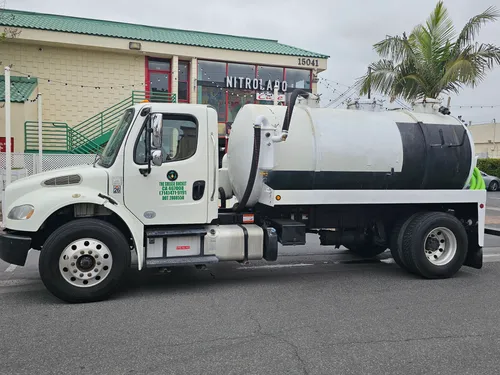
The Grease Bucket
Los Angeles, CA
The Grease Bucket provides grease trap cleaning and used cooking oil collection services in Los Angeles, CA. They serve restaurants across Orange County, Los Angeles, San Bernardino, and the Inland Empire area. The company schedules regular collection intervals to prevent overflows and maintains grease interceptors to avoid drain clogs and odors. They recycle used cooking oil into renewable resources, supporting environmental sustainability. The Grease Bucket has been serving customers for over six years and offers emergency pickups when needed during normal business hours.
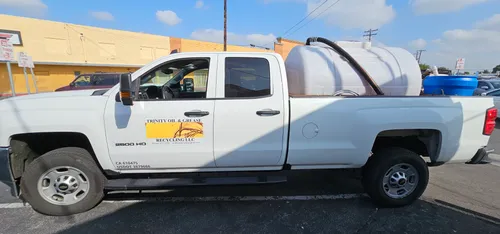
Trinity Oil & Grease Recycling
Los Angeles, CA
Trinity Oil & Grease Recycling provides used cooking oil collection and grease trap cleaning services in Los Angeles, CA. They offer on-call and scheduled pickups with 24-hour availability across Los Angeles County, Orange County, and Ventura County. Their services include recovery, transportation, disposal, and recycling of kitchen oil and grease, along with high-pressure washing for grease spills and property cleanliness. They supply grease and oil storage containers ranging from 15 to 200 gallons with no minimum amount required for collection. Trinity Oil & Grease Recycling also provides manifest reports as proof of collection to help clients maintain compliance with health and wastewater regulations.
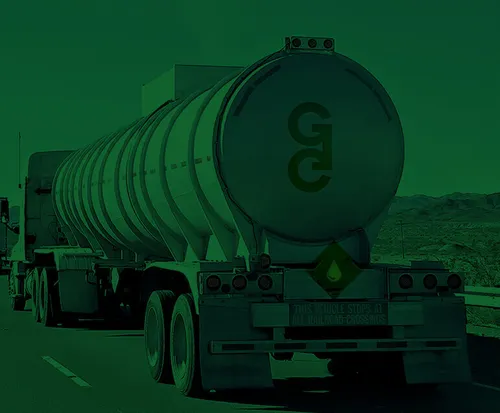
The Grease Company
1116 N Harbor Blvd, Santa Ana, CA 92703
The Grease Company provides grease trap cleaning, repair, and used cooking oil collection services in Los Angeles, CA. They specialize in maintaining commercial kitchen grease traps to prevent clogs and ensure compliance with sanitation regulations. Their capabilities include hydro jetting and environmentally responsible cooking oil disposal. With 12 years of experience, The Grease Company is licensed to serve Southern California and offers transparent pricing and free quotes.
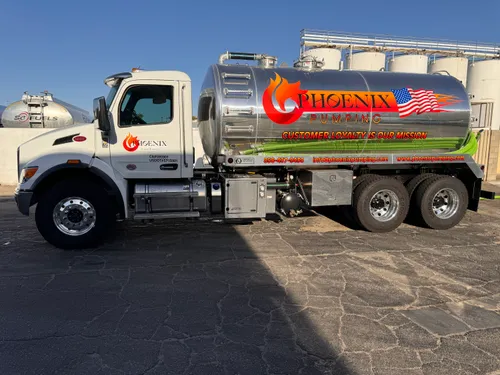
Phoenix Pumping LLC
3131 E Palmyra Ave, Orange, CA 92869
Phoenix Pumping LLC offers cooking oil recycling and grease trap cleaning services in Los Angeles, CA, extending coverage to Southern California counties as well as Arizona and Nevada. The company serves large restaurant chains and facilities with multiple kitchens, providing licensed grease trap cleaning including large outdoor installations. With over a decade of experience, Phoenix Pumping transforms used cooking oil into renewable diesel with a significantly lower carbon footprint. They provide 24/7 availability and a single point of contact for all service needs.
Skyline Grease Services
Los Angeles, CA
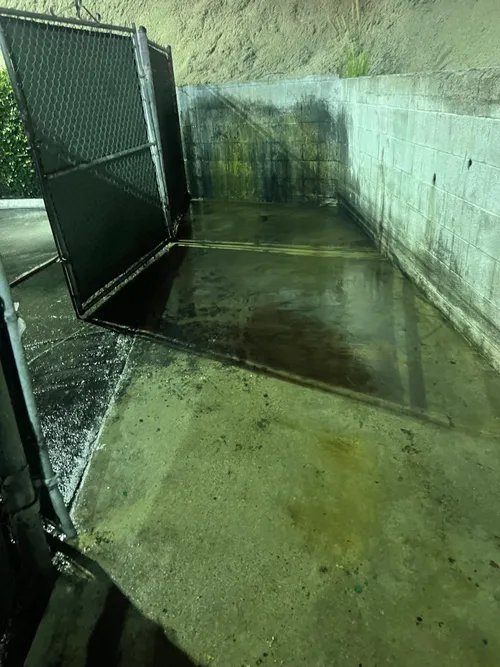
Skyline Grease Services provides used cooking oil collection and grease trap cleaning in Los Angeles, CA. They handle grease trap maintenance and oil collection to support local businesses in managing waste effectively.
Understanding California and Downey Regulations
In California, used cooking oil is not ordinary trash. The Department of Toxic Substances Control (DTSC) regulates its management to prevent contamination of waterways and landfills 1. Pouring oil down drains is strictly prohibited, as it leads to sewer blockages-known as fatbergs-and can result in severe penalties from local sanitation districts. Similarly, disposing of UCO with regular solid waste is illegal. For businesses in Downey, this means having a formal plan for UCO that involves on-site storage and scheduled pickups by an authorized hauler. Adhering to these rules isn't just about avoiding fines; it's a key part of responsible business operations in the community.
Proper On-Site Storage and Container Management
The first step in compliant UCO management is secure, on-site storage. After oil has cooled, it should be transferred into dedicated, leak-proof containers, typically barrels or drums provided by your collection service. These containers must be kept in a designated area, often a locked outdoor enclosure or a secure indoor space, to prevent spills, accidents, and theft. Theft of used cooking oil is a concern, as it has value on the recycling market; using pipe locks or other security measures on container lids is a recommended best practice.
It is crucial to keep this fryer oil separate from other kitchen wastes. Fats, oils, and grease (FOG) that are scraped from plates or collected in grease traps under sinks are a different, more problematic waste stream. This material is often mixed with food solids and detergents, making it acidic and unsuitable for the same recycling process as pure fryer oil. Contaminating your UCO with FOG or food scraps significantly reduces its value for biodiesel production and can lead to higher service fees or the rejection of a pickup.
The Collection and Recycling Process
Once you have stored enough oil, the collection process begins. A licensed hauler will visit your establishment on a pre-arranged schedule-whether weekly, bi-weekly, or monthly-to pump or swap out your full containers 2. These companies are equipped with specialized trucks to transport the oil safely. The collected UCO is then taken to a recycling facility where it undergoes processing to remove impurities and water.
The primary end product for recycled cooking oil is biodiesel, a renewable fuel that powers vehicles and reduces reliance on fossil fuels 3. Other potential products include animal feed supplements, industrial lubricants, and soaps. By participating in this circular economy, Downey restaurants directly contribute to California's sustainability goals and reduce the environmental footprint of their operations.
Cost Structure: Rebates, Fees, and Free Pickup
The financial aspect of UCO collection varies based on your restaurant's volume and oil quality. Many services offer free pickup for establishments generating smaller amounts, as the recycler's revenue from the processed oil covers the service cost 4 5. For larger volume producers, there is often an opportunity to earn a rebate. Rebate rates fluctuate with commodity markets but can provide a small income stream for your business 6.
Conversely, fees may apply in certain situations. If your volume is very low but requires special trip scheduling, or if your oil is heavily contaminated with water or FOG, a service charge may be incurred. These fees, which can range significantly, highlight the importance of proper oil segregation and storage 7 8. The most significant cost avoidance, however, comes from preventing fines for illegal disposal and avoiding exorbitant emergency fees for cleaning severely clogged grease traps caused by improper oil disposal down drains 9.
Find the perfect used cooking oil collection companies for your needs
Get personalized recommendations and expert advice
Benefits of Partnering with a Licensed Hauler
Working with a professional, licensed used cooking oil collection service provides multiple layers of benefit for a Downey restaurant:
- Regulatory Compliance: Licensed haulers provide the necessary documentation (manifests) that prove your UCO is being handled and disposed of according to California law, protecting you from liability and fines 10.
- Operational Reliability: Scheduled, automatic pickups ensure your storage containers never overflow, keeping your kitchen clean, safe, and efficient.
- Optimal Recycling Value: Professionals handle the oil correctly from pickup to processing, ensuring it meets the quality standards for biodiesel production, which supports higher rebate potential and better environmental outcomes 11 12.
- Theft Deterrence: Secure, company-owned containers and monitored pickup schedules help deter the theft of your used oil.
- Environmental Stewardship: You gain the certainty that your kitchen's byproduct is being converted into renewable energy, enhancing your business's sustainability profile.
Grease Trap Cleaning vs. Fryer Oil Collection
A common point of confusion is the difference between grease trap (or interceptor) cleaning and used cooking oil collection. They are separate services for distinct waste streams:
- Grease Traps/FOG: Collect the fats, oils, and grease that wash off dishes and pans. This material is semi-solid, mixed with food debris and soap, and must be regularly pumped out by a specialized service to prevent sewer backups. This service is typically a required, fee-based expense 13.
- Used Fryer Oil: Comes directly from deep fryers and is a liquid at room temperature. When kept pure, it is a recyclable commodity. Properly managing your UCO collection can actually reduce the burden and cleaning frequency of your grease traps by preventing fryer oil from entering the drain system in the first place.
Choosing a Service Provider in the Downey Area
When selecting a used cooking oil collection partner, consider the following:
- Licensing & Insurance: Verify the hauler is fully licensed by the state of California and carries appropriate insurance.
- Service Schedule: Choose a pickup frequency that matches your oil production volume to avoid overflow.
- Container Provision: Ensure they provide sturdy, leak-proof containers and secure locking mechanisms.
- Transparent Terms: Understand the agreement clearly-whether it's a rebate program, a free service, or a fee-based structure, and what conditions might affect it (e.g., contamination clauses).
- Local Reputation: Look for providers with experience serving the greater Los Angeles and Downey restaurant community, as they will be most familiar with local regulations and logistics.
Frequently asked questions
Sources
Footnotes
-
FAQs for Used Oil Collection Centers - https://dtsc.ca.gov/faqs-for-used-oil-collection-centers/ ↩
-
Used Cooking Oil (UCO) Collection Service For Restaurants - https://thegreasecompany.com/blog/restaurant-used-cooking-oil-collection/ ↩
-
Restaurant Pollution Prevention - Union Sanitary District - CA.gov - https://unionsanitary.ca.gov/businesses/restaurant-program/restaurant-pollution-prevention/ ↩
-
Trash & Recycling | City of Downey, CA - https://www.downeyca.org/i-want-to/get/recycling-trash-info ↩
-
Used Cooking Oil Pickup vs Drop-Off-What's Best for Restaurants? - https://www.greaseprosrecycling.com/used-cooking-oil-pickup-vs-drop-off/ ↩
-
Used Cooking Oil Regulations for Food Service Businesses - https://bakercommodities.com/blog/2024/02/08/legal-requirement-used-cooking-grease/ ↩
-
Used Cooking Oil Collection Los Angeles - Pick Up & Recycling. - https://greasemanagement.org/oilcollectionlosangeles.html ↩
-
Restaurant Used Cooking Oil: Disposal, Recycling & Revenue Guide - https://greaseconnections.com/restaurant-used-cooking-oil-disposal-recycling-revenue-guide/ ↩
-
Restaurant Oil Disposal: Explained - Eazy Grease - https://eazygrease.com/how-do-restaurants-get-rid-of-their-oil/ ↩
-
Restaurant Grease Pick Up and Disposal Services in Los Angeles, CA - https://www.mahoneyes.com/fryer-oil-disposal-recycling-los-angeles-ca/ ↩
-
Cooking Oil Collection & Grease Recycling Service - https://thegreasecompany.com/oilcollection.html ↩
-
Southern California Commercial Kitchen Cooking Oil recycling ... - https://thegreasecompany.com/blog/how-the-grease-is-protecting-you-by-recycling-cooking-oil/2/ ↩
-
Clear Away the FOG (Fats, Oils and Grease) - https://wpwma.ca.gov/clear-away-the-fog-fats-oils-and-grease/ ↩