
Find the Best Used Cooking Oil Collection Companies for Your Business
No obligation • Fast responses • Nationwide coverage

Why you can trust Restaurant Waste Disposal
Restaurant Waste Disposal is a leading U.S. resource for comparing restaurant composting, food-waste recycling, grease trap cleaning, and used cooking oil collection services. Our editorial team researches providers, checks credentials, and organizes unbiased information so operators can make informed decisions. Companies cannot pay to change ratings or placement.
Search providers near you
Top Used Cooking Oil Collection Companies in Diamond Bar, California Ranked
For restaurants and food service businesses in Diamond Bar, managing used cooking oil (UCO) is a critical operational and environmental responsibility. Unlike residential food scraps, this material is regulated as a hazardous waste stream and requires specialized handling by certified professionals. Proper grease trap and fryer oil management is not just about disposal; it's a state-mandated process that, when done correctly, can turn a waste product into valuable biodiesel feedstock. This guide outlines the essential steps for compliance, from secure storage and certified hauler partnerships to the documentation required by California law, ensuring your business operates smoothly and sustainably.
The Grease Bucket
Los Angeles, CA
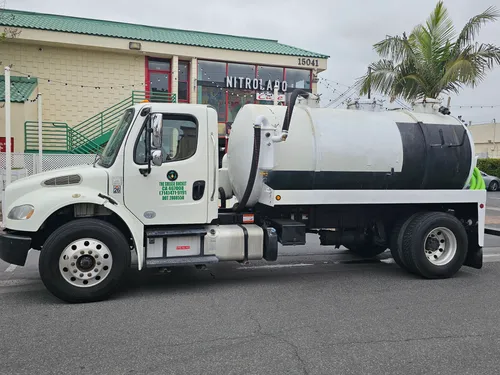
The Grease Bucket provides grease trap cleaning and used cooking oil collection services in Los Angeles, CA. They serve restaurants across Orange County, Los Angeles, San Bernardino, and the Inland Empire area. The company schedules regular collection intervals to prevent overflows and maintains grease interceptors to avoid drain clogs and odors. They recycle used cooking oil into renewable resources, supporting environmental sustainability. The Grease Bucket has been serving customers for over six years and offers emergency pickups when needed during normal business hours.
Trinity Oil & Grease Recycling
Los Angeles, CA
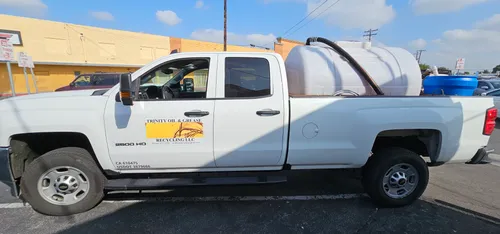
Trinity Oil & Grease Recycling provides used cooking oil collection and grease trap cleaning services in Los Angeles, CA. They offer on-call and scheduled pickups with 24-hour availability across Los Angeles County, Orange County, and Ventura County. Their services include recovery, transportation, disposal, and recycling of kitchen oil and grease, along with high-pressure washing for grease spills and property cleanliness. They supply grease and oil storage containers ranging from 15 to 200 gallons with no minimum amount required for collection. Trinity Oil & Grease Recycling also provides manifest reports as proof of collection to help clients maintain compliance with health and wastewater regulations.
The Grease Company
1116 N Harbor Blvd, Santa Ana, CA 92703
The Grease Company provides grease trap cleaning, repair, and used cooking oil collection services in Los Angeles, CA. They specialize in maintaining commercial kitchen grease traps to prevent clogs and ensure compliance with sanitation regulations. Their capabilities include hydro jetting and environmentally responsible cooking oil disposal. With 12 years of experience, The Grease Company is licensed to serve Southern California and offers transparent pricing and free quotes.
Phoenix Pumping LLC
3131 E Palmyra Ave, Orange, CA 92869
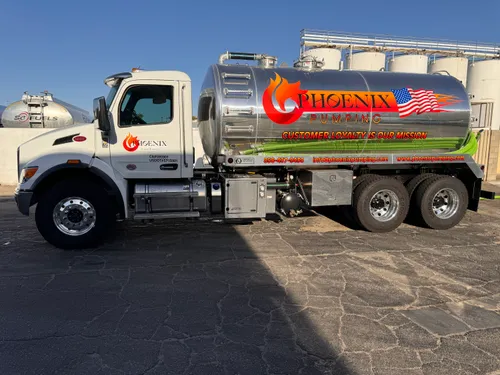
Phoenix Pumping LLC offers cooking oil recycling and grease trap cleaning services in Los Angeles, CA, extending coverage to Southern California counties as well as Arizona and Nevada. The company serves large restaurant chains and facilities with multiple kitchens, providing licensed grease trap cleaning including large outdoor installations. With over a decade of experience, Phoenix Pumping transforms used cooking oil into renewable diesel with a significantly lower carbon footprint. They provide 24/7 availability and a single point of contact for all service needs.
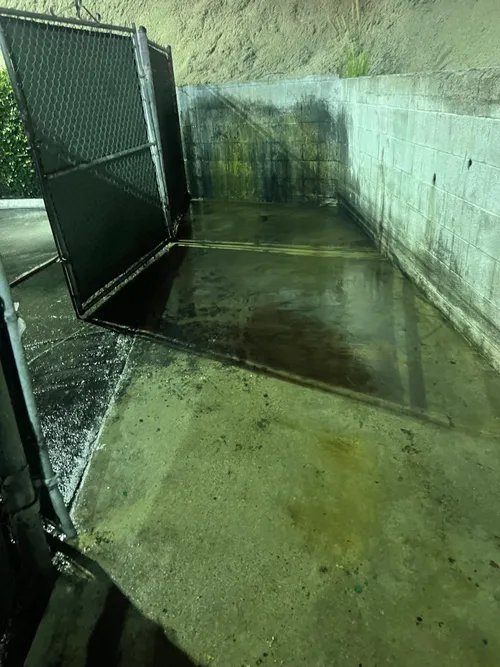
Skyline Grease Services
Los Angeles, CA
Skyline Grease Services provides used cooking oil collection and grease trap cleaning in Los Angeles, CA. They handle grease trap maintenance and oil collection to support local businesses in managing waste effectively.
Understanding California's Regulatory Framework
In California, used cooking oil and grease are not considered standard organic waste. They fall under specific hazardous waste regulations and are excluded from the commercial organics recycling requirements mandated by SB 1383 1. This distinction is crucial for Diamond Bar businesses. While SB 1383 requires you to have separate bins for trash, recycling, and organics (like food scraps and yard waste), your fryer oil and grease trap waste must be handled through a separate, dedicated channel.
The primary regulatory body for this stream is the California Department of Food and Agriculture (CDFA). Any company that collects, transports, or processes waste cooking grease for recycling must be certified by the CDFA. Working with a non-certified hauler can lead to significant compliance issues for your business. Furthermore, as the generator of this waste, your restaurant is responsible for maintaining detailed records of every pickup, a process we will detail in a later section.
The Step-by-Step Process for Restaurant Oil Management
A successful used cooking oil program involves a clear, consistent workflow from your kitchen to the recycling facility.
1. Filtration and Cooling: After use, oil should be carefully filtered to remove food particles and allowed to cool completely. This preliminary step prevents fires, reduces odors, and prepares the oil for storage.
2. Secure Storage: Proper storage is non-negotiable for safety and compliance. Used oil must be kept in dedicated, airtight, and sealed containers, typically heavy-duty drums or specialized containers provided by your collection service 2. These should be stored in a cool, secure area. To prevent theft-as used oil has value on the commodities market-containers are often equipped with locks or specialized security fittings 3.
3. Scheduled Pickup: You will partner with a licensed UCO collection service that will establish a regular pickup schedule based on your volume. Reliable services ensure your containers never overflow, which is a spill hazard and a violation.
4. Recycling and Processing: The collected oil is transported to a processing facility where it is converted into products like biodiesel, renewable diesel, or animal feed supplements. This circular economy model is a key benefit, turning a waste product into clean energy.
Compliance and Required Documentation
One of the most important aspects of UCO collection is record-keeping. California law requires generators to maintain specific documentation for each pickup 4 5. Your hauler should provide you with a manifest or invoice for every collection, and you must keep these records on file. Key details to verify on each document include:
- The date of collection.
- The volume or weight of oil collected.
- Your restaurant's name and address.
- The name and signature of the driver.
- The CDFA certification number of the hauler.
These records demonstrate your compliance with state regulations and are essential during inspections. Failure to maintain them can result in fines.
The Financial and Environmental Benefits
A well-managed used cooking oil program is typically cost-neutral or can even become a small revenue stream for your business. Because the collected oil is a valuable commodity for biofuel production, most reputable collection services offer free pickup 6 7. Some may even share a portion of the commodity revenue with high-volume generators 8. The primary "cost" is your time invested in proper management and compliance, which is far outweighed by the avoided costs of improper disposal, potential fines, and environmental damage.
Environmentally, recycling used cooking oil is a significant win. It diverts material from landfills and wastewater systems, where it can cause severe blockages and pollution. By being converted into biodiesel, it directly offsets the use of fossil fuels, reducing greenhouse gas emissions 9 10. For a business in Diamond Bar, this is a tangible way to enhance your sustainability profile and contribute to California's clean energy goals.
Find the perfect used cooking oil collection companies for your needs
Get personalized recommendations and expert advice
Choosing a Certified Collection Partner in Diamond Bar
The City of Diamond Bar's municipal programs focus on residential recycling, such as used motor oil collection 11 12. For commercial used cooking oil, the city directs businesses to arrange services with licensed private haulers. When selecting a partner, due diligence is essential.
Verification Checklist:
- CDFA Certification: Always ask for and verify the company's current CDFA certification number.
- Service Reliability: Inquire about pickup schedules, contingency plans for missed pickups, and customer service responsiveness.
- Container Provision: Many services provide locked, secure containers as part of their service. Confirm what is included.
- Documentation Practices: Ensure they provide clear, detailed manifests or invoices with every collection to support your record-keeping.
- Local Reputation: Look for companies with experience serving the Los Angeles County and Inland Empire regions, as they will be familiar with local logistics and regulations.
Performing an online search for terms like "certified used cooking oil collection California" or "commercial grease collection service Diamond Bar" can provide a list of potential vendors to evaluate 13.
Common Pitfalls and Best Practices
Avoid these frequent mistakes to ensure a smooth operation:
- Mixing Waste Streams: Never pour used cooking oil down the drain or into a grease trap. This causes sewer blockages and is illegal. Similarly, do not mix it with other liquid wastes.
- Improper Storage: Using unsealed or inappropriate containers leads to spills, pests, and odors. Always use the designated, secure containers.
- Lax Record-Keeping: Do not file away manifests without checking them. Implement a simple log or digital system to track all pickups.
- Choosing Price Over Compliance: The cheapest service may not be certified. The risk of fines and operational disruptions far outweighs any minimal upfront savings.
Best practices include training all kitchen staff on proper oil cooling and transfer procedures, conducting regular visual checks of storage containers, and maintaining an open line of communication with your hauler to adjust service frequency as your business needs change.
Frequently asked questions
Sources
Footnotes
-
New Organic Waste State Law Now In Effect - Diamond Bar - https://www.diamondbarca.gov/CivicAlerts.asp?AID=464&ARC=1275 ↩
-
Restaurant Oil Disposal: Explained - Eazy Grease - https://eazygrease.com/how-do-restaurants-get-rid-of-their-oil/ ↩
-
Used Cooking Oil Pickup and Recycling Services in Boston MA - Mahoney Oil Recycler - https://www.mahoneyes.com/waste-oil-pickup-recycling-boston-ma/ ↩
-
Cal. Code Regs. Tit. 3, § 1180.24 - Requirements to Document and ... - https://www.law.cornell.edu/regulations/california/3-CCR-1180.24 ↩
-
Navigating Legal Requirements for Used Cooking Oil Disposal - https://bakercommodities.com/blog/2024/02/08/legal-requirement-used-cooking-grease/ ↩
-
Commercial Organics Recycling | Diamond Bar, CA - https://www.diamondbarca.gov/1057/Commercial-Organics-Recycling ↩
-
Cooking Oil Disposal - Reyes Energy Corporation - https://www.reyesenergycorporation.com/cooking-oil-disposal/ ↩
-
Restaurant Used Cooking Oil Recycling & Disposal Guide - https://greaseconnections.com/restaurant-used-cooking-oil-disposal-recycling-revenue-guide/ ↩
-
Cooking Oil Collection & Grease Recycling Service - https://thegreasecompany.com/oilcollection.html ↩
-
Used Cooking Oil (UCO) Collection Service For Restaurants - https://thegreasecompany.com/blog/restaurant-used-cooking-oil-collection/ ↩
-
Used Oil Recycling | Diamond Bar, CA - https://www.diamondbarca.gov/404/Used-Oil-Recycling ↩
-
Used Oil & Used Oil Filter Recycling | Diamond Bar, CA - https://www.diamondbarca.gov/432/Used-Oil-Used-Oil-Filter-Recycling ↩
-
Used Cooking Oil Collection Company In Diamond Bar - https://greasemanagement.org/oilcollectiondiamondbar.html ↩