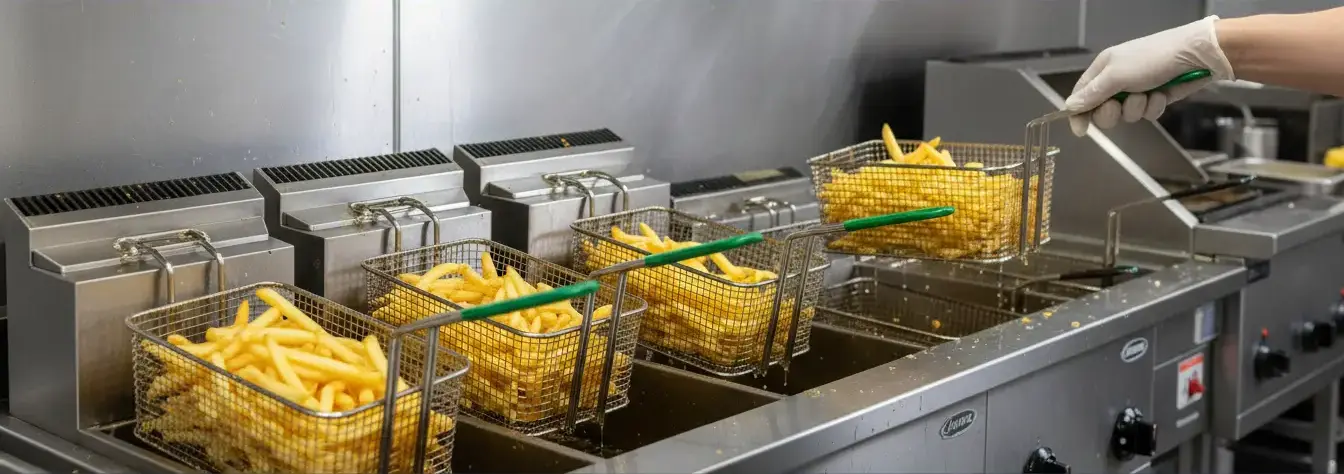
Find the Best Used Cooking Oil Collection Companies for Your Business
No obligation • Fast responses • Nationwide coverage

Why you can trust Restaurant Waste Disposal
Restaurant Waste Disposal is a leading U.S. resource for comparing restaurant composting, food-waste recycling, grease trap cleaning, and used cooking oil collection services. Our editorial team researches providers, checks credentials, and organizes unbiased information so operators can make informed decisions. Companies cannot pay to change ratings or placement.
Search providers near you
Top Used Cooking Oil Collection Companies in Costa Mesa, California Ranked
For restaurants and food service establishments in Costa Mesa, managing used cooking oil is a critical operational and environmental responsibility. Proper collection and recycling of this waste stream, often categorized as Fats, Oils, and Grease (FOG), is mandated by California state law and local ordinances. An effective program not only ensures compliance and avoids significant fines but also transforms a waste product into valuable resources like biodiesel. This guide outlines the essential steps, legal requirements, and best practices for establishing a compliant and sustainable used cooking oil management system in Costa Mesa.
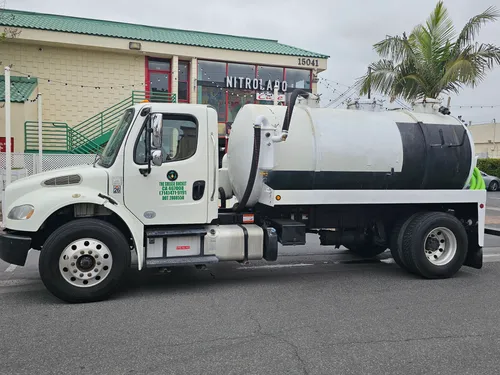
The Grease Bucket
Los Angeles, CA
The Grease Bucket provides grease trap cleaning and used cooking oil collection services in Los Angeles, CA. They serve restaurants across Orange County, Los Angeles, San Bernardino, and the Inland Empire area. The company schedules regular collection intervals to prevent overflows and maintains grease interceptors to avoid drain clogs and odors. They recycle used cooking oil into renewable resources, supporting environmental sustainability. The Grease Bucket has been serving customers for over six years and offers emergency pickups when needed during normal business hours.
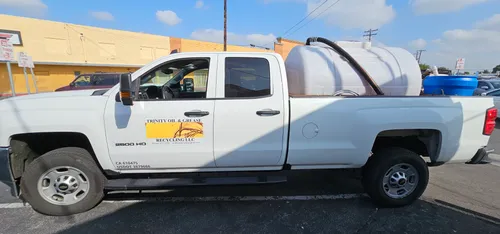
Trinity Oil & Grease Recycling
Los Angeles, CA
Trinity Oil & Grease Recycling provides used cooking oil collection and grease trap cleaning services in Los Angeles, CA. They offer on-call and scheduled pickups with 24-hour availability across Los Angeles County, Orange County, and Ventura County. Their services include recovery, transportation, disposal, and recycling of kitchen oil and grease, along with high-pressure washing for grease spills and property cleanliness. They supply grease and oil storage containers ranging from 15 to 200 gallons with no minimum amount required for collection. Trinity Oil & Grease Recycling also provides manifest reports as proof of collection to help clients maintain compliance with health and wastewater regulations.
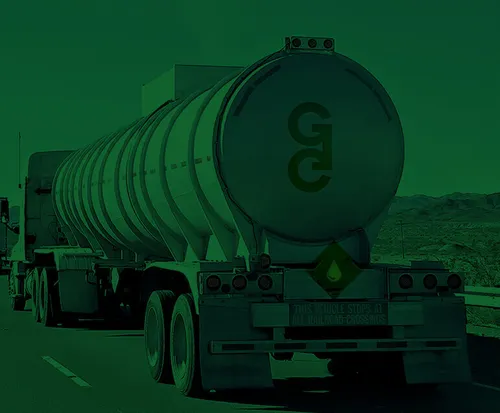
The Grease Company
1116 N Harbor Blvd, Santa Ana, CA 92703
The Grease Company provides grease trap cleaning, repair, and used cooking oil collection services in Los Angeles, CA. They specialize in maintaining commercial kitchen grease traps to prevent clogs and ensure compliance with sanitation regulations. Their capabilities include hydro jetting and environmentally responsible cooking oil disposal. With 12 years of experience, The Grease Company is licensed to serve Southern California and offers transparent pricing and free quotes.
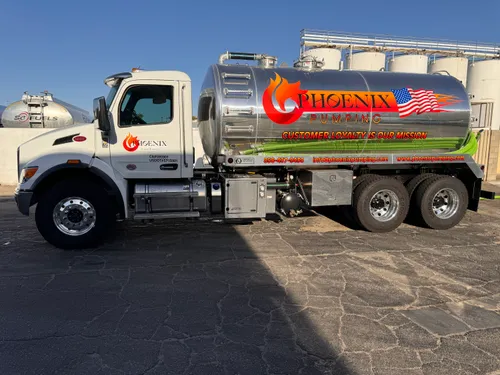
Phoenix Pumping LLC
3131 E Palmyra Ave, Orange, CA 92869
Phoenix Pumping LLC offers cooking oil recycling and grease trap cleaning services in Los Angeles, CA, extending coverage to Southern California counties as well as Arizona and Nevada. The company serves large restaurant chains and facilities with multiple kitchens, providing licensed grease trap cleaning including large outdoor installations. With over a decade of experience, Phoenix Pumping transforms used cooking oil into renewable diesel with a significantly lower carbon footprint. They provide 24/7 availability and a single point of contact for all service needs.
Skyline Grease Services
Los Angeles, CA
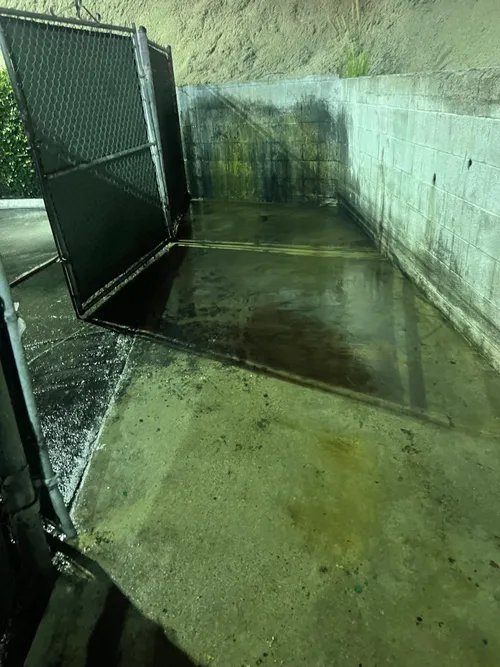
Skyline Grease Services provides used cooking oil collection and grease trap cleaning in Los Angeles, CA. They handle grease trap maintenance and oil collection to support local businesses in managing waste effectively.
Legal and Environmental Requirements for FOG Management
In Costa Mesa, used cooking oil disposal is governed by a combination of state mandates and local public works regulations. The primary driver is California's Senate Bill 1383, which aims to reduce organic waste in landfills by 75% by 20251. This law requires businesses, including restaurants, to arrange for the recycling of their organic waste, which explicitly includes used cooking oil and grease. Non-compliance can result in warnings, fines, and other enforcement actions.
Locally, the Costa Mesa Sanitary District (CMSD) oversees waste management rules. A cornerstone of FOG control is the mandatory installation and maintenance of grease interceptors or traps for all food service establishments2 3. These devices are crucial for preventing grease from entering the public sewer system, where it can cause costly blockages and environmental damage. Pouring used fryer oil or grease down any drain-whether a kitchen sink, floor drain, or outdoor storm drain-is strictly prohibited and illegal2 4. Adherence to these rules protects the local sewer infrastructure and water quality while keeping your business in good standing with regulators.
Best Practices for On-Site Handling and Storage
Safe and efficient handling begins in the kitchen. Implementing clear protocols for your staff is the first line of defense against spills, contamination, and safety hazards.
- Cool Completely: Always allow used cooking oil to cool to a safe temperature, ideally below 120°F, before handling or transferring it. This prevents burns and reduces fire risk.
- Proper Containment: After cooling, liquid oil should be carefully drained into a dedicated, sealable container provided by your licensed collection service. Food solids and cooled grease should be scraped into a separate, lined bin-never mixed with liquid oil or other waste streams.
- Secure Storage: Designate a storage area, such as a back dock or service alley, that is accessible for pickup but secure. Containers must have tight-fitting, locked lids to prevent spills, rainwater contamination, pests, and theft. The storage area should also have secondary containment, like a spill pallet, to manage any accidental leaks.
Using the specialized containers supplied by your hauler is highly recommended. These are typically designed to be leak-proof, durable, and easily handled by service technicians, streamlining the entire collection process.
The Collection and Recycling Process
Once your used oil is properly stored, the next step is partnering with a licensed hauler for regular pickup. Reputable providers in the Costa Mesa area offer scheduled service tailored to your volume and needs.
- Scheduled Pickup: A service technician will visit your location on a set schedule (weekly, bi-weekly, etc.) to pump out the contents of your storage container and, if included in your service, clean your grease trap.
- Transport to Facility: The collected oil is transported in specialized trucks to a recycling facility. It is critical to hire a hauler certified by the California Department of Food and Agriculture (CDFA) for this transport to ensure legal compliance.
- Transformation into New Products: At the recycling plant, the used cooking oil undergoes filtration and processing. The primary end product is biodiesel, a renewable fuel 5. It can also be refined into lubricants, industrial ingredients, or components for animal feed, ensuring it is diverted from landfills and given a productive second life.
Find the perfect used cooking oil collection companies for your needs
Get personalized recommendations and expert advice
Choosing a Certified Collection Service
Selecting the right partner is essential for a seamless and compliant program. When evaluating used cooking oil collection services in Costa Mesa, consider the following:
- Licensing and Certification: Verify the hauler is fully licensed, insured, and CDFA-approved for transporting used cooking oil in California6.
- Service Offerings: Many providers offer bundled services, such as combined used oil collection and grease trap maintenance, which can simplify logistics and potentially reduce costs7 8.
- Reliability and Schedule: Choose a company known for consistent, on-time pickups to prevent overflow and storage issues at your facility.
- Sustainability Commitment: Partner with a hauler that is transparent about their recycling partners and the final destination of the oil, ensuring it is truly being converted into biofuel or other recycled products.
You can contact the Costa Mesa Sanitary District (CMSD) for guidance and potentially a list of approved or reputable haulers servicing the area 9.
Costs, Benefits, and Compliance Synergy
The cost for used cooking oil collection varies based on your restaurant's oil volume, pickup frequency, and any additional services like grease trap cleaning 10. While there is typically a service fee, some arrangements may offer minimal revenue sharing, though this is less common than in the past.
The benefits, however, far outweigh the costs:
- Regulatory Compliance: Avoids fines and penalties associated with SB 1383 violations and improper FOG disposal.
- Environmental Stewardship: Directly supports California's climate goals by diverting waste from landfills and contributing to renewable fuel production11 12.
- Operational Safety: Reduces slip hazards, pest infestations, and sewer backups on your property.
- Positive Brand Image: Demonstrates a commitment to sustainability that resonates with customers and the community.
By integrating used cooking oil recycling with other organic waste programs, such as food scrap composting, Costa Mesa restaurants can create a comprehensive and efficient waste management strategy that meets all regulatory demands while supporting a circular economy.
Frequently asked questions
Sources
Footnotes
-
Organic Waste Recycling - SB 1383 | City of Costa Mesa - https://www.costamesaca.gov/government/departments-and-divisions/public-works/sb-1383 ↩
-
Used Cooking Oil Disposal: Complete Guide to Grease Pickups - https://greaseconnections.com/used-cooking-oil-disposal-guide-grease-pickups/ ↩ ↩2
-
Navigating Legal Requirements for Used Cooking Oil Disposal - https://bakercommodities.com/blog/2024/02/08/legal-requirement-used-cooking-grease/ ↩
-
Cooking Oils & Grease - Recology - https://www.recology.com/faq/cleanscapes-cooking-oil-can-dispose-kitchen-oils-grease/ ↩
-
What happens with the used oil from restaurants and fast-food ... - https://www.quora.com/What-happens-with-the-used-oil-from-restaurants-and-fast-food-chains-Is-there-any-sort-of-recycling ↩
-
Used Cooking Oil Collection / Pick Up & Recycling. - https://greasemanagement.org/usedoilcollection.html ↩
-
Used Cooking Oil (UCO) Collection Service For Restaurants - https://thegreasecompany.com/blog/restaurant-used-cooking-oil-collection/ ↩
-
Cooking Oil Collection & Grease Recycling Service - https://thegreasecompany.com/oilcollection.html ↩
-
Trash & Recycling FAQs - Costa Mesa Sanitary District - https://www.cmsdca.gov/trash___recycling/trash___recycling_faqs.php ↩
-
Used Cooking Oil Pickup vs Drop-Off-What's Best for Restaurants? - https://www.greaseprosrecycling.com/used-cooking-oil-pickup-vs-drop-off/ ↩
-
How Recycling Used Cooking Oil Can Save Restaurants Money and ... - https://www.cbs42.com/business/press-releases/ein-presswire/864508472/how-recycling-used-cooking-oil-can-save-restaurants-money-and-enhance-sustainability-efforts ↩
-
Southern California Commercial Kitchen Cooking Oil recycling ... - https://thegreasecompany.com/blog/how-the-grease-is-protecting-you-by-recycling-cooking-oil/2/ ↩