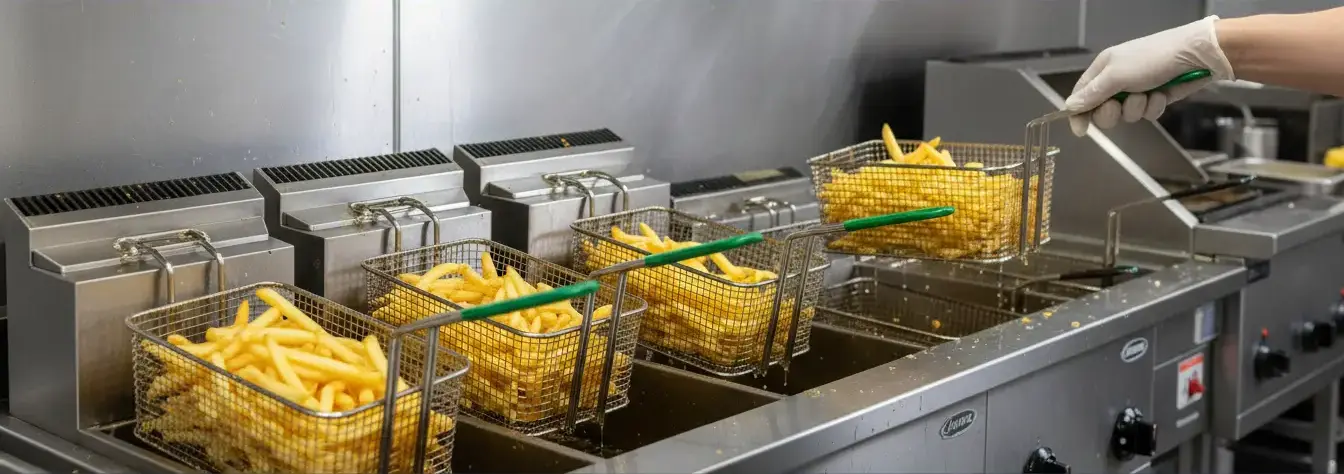
Find the Best Used Cooking Oil Collection Companies for Your Business
No obligation • Fast responses • Nationwide coverage

Why you can trust Restaurant Waste Disposal
Restaurant Waste Disposal is a leading U.S. resource for comparing restaurant composting, food-waste recycling, grease trap cleaning, and used cooking oil collection services. Our editorial team researches providers, checks credentials, and organizes unbiased information so operators can make informed decisions. Companies cannot pay to change ratings or placement.
Search providers near you
Top Used Cooking Oil Collection Companies in Burbank, California Ranked
For restaurants in Burbank, managing used cooking oil (UCO) is far more than a routine kitchen task-it's a regulated component of daily operations with significant environmental and legal implications. California state law, specifically SB 1383, mandates the recycling of organic waste, which categorically includes fats, oils, and grease (FOG) from commercial kitchens. In Burbank, this means you are legally required to partner with a state-licensed hauler to collect and recycle your used fryer oil, transforming a potential waste liability into a valuable resource like biodiesel. Proper grease trap maintenance and secure oil storage are not just best practices; they are enforceable standards designed to protect the city's sewer infrastructure and align with broader sustainability goals.
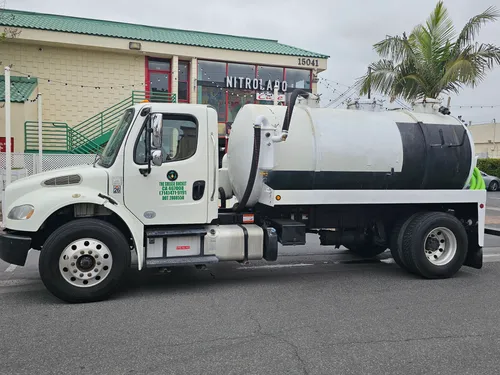
The Grease Bucket
Los Angeles, CA
The Grease Bucket provides grease trap cleaning and used cooking oil collection services in Los Angeles, CA. They serve restaurants across Orange County, Los Angeles, San Bernardino, and the Inland Empire area. The company schedules regular collection intervals to prevent overflows and maintains grease interceptors to avoid drain clogs and odors. They recycle used cooking oil into renewable resources, supporting environmental sustainability. The Grease Bucket has been serving customers for over six years and offers emergency pickups when needed during normal business hours.
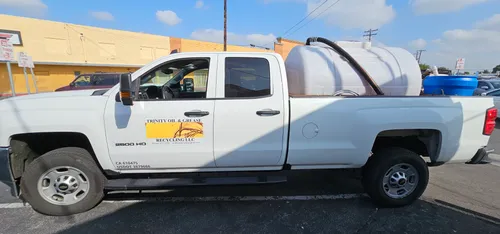
Trinity Oil & Grease Recycling
Los Angeles, CA
Trinity Oil & Grease Recycling provides used cooking oil collection and grease trap cleaning services in Los Angeles, CA. They offer on-call and scheduled pickups with 24-hour availability across Los Angeles County, Orange County, and Ventura County. Their services include recovery, transportation, disposal, and recycling of kitchen oil and grease, along with high-pressure washing for grease spills and property cleanliness. They supply grease and oil storage containers ranging from 15 to 200 gallons with no minimum amount required for collection. Trinity Oil & Grease Recycling also provides manifest reports as proof of collection to help clients maintain compliance with health and wastewater regulations.
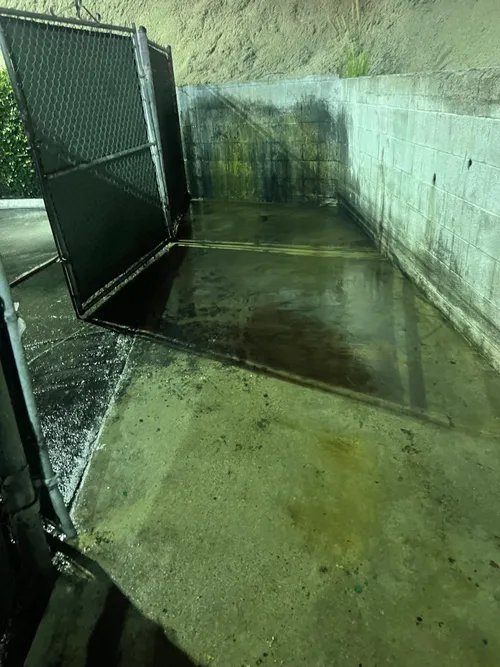
Skyline Grease Services
Los Angeles, CA
Skyline Grease Services provides used cooking oil collection and grease trap cleaning in Los Angeles, CA. They handle grease trap maintenance and oil collection to support local businesses in managing waste effectively.
JR Grease Services
1571 W 15th St, Long Beach, CA 90813
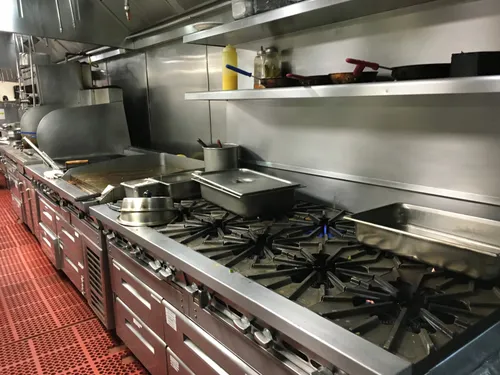
JR Grease Services provides grease trap cleaning and used cooking oil collection in Los Angeles, CA. They offer solutions to help kitchens operate smoothly by managing grease-related issues and providing plumbing support. The company is experienced in servicing grease traps and collecting used cooking oil to maintain proper flow and prevent interruptions.
All in Sanitation | Grease Trap Cleaning | Septic Pumping
527 W 7th St, Los Angeles, CA 90014
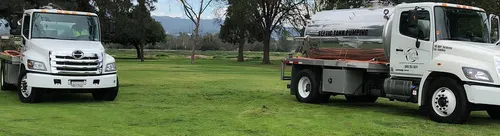
All in Sanitation | Grease Trap Cleaning | Septic Pumping offers comprehensive grease trap cleaning, pumping, and used cooking oil collection services in Los Angeles, CA. They serve a variety of commercial clients including restaurants, hotels, and schools across Los Angeles and nearby neighborhoods such as Hollywood, Downtown LA, Koreatown, and West Los Angeles. Their services include grease removal, high-pressure hydro jetting to prevent blockages, and environmentally responsible grease recycling. The company complies with Los Angeles County health regulations and provides 24/7 emergency service to address urgent needs. They also offer scheduled maintenance plans and service multi-location food facilities. Additionally, All in Sanitation has a dedicated division for sustainable used cooking oil disposal that supports biofuel production.
Understanding the Legal Framework for FOG Management
Navigating the regulations surrounding used cooking oil and grease disposal is the first critical step for any food service business in Burbank. The rules are in place to prevent sewer blockages, environmental harm, and public health issues.
- SB 1383 & Mandatory Recycling: California's landmark organic waste recycling law requires all businesses, including restaurants, to arrange for the recycling of their food scraps and used cooking oil. Disposing of FOG down the drain is illegal and can lead to severe "fatberg" blockages in the municipal sewer system.
- Licensed Hauler Requirement: Compliance isn't just about recycling; it's about using the right partner. You must contract with a certified and licensed grease hauler or used oil transporter. Burbank inspectors may request documentation from your hauler as proof of compliant recycling, making this partnership essential for avoiding fines.
- Grease Trap/Interceptor Laws: In addition to oil collection, restaurants are required to install and maintain grease traps or interceptors. The waste collected in these devices must also be professionally pumped out and documented by a licensed service provider, creating a comprehensive system for managing all kitchen grease 1.
The Professional Collection Process: From Your Kitchen to Renewables
Partnering with a professional used cooking oil collection service streamlines compliance and turns a logistical challenge into a simple, scheduled part of your operations. Reputable providers handle the entire chain of custody.
Secure Storage & Container Provision The process begins with proper on-site storage. Licensed collection companies typically provide restaurants with secure, lockable, and leak-proof containers at no upfront cost 2. These specialized bins prevent spills, contain odors, and deter unauthorized tampering or theft, which can be a concern for valuable used oil.
Scheduled Pickups and Reliable Service Providers establish a regular pickup schedule-whether weekly, bi-weekly, or monthly-based on your kitchen's volume 3. This reliability ensures your storage containers never overflow and helps maintain a clean, safe, and compliant back-of-house area. The hauler's trained professionals handle the transfer, minimizing mess and disruption to your staff.
Transportation and Transformation Once collected, the used oil is transported in dedicated trucks to processing facilities. Here, it undergoes filtration and purification. The end product is no longer waste; it becomes a feedstock for renewable biofuels like biodiesel, animal feed supplements, or industrial lubricants, completing a true circular economy loop.
Financial Considerations: Costs, Revenue, and Value
The economics of used cooking oil collection in Burbank can vary, but understanding the model helps in selecting the right service provider. The financial aspect is often a balance of service fees and potential commodity value.
- Free Pickup & Revenue Potential: For restaurants generating consistent, high-quality oil in large volumes, many collectors offer free pickup and may even share a portion of the revenue from the recycled commodity. The oil's market value fluctuates, but it can provide a small income stream.
- Fee-Based Services: Establishments with lower oil output or oil that is heavily contaminated with food particles and water may incur a service fee. These fees help cover the costs of collection, transportation, and processing. Guides in the industry suggest fees can range significantly, sometimes from a few cents to over fifty cents per gallon, depending on volume and quality 4.
- The Cost of Non-Compliance: It's crucial to view any service fee in the context of risk mitigation. The cost of a professional pickup pales in comparison to potential fines from the city for improper disposal or the exorbitant expense of repairing sewer backups and damaged plumbing caused by grease blockages 5.
Find the perfect used cooking oil collection companies for your needs
Get personalized recommendations and expert advice
Choosing a Compliant Service Provider in Burbank
Selecting the right partner for your used cooking oil and grease trap services is a business decision with compliance at its core. Not all waste removal companies are authorized to handle this specific material stream.
Verification of Licenses and Certifications Always ask a prospective provider for proof of their California state license as a used oil transporter or grease hauler 6. A reputable company will readily provide this information. You can also cross-reference with the City of Burbank's Public Works department for guidance on approved haulers 7.
Evaluating Service Offerings Look for a provider that offers a full suite of services tailored to restaurants: reliable used oil collection, grease trap pumping, and provision of secure containers. Assess their scheduling flexibility, customer service responsiveness, and their commitment to providing you with the necessary documentation (often called "manifests" or service tickets) after each pickup, which serve as your proof of recycling.
Understanding the Contract Review service agreements carefully. Clarify whether the arrangement is a free service with revenue sharing, a flat fee, or a volume-based charge. Understand the terms for container maintenance, pickup scheduling changes, and what constitutes acceptable oil quality to avoid unexpected charges.
Best Practices for On-Site Oil Management
Maximizing safety, efficiency, and compliance starts with how your kitchen staff handles oil before it reaches the collection bin.
- Cool Before Transferring: Always allow oil to cool completely before moving it from fryers to storage containers. This prevents burns and reduces fire risk.
- Minimize Contamination: Strain oil when possible to remove large food particles. Avoid mixing used cooking oil with water, soap, or other liquids, as contamination can lower its recycling value and complicate processing 8.
- Secure the Container: Keep the collection container locked and in a designated, accessible area for the hauler but away from public access. This prevents spills, pests, and unauthorized siphoning.
- Maintain Clear Records: File every pickup receipt or manifest from your hauler in an organized manner. This log is your first line of defense during a compliance inspection.
The Environmental Impact of Proper Recycling
Choosing compliant used cooking oil collection is a direct contribution to environmental sustainability. Every gallon recycled has a positive ripple effect. When processed into biodiesel, used cooking oil reduces reliance on fossil fuels and cuts greenhouse gas emissions by up to 86% compared to petroleum diesel 9 10. Furthermore, by ensuring FOG is recycled and not poured down drains, restaurants help prevent sewer overflows, which can contaminate local waterways like the Los Angeles River and harm aquatic ecosystems 11. This responsible management turns a kitchen byproduct into a force for cleaner air and water in the Burbank community and beyond.
Frequently asked questions
Sources
Footnotes
-
Cal. Code Regs. Tit. 3, § 1180.24 - Requirements to Document and ... - https://www.law.cornell.edu/regulations/california/3-CCR-1180.24 ↩
-
Used Cooking Oil Collection Burbank - Pick Up & Recycling. - https://greasemanagement.org/oilcollectionburbank.html ↩
-
Used Cooking Oil Pickup vs Drop-Off-What's Best for Restaurants? - https://www.greaseprosrecycling.com/used-cooking-oil-pickup-vs-drop-off/ ↩
-
Restaurant Used Cooking Oil: Disposal, Recycling & Revenue Guide - https://greaseconnections.com/restaurant-used-cooking-oil-disposal-recycling-revenue-guide/ ↩
-
Navigating Legal Requirements for Used Cooking Oil Disposal - https://bakercommodities.com/blog/2024/02/08/legal-requirement-used-cooking-grease/ ↩
-
Restaurant Grease Pick Up and Disposal Services in Los Angeles, CA - https://www.mahoneyes.com/fryer-oil-disposal-recycling-los-angeles-ca/ ↩
-
Solid Waste & Recycling - Public Works - City of Burbank - https://www.burbankca.gov/web/public-works/trash-recycling ↩
-
Used Oil Disposal: How To Do It Properly - https://safewayusedoil.com/2024/02/used-oil-disposal-how-to-do-it-properly/ ↩
-
Cooking Oil Collection & Grease Recycling Service - https://thegreasecompany.com/oilcollection.html ↩
-
Southern California Commercial Kitchen Cooking Oil recycling ... - https://thegreasecompany.com/blog/how-the-grease-is-protecting-you-by-recycling-cooking-oil/2/ ↩
-
Disposal Tips - Burbank Sanitary District - https://burbanksanitary.org/disposal-tips/ ↩