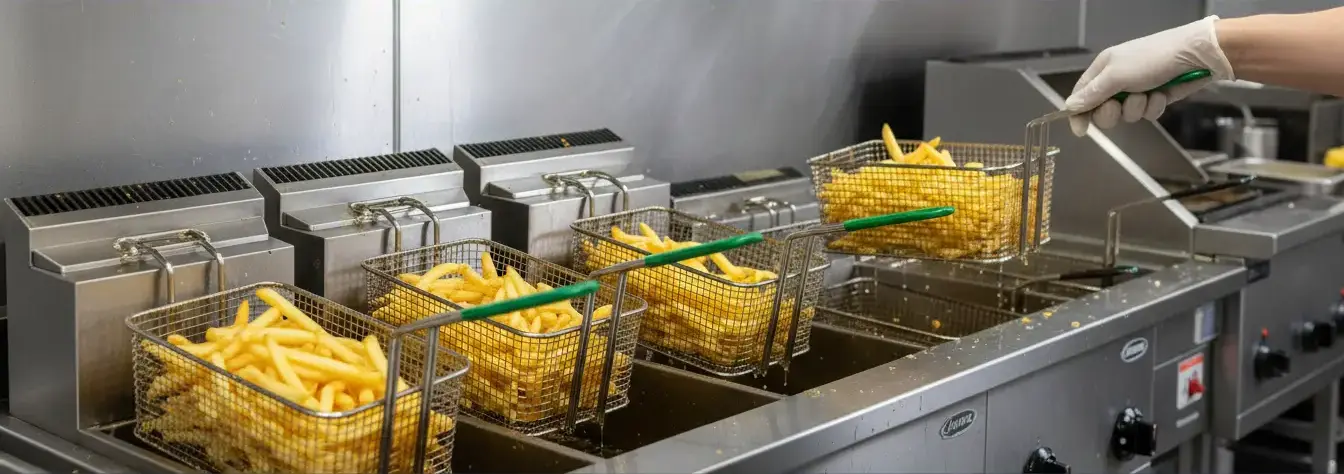
Find the Best Used Cooking Oil Collection Companies for Your Business
No obligation • Fast responses • Nationwide coverage

Why you can trust Restaurant Waste Disposal
Restaurant Waste Disposal is a leading U.S. resource for comparing restaurant composting, food-waste recycling, grease trap cleaning, and used cooking oil collection services. Our editorial team researches providers, checks credentials, and organizes unbiased information so operators can make informed decisions. Companies cannot pay to change ratings or placement.
Search providers near you
Top Used Cooking Oil Collection Companies in Brea, California Ranked
For restaurants and food service businesses in Brea, managing used cooking oil (UCO) is more than just a routine kitchen task-it's a regulated environmental responsibility with potential financial implications. Proper grease trap and oil collection services are essential for compliance with local and state laws, which mandate the use of licensed haulers to prevent illegal dumping that can clog sewer systems and harm the environment. By partnering with a certified provider, Brea establishments can ensure their waste oil is safely collected, recycled into valuable products like biodiesel, and documented correctly to satisfy city audits. This guide outlines the key processes, legal requirements, and economic considerations for effective kitchen grease management in Brea.
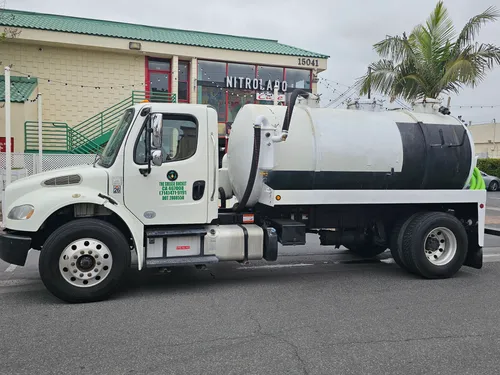
The Grease Bucket
Los Angeles, CA
The Grease Bucket provides grease trap cleaning and used cooking oil collection services in Los Angeles, CA. They serve restaurants across Orange County, Los Angeles, San Bernardino, and the Inland Empire area. The company schedules regular collection intervals to prevent overflows and maintains grease interceptors to avoid drain clogs and odors. They recycle used cooking oil into renewable resources, supporting environmental sustainability. The Grease Bucket has been serving customers for over six years and offers emergency pickups when needed during normal business hours.
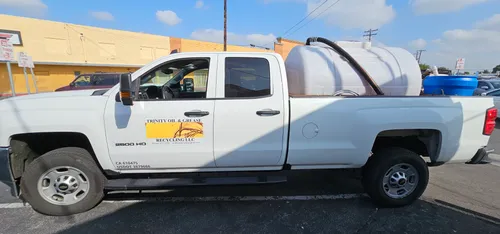
Trinity Oil & Grease Recycling
Los Angeles, CA
Trinity Oil & Grease Recycling provides used cooking oil collection and grease trap cleaning services in Los Angeles, CA. They offer on-call and scheduled pickups with 24-hour availability across Los Angeles County, Orange County, and Ventura County. Their services include recovery, transportation, disposal, and recycling of kitchen oil and grease, along with high-pressure washing for grease spills and property cleanliness. They supply grease and oil storage containers ranging from 15 to 200 gallons with no minimum amount required for collection. Trinity Oil & Grease Recycling also provides manifest reports as proof of collection to help clients maintain compliance with health and wastewater regulations.
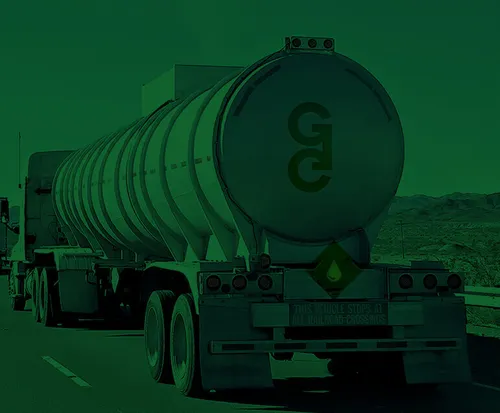
The Grease Company
1116 N Harbor Blvd, Santa Ana, CA 92703
The Grease Company provides grease trap cleaning, repair, and used cooking oil collection services in Los Angeles, CA. They specialize in maintaining commercial kitchen grease traps to prevent clogs and ensure compliance with sanitation regulations. Their capabilities include hydro jetting and environmentally responsible cooking oil disposal. With 12 years of experience, The Grease Company is licensed to serve Southern California and offers transparent pricing and free quotes.
Phoenix Pumping LLC
3131 E Palmyra Ave, Orange, CA 92869
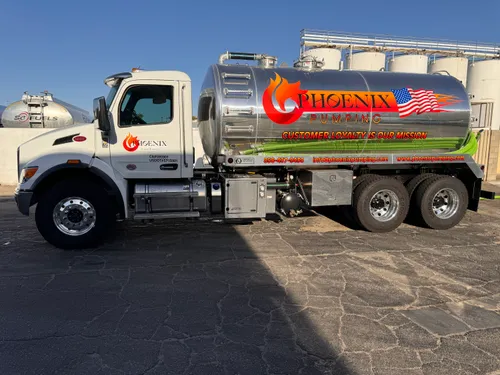
Phoenix Pumping LLC offers cooking oil recycling and grease trap cleaning services in Los Angeles, CA, extending coverage to Southern California counties as well as Arizona and Nevada. The company serves large restaurant chains and facilities with multiple kitchens, providing licensed grease trap cleaning including large outdoor installations. With over a decade of experience, Phoenix Pumping transforms used cooking oil into renewable diesel with a significantly lower carbon footprint. They provide 24/7 availability and a single point of contact for all service needs.
Skyline Grease Services
Los Angeles, CA
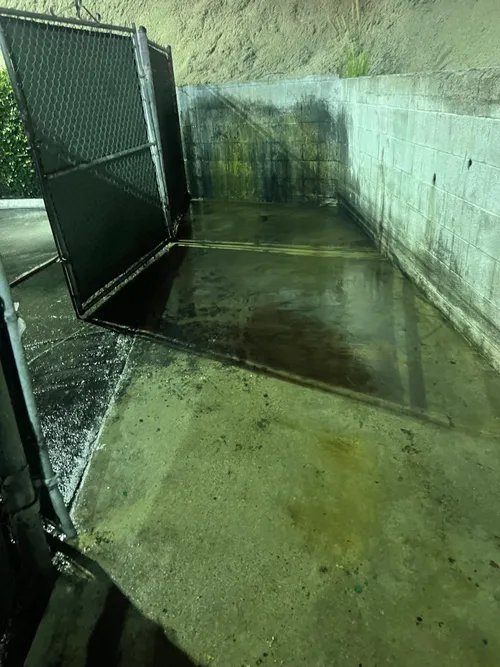
Skyline Grease Services provides used cooking oil collection and grease trap cleaning in Los Angeles, CA. They handle grease trap maintenance and oil collection to support local businesses in managing waste effectively.
Understanding Brea's Regulations for Grease and Oil Disposal
In California, and specifically in Brea, the disposal of inedible kitchen grease is strictly regulated. It is illegal for any food service establishment to pour used fryer oil or grease trap waste down drains or dispose of it with regular trash. These actions can cause severe blockages in the public sewer system, leading to costly backups and environmental contamination. To prevent this, the city requires all restaurants to contract with a state-licensed inedible kitchen grease hauler for proper collection and recycling 1 2.
Compliance isn't just about hiring a service; it's about maintaining a verifiable paper trail. Businesses must keep detailed records, typically in the form of manifests or receipts provided by their hauler after each pickup. These documents serve as proof of proper disposal and are crucial during inspections or audits by city officials 3. Failure to comply can result in significant fines, making a reliable grease collection partnership a critical component of restaurant operations.
The Step-by-Step Process of Oil Collection and Recycling
A well-managed used cooking oil program follows a clear, efficient cycle from your kitchen to its new life as a renewable resource.
1. On-Site Storage and Preparation The process begins in your kitchen. After cooking, oil should be cooled and filtered to remove large food particles. The clean oil is then transferred into a dedicated, secure storage container. Most professional grease collection companies provide these containers-often lockable, covered tanks-to prevent contamination from water or debris and to deter unauthorized access or overfilling.
2. Scheduled Pickup and Collection Your hauler will establish a regular pickup schedule based on your oil production volume. On the scheduled day, a service truck arrives and uses a pump to transfer the oil from your storage tank into its collection tank. This method is clean and efficient, minimizing spillage and disruption to your daily operations 4.
3. Recycling and Transformation The collected oil is transported to a processing facility. There, it undergoes heating, filtration, and separation to remove any remaining impurities and water. The purified oil is then sold as a feedstock for the production of biodiesel, a cleaner-burning alternative fuel, or other industrial products. This recycling loop turns a waste product into a valuable commodity, supporting circular economy principles 5.
Financial Considerations: Cost vs. Revenue
The economics of used cooking oil collection in Brea are primarily volume-driven. Unlike general waste disposal, which always carries a fee, UCO collection can sometimes generate income for your business.
- High-Volume Producers: Restaurants that generate significant amounts of clean, well-filtered oil are often in a position to be paid for their used oil. The collection company sells the oil to recyclers and shares a portion of that revenue with you.
- Low to Mid-Volume Producers: For establishments producing smaller amounts (e.g., under 100 gallons per month), collection is often provided as a free service, as the value of the oil covers the cost of pickup. As volume increases into the 100-500 gallon per month range, pricing models vary; some companies may charge a modest fee per gallon, while others may still offer free service depending on market conditions 6.
The key takeaway is that proactive management can transform a regulatory liability into a potential revenue stream or, at minimum, a cost-neutral service. The goal is to find a provider whose pricing structure aligns with your output.
Find the perfect used cooking oil collection companies for your needs
Get personalized recommendations and expert advice
Choosing the Right Collection Service Provider in Brea
Selecting a licensed hauler is your most important decision. Start by searching for "Brea used cooking oil collection" or verifying a company's status on California's list of licensed inedible kitchen grease haulers. When evaluating providers, consider the following:
- Reliability and Schedule: Can they accommodate your pickup frequency needs?
- Equipment Provision: Do they supply and maintain secure, appropriately sized storage tanks?
- Documentation: Do they provide clear, detailed manifests for your compliance records?
- Transparent Pricing: Is their fee structure or revenue-sharing model clearly explained and competitive?
A reputable provider will conduct an initial assessment of your volume and needs to offer a tailored quote and service plan 7.
Best Practices for Restaurant Kitchen Grease Management
Beyond just scheduling pickups, adopting these best practices will ensure a smoother, more efficient operation:
- Filter Consistently: Always filter oil after cooling to remove food solids. Cleaner oil is more valuable and less likely to cause issues with your storage tank.
- Prevent Contamination: Never allow water or other liquids to enter your UCO storage tank. Contamination reduces the oil's recycling value and can cause operational problems.
- Secure Your Tank: Keep the collection tank locked and in a designated area away from drains and general waste bins to prevent tampering, theft, or accidental misuse.
- Maintain Grease Traps: Remember that grease trap waste (brown grease) is different from used fryer oil (yellow grease) and requires separate, specialized pumping service. Ensure both services are coordinated and documented.
By integrating these habits, you protect your business from compliance issues and maximize the efficiency of your waste management program 8 9.
The Environmental Impact of Proper UCO Recycling
Choosing to recycle your used cooking oil has a direct positive impact. When oil is poured down drains, it solidifies in pipes, contributing to "fatbergs" that cause sewer overflows, which can pollute local waterways and require expensive municipal repairs. In contrast, recycling one gallon of used cooking oil can produce approximately one gallon of biodiesel. This biodiesel burns cleaner than petroleum diesel, reducing greenhouse gas emissions and air pollutants. For Brea businesses, proper oil collection is a simple yet powerful way to contribute to regional sustainability goals and environmental protection 10.
Frequently asked questions
Sources
Footnotes
-
Brea's BEST Cooking Oil Collection & Grease Removal ... - https://thegreasecompany.com/cookingoilcollectionbrea.html ↩
-
Brea Recycling & Waste Newsletter - https://bebrea.com/DocumentCenter/View/3715 ↩
-
Cal. Code Regs. Tit. 3, § 1180.24 - Requirements to Document and ... - https://www.law.cornell.edu/regulations/california/3-CCR-1180.24 ↩
-
Grease Collection Service: What is it - Grand Natural Inc - https://www.grandnaturalinc.com/blog/what-is-grease-collection-service.html ↩
-
Used Cooking Oil (UCO) Collection Service For Restaurants - https://thegreasecompany.com/blog/restaurant-used-cooking-oil-collection/ ↩
-
Restaurant Used Cooking Oil Recycling & Disposal Guide - https://greaseconnections.com/restaurant-used-cooking-oil-disposal-recycling-revenue-guide/ ↩
-
Grease Pickup Service Near Me | Florida's Guide to Used Oil Collection - https://www.greaseprosrecycling.com/grease-pickup-service-near-me/ ↩
-
Used Cooking Oil Pickup vs Drop-Off - GreasePros Recycling - https://www.greaseprosrecycling.com/used-cooking-oil-pickup-vs-drop-off/ ↩
-
Brea Used Cooking Oil Collection Service - Grease Management - https://greasemanagement.org/oilcollectionbrea.html ↩
-
Used Cooking Oil Recycling for Commercial Businesses - Rubicon - https://www.rubicon.com/blog/used-cooking-oil-recycling/ ↩