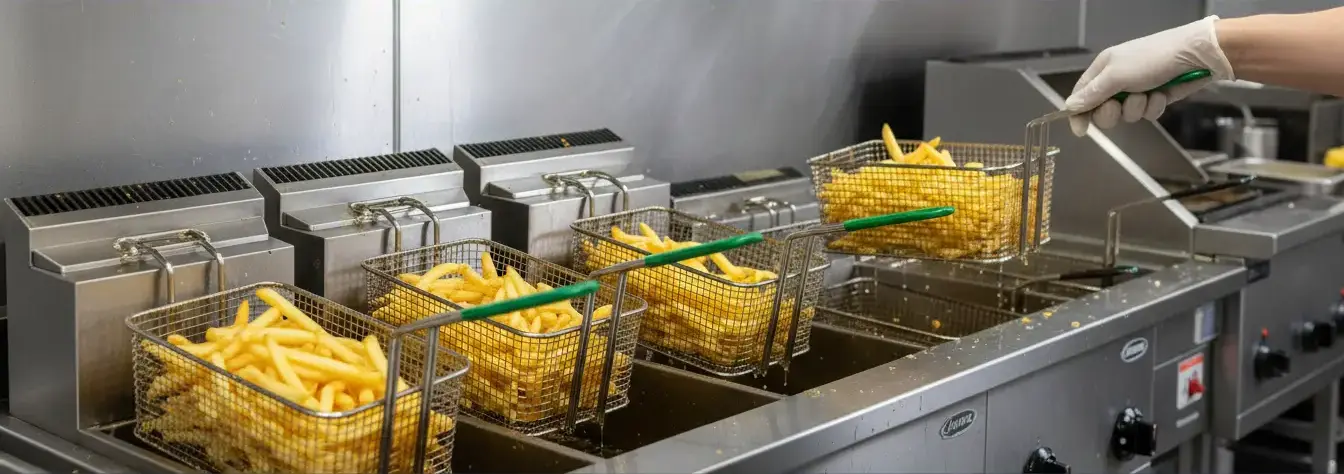
Find the Best Used Cooking Oil Collection Companies for Your Business
No obligation • Fast responses • Nationwide coverage

Why you can trust Restaurant Waste Disposal
Restaurant Waste Disposal is a leading U.S. resource for comparing restaurant composting, food-waste recycling, grease trap cleaning, and used cooking oil collection services. Our editorial team researches providers, checks credentials, and organizes unbiased information so operators can make informed decisions. Companies cannot pay to change ratings or placement.
Search providers near you
Top Used Cooking Oil Collection Companies in Aliso Viejo, California Ranked
For restaurants and food service businesses in Aliso Viejo, managing used cooking oil (UCO) and fats, oils, and grease (FOG) is a critical operational and environmental responsibility. Proper grease trap and oil collection services are not just about waste removal; they are a regulated component of running a compliant kitchen. California state and local ordinances mandate that all commercial UCO and FOG be handled by licensed haulers for recycling, turning a potential waste stream into valuable commodities like biodiesel. This guide outlines the essential steps for compliant UCO disposal, the recycling process, and how partnering with a certified provider can streamline operations and potentially offset costs.
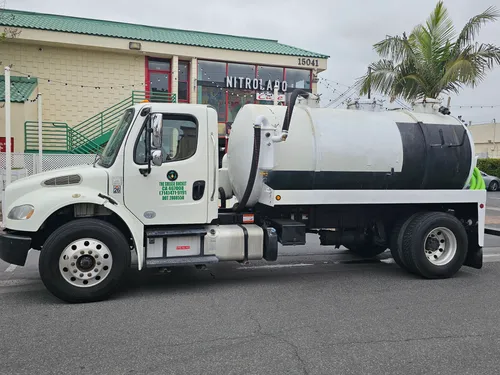
The Grease Bucket
Los Angeles, CA
The Grease Bucket provides grease trap cleaning and used cooking oil collection services in Los Angeles, CA. They serve restaurants across Orange County, Los Angeles, San Bernardino, and the Inland Empire area. The company schedules regular collection intervals to prevent overflows and maintains grease interceptors to avoid drain clogs and odors. They recycle used cooking oil into renewable resources, supporting environmental sustainability. The Grease Bucket has been serving customers for over six years and offers emergency pickups when needed during normal business hours.
The Grease Company
1116 N Harbor Blvd, Santa Ana, CA 92703
The Grease Company provides grease trap cleaning, repair, and used cooking oil collection services in Los Angeles, CA. They specialize in maintaining commercial kitchen grease traps to prevent clogs and ensure compliance with sanitation regulations. Their capabilities include hydro jetting and environmentally responsible cooking oil disposal. With 12 years of experience, The Grease Company is licensed to serve Southern California and offers transparent pricing and free quotes.
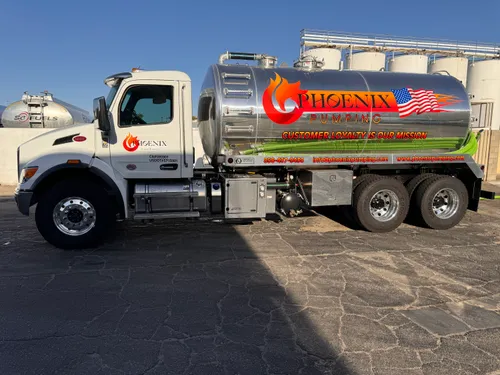
Phoenix Pumping LLC
3131 E Palmyra Ave, Orange, CA 92869
Phoenix Pumping LLC offers cooking oil recycling and grease trap cleaning services in Los Angeles, CA, extending coverage to Southern California counties as well as Arizona and Nevada. The company serves large restaurant chains and facilities with multiple kitchens, providing licensed grease trap cleaning including large outdoor installations. With over a decade of experience, Phoenix Pumping transforms used cooking oil into renewable diesel with a significantly lower carbon footprint. They provide 24/7 availability and a single point of contact for all service needs.
Grease Management Solutions GMS
1180 S Idaho St #A1, La Habra, CA 90631
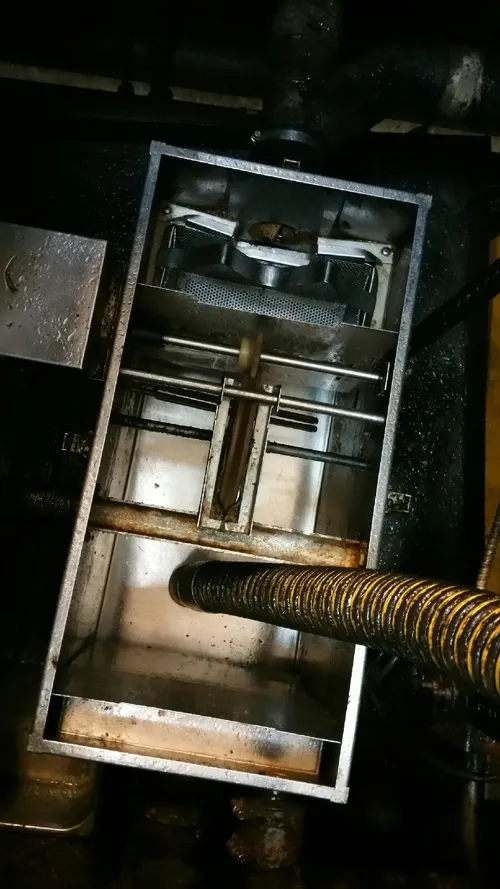
Grease Management Solutions GMS is a Southern California-based company serving Los Angeles, CA, that specializes in grease trap cleaning, used cooking oil collection, and grease system maintenance for commercial kitchens. They provide tailored services to food service businesses, including interceptor pumping and advanced drain cleaning, ensuring compliance with local health and safety regulations. Their team and subcontracted partners offer skilled maintenance and emergency support to prevent clogs, overflows, and odors. The company emphasizes environmental responsibility and provides detailed service records to meet inspection requirements.

Longview Environmental Company
Los Angeles, CA
Longview Environmental Company provides kitchen maintenance services in Los Angeles, CA, specializing in used cooking oil collection, grease trap cleaning, and hydro jetting for restaurants, hotels, ghost kitchens, and other food service businesses. Their licensed professionals manage the entire process of used cooking oil recycling and grease trap maintenance, ensuring compliance with environmental regulations. Hydro jetting is offered as an effective method to clear grease and debris from drain lines, helping prevent blockages and operational disruptions. The company emphasizes environmental sustainability by converting waste oil and grease into eco-friendly products.
Local Regulations and Compliance Requirements
Navigating the legal landscape is the first step for any Aliso Viejo food service establishment. California law is strict regarding grease and oil waste to protect municipal sewer systems and the environment.
- Mandatory Use of Licensed Haulers: You are required to contract with a state-approved, licensed grease collection company for all commercial UCO and FOG. Unlicensed disposal is illegal and can result in significant fines.
- Strict No-Drain Disposal: Pouring used fryer oil or grease down any drain is prohibited. This practice leads to sewer blockages, environmental contamination, and can trigger expensive cleanup operations and penalties for your business 1.
- Proper On-Site Storage: Oil must be stored in clean, leak-proof, and dedicated containers, which are often provided by your hauler. It is crucial to keep UCO separate from water, food solids, and other contaminants to maintain its value for recycling.
Best Practices for On-Site Oil and Grease Management
Effective management begins in your kitchen. Proper handling from the fryer to the storage tank ensures safety, maximizes the value of your oil, and keeps your facility in compliance.
- Cool and Filter: Allow oil to cool completely before transferring it. Filtering out food particles extends the life of your fryer oil and results in a cleaner, more valuable product for recycling.
- Use Designated, Sealed Containers: Always transfer oil into the secure, lidded container provided by your collection service. This prevents spills, odors, and contamination.
- Maintain Grease Interceptors: Regularly service and pump out your grease traps or interceptors. Keep access points secure and covered to prevent tampering or rainwater dilution 2.
- Spill Preparedness: Clean any spills immediately using absorbent materials like cat litter or commercial absorbents. Never use water or degreasers to wash oil spills, as this spreads the contamination 3.
The Collection and Recycling Process Explained
Understanding what happens after pickup can highlight the environmental and economic benefits of proper UCO recycling. The process is a coordinated effort between your business and your service provider.
- Initial Assessment and Equipment Placement: A licensed hauler will evaluate your kitchen's weekly oil production volume and provide an appropriately sized storage tank or bin for your location 4 5.
- Consistent Storage: Your staff stores all cooled, filtered UCO and collected FOG in the provided container.
- Scheduled Pickup: Based on your generation rate, the hauler schedules regular service visits. A technician will pump the contents of your container into a specialized collection truck.
- Transportation and Processing: The collected oil is transported to a recycling facility. Here, it undergoes processing to remove impurities.
- Transformation into New Products: The purified oil is primarily converted into biodiesel, a renewable fuel. It can also be used in the production of animal feed, cosmetics, and other industrial products 6 7.
- Documentation for Your Records: Your hauler should provide service tickets or manifests. Keeping this paperwork is essential for demonstrating compliance during health or environmental inspections.
Find the perfect used cooking oil collection companies for your needs
Get personalized recommendations and expert advice
Understanding Costs and Potential Revenue
The financial model for used cooking oil pickup is unique. Unlike paying for trash removal, your UCO has inherent value on the commodities market, which can directly impact your cost structure.
- Variable Cost Models: The pricing depends heavily on your monthly oil volume. Some arrangements may involve a service fee, while others operate on a rebate or revenue-sharing model.
- High-Volume Potential for Revenue: Restaurants producing over 100 gallons of UCO per month are often in a position to earn a rebate. Current market rates can range from $0.10 to $0.65 per gallon collected. This rebate can effectively cover the cost of collection and grease trap service, and may even generate a modest profit stream 8.
- Low-Volume Service Fees: Establishments with smaller output may pay a fee for collection. However, this cost should be viewed as an investment in regulatory compliance, helping you avoid the substantially higher expenses associated with fines, sewer surcharges, or emergency plumbing repairs 9.
Choosing a Service Provider in the Orange County Area
Selecting the right partner is key to a smooth and compliant operation. Look for providers with a strong local presence and a full understanding of Aliso Viejo and Orange County regulations.
Key attributes of a reliable used cooking oil collection service include:
- Proper State Licensing: Always verify that the hauler is fully licensed and insured to operate in California.
- Reliable Scheduling: Consistent, on-time pickups prevent overflows and storage issues.
- Quality Equipment: Provision of sturdy, sealed containers that protect the oil from contaminants.
- Transparent Reporting: Clear documentation and, if applicable, transparent rebate calculations.
- Comprehensive Services: Many providers also offer complementary services like grease trap cleaning and used oil fryer maintenance.
Several established companies, such as The Grease Company, Grease Management, and Grand Natural, offer compliant UCO and FOG collection services throughout Orange County, including Aliso Viejo 10 11 12.
Frequently asked questions
Sources
Footnotes
-
What Does The California Law Say About Used Cooking Oil Disposal? - https://www.grandnatural.com/blog/what-does-the-california-law-say-about-used-cooking-oil-disposal.html ↩
-
Used Cooking Oil Collection / Pick Up & Recycling. - https://greasemanagement.org/usedoilcollection.html ↩
-
Cooking Oil Collection - All Valley Environmental Inc. - https://www.allvalleyenv.com/cooking-oil-collection ↩
-
Used Cooking Oil (UCO) Collection Service For Restaurants - https://thegreasecompany.com/blog/restaurant-used-cooking-oil-collection/ ↩
-
Grease Collection Service: What is it - Grand Natural Inc - https://www.grandnaturalinc.com/blog/what-is-grease-collection-service.html ↩
-
Navigating Legal Requirements for Used Cooking Oil Disposal - https://bakercommodities.com/blog/2024/02/08/legal-requirement-used-cooking-grease/ ↩
-
FAQs for Used Oil Collection Centers - https://dtsc.ca.gov/faqs-for-used-oil-collection-centers/ ↩
-
Restaurant Used Cooking Oil Recycling & Disposal Guide - https://greaseconnections.com/restaurant-used-cooking-oil-disposal-recycling-revenue-guide/ ↩
-
Cooking Oil Collection In Anaheim - The Grease Company - https://thegreasecompany.com/cookingoilcollectionanaheim.html ↩
-
Used Cooking Oil Collection Aliso Viejo - Pick Up & Recycling. - https://greasemanagement.org/oilcollectionalisoviejo.html ↩
-
Orange County Used Cooking Oil & Grease Collection Service - https://greasemanagement.org/orangecountygreasecollection.html ↩
-
Cooking Oil Collection & Grease Recycling Service - https://thegreasecompany.com/oilcollection.html ↩