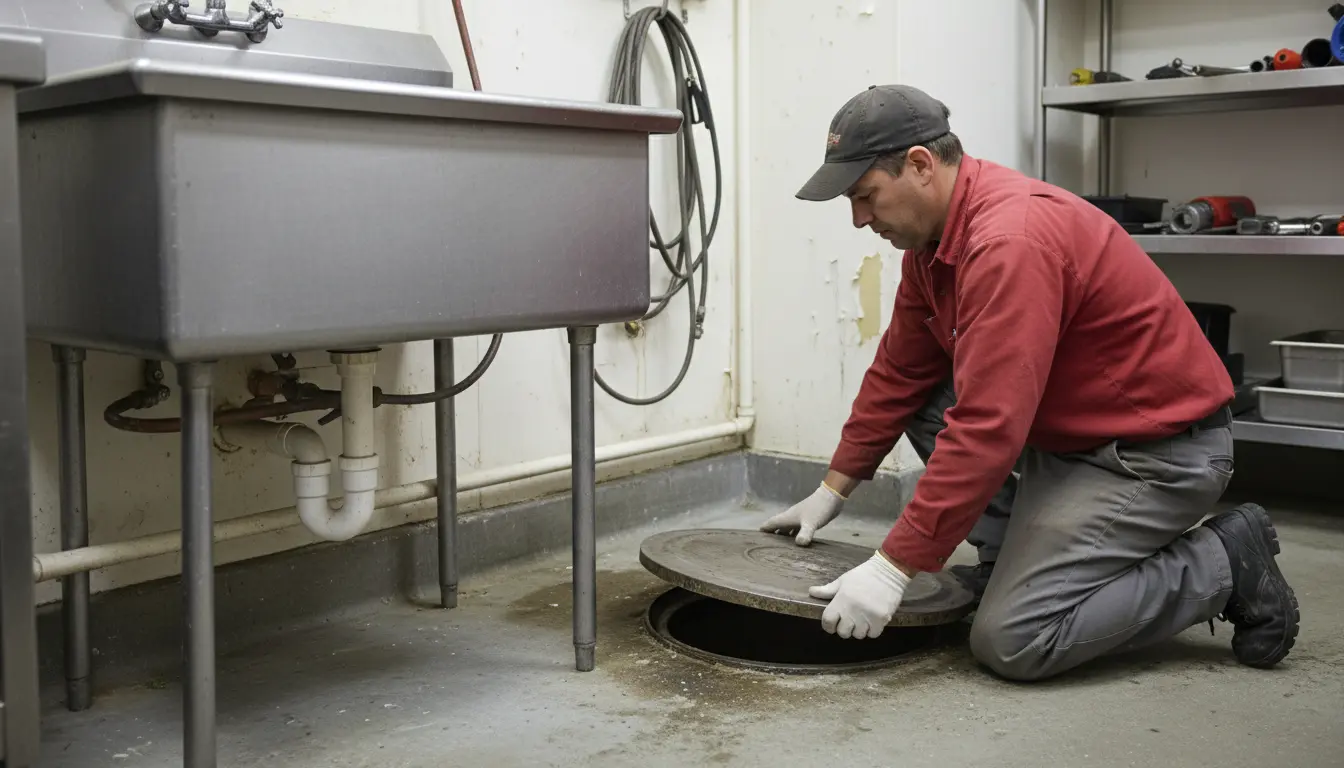
Find the Best Grease Trap Cleaning Companies for Your Business
No obligation • Fast responses • Nationwide coverage

Why you can trust Restaurant Waste Disposal
Restaurant Waste Disposal is a leading U.S. resource for comparing restaurant composting, food-waste recycling, grease trap cleaning, and used cooking oil collection services. Our editorial team researches providers, checks credentials, and organizes unbiased information so operators can make informed decisions. Companies cannot pay to change ratings or placement.
Search providers near you
Top Grease Trap Cleaning Companies in Wylie, Texas Ranked
For any restaurant or food service establishment in Wylie, proper grease trap maintenance is not just a best practice-it's a legal requirement. Local ordinances, aligned with Texas Commission on Environmental Quality (TCEQ) standards, mandate a strict schedule for cleaning and servicing these essential Fats, Oils, and Grease (FOG) interceptors. Failure to comply can lead to severe penalties, including fines and potential business disruption. Beyond compliance, a well-maintained grease management system protects your plumbing, prevents costly sewer backups, and contributes to the health of the city's wastewater infrastructure. This guide outlines the key regulations, costs, and best practices for effective grease interceptor service in Wylie.
Roto-Rooter Plumbing & Water Cleanup
1225 Belt Line Rd Ste 103A, Garland, TX 75040
Roto-Rooter Plumbing & Water Cleanup provides comprehensive plumbing and water cleanup services in Fort Worth, TX, specializing in both residential and commercial plumbing needs. Their offerings include sewer and drain cleaning, grease trap maintenance, water heater repair and installation, floodwater cleanup, and mold remediation. The company uses advanced equipment such as hydro-jetting for drain cleaning and offers trenchless sewer line repair methods. Serving Garland and surrounding counties, Roto-Rooter has extensive experience handling complex plumbing systems and emergency situations. They provide 24/7 emergency plumbing services to address urgent issues promptly.
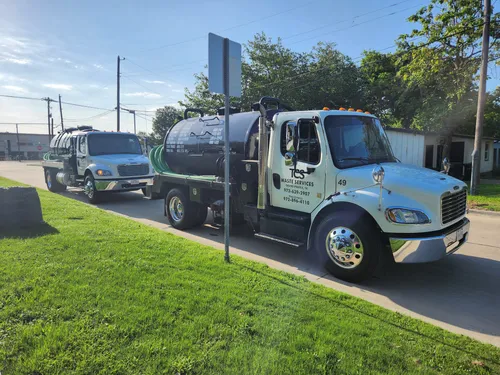
TCS Grease Trap Cleaners
Fort Worth, TX
TCS Grease Trap Cleaners provides grease trap cleaning services in Fort Worth, TX. The company focuses on customer satisfaction by treating clients as lifetime partners and seeking regular feedback to improve service quality. They offer thorough grease trap cleaning and go beyond basic expectations to ensure a positive experience.
Roto-Rooter Plumbing & Water Cleanup
3817 Conflans Rd, Irving, TX 75061
Roto-Rooter Plumbing & Water Cleanup provides comprehensive plumbing and water cleanup services in Fort Worth, TX, specializing in both residential and commercial plumbing needs. Their offerings include sewer and drain cleaning, grease trap cleaning, water heater repairs and installation, floodwater cleanup, mold remediation, and emergency plumbing services. The company uses advanced equipment such as hydro-jetting and camera inspections to address plumbing issues efficiently. Serving the Irving area and surrounding counties, Roto-Rooter has extensive experience handling complex commercial plumbing systems and offers 24/7 emergency service to address urgent plumbing problems at any time.
Roto-Rooter Plumbing & Water Cleanup
1412 Main St Ste 620, Dallas, TX 75202
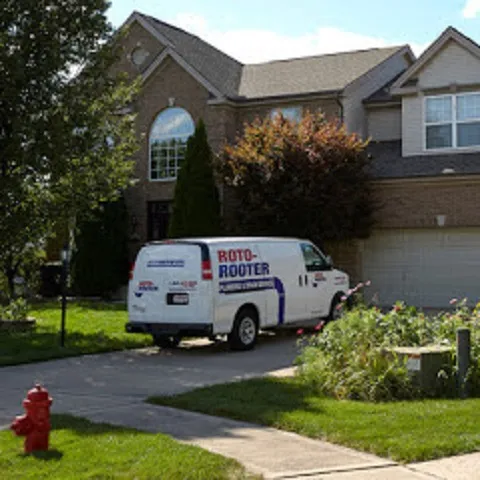
Roto-Rooter Plumbing & Water Cleanup is a licensed and insured plumbing company serving Fort Worth, TX. They offer a wide range of plumbing services including drain cleaning, grease trap pumping, water heater repair and installation, sewer line inspection and repair, and water damage cleanup. The company uses advanced diagnostic tools and hydro-jetting equipment to address local plumbing challenges such as clay-heavy soil and aging systems. Roto-Rooter has been a trusted name in plumbing since 1935 and provides 24/7 emergency services to handle urgent plumbing issues at any time.
Roto-Rooter Plumbing & Water Cleanup
903 18th St Ste 216, Plano, TX 75074
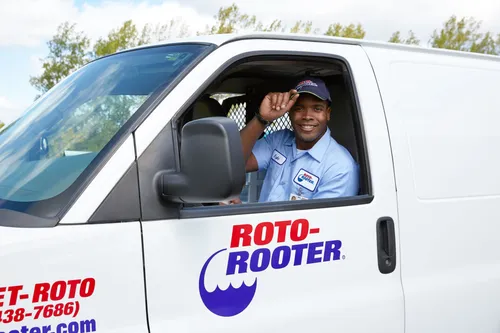
Roto-Rooter Plumbing & Water Cleanup provides comprehensive plumbing and water cleanup services in Fort Worth, TX, specializing in both residential and commercial needs. Their offerings include floodwater cleanup, sewer and drain cleaning, water heater repairs, grease trap maintenance, and mold remediation. The company uses advanced equipment such as high-pressure water jetting (hydro-jetting) and trenchless sewer repair technology to address complex plumbing issues. Serving the greater Plano area and surrounding counties, Roto-Rooter is available 24/7 for emergency plumbing and water cleanup services, ensuring rapid response to urgent situations.
Understanding Wylie's Grease Trap Regulations
Wylie's local ordinances for grease control are designed to prevent FOG from entering the municipal sewer system, where it can solidify and cause major blockages. These rules are typically enforced by the City's Public Works or Health Department. The cornerstone of compliance is adhering to a mandated cleaning frequency and maintaining meticulous records.
- Cleaning Frequency: The standard rule is to have your grease interceptor cleaned when solids and grease accumulate to 25-50% of the wetted height of the trap. For most establishments, this necessitates service at least every 90 days, if not more frequently 1 2. High-volume kitchens or those serving fried foods will likely require more frequent pumping.
- Proper Disposal: It is illegal to simply discard trapped grease. All waste must be completely removed and transported by a hauler licensed by the TCEQ for legal disposal.
- Record Keeping: Upon each service, your hauler should provide a manifest, often called a "trip ticket." This document is a critical legal record, detailing the date, volume removed, hauler information, and disposal site. You must keep these manifests on file for inspection.
- Trap Location: Regulations generally require exterior installation with easy, unobstructed access for cleaning equipment 3. This ensures service can be performed efficiently and completely.
The Inspection Process and Penalties for Non-Compliance
City inspectors have the authority to examine your grease management practices to ensure compliance with local discharge limits for FOG, Biochemical Oxygen Demand (BOD), and other pollutants 4. During an inspection, they will typically:
- Review your maintenance manifests and cleaning schedule.
- Physically inspect the grease interceptor for proper function and signs of overflow or bypass.
- Check for any evidence of improper disposal or illegal dumping.
Penalties for violations can be substantial. Establishments found in non-compliance may face daily fines until the issue is corrected. In severe cases of repeated or willful neglect, the city can take actions that disrupt business operations 5. Proactive, preventative maintenance is the most effective strategy to avoid these costly scenarios.
Cost Factors for Grease Interceptor Service in Wylie
The cost of grease trap pumping and cleaning in Wylie varies based on several key factors. Understanding these can help you budget effectively and avoid unexpected expenses.
- Preventative/Routine Pumping: For a regularly maintained trap, the average cost for a standard service ranges from $250 to $400 6. This is the most cost-effective approach.
- Emergency Service: If a trap overflows, causes a backup, or requires emergency attention due to neglect, costs can skyrocket to $800 - $1,200 or more 7 8. Emergency fees, after-hours service charges, and potential plumbing repairs contribute to this significantly higher price.
- Key Cost Drivers:
- Trap Size and Type: Larger, underground grease interceptors cost more to pump than smaller, under-sink grease traps.
- Accessibility: Traps that are difficult to access may incur additional labor charges.
- Kitchen Volume and Menu: Establishments with high grease production (e.g., pizzerias, fried chicken restaurants) will require more frequent service, impacting annual costs.
- Service Provider: Prices can vary between licensed haulers, so it's wise to compare service scope and quotes.
Find the perfect grease trap cleaning companies for your needs
Get personalized recommendations and expert advice
Choosing a Licensed Service Provider
Selecting the right partner for your grease management is crucial. Always verify that any service provider you consider holds a current TCEQ license for waste transportation 9. A reputable hauler will not only perform the physical pumping but will also provide the necessary documentation, including the waste manifest, to prove proper disposal. They should be knowledgeable about Wylie's specific ordinances and able to advise on an optimal cleaning schedule for your operation.
Best Practices for Ongoing Maintenance
Beyond scheduled pumping, daily kitchen practices can extend the time between services and improve the efficiency of your grease interceptor.
- Scrape Plates Thoroughly: Minimize the amount of food solids and grease entering the drain by scraping dishes into the trash or compost before washing.
- Use Drain Screens: Install and regularly clean screens in sink drains to catch food particles.
- Avoid Grease Down the Drain: Never pour cooking oils, fats, or grease down any drain. Collect these in sealed containers for disposal or recycling.
- Educate Staff: Ensure all kitchen staff understand the importance of these practices and the role of the grease trap.
For the most accurate and current information regarding local codes, your first point of contact should be Wylie City Hall, specifically the Public Works or Water Department 10. They can provide the exact text of local ordinances and clarify inspection protocols. By combining regulatory knowledge, a relationship with a licensed hauler, and diligent in-house practices, Wylie restaurant owners can master their grease management, ensuring compliance, controlling costs, and protecting their business and community infrastructure.
Frequently asked questions
Sources
Footnotes
-
Model Standards for a Grease Ordinance - https://www.tceq.texas.gov/downloads/assistance/water/wastewater/fats-oils-grease/model-standard.pdf/@@download/file/model-standard.pdf ↩
-
Restaurants are Required to Maintain Grease Traps - https://www.defendyourdrainsnorthtexas.org/restaurants.html ↩
-
§ 51.64 LOCATION OF GREASE TRAP/INTERCEPTOR FOR ... - https://codelibrary.amlegal.com/codes/texascity/latest/texascity_tx/0-0-0-2479 ↩
-
The Ultimate Guide to Restaurant Grease Trap Pumping ... - https://epicseptic.com/the-ultimate-guide-to-restaurant-grease-trap-pumping-cleaning-in-central-texas/ ↩
-
Grease Trap Regulations and Maintenance - ReGrease - https://regrease.com/grease-trap-regulations-houston/ ↩
-
Dallas Grease Trap Cleaning: Essential Facility Maintenance ... - https://www.myshyft.com/blog/grease-trap-cleaning-dallas-texas/ ↩
-
Ultimate Grease Trap Pumping Cost Guide: Essential Money-Saving ... - https://www.texwaywastewater.com/grease-trap-pumping-cost/ ↩
-
How Much Does a Proper Grease Trap Cleaning Cost? - https://hulseyenvironmental.com/how-much-does-a-proper-grease-trap-cleaning-partner-cost/ ↩
-
Waste from Grease Traps, Grit Traps, and Septic Tanks - https://centertexas.org/sites/default/files/grease-sewer.pdf ↩
-
Restaurants are Required to Maintain Grease Traps - https://www.defendyourdrainsnorthtexas.com/restaurants.html ↩