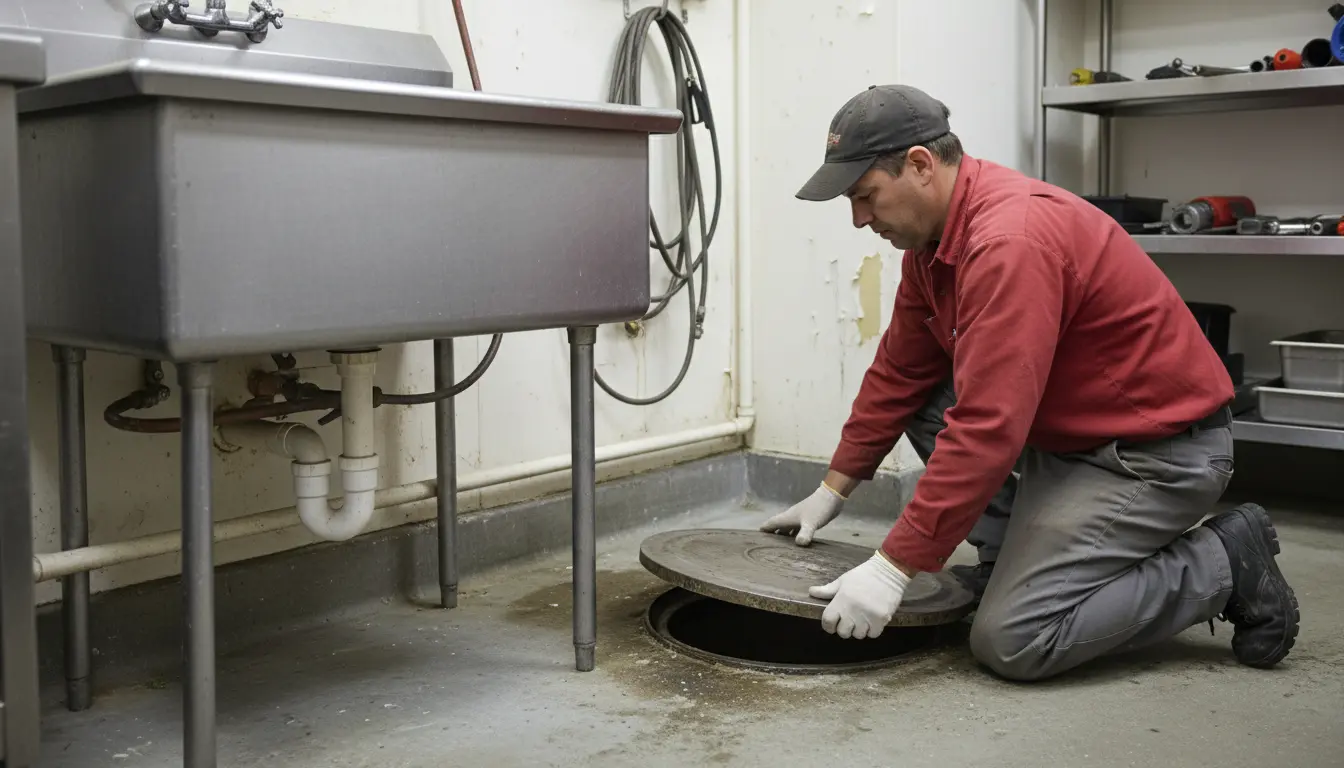
Find the Best Grease Trap Cleaning Companies for Your Business
No obligation • Fast responses • Nationwide coverage

Why you can trust Restaurant Waste Disposal
Restaurant Waste Disposal is a leading U.S. resource for comparing restaurant composting, food-waste recycling, grease trap cleaning, and used cooking oil collection services. Our editorial team researches providers, checks credentials, and organizes unbiased information so operators can make informed decisions. Companies cannot pay to change ratings or placement.
Search providers near you
Top Grease Trap Cleaning Companies in Lubbock, Texas Ranked
For restaurant owners and food service operators in Lubbock, maintaining a clean and compliant grease trap or interceptor is a critical, non-negotiable part of daily operations. The City of Lubbock enforces strict Fats, Oils, and Grease (FOG) regulations to protect the municipal sewer system from costly blockages and environmental damage. Regular grease interceptor maintenance is not just about avoiding fines; it's essential for preventing disruptive and expensive sewage backups that can shut down your kitchen. This guide outlines the local requirements, best practices, and key considerations for effective grease management in Lubbock.

C2 Pump Services
Lubbock, TX
C2 Pump Services is a family-owned septic cleaning company based in Lubbock, TX, serving residential and commercial property owners in Lubbock and the surrounding areas. They provide a range of services including septic tank cleaning, grease trap cleaning, and grit trap cleaning. With over eight years of experience, C2 Pump Services is licensed and insured, offering professional help for clogged plumbing lines and septic systems.
Berryhill Sewer Service Inc.
3421 N Loop 289, Lubbock, TX 79415
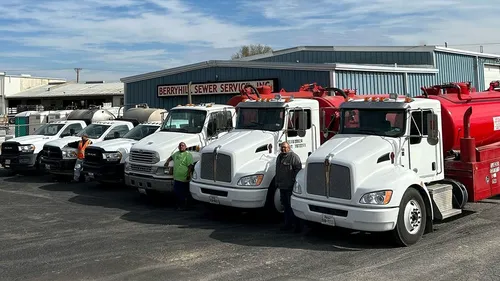
Berryhill Sewer Service Inc. is a veteran-owned and family-operated company based in Lubbock, TX, serving the local community and surrounding areas since 1946. They specialize in septic tank pumping, grease trap cleaning, mud pit pumping, and offer portable toilet and handwashing station rentals, including ADA-compliant options. The company is licensed, insured, and Gatefeed-certified, providing services designed to maintain and protect septic systems and commercial sanitation needs. With nearly 80 years of experience, Berryhill Sewer Service is known for its transparent pricing, free same-day estimates, and discounts for veterans and first responders.
Understanding Lubbock's Grease Interceptor Regulations
Compliance starts with knowing the rules set by the City of Lubbock's Water Utilities Department and Building Inspections Division. The local code mandates specific maintenance, installation, and record-keeping protocols for all commercial food preparation facilities.
Key Compliance Requirements:
- Pumping Frequency: Grease interceptors must be pumped out a minimum of every 90 days (quarterly). For high-volume establishments or under-sink grease traps, monthly service may be required.
- Complete Waste Removal: During service, all contents-including solids, sludge, and liquid-must be fully removed. Decanting or discharging wastewater back into the interceptor or sewer line is strictly prohibited 1.
- Proper Installation: New or replaced interceptors must have sample ports and sealed lids, often requiring a specific sealant like Ram-Nek, and must be sized according to the International Plumbing Code and local amendments 2 3.
- Mandatory Record-Keeping: You are required to keep pump-out manifests, commonly called "trip tickets," on-site for a minimum of three years. These documents are the primary evidence of compliance during inspections.
The Inspection and Enforcement Process
The City of Lubbock takes FOG control seriously. Inspections are typically conducted by the Building Inspections Department during construction or remodeling projects that require permits 4. However, the Water Utilities Department is responsible for ongoing enforcement of the FOG program 5.
If violations are found-such as missing manifests, an overfull interceptor, or evidence of improper discharge-the facility can face significant fines and penalties. In some cases, with sufficient supporting data from regular FOG testing, a business may petition for an alternative pumping schedule, but the default and enforced standard is the 90-day cycle 6.
The Real Cost of Grease Trap Service in Lubbock
Viewing grease interceptor cleaning as a routine operational expense is far more economical than treating it as an emergency. Service costs can vary widely based on several factors.
What Influences the Price?
- Interceptor Size: A small under-sink trap will cost less to service than a large, in-ground 1,000-gallon interceptor.
- Volume of Waste: The amount of FOG and solids accumulated directly impacts disposal costs.
- Accessibility: Easily accessible traps are quicker and cheaper to service than those in confined or difficult-to-reach areas.
- Service Type: Scheduled, preventive maintenance is consistently less expensive than an emergency call-out for a clogged or overflowing unit.
While prices can range from approximately $175 for a basic service to over $2,500 for large-scale or complex emergencies, a typical quarterly service for a standard-sized interceptor often falls within a predictable range 7 8 9. Investing in a regular service contract is a proven strategy to stabilize this cost and prevent the much higher expenses associated with sewer line repairs, city fines, and operational downtime 7 8.
Find the perfect grease trap cleaning companies for your needs
Get personalized recommendations and expert advice
Consequences of Non-Compliance and Neglect
Failing to adhere to Lubbock's grease management program has direct and severe consequences for a restaurant. Beyond the immediate financial penalty from city fines, neglect is the leading cause of kitchen disasters.
- Sewer Backups: A clogged interceptor can cause raw sewage to back up into sinks, floor drains, and ultimately, your kitchen. This creates an immediate health hazard, forces a shutdown, and requires extensive, costly cleanup.
- Damage to Public Infrastructure: FOG discharged into the sewer lines cools and solidifies, creating massive "fatbergs" that block city mains. Restaurants found contributing to such blockages can be held liable for the municipal repair costs.
- Operational Shutdowns: Whether by city order due to a violation or by necessity from an internal backup, being forced to close your doors means lost revenue and damaged reputation.
Best Practices for Effective Grease Management
Compliance is the baseline; excellence in grease management involves proactive habits.
- Train Your Staff: Ensure kitchen staff understand what can and cannot go down the drain. Scrape food scraps into trash or compost bins before washing, and never pour grease from fryers or pans into sinks.
- Maintain Detailed Records: Keep your trip tickets in an organized, easily accessible log. Digital or physical, this log is your first line of defense during an inspection.
- Schedule Proactively: Don't wait for the 90-day mark to schedule service. Plan your pump-outs in advance and consider aligning them with slower business periods.
- Inspect Between Services: Visually check your interceptor's inlet and outlet baffles periodically. If you notice slow drainage or foul odors, contact your service provider before a full blockage occurs.
- Choose a Reputable Service Partner: Work with a licensed, insured, and knowledgeable provider familiar with Lubbock's specific codes. They should provide detailed manifests and proper waste disposal documentation.
Implementing a robust program for grease interceptor maintenance and kitchen best practices protects your business, supports the city's infrastructure, and ensures your restaurant runs smoothly.
Frequently asked questions
Sources
Footnotes
-
January 1, 2025 TO: Water Utilities Customers FROM - City of Lubbock - https://mylubbock.us/storage/images/cODQvoDBqunTv2zdg1thrz9vPlNSQxbPHcbdJg73.pdf ↩
-
City of Lubbock, Texas - Departments | Water Utilities Department - https://mylubbock.us/greaseinterceptors ↩
-
Guidelines for Commercial Cooking Operations - https://ci.lubbock.tx.us/storage/images/Q2StaaFkSajMEWg1jJEvqchlDCYMUZlSWgzlbuBG.pdf ↩
-
Grease Interceptor Regulations - City of Lubbock - https://ci.lubbock.tx.us/storage/images/0R5o39BXWQkFvmB0oPTLsOpueZqwjvDuKalQ5U3p.pdf ↩
-
City of Lubbock, TX Fats, Oils, and Grease - eCode360 - https://ecode360.com/38871618 ↩
-
Water and Sewer Customers FROM: Greg Zielinski, CBO, C - https://ci.lubbock.tx.us/storage/images/6ElPbSRfk2SwPLGISSHV5Bx6ihGLFaRhBjXGTQ0H.pdf ↩
-
Ultimate Grease Trap Pumping Cost Guide: Essential Money-Saving ... - https://www.texwaywastewater.com/grease-trap-pumping-cost/ ↩ ↩2
-
Why Central Texas Restaurants Need Quarterly Grease Trap ... - https://epicseptic.com/why-central-texas-restaurants-need-quarterly-grease-trap-service-contracts-and-a-partner-like-epic/ ↩ ↩2
-
Dallas Grease Trap Cleaning: Essential Facility Maintenance Guide - myshyft.com - https://www.myshyft.com/blog/grease-trap-cleaning-dallas-texas/ ↩