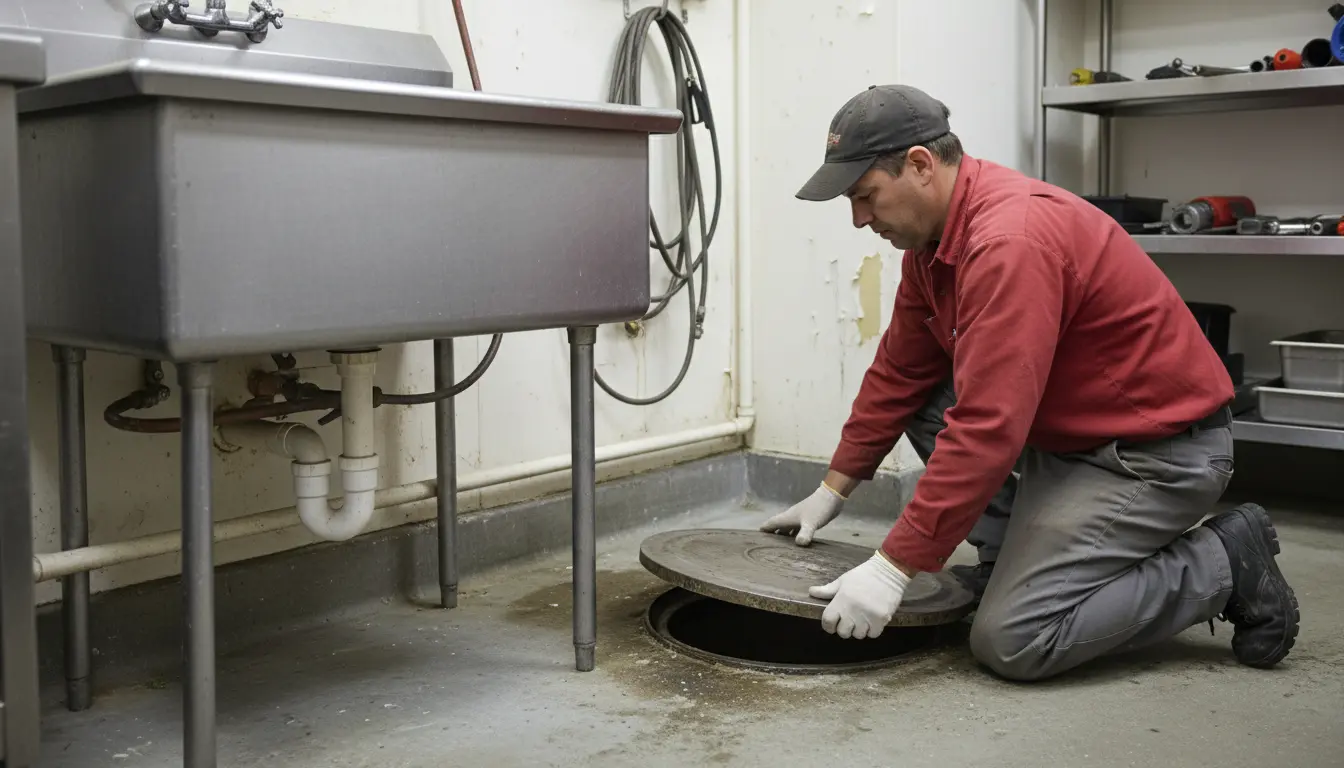
Find the Best Grease Trap Cleaning Companies for Your Business
No obligation • Fast responses • Nationwide coverage

Why you can trust Restaurant Waste Disposal
Restaurant Waste Disposal is a leading U.S. resource for comparing restaurant composting, food-waste recycling, grease trap cleaning, and used cooking oil collection services. Our editorial team researches providers, checks credentials, and organizes unbiased information so operators can make informed decisions. Companies cannot pay to change ratings or placement.
Search providers near you
Top Grease Trap Cleaning Companies in Houston, Texas Ranked
For any restaurant or food service establishment in Houston, proper grease trap maintenance isn't just a good idea-it's a legal requirement. The City of Houston enforces strict Fats, Oils, and Grease (FOG) regulations to protect the municipal sewer system from blockages and costly overflows. Compliance hinges on regular, professional grease interceptor cleaning and meticulous record-keeping. Failure to adhere can result in significant fines, increased inspections, and even the potential for service disruption. This guide outlines the essential rules, best practices, and local considerations for keeping your kitchen compliant and your operations running smoothly.
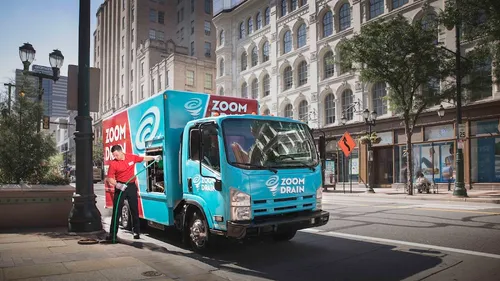
Zoom Drain
1304 Langham Creek Dr suite 466, Houston, TX 77084
Zoom Drain is a specialized drain and sewer service provider based in Sugar Land, TX, serving Houston and surrounding areas. They focus exclusively on drain and sewer solutions for residential and commercial clients, offering services such as drain cleaning, emergency drain repairs, hydro jetting, and sewer line inspections. Their expertise includes advanced diagnostic techniques and preventive maintenance programs to address and prevent drainage issues. Zoom Drain also provides specialized grease trap maintenance and tailored maintenance plans for various industries. The company is known for its detailed approach and use of cutting-edge technology to ensure effective and lasting results.
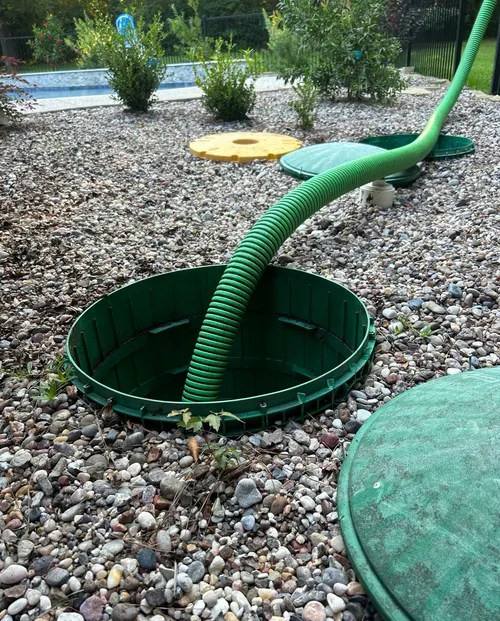
Wilkinson Septic Services
1007 TX-150, New Waverly, TX 77358
Wilkinson Septic Services is a family-owned company based near Houston, TX, specializing in septic tank and grease trap cleaning. They provide regular maintenance to help extend the lifespan of septic systems and prevent common issues such as backups and odors. Their services include septic tank pumping and grease trap cleaning, which helps protect kitchen plumbing and sewer systems. The company emphasizes scheduling maintenance to keep systems functioning properly and offers service that supports property value preservation.
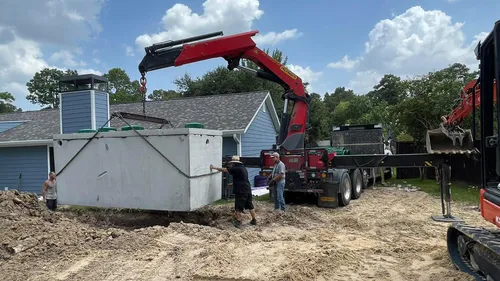
Septic Pro Services
17355 Reiss Trail, New Caney, TX 77357
Septic Pro Services is a licensed and insured septic system provider based in New Caney, serving Houston, TX. They offer a full range of services including septic system design, installation, pumping, repair, and maintenance, as well as grease trap cleaning and drain jetting. The company holds an onsite sewage facility installation license and works with various system types, including conventional and aerobic systems. Septic Pro Services provides 24/7 emergency services and same-day or next-day responses depending on the time of the call. Their installation work comes with a two-year warranty, and components have a one-year warranty.
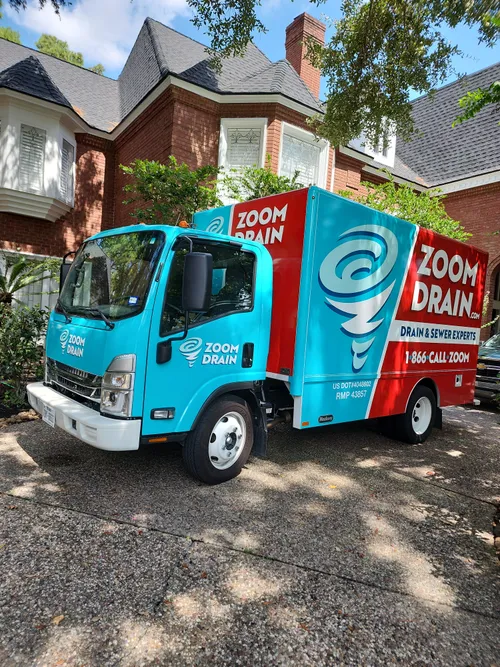
Zoom Drain
3336 Spring Stuebner Rd Ste G, Spring, TX 77389
Zoom Drain is a drain and sewer service provider based in Conroe, TX, serving Spring, Houston, Humble, Kingwood, New Caney, Porter, and surrounding areas. They offer residential and commercial services including drain and sewer inspection, cleaning, repair, pump replacements, commercial grease trap maintenance, and septic tank services. Their technicians use advanced technology such as pipe cameras to diagnose and address issues quickly and accurately. Zoom Drain also specializes in hydro jetting to clear blockages and can repair or replace damaged pipes. The company is family owned and known for providing same-day and next-day service.
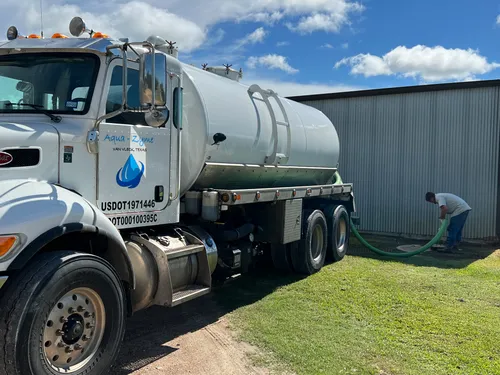
Aqua-Zyme Services (Septic, Grease traps, Port-a-Potty, Rolloff Trash Containers)
569 FM 2540, Van Vleck, TX 77482
Aqua-Zyme Services provides waste disposal and water treatment solutions in Houston, TX. They offer a range of services including septic pumping, grease trap cleaning, portable toilet rentals, rolloff trash containers, and composting services. The company specializes in dewatering equipment rental and sales, which helps industries reduce the volume and weight of semi-solid waste. With over 20 years of experience, Aqua-Zyme operates disposal sites in Texas and supports businesses in managing liquid waste efficiently.
Understanding Houston's FOG Regulations
Houston's FOG program is jointly administered by the Houston Health Department and the Public Works & Engineering Department. Their goal is to prevent sewer line blockages and the environmental damage caused by sanitary sewer overflows. When grease from commercial kitchens enters the wastewater system, it cools and solidifies, creating massive blockages that are expensive for the city to repair and can lead to fines for the responsible businesses.
The cornerstone of the regulation is the mandatory cleaning frequency. Establishments must have their grease traps or interceptors serviced at least every 90 days (quarterly), or more frequently if the accumulation of floating grease and settled solids reaches 25% of the trap's wetted height, whichever comes first 1 2. For high-volume kitchens, such as those in busy restaurants or cafeterias, cleaning every 30-60 days is often necessary to stay within this limit and avoid violations.
The Inspection Process and Penalties for Non-Compliance
City inspectors can arrive for a scheduled inspection or in response to a complaint. Common triggers include reports of slow-draining sinks, visible grease in discharge, or as part of a random compliance check 3. During an inspection, officials will check for proper documentation and may take a wastewater sample to test for Oil and Grease (O&G) concentration.
The legal discharge limit is critical. A reading exceeding 400 mg/L of O&G is a direct violation that triggers enforcement action 4. Penalties escalate quickly and can include:
- Substantial fines.
- Mandatory, more frequent inspections.
- Charges for any required follow-up inspections.
- In severe or repeat cases, the potential for water service disconnection until the issue is resolved 5 6 7.
Essential Documentation and Record-Keeping
You cannot prove compliance without the proper paperwork. After each service, your licensed hauler will provide a multi-part manifest. You must retain the white and yellow copies of this manifest on-site for a minimum of five years and have them readily available for inspectors. This document is your primary proof that maintenance is being performed by a permitted professional. A missing manifest is treated the same as a missed cleaning.
Some low-volume establishments may qualify for a waiver to extend the cleaning interval beyond 90 days. However, this requires a formal application and approval process with the city-it is not automatic 8. Even with a waiver, regular monitoring is essential.
Best Management Practices for Your Kitchen
Professional cleaning is only one part of an effective FOG control program. Implementing kitchen-level Best Management Practices (BMPs) reduces the load on your trap, extends time between services, and minimizes the risk of a violation.
- Dry Wiping: Train staff to dry-wipe pots, pans, and dishware before rinsing or washing. This simple step prevents large amounts of grease from entering the drain.
- Use Strainers: Install and maintain strainers in all sink drains to catch food solids.
- Separate Fryer Oil: Never pour used cooking oil from fryers down the drain. It should be collected separately in containers for recycling by a licensed used cooking oil collector.
- Avoid Emulsifiers: Do not use enzyme-based or emulsifier drain "cleaners." These products break grease into smaller particles that may pass through the trap only to re-coagulate further down the sewer line, causing blockages you can be held responsible for 9 10.
- Maintain a Log: Keep a simple kitchen log to note any issues like slow drains, which can be an early warning sign that your trap needs attention.
Find the perfect grease trap cleaning companies for your needs
Get personalized recommendations and expert advice
Cost Considerations for Service in Houston
The cost for grease interceptor pumping in Houston varies based on the size of your trap, its accessibility, how much accumulated waste needs to be removed, and your chosen service provider. For basic, preventative cleaning of a smaller trap on a standard schedule, you might expect starting prices in the range of $175 to $225 per service visit 11 12. The average cost for a standard commercial service in the area typically falls between $286 and $412, with a wider overall range observed from about $97 to over $700 depending on specific circumstances 11 13. Investing in proactive, regular maintenance at a predictable interval is almost always more cost-effective than facing emergency service calls, city fines, or operational shutdowns.
Choosing a Service Provider
Not all waste haulers are equal in the eyes of the city. You must use a licensed and permitted hauler to ensure the waste is disposed of properly and that you receive the correct, official manifest documentation. When evaluating providers, look for companies with proven experience serving Houston restaurants and a clear understanding of local Health Department and Public Works requirements. They should be able to advise you on an optimal service schedule based on your specific kitchen volume and provide consistent, reliable service to help you maintain an uninterrupted inspection record.
The Importance of Proactive Maintenance
Viewing grease trap maintenance as a proactive operational necessity, rather than a reactive expense, is the key to long-term compliance and peace of mind. A well-maintained grease interceptor prevents foul odors, keeps kitchen drains flowing freely, and forms the foundation of your establishment's environmental responsibility. By partnering with a knowledgeable service provider and instilling strong BMPs in your daily operations, you protect your business from regulatory headaches and contribute to the health of Houston's infrastructure.
Frequently asked questions
Sources
Footnotes
-
How to Prepare Your Kitchen for a City of Houston Grease ... - https://draneranger.com/2025/11/17/how-to-prepare-your-kitchen-for-a-city-of-houston-grease-trap-inspection/ ↩
-
Best Management Practices for Food Service Establishments - https://www.houstonhealth.org/media/301/download?attachment ↩
-
Grease Trap Inspections | Sugar Land, TX - Official Website - https://www.sugarlandtx.gov/628/Grease-Trap-Inspections ↩
-
Grease Trap Service - ReGrease - https://regrease.com/grease-trap-maintenance/ ↩
-
Houston Grease Trap Rules: Stay Compliant and Avoid Fines - https://www.pilotconstruct.com/blog/houston-grease-trap-rules-stay-compliant-and-avoid-fines ↩
-
Best Management Practices for Food Establishments - https://www.houstonhealth.org/media/11581/download?attachment ↩
-
The Ultimate Guide to Restaurant Grease Trap Cleaning - https://mokherplumbing.com/ultimate-guide-restaurant-grease-trap-cleaning/ ↩
-
Houston Grease Trap Rules: Stay Compliant and Avoid Fines - https://www.pilotconstruct.com/blog/houston-grease-trap-rules-stay-compliant-and-avoid-fines?hs_amp=true ↩
-
5 Things to Know about Houston FOG Regulations - ReGrease - https://regrease.com/blog/houston-fog-regulations/ ↩
-
Grease Trap Pumping Near Harris County, Texas ... - https://brownaerobic.com/grease-trap-pumping-near-harris-county-texas ↩
-
The Cost To Clean A Grease Trap For Restaurants - https://thegreasecompany.com/blog/greasetrapcleaningcost/ ↩ ↩2
-
Grease Trap Cleaning - https://northbayrestaurantservices.com/grease-trap-cleaning-bay-area/ ↩
-
Grease Trap in Houston, TX - Costs 11 / 2025 - Homeyou - https://www.homeyou.com/tx/grease-trap-houston-costs ↩