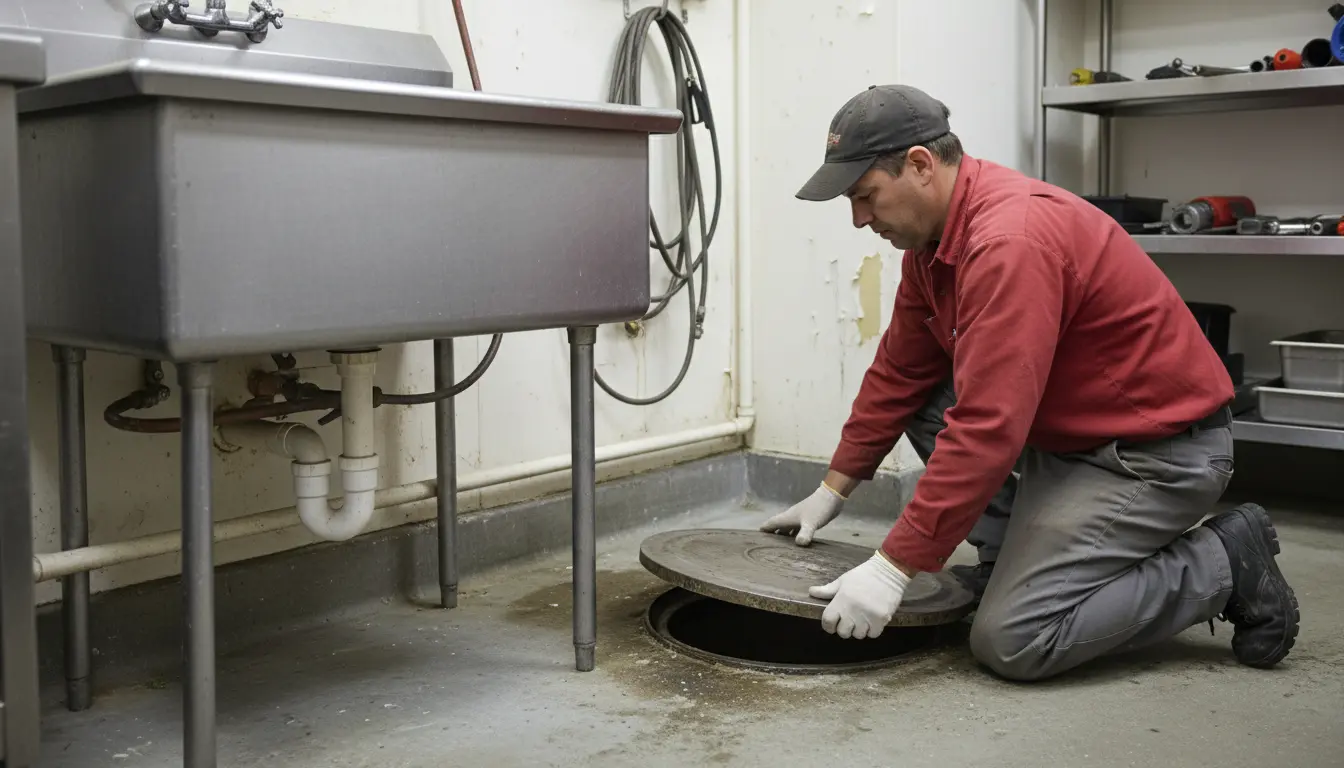
Find the Best Grease Trap Cleaning Companies for Your Business
No obligation • Fast responses • Nationwide coverage

Why you can trust Restaurant Waste Disposal
Restaurant Waste Disposal is a leading U.S. resource for comparing restaurant composting, food-waste recycling, grease trap cleaning, and used cooking oil collection services. Our editorial team researches providers, checks credentials, and organizes unbiased information so operators can make informed decisions. Companies cannot pay to change ratings or placement.
Search providers near you
Top Grease Trap Cleaning Companies in Temple, Texas Ranked
For any restaurant or food service establishment in Temple, proper grease trap cleaning is a critical operational and legal requirement. The City of Temple enforces specific regulations to prevent fats, oils, and grease (FOG) from entering the municipal sewer system, where they can cause costly blockages, backups, and environmental damage. Staying compliant isn't just about avoiding fines; it's about protecting your business, your plumbing, and the city's infrastructure. This guide outlines the essential rules, best practices, and cost considerations for maintaining your grease interceptor in Temple.
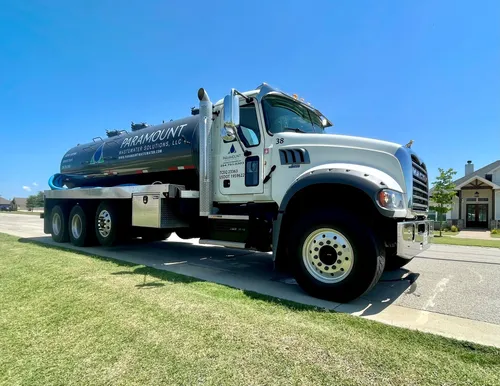
Understanding Temple's Grease Trap Regulations
Temple's regulations for grease management are designed to be clear and enforceable, ensuring all food service establishments contribute to a healthy sewer system. Compliance is monitored by the city's Public Works Department and Health Department through routine inspections.
Key Mandatory Requirements:
- Cleaning Frequency: Grease traps or interceptors must be pumped and cleaned by a licensed hauler at least every 90 days. However, they must be serviced whenever 25% or more of the unit's volume (from the bottom to the outlet pipe) contains floating FOG or settled solids 1 2.
- Licensed Haulers: All waste must be removed and transported by a hauler registered with the Texas Commission on Environmental Quality (TCEQ). You cannot pump the trap yourself or use an unlicensed service 3.
- Location and Access: Grease interceptors are generally required to be installed outdoors, with clear and adequate access for service vehicles and inspection personnel.
- Record Keeping: You must maintain detailed records of all grease interceptor maintenance. This includes receipts and service reports from your licensed hauler, noting the date, volume removed, and the hauler's information. These documents must be available for review during city inspections.
The Real Cost of Non-Compliance
Failing to adhere to Temple's grease trap ordinance can lead to significant financial and operational headaches for a business. Enforcement actions are taken seriously to protect public infrastructure.
Potential consequences include:
- Substantial Fines: The city can levy heavy fines for violations, which often far exceed the cost of regular, scheduled maintenance.
- Business Disruption: In severe cases, or for repeat offenses, the city may require your establishment to cease operations until the violation is corrected and all fines are paid.
- Additional Fees: You may be responsible for the cost of cleaning any sewer blockages caused by your establishment's FOG discharge, plus any associated city administrative fees 4.
Proactive maintenance is always the most cost-effective strategy, safeguarding your business from these punitive measures.
What to Expect: Grease Trap Cleaning Costs in Temple
The cost for professional grease trap pumping in Temple is not fixed; it varies based on several factors related to your specific establishment. Understanding these can help you budget effectively.
Typical Cost Range: For a standard, scheduled cleaning service every 90 days, many restaurants can expect costs to range from approximately $250 to $400 per service. This is a baseline for routine maintenance on an accessible, regularly serviced trap.
Factors That Influence Price:
- Trap Size and Condition: Larger interceptors or those with extreme buildup will cost more to clean.
- FOG Content: Traps with a higher concentration of solidified grease and solids require more labor and disposal costs.
- Accessibility: Traps that are difficult for service trucks to reach may incur additional charges.
- Service Type: An emergency service call for a clogged or overflowing trap is significantly more expensive, often ranging from $800 to $1,200 or more, due to the immediate response and higher labor intensity 5 6 7.
Find the perfect grease trap cleaning companies for your needs
Get personalized recommendations and expert advice
A Proactive Maintenance Checklist for Temple Restaurants
Moving beyond mere compliance to best practices can extend the life of your equipment and minimize risks.
1. Verify Installation Location: Ensure your grease interceptor is installed in an approved outdoor location with unimpeded access for pumping trucks. 2. Schedule Proactively: Don't wait for the 90-day mark if your trap fills quickly. Book your licensed hauler on a consistent schedule, perhaps monthly for high-volume kitchens, to prevent overfilling. 3. Implement Comprehensive Staff Training: Every employee should understand that grease goes in the grease barrel, not down the drain. Train staff on using sink screens, scraping plates thoroughly, and proper cleaning methods that minimize FOG entering the drains. 4. Maintain Impeccable Records: Create a dedicated file-digital or physical-for every service receipt and report. This makes city inspections quick and painless and provides a clear maintenance history.
The Role of Employee Training in Grease Management
Your grease trap is the last line of defense. The first line is your kitchen staff. Effective internal grease control practices dramatically reduce the load on your interceptor, leading to fewer service calls and lower costs.
Essential training points include:
- Dry Wiping: Encourage wiping pots, pans, and dishes with a paper towel before rinsing to capture grease.
- Use of Collection Containers: Designate sturdy, leak-proof containers for collecting cooled fryer oil, meat fats, and greasy food scraps.
- "No Grease Down the Drain" Policy: Make this a fundamental kitchen rule, as emphasized by the city's guidelines 8. Post clear signs above sinks and dish stations as a constant reminder.
By fostering a culture of grease awareness, you turn compliance from a chore into a standard part of your kitchen's daily routine.
Frequently asked questions
Sources
Footnotes
-
Restaurants and Food Preparation Facilities - TempleTX.gov - https://www.templetx.gov/departments/city_departments/public_works/drainage/storm_water_management_program/restaurants_and_food_preparation_facilities.php ↩
-
§ 51.64 LOCATION OF GREASE TRAP/INTERCEPTOR FOR ... - https://codelibrary.amlegal.com/codes/texascity/latest/texascity_tx/0-0-0-2479 ↩
-
Waste from Grease Traps, Grit Traps, and Septic Tanks - https://centertexas.org/sites/default/files/grease-sewer.pdf ↩
-
Grease Trap Regulations and Maintenance - ReGrease - https://regrease.com/grease-trap-regulations-houston/ ↩
-
Grease Trap Regulations and Compliance: What You Need to ... - https://www.texwaywastewater.com/grease-trap-regulations-and-compliance/ ↩
-
Ultimate Grease Trap Pumping Cost Guide: Essential Money-Saving ... - https://www.texwaywastewater.com/grease-trap-pumping-cost/ ↩
-
Restaurant Grease Trap & Interceptor Cleaning Cost - https://greasemanagement.org/pricing.html ↩
-
Liquid Waste Ordinance FAQ - Generator (FSE) - Revize Website - https://cms9files.revize.com/templetx/Public%20Works/Utility%20Services/environmental/Food%20Service%20Establishment%20FAQs.pdf ↩