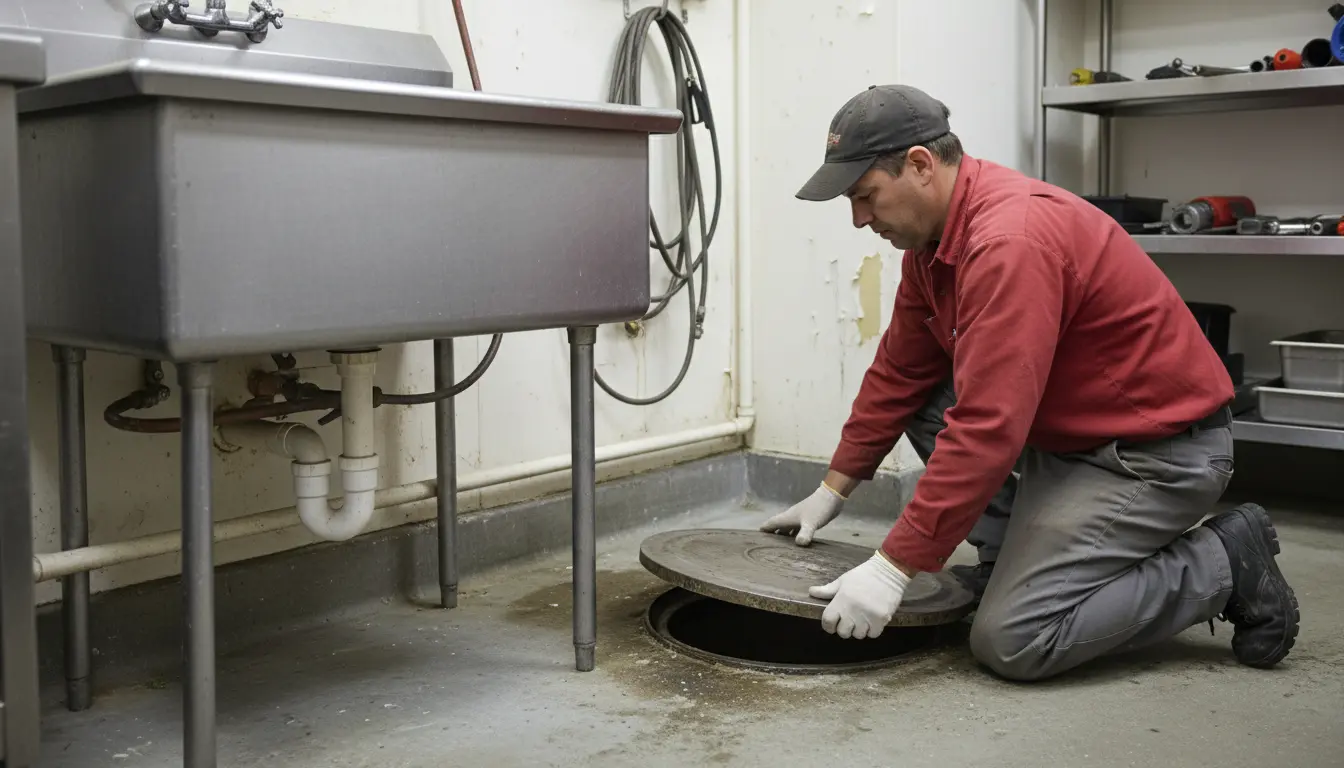
Find the Best Grease Trap Cleaning Companies for Your Business
No obligation • Fast responses • Nationwide coverage

Why you can trust Restaurant Waste Disposal
Restaurant Waste Disposal is a leading U.S. resource for comparing restaurant composting, food-waste recycling, grease trap cleaning, and used cooking oil collection services. Our editorial team researches providers, checks credentials, and organizes unbiased information so operators can make informed decisions. Companies cannot pay to change ratings or placement.
Search providers near you
Top Grease Trap Cleaning Companies in Port Arthur, Texas Ranked
For restaurant owners and food service operators in Port Arthur, maintaining a properly functioning grease trap or interceptor is a critical and non-negotiable part of daily operations. These essential plumbing devices capture fats, oils, and grease (FOG) from kitchen wastewater, preventing them from entering the city's sewer system where they can cause costly blockages, backups, and environmental damage. Compliance with local ordinances and Texas Commission on Environmental Quality (TCEQ) regulations isn't just about avoiding fines-it's about protecting your business, your community's infrastructure, and public health. This guide provides a detailed overview of everything you need to know about grease interceptor maintenance, compliance, and best practices specifically for Port Arthur establishments.
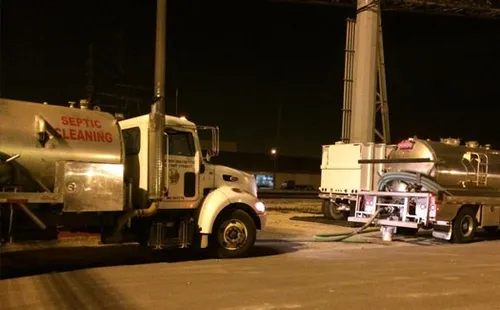
A.S.A.P. Septic Cleaning & Vacuum Truck Services
3760 Hwy 1131, Vidor, TX 77662
A.S.A.P. Septic Cleaning & Vacuum Truck Services is a family-owned business based in Vidor, TX, serving Beaumont and other areas in Southeast Texas. They specialize in cleaning, servicing, and repairing aerobic and conventional septic systems, including septic pumping, jetting, tank cleaning, grease trap cleaning, drain services, sewer system repairs, pump replacement, and roto-rooting for clogged lines. The company is licensed by the Texas Commission of Environmental Quality and offers emergency services along with regular maintenance to help prevent costly septic system damage or replacement.
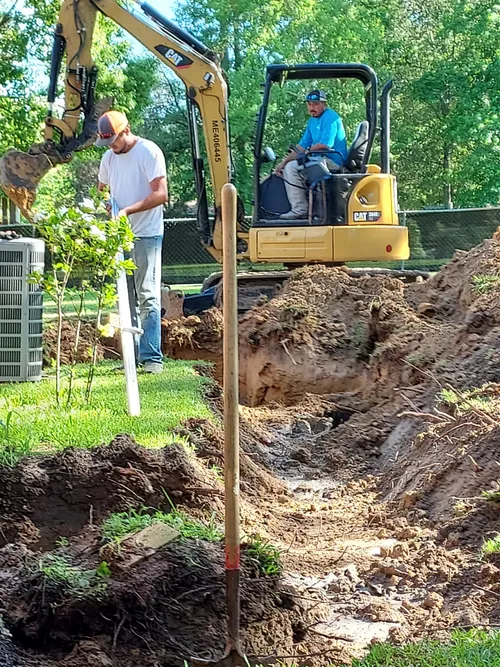
Team Jet of Jet Aeration of Texas LLC
3760 Hwy 1131, Vidor, TX 77662
Team Jet of Jet Aeration of Texas LLC, based in Beaumont, TX, offers water and wastewater solutions along with utility construction services. They serve residential, commercial, municipal, industrial, and marine clients, handling sales, design, installation, maintenance, and repair of related systems. Their capabilities include vacuum truck services, line jetting, hydro-blasting, and emergency or bypass pumping. Established in 1956, the company provides 24/7 disaster and emergency response with trained technicians and equipment ready for rapid deployment across Texas and Louisiana.
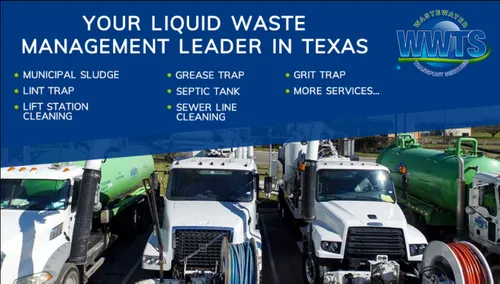
Wastewater Transport Services
4895 Romeda Rd, Beaumont, TX 77705
Wastewater Transport Services is a liquid waste management company based in Beaumont, TX. They provide non-hazardous liquid waste transportation and disposal services in Beaumont, Austin, and Houston. Their offerings include municipal sludge hauling, grease trap, grit trap, septic tank, and lift station cleaning and maintenance. The company operates 7,000-gallon tanker units to handle various volumes and locations. With over 30 years of industry experience, Wastewater Transport Services owns and operates state-licensed pre-treatment facilities to ensure proper disposal. They also offer emergency response services around the clock.
A-1 Wastewater Services Inc
890 Hayes Rd, Silsbee, TX 77656
A-1 Wastewater Services Inc is a family-owned company based near Port Arthur, TX, specializing in septic tank and grease trap cleaning for residential and commercial properties. With over 40 years of experience, they provide services including septic pumping, aerobic unit installation, tank inspections, and grease trap maintenance to help prevent and repair clogs. The company offers 24/7 emergency service and supports government contracts through full registration and compliance.
Understanding Port Arthur's Grease Control Requirements
The City of Port Arthur has specific rules governing the installation and maintenance of grease control devices for food service establishments. The primary goal is to prevent sewer overflows and maintain the efficiency of the municipal wastewater system. Local ordinances typically mandate that any facility producing grease-laden wastewater must install an appropriately sized grease trap or interceptor. These devices must be installed according to city-approved plans and are often required to be located outdoors to allow for easy access by licensed pumping companies 1. It is the restaurant owner's unequivocal responsibility to ensure their grease interceptor is in good working order and that all waste is disposed of properly by a licensed hauler.
Enforcement of these regulations falls to city inspectors from the water or health department. They monitor compliance through routine inspections, checking both the physical condition of the trap and the required documentation. Failure to comply can result in significant penalties, including fines and even operational shutdowns in severe cases. Therefore, understanding and adhering to these local specifications is the first and most important step in effective grease management.
Determining Your Cleaning Frequency and Schedule
One of the most common questions from restaurant managers is, "How often should my grease trap be cleaned?" The answer depends on several factors, but Port Arthur typically enforces a mandated minimum, such as quarterly (every 90 days) cleaning. However, this is often a baseline. The actual required frequency can be more frequent based on the findings of city inspections, the size and capacity of your interceptor, and the volume of food you prepare.
High-volume kitchens, such as those in busy diners or large-scale catering operations, will naturally generate more FOG and may require monthly or bi-monthly pump-outs. Inspectors have the authority to mandate a specific schedule based on their assessment of your operation's risk level. Key warning signs that your trap needs immediate attention include foul odors emanating from drains, slow-draining sinks, or actual backups in your kitchen 2. Waiting for these symptoms to appear, however, is a reactive and risky strategy. Proactive, scheduled maintenance based on the worst-case volume scenario is always recommended.
The Critical Role of Documentation and "Trip Tickets"
In the eyes of a Port Arthur inspector, if you didn't document it, it didn't happen. Maintaining meticulous records is your primary proof of compliance. Every time your grease interceptor is serviced, the TCEQ-licensed hauler you use is required to provide a detailed "trip ticket" or manifest. This document is a legal record of the service and must include:
- The date of service.
- The name and address of your establishment.
- The name and license number of the hauler.
- The type and amount of waste removed.
- The disposal facility where the waste was taken.
You must keep these trip tickets on file, typically for a minimum of three years 3. Many experts also recommend maintaining a separate maintenance logbook with dates, observations, and copies of all invoices. Taking periodic photos of your clean, empty trap after service can also serve as valuable visual evidence of compliance during an inspection 4.
What to Expect During a Professional Cleaning Service
A proper grease trap cleaning is more than just skimming off the top layer. A reputable, licensed service will follow a thorough process to ensure your interceptor is returned to full capacity and functionality. The service usually begins with the technician pumping out all the contents-the captured FOG, solids, and wastewater-from the trap. They will then pressure-wash or manually scrape the interior walls, baffles, and inlet/outlet tees to remove all adhered grease and sludge 5.
After the interior is thoroughly cleaned, the technician will inspect the components for damage, such as cracked lids, broken baffles, or leaking seals, and note any issues. Finally, the trap will be refilled with clean water to the proper level to restore the water seal, which is essential for preventing sewer gases from entering your kitchen. The entire process concludes with the provision of the crucial trip ticket for your records. Attempting to clean a grease interceptor yourself is not only dangerous and unpleasant but also likely against local codes, which require disposal by a licensed professional 6.
Find the perfect grease trap cleaning companies for your needs
Get personalized recommendations and expert advice
Prohibited Practices: What Not to Do with Your Grease Trap
To circumvent frequent cleanings, some businesses might be tempted to use chemical additives. It is vital to understand that Port Arthur ordinances, like those in many Texas cities, explicitly prohibit the use of surfactants, emulsifiers, solvents, or enzymes designed to dissolve or disperse grease in the trap 7. While these products might make the grease appear to disappear, they simply break it down into smaller particles that pass through the trap and later re-coagulate further down the sewer line, causing even worse blockages in the public system. The use of such chemicals is a direct violation and can lead to severe penalties.
Similarly, never dispose of cooking grease by pouring it down any drain, even with hot water and soap. All used fryer oil and collected grease from hood vents should be stored separately and collected by a licensed used cooking oil (UCO) recycling service. Combining proper grease interceptor maintenance with a UCO recycling program represents the gold standard for comprehensive kitchen FOG management.
Cost Factors for Grease Interceptor Maintenance in Port Arthur
The cost for a standard grease trap cleaning in the Port Arthur area can vary, but it often falls within a range of $175 to $475 or more per service 8 9. Several key factors influence this price:
- Size and Type: A small indoor grease trap under a sink costs less to service than a large, in-ground concrete interceptor.
- Accessibility: Traps that are easily accessible in an outdoor location are typically less expensive to service than those in cramped basements or tight indoor spaces.
- Condition and Amount of FOG: A well-maintained trap cleaned on a regular schedule will cost less than a severely neglected one that requires extensive labor to remove hardened grease and sludge.
- Service Provider Rates: Prices can vary between different TCEQ-licensed haulers based on their equipment, travel distance, and service offerings.
While cost is a consideration, choosing a provider based solely on the lowest price can be risky. Ensure the company is properly licensed, insured, and provides complete documentation. Consistent, proper maintenance, even if slightly more expensive per visit, prevents far more costly emergency repairs, city fines, and potential business interruptions down the line.
Steps for Ensuring Ongoing Compliance
Staying compliant requires an ongoing, proactive approach. Here is a simple checklist for Port Arthur restaurant operators:
- Confirm Local Specifications: Contact the Port Arthur Water Department directly to verify the exact requirements for your specific address and type of operation 10 11.
- Use Licensed Haulers Exclusively: Only contract with waste haulers who hold a current TCEQ license. You can ask for their license number and verify it.
- Establish a Proactive Schedule: Don't wait for an inspection notice or a backup. Based on your volume and trap size, set a cleaning schedule that meets or exceeds the city's minimum requirement and stick to it.
- Organize Your Records: Create a dedicated binder or digital folder for all grease-related documentation, including trip tickets, invoices, inspection reports, and your maintenance log.
- Train Your Staff: Ensure all kitchen staff understand what can and cannot go down the drain. Proper scraping of plates and pans into a trash bin before washing is a simple but highly effective practice.
By integrating these steps into your standard operating procedures, you transform grease trap maintenance from a reactive chore into a seamless part of your responsible business management.
Frequently asked questions
Sources
Footnotes
-
§ 51.66 INSTALLATION OF GREASE TRAP/INTERCEPTORS ... - https://codelibrary.amlegal.com/codes/texascity/latest/texascity_tx/0-0-0-2485 ↩
-
Grease Trap Regulations and Maintenance - ReGrease - https://regrease.com/grease-trap-regulations-houston/ ↩
-
GREASE TRAP PROGRAM OVERVIEW FOR ... - City of Bryan, Texas - https://docs.bryantx.gov/water/Grease_Trap_Program_0109.pdf ↩
-
Model Standards for a Grease Ordinance - https://www.tceq.texas.gov/downloads/assistance/water/wastewater/fats-oils-grease/model-standard.pdf/@@download/file/model-standard.pdf ↩
-
Grease Trap Cleaning Services - https://www.wastewaterts.com/grease-trap-cleaning-services/ ↩
-
Restaurants are Required to Maintain Grease Traps - https://www.defendyourdrainsnorthtexas.org/restaurants.html ↩
-
Review of Systems for Restaurant Wastewater Pretreatment - https://www.tceq.texas.gov/assets/public/compliance/compliance_support/regulatory/ossf/FOG-report-reduced-with-reduced-appx.pdf ↩
-
Texas Town Approves Grease Trap Cleaning Ordinance - https://replaceyourgarbagedisposal.com/grease-trap-cleaning/texas-town-approves-ordinance-on-grease-trap-cleaning-at-local-businesses/ ↩
-
How Much Does a Proper Grease Trap Cleaning Cost? - https://hulseyenvironmental.com/how-much-does-a-proper-grease-trap-cleaning-partner-cost/ ↩
-
The Ultimate Guide to Restaurant Grease Trap Cleaning: Smart Solutions for Commercial Kitchens - Mokher Plumbing - https://mokherplumbing.com/ultimate-guide-restaurant-grease-trap-cleaning/ ↩
-
FAQs • When is a grease trap/interceptor required? - City of Port Arthur - https://www.portarthurtx.gov/FAQ.aspx?QID=102 ↩