Find the Best Grease Trap Cleaning Companies for Your Business
No obligation • Fast responses • Nationwide coverage

Why you can trust Restaurant Waste Disposal
Restaurant Waste Disposal is a leading U.S. resource for comparing restaurant composting, food-waste recycling, grease trap cleaning, and used cooking oil collection services. Our editorial team researches providers, checks credentials, and organizes unbiased information so operators can make informed decisions. Companies cannot pay to change ratings or placement.
Search providers near you
Top Grease Trap Cleaning Companies in Conroe, Texas Ranked
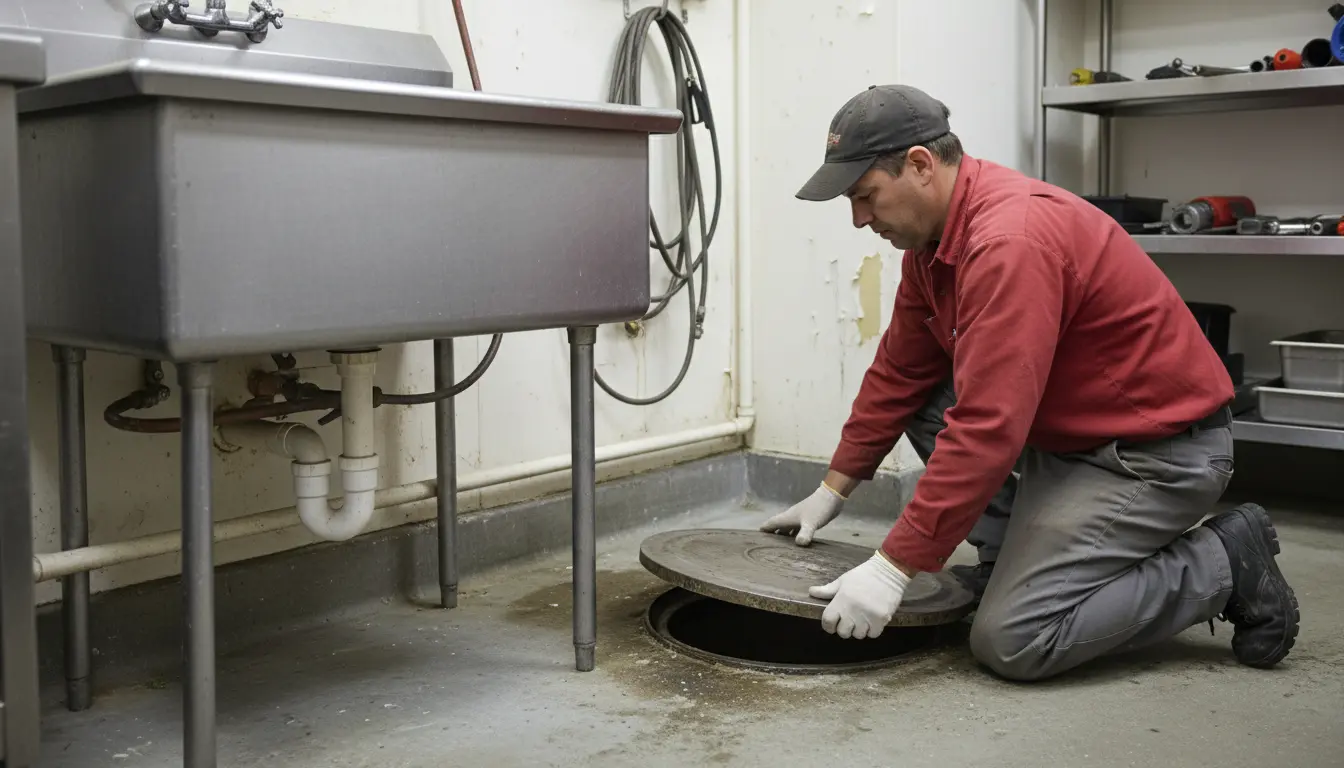
For restaurant owners and facility managers in Conroe, maintaining a clean and compliant grease trap or interceptor is a critical, non-negotiable part of daily operations. These systems are your first line of defense against fats, oils, and grease (FOG) entering the municipal sewer system, where they can cause costly blockages, backups, and environmental damage. Local regulations, enforced by the City of Conroe and the San Jacinto River Authority (SJRA), mandate strict maintenance schedules and record-keeping to protect the community's wastewater infrastructure. Understanding these requirements-from pumping frequency to manifest documentation-is essential for avoiding significant fines and ensuring your business runs smoothly. This guide provides a detailed overview of what you need to know about grease interceptor maintenance and compliance in Conroe.
Wilkinson Septic Services
1007 TX-150, New Waverly, TX 77358
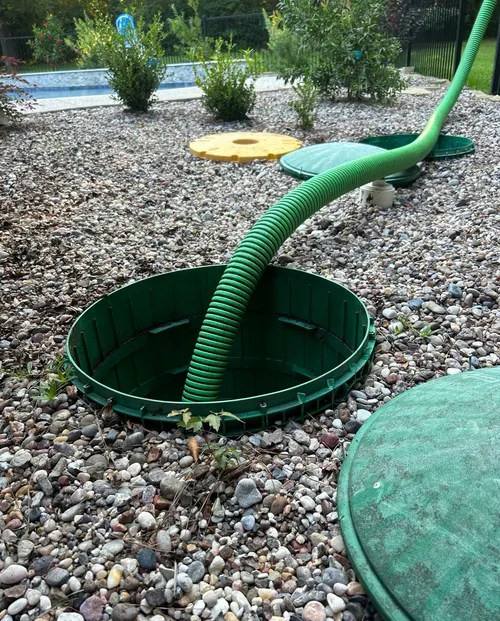
Wilkinson Septic Services is a family-owned company based near Houston, TX, specializing in septic tank and grease trap cleaning. They provide regular maintenance to help extend the lifespan of septic systems and prevent common issues such as backups and odors. Their services include septic tank pumping and grease trap cleaning, which helps protect kitchen plumbing and sewer systems. The company emphasizes scheduling maintenance to keep systems functioning properly and offers service that supports property value preservation.
Magnolia Septic Pumping LLC
Conroe, TX
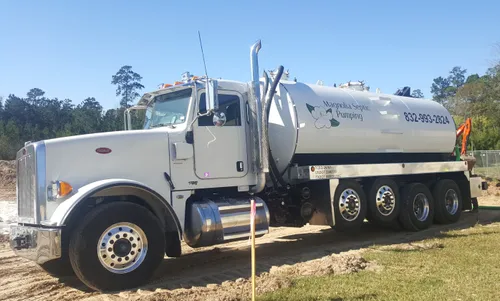
Magnolia Septic Pumping LLC is a grease trap cleaning company based in Conroe, TX. They provide grease trap pumping services to local customers, including military personnel, senior citizens, first responders, and teachers who receive a discount. The company is known for handling grease trap maintenance and septic pumping needs in the area.
Septic Pro Services
17355 Reiss Trail, New Caney, TX 77357
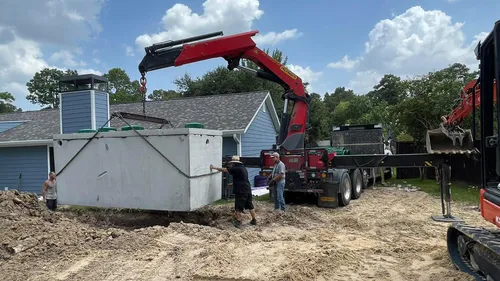
Septic Pro Services is a licensed and insured septic system provider based in New Caney, serving Houston, TX. They offer a full range of services including septic system design, installation, pumping, repair, and maintenance, as well as grease trap cleaning and drain jetting. The company holds an onsite sewage facility installation license and works with various system types, including conventional and aerobic systems. Septic Pro Services provides 24/7 emergency services and same-day or next-day responses depending on the time of the call. Their installation work comes with a two-year warranty, and components have a one-year warranty.
Zoom Drain
3336 Spring Stuebner Rd Ste G, Spring, TX 77389
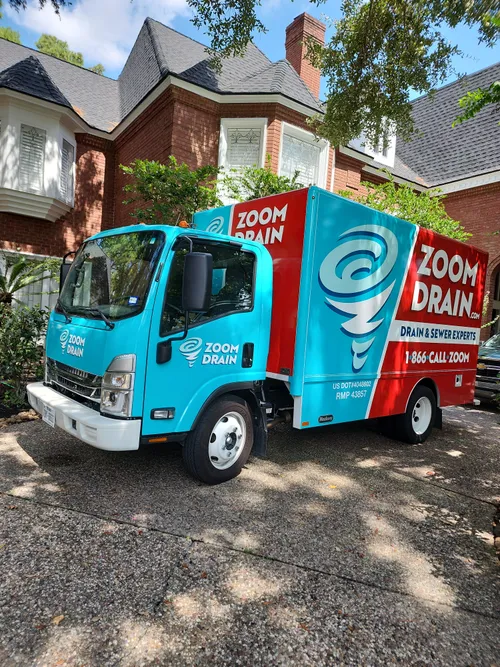
Zoom Drain is a drain and sewer service provider based in Conroe, TX, serving Spring, Houston, Humble, Kingwood, New Caney, Porter, and surrounding areas. They offer residential and commercial services including drain and sewer inspection, cleaning, repair, pump replacements, commercial grease trap maintenance, and septic tank services. Their technicians use advanced technology such as pipe cameras to diagnose and address issues quickly and accurately. Zoom Drain also specializes in hydro jetting to clear blockages and can repair or replace damaged pipes. The company is family owned and known for providing same-day and next-day service.
Buddies Grease Service
8419B Garvin Ave, Houston, TX 77064
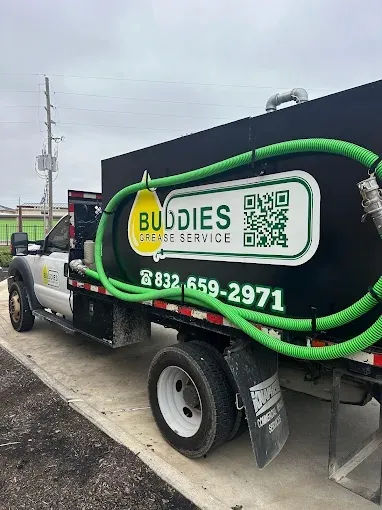
Buddies Grease Service is a Houston, TX-based company specializing in used cooking oil collection, grease trap cleaning, hydro jetting, and pressure washing for commercial kitchens. They serve a wide range of businesses including restaurants, food trucks, and cafeterias, providing scheduled pickups and eco-friendly recycling that converts waste oil into renewable biofuel. Their hydro jetting service uses high-pressure water to clear grease and debris from drains, helping prevent clogs and plumbing issues. Buddies Grease Service is fully licensed and compliant with local and federal regulations, offering detailed documentation to support health and environmental compliance. They serve Houston and surrounding areas including The Woodlands, Katy, Sugar Land, and more.
Understanding Local Grease Trap Regulations
Compliance in Conroe is governed by a combination of city ordinances and standards set by the local Publicly Owned Treatment Works (POTW), which includes the San Jacinto River Authority. These rules are designed to prevent sewer overflows and are strictly enforced. The foundational model often referenced is provided by the Texas Commission on Environmental Quality (TCEQ), which local authorities adapt.
Key regulatory bodies you will interact with include:
- City of Conroe Public Works/Engineering Department: Issues local permits and conducts inspections.
- San Jacinto River Authority (SJRA): As the regional POTW, the SJRA sets and enforces discharge limits and maintenance requirements to protect the wastewater collection and treatment systems.
Non-compliance can result in substantial fines, mandatory corrective actions, and in severe cases, business closure 1 2 3. Proactive management is far less costly than reacting to a violation notice.
Mandatory Maintenance Schedules and Pumping Frequency
One of the most critical aspects of compliance is adhering to a mandated pumping schedule. Regulations are not based on a one-size-fits-all timeline but on the actual condition and capacity of your interceptor.
The standard requirement for large, in-ground grease interceptors in Conroe is a minimum pumping frequency of every 90 days (quarterly) 4. However, the rule is often more specific: traps must be cleaned when grease and solids accumulate to 25% of the unit's volume, measured from the bottom to the outlet pipe invert 4 5. High-volume kitchens may find they need service monthly or bi-monthly to stay within this limit.
For smaller under-sink grease traps, the cleaning frequency is typically higher-often monthly or bi-weekly-due to their limited capacity and proximity to food prep activities. The best practice is to have a professional assess your specific operation to determine the optimal service interval that keeps you in compliance.
Essential Record-Keeping: The Pump-Out Manifest
Your service records are just as important as the service itself. Every time your grease interceptor is pumped or cleaned, the service provider must issue a detailed manifest. This document is a legal record and must be kept on-site for a minimum of five years.
A proper manifest should include:
- Business name and address.
- Date and time of service.
- Volume of waste removed (in gallons).
- Disposal location (the approved facility where the grease was taken).
- Name and signature of the service provider.
City and SJRA inspectors will request these manifests during routine or complaint-driven inspections. Failure to produce them is a violation. Always ensure your service company provides a completed manifest after every visit and store them in an easily accessible location.
Installation and Location Requirements
Proper installation is the first step toward easy maintenance and compliance. Conroe ordinances specify that grease interceptors must be located outside of food preparation areas and must be easily accessible for cleaning, inspection, and maintenance without obstruction 6.
Key location considerations include:
- Accessibility: Service trucks need clear access. Manhole covers must not be blocked by dumpsters, parked cars, or landscaping.
- Ventilation: Outdoor interceptors require proper venting.
- Proximity to Kitchen: While they must be outside prep areas, they should be efficiently connected to the drain lines from sinks, dishwashers, and floor drains.
Consulting with the City of Conroe Engineering Department during planning can prevent costly relocation or modification later.
Cost of Grease Trap Cleaning Services in Conroe
The cost for grease interceptor maintenance varies based on the size of the unit, the volume of waste, and the required service frequency. Here is a general breakdown of what Conroe businesses can expect:
- Small Under-Sink Grease Traps: Cleaning for these smaller units typically ranges from $75 to $200 per service. Due to their size, they require more frequent attention, often monthly or bi-monthly 7.
- Large In-Ground Grease Interceptors: Pumping a large interceptor is a more involved process. Costs generally range from $200 to $350 or more per pump-out 8 9 10. Most restaurants benefit from a quarterly service contract, which can provide cost predictability and ensure compliance with the 90-day rule.
These are baseline service costs. Additional fees may apply for emergency service, difficult access, or if the trap has been severely neglected and requires extra labor. Many providers offer service contracts that bundle regular pumping, maintenance, and sometimes even compliance documentation support.
Find the perfect grease trap cleaning companies for your needs
Get personalized recommendations and expert advice
Choosing a Reliable Service Provider
Not all grease trap cleaning companies are equal. Selecting a reputable, licensed, and insured provider is a crucial business decision. A good partner does more than just pump waste; they help you maintain compliance.
When evaluating providers, ask:
- Are you licensed and insured? Verify they have the proper credentials to operate in Texas and Conroe.
- Where do you dispose of the grease? Ensure they use approved disposal or recycling facilities and will provide that documentation on the manifest.
- Do you provide detailed manifests? Confirm that a completed, signed manifest is part of every service.
- Can you offer a service contract? A contract locks in a schedule and price, providing peace of mind and compliance assurance.
- What is your response time for emergencies? Know who to call if you have a sudden backup or overflow.
A proactive service provider will also offer insights into your grease production and may suggest best practices to reduce FOG entering the system, potentially extending time between services.
Consequences of Non-Compliance
Ignoring grease trap maintenance is a high-risk strategy. The enforcement mechanisms are designed to be consequential to prevent system-wide issues.
Potential penalties include:
- Substantial Fines: Monetary penalties for missed pump-outs, lack of manifests, or FOG-related sewer spills can be significant.
- Corrective Action Orders: You may be required to immediately pump the interceptor, install additional pretreatment equipment, or even reduce kitchen operations until compliance is achieved.
- Sewer Surcharges: If your effluent exceeds local limits for BOD (Biological Oxygen Demand), COD (Chemical Oxygen Demand), TSS (Total Suspended Solids), or FOG, you may face recurring surcharges on your utility bill.
- Business Interruption: In extreme cases of repeat violations or major spills, the city or SJRA can seek to have your business closed until the issue is resolved.
Regular maintenance is a straightforward operational cost that pales in comparison to the financial and reputational damage of non-compliance.
Proactive Tips for Conroe Restaurant Owners
Staying ahead of grease trap issues saves money and stress. Implement these actionable steps:
- Know Your Trap: Identify the size (in gallons), type (interceptor vs. under-sink), and location. Mark your cleaning dates on a calendar.
- Establish a Relationship with Regulators: Proactively contact the City of Conroe Public Works/Engineering Department and the San Jacinto River Authority (SJRA). They can provide Conroe-specific guidance and clarify any questions about local amendments to state model standards 11.
- Train Your Staff: Educate kitchen staff on best practices for minimizing grease down the drain. Use sink strainers, scrape plates into trash before washing, and implement dry wipe practices for pots and pans 12.
- Conduct Visual Checks: Periodically check your interceptor's condition between professional services. Note any unusual odors, slow drainage, or visible grease levels.
- Keep Impeccable Records: Treat your pump-out manifests with the same importance as tax documents. Use a dedicated binder or digital folder for easy access during inspections.
By integrating these practices, you transform grease trap maintenance from a reactive chore into a managed, compliant part of your successful restaurant operation.
Frequently asked questions
Sources
Footnotes
-
Grease Trap Regulations and Maintenance - https://regrease.com/grease-trap-regulations-houston/ ↩
-
The Ultimate Guide to Restaurant Grease Trap Pumping ... - https://epicseptic.com/the-ultimate-guide-to-restaurant-grease-trap-pumping-cleaning-in-central-texas/ ↩
-
Grease Trap Regulations and Compliance: What You Need to Know - https://www.texwaywastewater.com/grease-trap-regulations-and-compliance/ ↩
-
Model Standards for a Grease Ordinance - https://www.tceq.texas.gov/downloads/assistance/water/wastewater/fats-oils-grease/model-standard.pdf/@@download/file/model-standard.pdf ↩ ↩2
-
DIVISION 1. REGULATIONS APPLYING TO ALL FOOD ... - https://www.dshs.texas.gov/sites/default/files/foodestablishments/pdf/Local%20Ordinance%20Registry/City%20of%20Sugar%20Land%20Texas%20-%20Code%20of%20Ordinances%20Chapter%203-Health%20and%20Safety%20-%20Article%20IV.%20Food%20and%20Food%20Services.pdf ↩
-
§ 51.64 LOCATION OF GREASE TRAP/INTERCEPTOR FOR ... - https://codelibrary.amlegal.com/codes/texascity/latest/texascity_tx/0-0-0-2479 ↩
-
Grease Trap Cleaning Prices | Guide on the Industry Average - https://grease-cycle.com/grease-trap-pumping-cost/ ↩
-
Ultimate Grease Trap Pumping Cost Guide: Essential Money ... - https://www.texwaywastewater.com/grease-trap-pumping-cost/ ↩
-
How Much Does It Cost To Clean A Grease Trap? - https://www.greasecollection.com/blog/how-much-does-it-cost-to-clean-a-grease-trap/ ↩
-
Fresno Grease Trap Maintenance: Essential Facility Management Guide - myshyft.com - https://www.myshyft.com/blog/grease-trap-cleaning-fresno-california/ ↩
-
WOODLANDS DIVISION - San Jacinto River Authority - https://www.sjra.net/wp-content/uploads/2022/02/FOG-FAQs.pdf ↩
-
Grease Trap Cleaning How-To Guide for Commercial Kitchens (Free Posters) - https://www.fooddocs.com/food-safety-templates/grease-trap-cleaning ↩