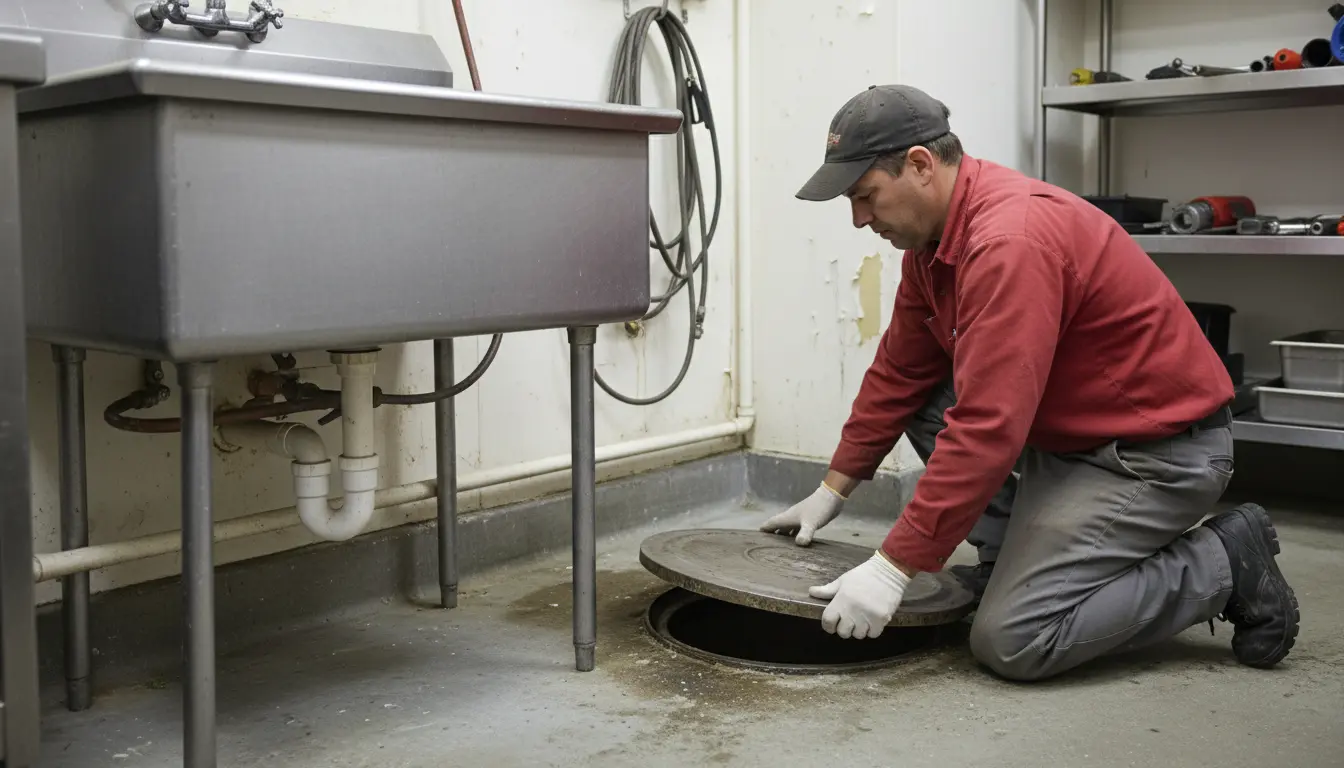
Find the Best Grease Trap Cleaning Companies for Your Business
No obligation • Fast responses • Nationwide coverage

Why you can trust Restaurant Waste Disposal
Restaurant Waste Disposal is a leading U.S. resource for comparing restaurant composting, food-waste recycling, grease trap cleaning, and used cooking oil collection services. Our editorial team researches providers, checks credentials, and organizes unbiased information so operators can make informed decisions. Companies cannot pay to change ratings or placement.
Search providers near you
Top Grease Trap Cleaning Companies in College Station, Texas Ranked
For restaurant owners and food service operators in College Station, maintaining a clean and compliant grease trap or interceptor is a critical, non-negotiable part of daily operations. These systems are the first line of defense in preventing fats, oils, and grease (FOG) from entering the municipal sewer system, where they can cause costly blockages, backups, and environmental damage. Local regulations, enforced by city and utility officials, mandate strict pumping schedules and record-keeping to protect the community's infrastructure. This guide outlines the essential requirements, best practices, and local considerations for effective grease management in College Station, helping you avoid violations and ensure your business runs smoothly.
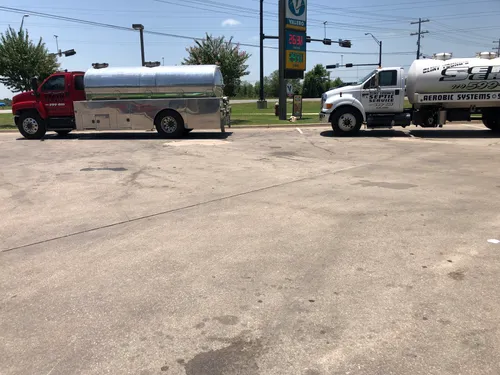
Clint Young's Septic Service
College Station, TX
Clint Young's Septic Service provides grease trap cleaning in College Station, TX. The company focuses on maintaining grease traps for commercial and residential clients to ensure proper waste management.
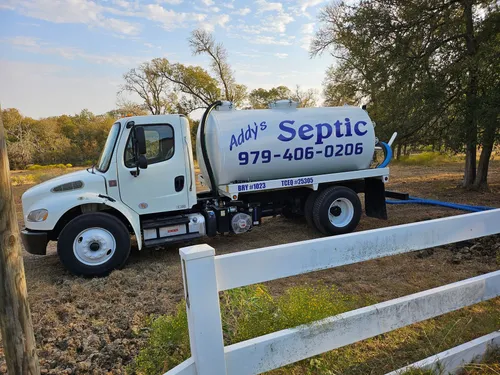
Addy's Septic Service
Austin, TX
Addy's Septic Service provides residential and commercial septic pumping and grease trap cleaning in Austin, TX, and nearby areas. With over 15 years of experience, they offer routine maintenance and 24/7 emergency services to keep septic systems functioning properly. Their services include thorough inspections, grease trap maintenance for food-related businesses, and fast response to septic backups. As a locally owned company, Addy's Septic Service emphasizes personalized care and compliance with health and environmental standards.
Understanding Local Grease Trap Regulations
Compliance in College Station begins with understanding the rules set forth by local authorities and the Texas Commission on Environmental Quality (TCEQ). The city's program is designed to prevent sewer overflows and is often aligned with neighboring jurisdictions like Bryan, which has a detailed program overview. The core principle is that restaurant owners are solely responsible for the proper maintenance of their grease interceptors 1 2.
Key regulatory pillars include:
- Permitted Haulers: Waste from grease traps can only be pumped, transported, and disposed of by haulers who are fully licensed and certified by the TCEQ. Using an unlicensed service is a major compliance violation.
- Mandatory Documentation: After each pump-out, you must receive and securely store a manifest or receipt from the hauler. These records must be kept on-site for a minimum of five years and are the primary documents inspectors will ask to review.
- Enforcement & Penalties: Non-compliance isn't taken lightly. Inspections can be routine or triggered by complaints. Violations can lead to significant fines, mandatory corrective actions, and in severe cases of neglect, orders to cease operations until the issue is resolved 3.
Determining Your Pumping Frequency and Schedule
How often should you have your grease interceptor serviced? The rule of thumb in Central Texas is every 90 days (quarterly), or more frequently if the accumulated FOG and solids reach 25% of the trap's total volume 4. However, your specific schedule is not one-size-fits-all.
Several factors dictate your optimal service interval:
- Cuisine Type: A barbecue joint or fried chicken restaurant will generate far more grease than a sandwich shop or coffee cafe.
- Volume of Business: High-traffic establishments fill their traps faster.
- Trap Size and Type: A small indoor grease trap under a sink fills up much quicker than a large, in-ground outdoor interceptor.
- Local Utility Assignments: Some cities assign specific pumping schedules based on your business's risk profile. It's essential to check with the College Station Water Services Department for any city-mandated frequency.
Waiting until the trap is completely full is a recipe for disaster. An overfull interceptor stops working effectively, allowing grease to pass directly into the sewer lines and putting you at immediate risk of a violation and a much more difficult, expensive cleaning process.
What to Expect During a Professional Cleaning Service
A proper grease trap cleaning is more than just skimming off the top layer. To meet the TCEQ's model standards and local ordinances, licensed professionals must perform a complete evacuation 5 6.
A thorough service includes:
- Complete Evacuation: All liquid waste, floating FOG, and settled solids (known as "biosolids") are entirely removed from the trap.
- Interior Cleaning: The walls, baffles, and internal components of the trap are scraped and washed down to remove clinging grease and residue.
- Waste Disposal: The collected waste is transported in certified vehicles to an approved facility, such as a rendering plant or wastewater treatment facility, for proper processing or disposal.
- Documentation Provided: You will receive a detailed service manifest or report. This is your proof of compliance-file it immediately with your other records.
Find the perfect grease trap cleaning companies for your needs
Get personalized recommendations and expert advice
Preparing for a Grease Trap Inspection
City or utility inspectors may visit your establishment to verify compliance. Being prepared can make the process quick and stress-free. Inspectors typically focus on two main areas 7:
Paperwork Review: They will ask to see your file of pump-out manifests from the last five years. These documents must clearly show service dates, the name of the TCEQ-licensed hauler, and the volume of waste removed.
Physical Inspection: The inspector will likely:
- Open the trap to visually assess its current condition and cleanliness.
- Check sample wells and flow control devices to ensure they are accessible and functional.
- Look for any signs of bypassing, leaks, or improper discharge.
Having your records organized and your trap in a generally maintained state demonstrates responsible operation and can help you avoid citations.
Cost Factors for Grease Interceptor Service
The cost for grease trap pumping in College Station varies based on the service required. For a well-maintained trap on a regular preventative schedule, you can expect a baseline cost typically ranging from $175 to $225 or more per service visit 8 9.
Several variables can influence the final price:
- Trap Size and Location: Larger, underground concrete interceptors cost more to pump than small, accessible indoor units.
- Condition of the Trap: This is the most significant cost driver. A trap that has been neglected, requiring emergency service, extra labor for hardened grease removal, or even hydro-jetting, will incur substantially higher charges 10.
- Frequency of Service: Committing to a regular quarterly contract can sometimes offer cost predictability compared to one-off emergency calls.
- Hauler Pricing: Rates can vary between different licensed providers.
Investing in regular maintenance is always more cost-effective than paying for emergency clean-ups, potential fines, and reputational damage from a sewage incident.
Best Practices for Daily Grease Management
Professional pumping is essential, but what you do daily in your kitchen has the biggest impact on trap performance and longevity.
- Scrape, Don't Rinse: Scrape all food scraps and grease from plates, pots, and pans into the trash before washing.
- Use Strainers: Install and clean sink strainers to catch solid particles.
- Educate Staff: Train every employee on the importance of keeping FOG out of the drains. Simple signage by sinks can serve as a constant reminder.
- Monitor Your Trap: Briefly check your indoor grease trap regularly to gauge how quickly it is filling.
For the most accurate and current information, including a list of permitted haulers, always contact the City of College Station Water Services Department directly. Proactive communication with your local utility is the best way to ensure your business remains in full compliance with all grease control ordinances 11.
Frequently asked questions
Sources
Footnotes
-
Restaurants are Required to Maintain Grease Traps - https://www.defendyourdrainsnorthtexas.org/restaurants.html ↩
-
Restaurants are Required to Maintain Grease Traps - https://www.defendyourdrainsnorthtexas.com/restaurants.html ↩
-
Texas Town Approves Grease Trap Cleaning Ordinance - https://replaceyourgarbagedisposal.com/grease-trap-cleaning/texas-town-approves-ordinance-on-grease-trap-cleaning-at-local-businesses/ ↩
-
Grease Trap Regulations and Maintenance - https://regrease.com/grease-trap-regulations-houston/ ↩
-
Model Standards for a Grease Ordinance - https://www.tceq.texas.gov/downloads/assistance/water/wastewater/fats-oils-grease/model-standard.pdf/@@download/file/model-standard.pdf ↩
-
Grease Traps and Interceptors - Design Standard - https://facilities.tamu.edu/_files/_documents/design-standards/grease-traps-and-interceptors.pdf ↩
-
Grease Trap Inspection - CCPIA - https://ccpia.org/grease-trap-inspection/ ↩
-
The Ultimate Guide to Restaurant Grease Trap Pumping ... - https://epicseptic.com/the-ultimate-guide-to-restaurant-grease-trap-pumping-cleaning-in-central-texas/ ↩
-
The Cost To Clean A Grease Trap For Restaurants - https://thegreasecompany.com/blog/greasetrapcleaningcost/ ↩
-
How Much Does It Cost To Clean A Grease Trap? - https://www.greasecollection.com/blog/how-much-does-it-cost-to-clean-a-grease-trap/ ↩
-
GREASE TRAP PROGRAM OVERVIEW FOR FOOD ... - https://docs.bryantx.gov/water/Grease_Trap_Program_0109.pdf ↩