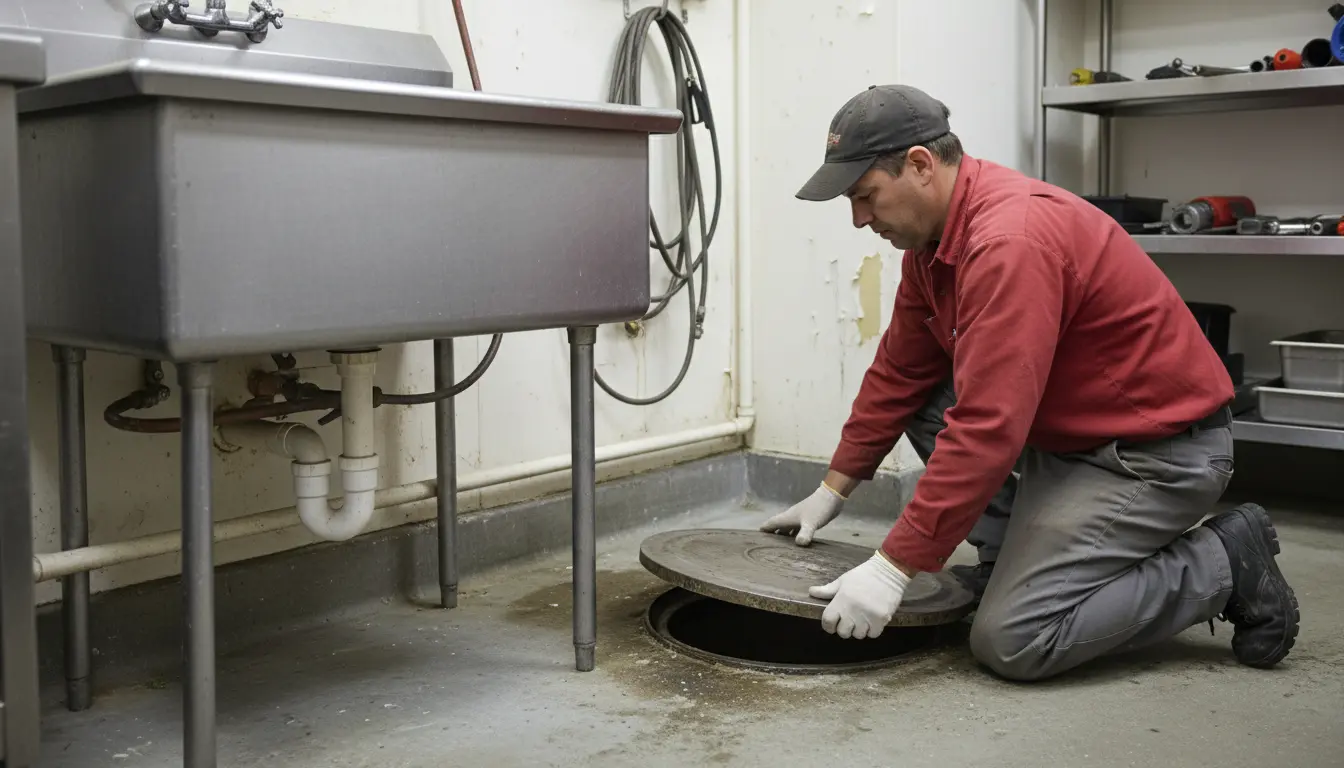
Find the Best Grease Trap Cleaning Companies for Your Business
No obligation • Fast responses • Nationwide coverage

Why you can trust Restaurant Waste Disposal
Restaurant Waste Disposal is a leading U.S. resource for comparing restaurant composting, food-waste recycling, grease trap cleaning, and used cooking oil collection services. Our editorial team researches providers, checks credentials, and organizes unbiased information so operators can make informed decisions. Companies cannot pay to change ratings or placement.
Search providers near you
Top Grease Trap Cleaning Companies in Corpus Christi, Texas Ranked
For any food service establishment in Corpus Christi, from bustling seafood restaurants on the waterfront to cozy cafes, managing fats, oils, and grease (FOG) is a critical operational and legal responsibility. The city enforces strict regulations to protect its sewer infrastructure and coastal environment, making proper grease interceptor maintenance non-negotiable. Regular, professional grease trap cleaning is not just about avoiding unpleasant odors or slow drains; it's a key component of compliance with local ordinances, helping your business avoid significant fines and contributing to the health of Corpus Christi Bay. Understanding the specific requirements, typical costs, and best practices for FOG control is essential for restaurant owners and facility managers operating in the Coastal Bend.
Gringo Pumping
Corpus Christi, TX
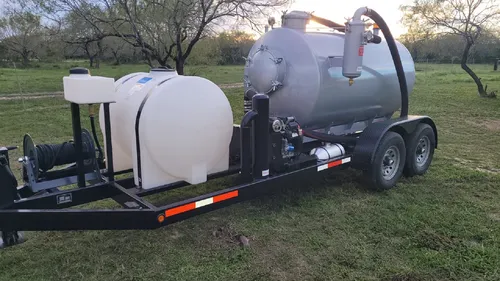
Gringo Pumping is a grease trap cleaning company based in Corpus Christi, TX. They specialize in maintaining grease traps to help local businesses manage waste effectively and comply with health regulations.
South Texas Grease Retrieval LLC.
241 Anchor St, Corpus Christi, TX 78418
South Texas Grease Retrieval LLC. is a grease trap cleaning company based in Corpus Christi, TX. Established in 2016 with nearly a decade of prior experience, the company offers services including grease trap pumping, septic tank pumping, and hydro-jetting lines. They serve the greater Coastal Bend area and provide emergency after-hours service to address urgent needs.
American Septic and Grease Retrieval LLC
Corpus Christi, TX
American Septic and Grease Retrieval LLC provides used cooking oil collection and grease trap cleaning services in Corpus Christi, TX. The company specializes in managing grease and oil waste to support local businesses in maintaining compliance and cleanliness.
Understanding Corpus Christi's FOG Control Program
The City of Corpus Christi's Fats, Oils, and Grease (FOG) Control Program is designed to prevent sewer blockages and overflows, which can damage infrastructure and harm the local ecosystem. This program is codified in the city's ordinances, primarily under Chapter 14 (which adopts plumbing codes) and Chapter 55 concerning waste disposal. All food service establishments (FSEs) are required to install, operate, and maintain grease removal devices (GRDs), commonly known as grease traps or interceptors. The fundamental rule is that no FOG may be discharged into the sanitary sewer system in amounts that could cause obstruction.
The city's FOG Manual outlines that these devices must be maintained for "continuous, satisfactory, and effective operation" and must be easily accessible for cleaning and inspection 1. The type and capacity of the grease interceptor must be approved by the city, ensuring it is appropriately sized for your kitchen's volume and output. Enforcement is active, with city inspectors conducting checks to review maintenance records and the physical condition of your equipment. Non-compliance can lead to enforcement actions, including notices of violation and monetary penalties.
Legal Requirements and Maintenance Frequency
So, how often must you clean your grease trap in Corpus Christi? While the city's code mandates regular maintenance, the exact frequency is typically determined by the facility's FOG production and the interceptor's size. The standard benchmark, and a common requirement in many municipal permits, is quarterly cleaning-at least once every three months. However, high-volume kitchens may find their traps require pumping monthly or even more frequently.
It is the business owner's responsibility to ensure cleaning occurs often enough to prevent FOG from escaping into the sewer line. Warning signs that your maintenance schedule is insufficient include foul odors emanating from drains, slow-draining sinks, or backups in kitchen plumbing 2 3. Proactive, scheduled cleaning is always more cost-effective and less disruptive than responding to an emergency blockage or a violation notice from the city.
The Critical Role of Documentation and Record-Keeping
In Corpus Christi, performing the cleaning is only half the battle; proving you did it is equally important. Meticulous record-keeping is a cornerstone of the FOG compliance program. For every service, you must obtain and retain detailed documentation from your licensed hauler. This includes:
- Service invoices/receipts showing the date, company name, and details of the service performed.
- A logbook or log sheet tracking each cleaning event.
- Photographs or video of the grease trap before and after pumping, which provide clear visual proof of maintenance for inspectors 4.
These records must be kept on-site and made readily available for review by city inspectors during any compliance inspection. Failure to produce these documents can be considered a violation, even if the cleaning was performed on time. Think of your record-keeping binder as an essential piece of kitchen equipment, as vital as your fire extinguisher.
What to Expect: The Professional Cleaning Process
Hiring a licensed professional is not just a recommendation; in Texas, it is a requirement for the proper disposal of hauled grease waste. A certified service provider will handle the entire process, which generally involves:
- Pre-Service Inspection: Documenting the grease level and condition of the trap.
- Pumping: Using a vacuum truck to remove all contents-FOG, solids, and wastewater.
- Scraping and Cleaning: Manually scraping hardened grease from the walls and baffles.
- Post-Service Inspection: Ensuring the trap is empty, clean, and all components are functioning.
- Proper Disposal: Transporting the waste to an approved facility, such as a rendering plant or wastewater treatment plant, for recycling or disposal.
This thorough process ensures your interceptor is returned to full capacity and efficiency, and it provides you with the necessary documentation for compliance.
Find the perfect grease trap cleaning companies for your needs
Get personalized recommendations and expert advice
Cost Factors for Grease Trap Pumping Services
The cost for professional grease interceptor cleaning in Corpus Christi varies based on several key factors. For a standard indoor grease trap, you can generally expect a baseline cost ranging from $175 to $475 or more per service 5 6. Several elements influence the final price:
- Trap Size and Location: Larger traps (e.g., 1000-gallon or larger underground interceptors) cost more to pump than smaller under-sink units. Easily accessible traps are less expensive than those in confined spaces.
- Grease Accumulation: Traps that are severely neglected and packed with solidified grease require more labor-intensive scraping and time, increasing the cost.
- Service Frequency: Regularly scheduled maintenance on a contract basis often comes at a lower per-service rate compared to one-time or emergency calls.
- Licensed Hauler Rates: Reputable, licensed companies may charge rates that reflect their insurance, proper disposal costs, and compliance expertise, which is a valuable investment 7.
While price is a consideration, the cheapest service may not provide the thorough cleaning or proper documentation you need to stay compliant with Corpus Christi's regulations.
Avoiding Common Violations and Penalties
The path to compliance is straightforward: regular maintenance and diligent record-keeping. Common violations that lead to fines include:
- Failure to Clean: Allowing grease to build up and potentially discharge into the sewer.
- Inadequate Records: Not having invoices, logs, or photos available for inspection.
- Improper Disposal: Attempting to clean the trap in-house and pouring grease down a drain or into a dumpster, which is illegal.
- Unauthorized Modifications: Altering or bypassing the grease interceptor without city approval 8 9.
Staying ahead of these issues by partnering with a reliable, licensed service provider is the most effective strategy to protect your business from operational headaches and financial penalties.
Benefits Beyond Compliance
While adhering to the law is the primary driver, effective FOG management offers additional benefits. A clean grease trap prevents foul smells from permeating your kitchen and dining area, contributing to a better environment for staff and customers. It also reduces the risk of costly plumbing emergencies and backups that can force a kitchen to shut down during peak hours. Furthermore, by ensuring FOG is properly collected, you're participating in a recycling stream where used cooking oil and grease can be converted into biofuels, supporting broader environmental sustainability goals.
Frequently asked questions
Sources
Footnotes
-
City of Corpus Christi Fats, Oil and Grease (FOG) Program ... - https://www.corpuschristitx.gov/media/nq4djdqv/cleanbays-fog-manual-epa.pdf ↩
-
Grease Trap Cleaning Services - https://www.wastewaterts.com/grease-trap-cleaning-services/ ↩
-
Restaurant Grease Trap Cleaning FAQs - Mahoney Environmental - https://www.mahoneyes.com/restaurant-grease-trap-cleaning-faqs/ ↩
-
Corpus Christi FOG Control Program: Guidelines for Food ... - https://policycommons.net/artifacts/3493612/fats-oils-grease-fog/4293820/ ↩
-
How Much Does a Proper Grease Trap Cleaning Cost? - https://hulseyenvironmental.com/how-much-does-a-proper-grease-trap-cleaning-partner-cost/ ↩
-
Ultimate Grease Trap Pumping Cost Guide: Essential Money ... - https://www.texwaywastewater.com/grease-trap-pumping-cost/ ↩
-
The Ultimate Guide to Restaurant Grease Trap Pumping & Cleaning ... - https://epicseptic.com/the-ultimate-guide-to-restaurant-grease-trap-pumping-cleaning-in-central-texas/ ↩
-
The Ultimate Guide to Restaurant Grease Trap Cleaning: Smart Solutions for Commercial Kitchens - Mokher Plumbing - https://mokherplumbing.com/ultimate-guide-restaurant-grease-trap-cleaning/ ↩
-
Texas Grease Trap Ordinance Could Mean Restaurant Fines - https://replaceyourgarbagedisposal.com/grease-trap-pumping/texas-grease-trap-ordinance-could-mean-restaurant-fines/ ↩