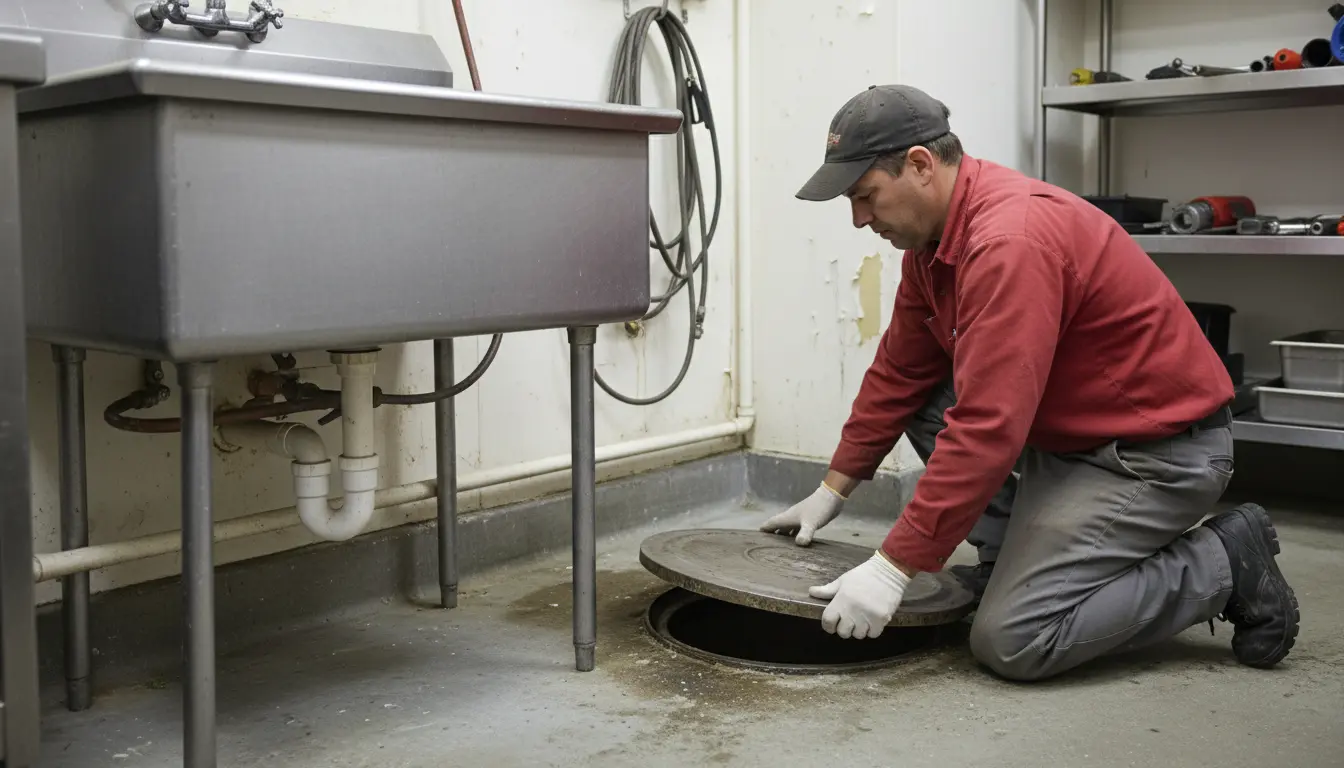
Find the Best Grease Trap Cleaning Companies for Your Business
No obligation • Fast responses • Nationwide coverage

Why you can trust Restaurant Waste Disposal
Restaurant Waste Disposal is a leading U.S. resource for comparing restaurant composting, food-waste recycling, grease trap cleaning, and used cooking oil collection services. Our editorial team researches providers, checks credentials, and organizes unbiased information so operators can make informed decisions. Companies cannot pay to change ratings or placement.
Search providers near you
Top Grease Trap Cleaning Companies in McAllen, Texas Ranked
For any restaurant or food service business in McAllen, maintaining a properly functioning grease trap or interceptor is not just a matter of kitchen hygiene-it's a legal requirement. The City of McAllen enforces specific wastewater pretreatment ordinances to protect the municipal sewer system from fats, oils, and grease (FOG) that can cause costly blockages and environmental issues. Regular, documented cleaning of these grease management systems is mandatory, with strict rules on sizing, location, and record-keeping. Neglecting this critical maintenance can lead to significant fines, operational disruptions, and damage to public infrastructure. This guide outlines the essential local regulations, maintenance practices, and compliance steps for food establishments in McAllen.
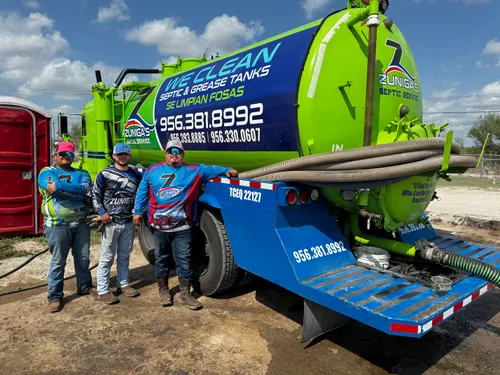
Zuniga's Septic Service
3024 N Juan St, Edinburg, TX 78541
Zuniga's Septic Service is a grease trap cleaning company located in McAllen, TX. They provide septic tank and grease trap cleaning services for residential clients in the area. The company is known for handling grease trap maintenance efficiently, helping to prevent plumbing issues and maintain sanitation.
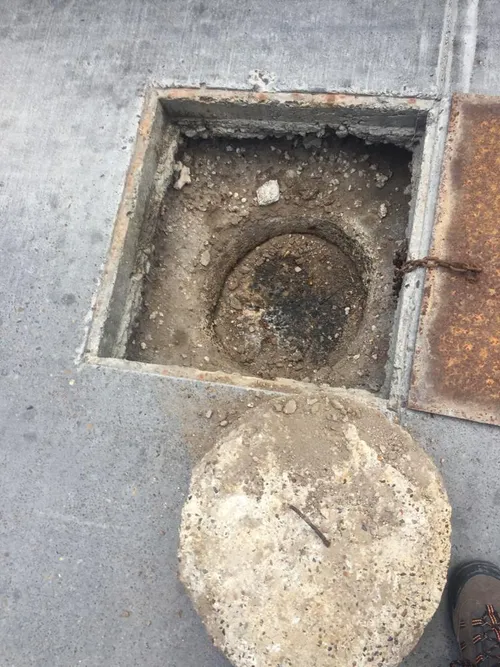
ST Sanitation
McAllen, TX
ST Sanitation provides liquid waste cleaning services in McAllen, TX, and throughout the Rio Grande Valley. Their offerings include grease trap cleaning for restaurants, septic tank cleaning, and car wash bay waste removal. The company serves industrial, manufacturing, food processing, and governmental clients with environmental services as well. Founded in 2017, ST Sanitation operates a vacuum truck equipped with a high-capacity vacuum pump and holds the required TCEQ Sludge Transporter registration. They offer 24/7 emergency availability to address urgent cleaning needs.

South Texas Hood Cleaning, LLC
2104 Fresno Ave, McAllen, TX 78501
South Texas Hood Cleaning, LLC is a grease trap cleaning company based in Mission, TX. They provide grease trap cleaning services to help maintain proper kitchen sanitation and prevent plumbing issues. The company focuses on servicing commercial kitchens and food establishments in the Mission area.
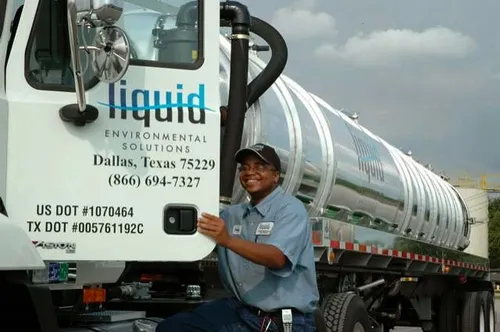
Liquid Environmental Solutions
1821 E Sugarcane Dr, Weslaco, TX 78596
Liquid Environmental Solutions is a non-hazardous liquid waste management company based in Brownsville, TX. They offer services including used cooking oil collection, grease trap and interceptor cleaning, oil water separator and grit trap cleaning, and wastewater disposal. The company serves industries such as restaurants, grocery stores, convenience stores, automotive services, and other food service operations, focusing on recycling a high percentage of the food waste they collect. Founded over twenty years ago, Liquid Environmental Solutions emphasizes compliance and environmental stewardship in their operations.
1-P Grease Trap & Septic Services LLC
McAllen, TX
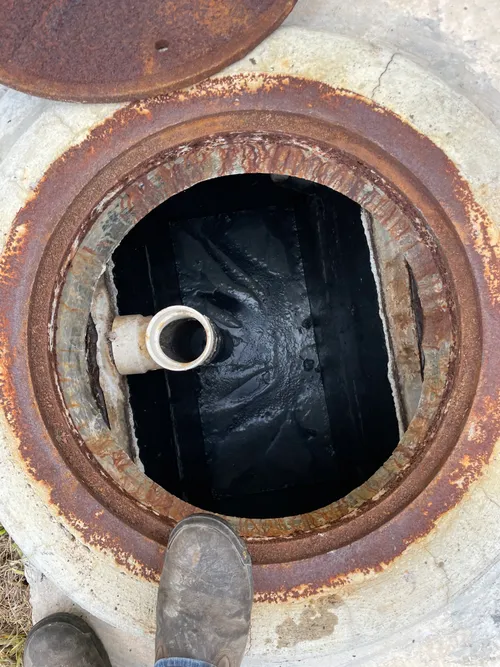
1-P Grease Trap & Septic Services LLC provides grease trap cleaning services in McAllen, TX. The company focuses on grease trap maintenance for local businesses. There is limited information available about their specific capabilities or years in business.
Understanding McAllen's Grease Interceptor Regulations
The City of McAllen operates under a Pretreatment and Sewer Use Ordinance designed to control the discharge of pollutants into the wastewater system. For food service establishments, this ordinance specifically targets FOG. Local codes require that every food service facility generating grease-laden wastewater install and maintain an approved grease trap or interceptor. The primary goal is to prevent these substances from entering the city's sewers, where they can cool, solidify, and create severe blockages.
Compliance is not optional. The city's regulations are aligned with broader Texas Commission on Environmental Quality (TCEQ) guidelines and are enforced to avoid sanitary sewer overflows (SSOs), which are public health hazards and can result in heavy penalties for the city and responsible businesses 1. Your facility's grease control system is your first and most important line of defense in meeting these legal obligations.
Key Requirements for Your Grease Management System
Proper Sizing and Installation
Your grease interceptor must be correctly sized for your operation's volume and type of waste. Sizing criteria typically consider factors like the number of meals served, the presence of dishwashers, and the type of cooking performed. For instance, facilities using commercial dishwashers often require a larger minimum capacity, sometimes 500 gallons or more 2. The interceptor must be installed outside of food preparation areas and be easily accessible for service technicians to pump and clean 3. Proper location is crucial for both safety and ensuring that maintenance can be performed without disrupting kitchen operations.
Mandatory Cleaning Frequency and Standards
McAllen's code does not always specify a universal calendar frequency (like every 30 days) but requires cleaning "as often as necessary" to prevent the discharge of FOG and to keep the unit operating efficiently 4. In practice, this is commonly interpreted as cleaning when the accumulated grease and solids fill 25% of the trap's volume or, as a standard benchmark, at least every 90 days 5. High-volume establishments may require monthly service. The cleaning must be thorough, removing all contents (FOG, solids, and wastewater) from the interceptor to restore its full capacity.
Critical Record-Keeping: The Manifest System
One of the most emphasized aspects of compliance is documentation. Every time your grease trap is serviced, the licensed hauler must provide you with a detailed waste manifest or "trip ticket." This document is your proof of compliance and must be kept on-site for inspection. It typically includes:
- The service company's information and license number.
- Your business name and address.
- The date and time of service.
- The volume of waste removed.
- The disposal location for the collected grease.
Maintaining a file of these sequential manifests is non-negotiable. During an inspection, you will be asked to present them.
Inspection and Enforcement in McAllen
The City of McAllen conducts inspections to ensure compliance with its grease control ordinances. These inspections can be routine or triggered by sewer line issues upstream from your business 6. An inspector from the Public Works or Health Department will typically:
- Review your maintenance manifests to verify regular, legal disposal.
- Visually inspect the grease interceptor for proper condition, accessibility, and signs of overflow or bypass.
- Check for any evidence of grease being dumped into floor drains, sinks, or outdoor areas.
Failure to comply can result in a range of enforcement actions. Initially, you may receive a notice of violation with a corrective action order. Persistent non-compliance can lead to substantial fines, cost recovery charges for any city-performed cleanups, and in severe cases, a suspension of sewer service 7 8. Proactive maintenance is far less costly than reactive penalties.
Cost Considerations for Grease Trap Pumping
The cost of grease interceptor maintenance in McAllen varies based on several factors. There is no single fixed price, but understanding the components helps in budgeting.
Primary Cost Factors:
- Trap Size and Type: A small under-sink grease trap will cost less to service than a large, in-ground concrete interceptor.
- Accumulation Rate: A high-volume restaurant will need more frequent service than a low-turnover cafe, affecting the annual cost.
- Accessibility: Easily accessible traps are quicker to service. Traps in confined or difficult-to-reach areas may incur additional charges.
- Service Contract: Many providers offer discounted rates for scheduled, recurring service contracts compared to one-time emergency calls.
General Price Ranges: Based on industry averages for the region, businesses can expect the following estimated costs 9 10:
- Small Cafes or Bakeries: Approximately $200 - $300 per service event. With quarterly cleaning, annual costs may range from $800 to $1,200.
- Full-Service Restaurants: Typically between $400 - $600 per pumping. For monthly service, this can translate to $4,800 - $7,200 annually.
- Large Facilities or Institutional Kitchens: Costs can exceed $600 per service, depending on the interceptor's capacity and service frequency.
Find the perfect grease trap cleaning companies for your needs
Get personalized recommendations and expert advice
Choosing a Qualified Service Provider
Not all waste haulers are equal. To ensure your service counts toward compliance, you must hire a licensed and insured provider. A reputable grease trap cleaning company in the McAllen area will:
- Hold all necessary state and local licenses for wastewater transportation and disposal.
- Provide detailed, standardized manifests after every service.
- Dispose of collected FOG at a licensed facility, such as a rendering plant or anaerobic digester, not in a landfill or illegal dump site.
- Offer guidance on best practices to extend time between service visits and improve trap efficiency.
It is advisable to obtain quotes and service agreements from multiple providers, ensuring they understand and can help you meet McAllen's specific documentation requirements.
Best Practices for Reducing Grease Load
Beyond regular pumping, you can minimize maintenance issues and costs by reducing the amount of FOG entering your interceptor.
- Scrape, Don't Rinse: Scrape all food scraps from plates, pots, and pans into the trash before washing.
- Use Drain Screens: Install screens in all sink drains to catch solid materials.
- Dry Wipe: Wipe down greasy cookware with a paper towel before washing.
- Educate Staff: Train all kitchen staff on proper waste disposal practices. Their daily habits directly impact your grease trap's performance.
- Collect Used Cooking Oil Separately: Use a dedicated container for used fryer oil and have it collected by a rendering service. This oil should never go down the drain.
Implementing these kitchen best practices can significantly slow the accumulation of grease in your interceptor, potentially extending the time between required pumpings and reducing your annual maintenance expenses 11.
Steps for New Businesses or Non-Compliant Facilities
If you are opening a new food service establishment in McAllen, you must factor grease interceptor installation and permitting into your plans. Contact the City of McAllen's Public Works Department or Pretreatment Program early in the process to understand specific sizing and installation requirements for your concept 12.
For existing businesses that may have fallen out of compliance, the path forward is clear:
- Schedule an Immediate Pumping: Contact a licensed provider to clean your interceptor fully.
- Start a Manifest File: Keep all future service records organized and on-site.
- Consider an Evaluation: Have a service professional assess if your interceptor is correctly sized for your current operation.
- Train Your Team: Reinforce proper FOG disposal practices in the kitchen.
Taking these proactive steps demonstrates good faith to regulators and protects your business from the risks and costs of non-compliance.
Frequently asked questions
Sources
Footnotes
-
Model Standards for a Grease Ordinance - https://www.tceq.texas.gov/downloads/assistance/water/wastewater/fats-oils-grease/model-standard.pdf/@@download/file/model-standard.pdf ↩
-
Grease Trap Sizing & Design Criteria - AustinTexas.gov - https://www.austintexas.gov/department/grease-trap-sizing-design-criteria ↩
-
§ 51.64 LOCATION OF GREASE TRAP/INTERCEPTOR FOR ... - https://codelibrary.amlegal.com/codes/texascity/latest/texascity_tx/0-0-0-2479 ↩
-
City of McAllen, TX PRETREATMENT AND SEWER USE - https://ecode360.com/43410785 ↩
-
Restaurant Grease Trap Cleaning in McAllen, Texas - ST Sanitation - https://stsanitation.com/mcallen/grease-trap-cleaning/ ↩
-
The Ultimate Guide to Restaurant Grease Trap Pumping ... - https://epicseptic.com/the-ultimate-guide-to-restaurant-grease-trap-pumping-cleaning-in-central-texas/ ↩
-
Restaurants are Required to Maintain Grease Traps - https://www.defendyourdrainsnorthtexas.org/restaurants.html ↩
-
Grease Trap Regulations and Maintenance - ReGrease - https://regrease.com/grease-trap-regulations-houston/ ↩
-
Ultimate Grease Trap Pumping Cost Guide: Essential Money ... - https://www.texwaywastewater.com/grease-trap-pumping-cost/ ↩
-
Grease Trap Cleaning Prices | Guide on the Industry Average - https://grease-cycle.com/grease-trap-pumping-cost/ ↩
-
What Every Restaurant Owner Should Know About Grease Traps - https://www.allenstristate.com/every-restaurant-owner-know-grease-traps/ ↩
-
Basic Requirements for a Food Establishment - McAllen.Net - https://www.mcallen.net/docs/default-source/code/basic-requirements-for-a-food-establishment-rev-02-06-19.pdf?sfvrsn=2 ↩