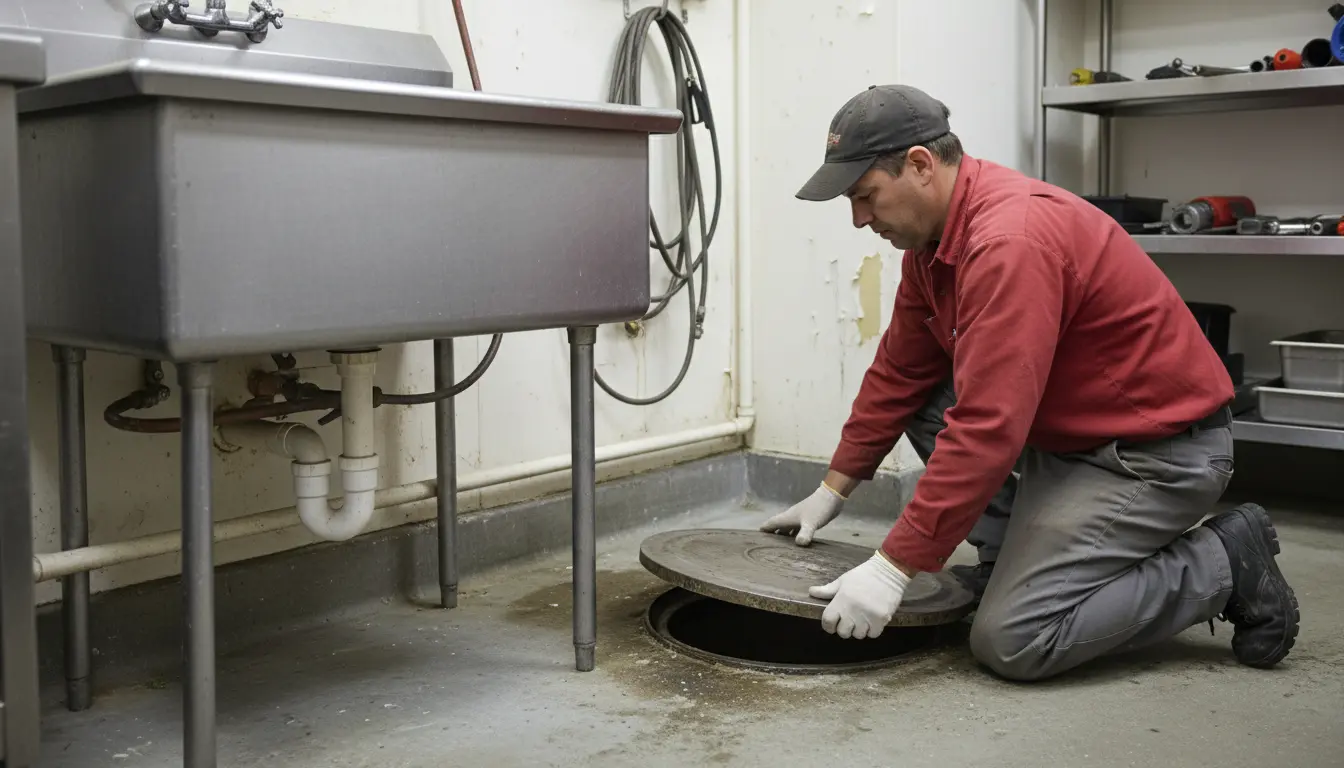
Find the Best Grease Trap Cleaning Companies for Your Business
No obligation • Fast responses • Nationwide coverage

Why you can trust Restaurant Waste Disposal
Restaurant Waste Disposal is a leading U.S. resource for comparing restaurant composting, food-waste recycling, grease trap cleaning, and used cooking oil collection services. Our editorial team researches providers, checks credentials, and organizes unbiased information so operators can make informed decisions. Companies cannot pay to change ratings or placement.
Search providers near you
Best Grease Trap Cleaning Companies in Texas Ranked
For any food service establishment in Texas, from a bustling Houston barbecue joint to a quiet Austin cafe, proper grease trap cleaning is a non-negotiable part of business. It's a critical compliance issue governed by a mix of state guidelines and strict local ordinances designed to protect municipal sewer systems from blockages and environmental harm. Effective grease management involves understanding when to service your trap, working with licensed professionals, and maintaining meticulous records to avoid significant fines and potential operational shutdowns. This guide outlines the essential regulations, best practices, and practical steps for maintaining compliance across the Lone Star State.
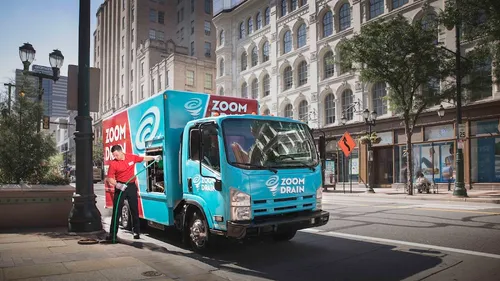
Zoom Drain
1304 Langham Creek Dr suite 466, Houston, TX 77084
Zoom Drain is a specialized drain and sewer service provider based in Sugar Land, TX, serving Houston and surrounding areas. They focus exclusively on drain and sewer solutions for residential and commercial clients, offering services such as drain cleaning, emergency drain repairs, hydro jetting, and sewer line inspections. Their expertise includes advanced diagnostic techniques and preventive maintenance programs to address and prevent drainage issues. Zoom Drain also provides specialized grease trap maintenance and tailored maintenance plans for various industries. The company is known for its detailed approach and use of cutting-edge technology to ensure effective and lasting results.
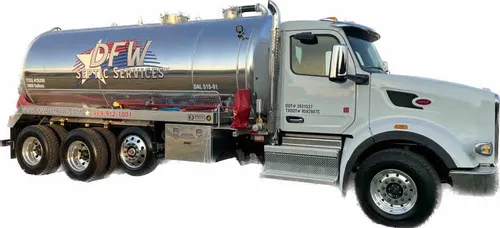
DFW Septic and Grease Services
4881 Montgomery Rd, Midlothian, TX 76065
DFW Septic and Grease Services provides septic system cleaning and grease trap maintenance for residential and commercial properties in Fort Worth, TX, and surrounding counties including Ellis, Tarrant, Dallas, Rockwall, Kaufman, Henderson, Navarro, Johnson, and Hill. They serve a variety of clients such as restaurants, cafeterias, retirement homes, schools, supermarkets, and convenience stores. Their services include onsite inspections, waste collection, and customer guidance to ensure proper system care. The company emphasizes regular septic tank pumping every three years or as needed based on usage and environmental factors.
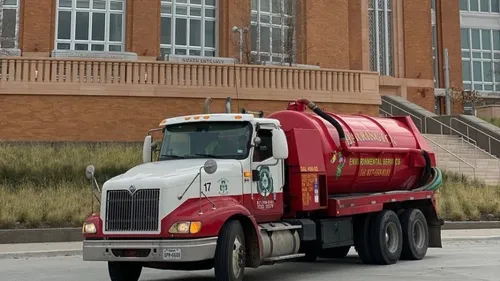
Harrington Environmental Services, LLC.
1632 Royalwood Cir, Joshua, TX 76058
Harrington Environmental Services, LLC. is a full-service liquid waste company based in Fort Worth, TX. They provide environmental services including aerobic septic service, grease trap cleaning, sand and grit trap service, septic tank maintenance, and lift station pumping. The company serves Fort Worth, Burleson, the Dallas-Fort Worth metroplex, and surrounding counties. Harrington Environmental Services is licensed and certified for the installation and maintenance of aerobic systems and handles all types of nonhazardous liquid waste. Their team is known for prompt attention to aerobic system repairs and regular grease trap servicing.
Wilkinson Septic Services
1007 TX-150, New Waverly, TX 77358
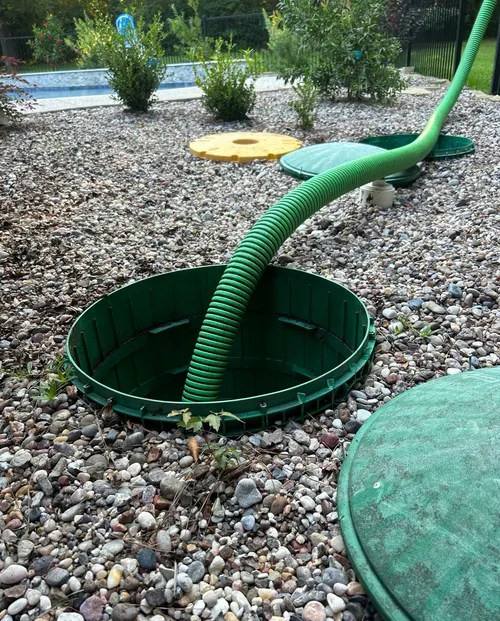
Wilkinson Septic Services is a family-owned company based near Houston, TX, specializing in septic tank and grease trap cleaning. They provide regular maintenance to help extend the lifespan of septic systems and prevent common issues such as backups and odors. Their services include septic tank pumping and grease trap cleaning, which helps protect kitchen plumbing and sewer systems. The company emphasizes scheduling maintenance to keep systems functioning properly and offers service that supports property value preservation.
Magnolia Septic Pumping LLC
Conroe, TX
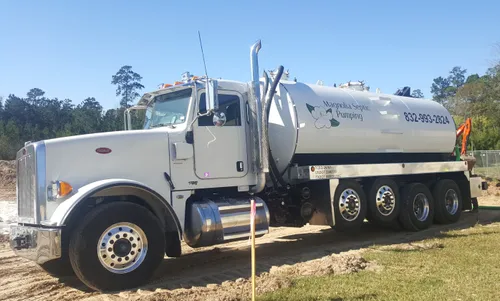
Magnolia Septic Pumping LLC is a grease trap cleaning company based in Conroe, TX. They provide grease trap pumping services to local customers, including military personnel, senior citizens, first responders, and teachers who receive a discount. The company is known for handling grease trap maintenance and septic pumping needs in the area.
Understanding Texas Grease Trap Regulations
Grease trap regulations in Texas operate under a framework established by the Texas Commission on Environmental Quality (TCEQ), but enforcement and specific details are controlled at the local level. The TCEQ provides Model Standards for Grease Management1, which cities and counties adopt and often modify to suit their infrastructure needs. This means the exact rules can differ significantly between Dallas, Fort Worth, Austin, and Houston.
The core principle across jurisdictions is preventing fats, oils, and grease (FOG) from entering the public sewer system. When FOG cools, it solidifies, causing major blockages in pipes, leading to costly municipal repairs, sewer overflows, and environmental contamination. Your grease trap is the first and most important line of defense, and local authorities mandate its proper maintenance.
When and How Often to Clean Your Grease Trap
The cleaning frequency is not left to guesswork. Most local ordinances specify a performance-based trigger for mandatory pumping. Typically, cleaning is required when the combined grease and solids accumulate to 25% of the trap's liquid capacity, though some cities allow up to 50%2 3. A licensed hauler will measure this during service.
General frequency guidelines, often outlined in city codes, include:
- Monthly Service: Typically required for high-volume establishments that generate significant grease, such as those specializing in fried foods, busy diners, or food manufacturing facilities.
- Quarterly Service: Common for full-service restaurants with moderate cooking oil use.
- Biannual or Annual Service: May apply to lower-volume operations like childcare facilities, schools, or some cafeterias, as seen in Grand Prairie's guidelines4.
The final authority on your required schedule is always your local city or county water/wastewater department. They issue the permit for your grease trap and will specify the inspection and pumping frequency as a condition of that permit.
The Permitting and Record-Keeping Process
Operating a grease trap in Texas legally requires a permit from your local municipality or county. For example, businesses in Dallas, Austin, and Zapata County all must obtain local permits5 6. The process usually involves an application with details about your establishment and trap, followed by an inspection.
Once permitted and using a licensed hauler, record-keeping is your legal responsibility. After each pump-out, the hauler will provide a waste manifest. You must:
- Ensure the manifest is signed by both you and the hauler.
- Keep these manifests on file for a minimum of five years 7. These documents are your proof of proper disposal and will be requested during routine compliance inspections. Failure to produce them can result in violations.
Staff Responsibilities vs. Professional Service
It's important to distinguish between daily maintenance and full professional cleaning. Staff should perform daily or weekly "dry cleaning" of traps and interceptors. This involves scraping food solids from dishes into the trash (not the sink) and using towels to wipe grease from cookware and equipment before washing 8. This reduces the load on the trap.
However, the actual pumping, hauling, and lawful disposal of the captured FOG waste must be handled by a TCEQ-licensed grease hauler 9. These professionals have the equipment and permits to transport the waste to approved rendering plants or wastewater treatment facilities. Attempting to pump a trap yourself or hiring an unlicensed provider is a direct violation of state and local law.
Find the perfect grease trap cleaning companies for your needs
Get personalized recommendations and expert advice
Cost Factors for Grease Trap Pumping
The cost for professional grease trap cleaning in Texas varies based on several key factors. There is no flat fee, as pricing reflects the specific service requirements of your business. Primary cost drivers include:
- Trap Size and Accessibility: Larger traps or those in difficult-to-access locations cost more to service.
- Volume of Grease Generated: A high-volume fried food establishment will fill a trap faster, requiring more frequent service.
- Service Frequency: A monthly contract will have a different cost structure than a quarterly one.
- Local Labor and Disposal Rates: Costs can differ between metropolitan and rural areas.
As a general reference, common service tiers include 10:
- Small Cafe or Bakery: Approximately $200-$300 per service.
- Full-Service Restaurant: Typically ranges from $400-$600 per service.
- Large Hotel Kitchen or High-Volume Facility: Can be $600-$800 or more per service.
While this is an operational expense, it is minor compared to the fines, repair costs, and business disruption resulting from non-compliance and a resulting sewer line blockage.
Steps to Ensure Compliance
- Contact Your Local Authority: Your first step is to identify and connect with your city's water/wastewater or public works department. They provide the specific ordinances, permit applications, and inspection schedules for your area.
- Secure a Local Permit: Apply for and obtain the required grease trap or food service permit from your municipality.
- Hire a TCEQ-Licensed Hauler: Only contract with a hauler who holds a current TCEQ license to transport grease waste. Verify their license status.
- Establish a Service Schedule: Work with your hauler to set a pumping schedule that meets or exceeds your local code's frequency requirements, based on your actual grease production.
- Maintain Impeccable Records: File every service manifest securely and maintain them for at least five years. Implement daily best practices with your kitchen staff to minimize grease entering the drain.
Frequently asked questions
Sources
Footnotes
-
Model Standards for Grease Management - https://www.tceq.texas.gov/assistance/water/wastewater/fog/modelstandards.html ↩
-
The Ultimate Guide to Restaurant Grease Trap Pumping ... - https://epicseptic.com/the-ultimate-guide-to-restaurant-grease-trap-pumping-cleaning-in-central-texas/ ↩
-
Grease Trap Regulations and Compliance: What You Need to Know - https://www.texwaywastewater.com/grease-trap-regulations-and-compliance/ ↩
-
Grease Traps - City of Grand Prairie - https://www.gptx.org/Departments/Public-Health-and-Environmental-Quality/Environmental-Quality/Permits-Policies/Food-Service-Permits/Grease-Traps ↩
-
faqs2 - https://dallascityhall.com/departments/waterutilities/pretreatmentprogram/Pages/faqs2.aspx ↩
-
Grease Trap Sizing & Design Criteria - AustinTexas.gov - https://www.austintexas.gov/department/grease-trap-sizing-design-criteria ↩
-
Grease Traps Ordinance - Zapata County, Texas - https://www.co.zapata.tx.us/upload/page/6444/docs/Ordinances/ordinance_greasetrap.pdf ↩
-
Dallas Grease Trap Cleaning: Essential Facility Maintenance Guide - https://www.myshyft.com/blog/grease-trap-cleaning-dallas-texas/ ↩
-
Grease Trap Regulations and Maintenance - https://regrease.com/grease-trap-regulations-houston/ ↩
-
Ultimate Grease Trap Pumping Cost Guide: Essential Money ... - https://www.texwaywastewater.com/grease-trap-pumping-cost/ ↩