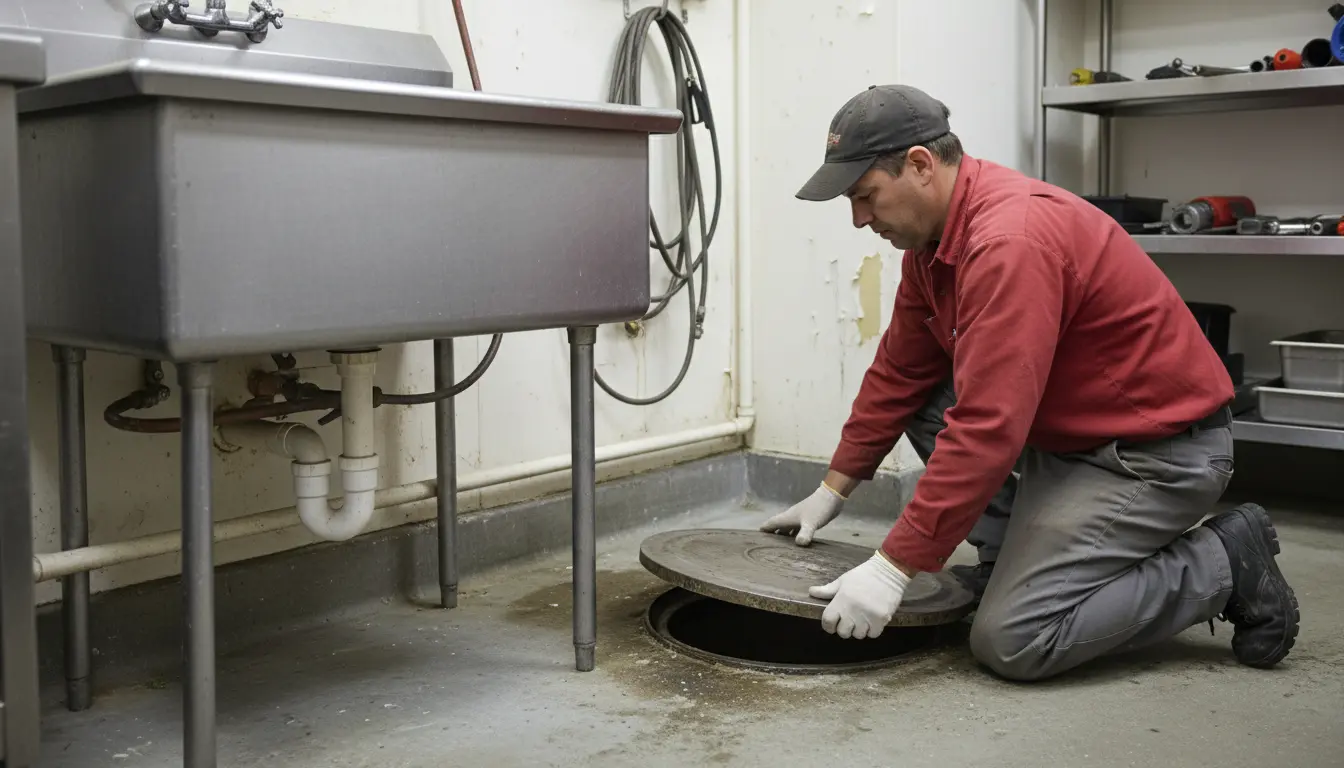
Find the Best Grease Trap Cleaning Companies for Your Business
No obligation • Fast responses • Nationwide coverage

Why you can trust Restaurant Waste Disposal
Restaurant Waste Disposal is a leading U.S. resource for comparing restaurant composting, food-waste recycling, grease trap cleaning, and used cooking oil collection services. Our editorial team researches providers, checks credentials, and organizes unbiased information so operators can make informed decisions. Companies cannot pay to change ratings or placement.
Search providers near you
Top Grease Trap Cleaning Companies in Mission, Texas Ranked
For restaurant owners and managers in Mission, maintaining a clean and compliant grease trap is a non-negotiable aspect of daily operations. Proper grease interceptor maintenance is essential for meeting local health and environmental codes, preventing costly sewer backups, and ensuring a safe, hygienic kitchen environment. In the Rio Grande Valley, where food service is a cornerstone of the community, proactive management of fats, oils, and grease (FOG) is a critical investment in your business's longevity and reputation. This guide outlines the specific requirements, best practices, and cost considerations for effective grease management in Mission, Texas.
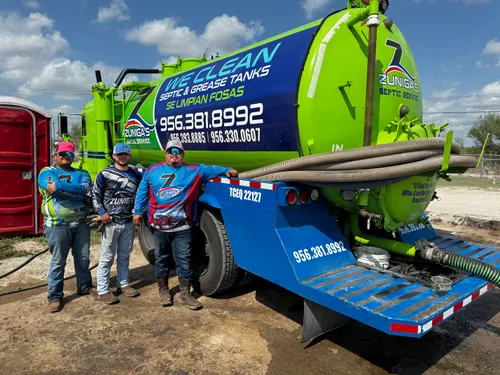
Zuniga's Septic Service
3024 N Juan St, Edinburg, TX 78541
Zuniga's Septic Service is a grease trap cleaning company located in McAllen, TX. They provide septic tank and grease trap cleaning services for residential clients in the area. The company is known for handling grease trap maintenance efficiently, helping to prevent plumbing issues and maintain sanitation.
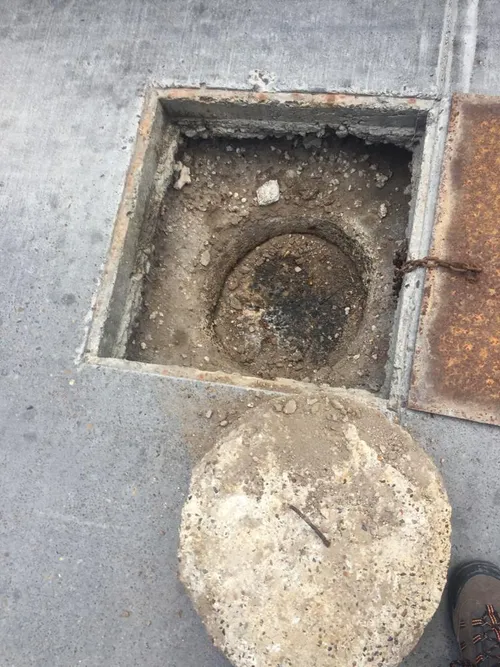
ST Sanitation
McAllen, TX
ST Sanitation provides liquid waste cleaning services in McAllen, TX, and throughout the Rio Grande Valley. Their offerings include grease trap cleaning for restaurants, septic tank cleaning, and car wash bay waste removal. The company serves industrial, manufacturing, food processing, and governmental clients with environmental services as well. Founded in 2017, ST Sanitation operates a vacuum truck equipped with a high-capacity vacuum pump and holds the required TCEQ Sludge Transporter registration. They offer 24/7 emergency availability to address urgent cleaning needs.

South Texas Hood Cleaning, LLC
2104 Fresno Ave, McAllen, TX 78501
South Texas Hood Cleaning, LLC is a grease trap cleaning company based in Mission, TX. They provide grease trap cleaning services to help maintain proper kitchen sanitation and prevent plumbing issues. The company focuses on servicing commercial kitchens and food establishments in the Mission area.
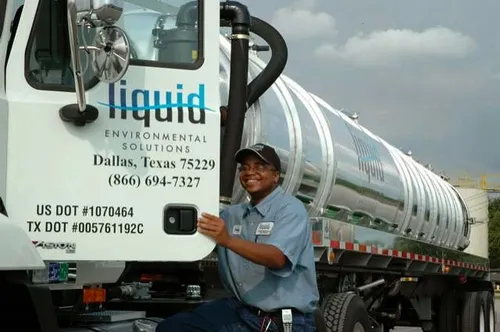
Liquid Environmental Solutions
1821 E Sugarcane Dr, Weslaco, TX 78596
Liquid Environmental Solutions is a non-hazardous liquid waste management company based in Brownsville, TX. They offer services including used cooking oil collection, grease trap and interceptor cleaning, oil water separator and grit trap cleaning, and wastewater disposal. The company serves industries such as restaurants, grocery stores, convenience stores, automotive services, and other food service operations, focusing on recycling a high percentage of the food waste they collect. Founded over twenty years ago, Liquid Environmental Solutions emphasizes compliance and environmental stewardship in their operations.
1-P Grease Trap & Septic Services LLC
McAllen, TX
1-P Grease Trap & Septic Services LLC provides grease trap cleaning services in McAllen, TX. The company focuses on grease trap maintenance for local businesses. There is limited information available about their specific capabilities or years in business.
Understanding Local Grease Trap Regulations
Compliance begins with understanding the rules. In Texas, and specifically for facilities in Mission, grease trap maintenance is governed by state model standards and local municipal ordinances enforced by the Publicly Owned Treatment Works (POTW). The primary goal of these regulations is to prevent FOG from entering the public sewer system, where it can solidify, cause blockages, and lead to expensive sanitary sewer overflows (SSOs).
The Texas Commission on Environmental Quality (TCEQ) provides model standards that many municipalities adopt or adapt 1. A core requirement is the frequency of service: grease interceptors must be fully pumped, cleaned, and inspected at a minimum of every 90 days (quarterly) 1 2. However, this is a minimum standard. Your specific required schedule is determined by the trap's capacity and your kitchen's volume. If FOG accumulates to fill 25% of the liquid depth or the trap's volume, it must be serviced immediately, regardless of the calendar 1. High-volume kitchens, such as those operating 24/7 or with extensive fryer use, often require monthly cleaning to stay within compliance limits for FOG, Biochemical Oxygen Demand (BOD), and other discharge parameters.
The Inspection and Enforcement Process in Mission
Local health and code inspectors are your partners in compliance, though their visits can be stressful if you're unprepared. During a routine inspection in Mission, an official will check several key aspects of your grease management system 3.
- Physical Condition: They will verify that the interceptor is correctly sized for your establishment's flow rate, has functional baffles, and is easily accessible for service.
- Maintenance Logs: Inspectors will request detailed service records. These logs must include the date of service, the name of the licensed pumping company, the volume of waste removed, and the disposal location. A missing or incomplete log is a common violation.
- Overall Kitchen Practices: Inspectors may also observe kitchen staff behaviors, such as pre-scraping dishes, using sink screens, and proper disposal of grease into dedicated containers rather than drains.
Enforcement actions for violations can be severe. Penalties often start with a formal notice of violation, which may require immediate corrective action. For persistent or severe infractions, fines can exceed $1,000 for a first offense, and the health department has the authority to suspend your operating permit until the issue is resolved 4 5. In cases of significant environmental damage due to negligent discharge, criminal charges are a possibility.
Find the perfect grease trap cleaning companies for your needs
Get personalized recommendations and expert advice
Best Practices for Grease Trap Maintenance
Beyond simply scheduling quarterly pump-outs, effective grease management involves daily operational habits and smart planning.
1. Implement Kitchen Best Practices: Train every staff member on proper FOG handling. This includes:
- Scraping food scraps into trash or compost bins before washing.
- Using strainers in all sink drains.
- Collecting fryer oil and pan grease in sealed containers for recycling.
- Avoiding the use of garbage disposals for greasy waste.
2. Schedule Proactive, Preventative Service: Don't wait for a problem or an inspection notice. Establishing a regular service contract with a licensed hauler serving the Mission and McAllen area ensures your interceptor is cleaned on a compliant schedule. This preventative approach is far less expensive than emergency service and helps you avoid violations 6.
3. Understand the Full Service Scope: A proper cleaning is more than just pumping out liquid. A reputable service will:
- Remove all contents, including solids, FOG, and wastewater.
- Inspect the baffles, lids, and inlet/outlet tees for damage.
- Power-wash or steam-clean the interior walls and components.
- Properly dispose of the waste at a licensed facility, providing you with documentation for your records.
Cost of Grease Trap Services in Mission
The cost of grease interceptor maintenance varies based on several factors. Understanding these can help you budget effectively.
- Routine Pumping: For a standard quarterly service on a properly maintained trap, restaurants in Mission can expect costs ranging from approximately $250 to $400 or more per service 7. The final price depends on the size (capacity in gallons) of your interceptor and the frequency of service outlined in a contract.
- Emergency Service: If you experience a backup or are cited for an immediate violation, emergency pump-out costs are significantly higher, often ranging from $800 to $1,200 or more 8 9. This is due to the priority scheduling, potential for more labor-intensive work, and the immediate hazard.
- Cost Factors: A severely neglected trap that requires removal of hardened "grease cap" and solids can cost triple a routine cleaning. Larger tanks (e.g., 2,000+ gallons) and those in difficult-to-access locations will also command a higher price. Many providers offer discounted rates for customers who sign an annual or quarterly service contract, providing predictable budgeting and ensuring compliance 10.
The key takeaway is that consistent, scheduled maintenance is the most cost-effective strategy. The relatively small investment in regular pumping prevents the massive expense of emergency repairs, potential fines, and operational downtime.
Choosing a Service Provider
Selecting the right partner for grease trap pumping is crucial. Look for a provider that is:
- Licensed and Insured: Verify they hold the necessary Texas licenses for wastewater transportation and disposal.
- Local and Responsive: A company familiar with Mission's specific codes and inspection expectations can provide valuable guidance. They should also offer reliable emergency support.
- Transparent with Documentation: They must provide detailed service reports and manifests for waste disposal, which are your proof of compliance.
- Knowledgeable: A good provider will offer advice on trap performance and kitchen practices to help you optimize your system.
Investing in a reliable service relationship transforms grease trap maintenance from a reactive chore into a streamlined component of your successful restaurant operation.
Frequently asked questions
Sources
Footnotes
-
Model Standards for a Grease Ordinance - https://www.tceq.texas.gov/downloads/assistance/water/wastewater/fats-oils-grease/model-standard.pdf/@@download/file/model-standard.pdf ↩ ↩2 ↩3
-
Why Central Texas Restaurants Need Quarterly Grease Trap ... - https://epicseptic.com/why-central-texas-restaurants-need-quarterly-grease-trap-service-contracts-and-a-partner-like-epic/ ↩
-
Grease Trap Inspection - CCPIA - https://ccpia.org/grease-trap-inspection/ ↩
-
Grease Trap Cleaning in Mission TX | Grease Interceptor Pumping - https://greasetrapcleaningmcallen.com/mission-tx.html ↩
-
Grease Trap Regulations and Maintenance - https://regrease.com/grease-trap-regulations-houston/ ↩
-
The Ultimate Guide to Restaurant Grease Trap Pumping & Cleaning ... - https://epicseptic.com/the-ultimate-guide-to-restaurant-grease-trap-pumping-cleaning-in-central-texas/ ↩
-
How Much Does a Proper Grease Trap Cleaning Cost? - https://hulseyenvironmental.com/how-much-does-a-proper-grease-trap-cleaning-partner-cost/ ↩
-
Ultimate Grease Trap Pumping Cost Guide: Essential Money-Saving ... - https://www.texwaywastewater.com/grease-trap-pumping-cost/ ↩
-
How to Clean a Grease Trap (and How Often You Should) - https://greaseconnections.com/how-to-clean-a-grease-trap-and-how-often-you-should/ ↩
-
Cost of Cleaning Restaurant Grease Trap - Grease Interceptors - https://thegreasecompany.com/blog/greasetrapcleaningcost/ ↩