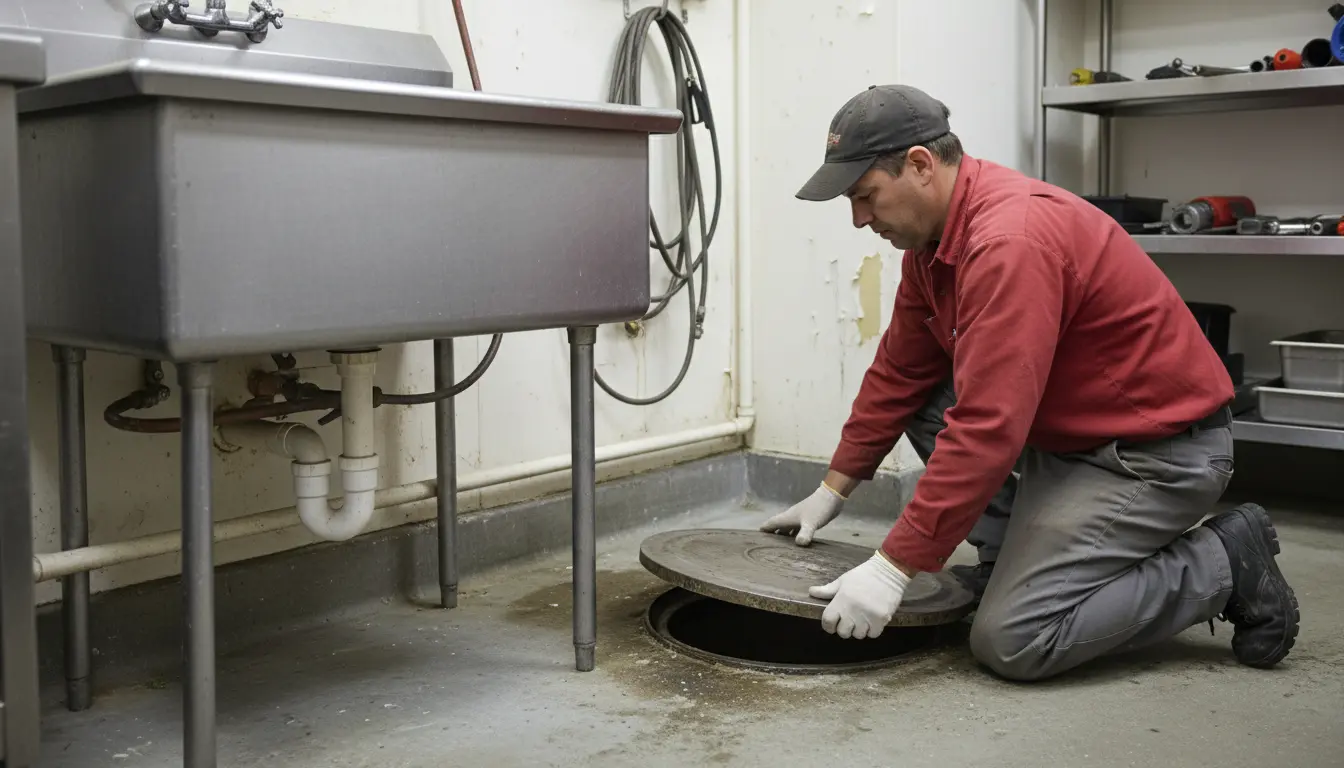
Find the Best Grease Trap Cleaning Companies for Your Business
No obligation • Fast responses • Nationwide coverage

Why you can trust Restaurant Waste Disposal
Restaurant Waste Disposal is a leading U.S. resource for comparing restaurant composting, food-waste recycling, grease trap cleaning, and used cooking oil collection services. Our editorial team researches providers, checks credentials, and organizes unbiased information so operators can make informed decisions. Companies cannot pay to change ratings or placement.
Search providers near you
Top Grease Trap Cleaning Companies in Sugar Land, Texas Ranked
For any food service establishment in Sugar Land, from cozy cafes to bustling hotel kitchens, maintaining a clean and compliant grease trap or interceptor is a non-negotiable part of daily operations. The City of Sugar Land enforces specific regulations to prevent fats, oils, and grease (FOG) from entering the municipal sewer system, which can cause costly blockages and environmental damage. Compliance isn't just about avoiding fines; it's about protecting your business from operational disruptions and contributing to the community's infrastructure health. This guide outlines the essential requirements, inspection processes, and best practices for effective grease management in Sugar Land.
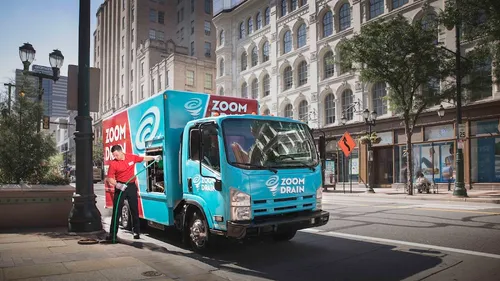
Zoom Drain
1304 Langham Creek Dr suite 466, Houston, TX 77084
Zoom Drain is a specialized drain and sewer service provider based in Sugar Land, TX, serving Houston and surrounding areas. They focus exclusively on drain and sewer solutions for residential and commercial clients, offering services such as drain cleaning, emergency drain repairs, hydro jetting, and sewer line inspections. Their expertise includes advanced diagnostic techniques and preventive maintenance programs to address and prevent drainage issues. Zoom Drain also provides specialized grease trap maintenance and tailored maintenance plans for various industries. The company is known for its detailed approach and use of cutting-edge technology to ensure effective and lasting results.
Roto-Rooter Plumbing & Water Cleanup
920 S Mason Rd Ste G, Katy, TX 77450
Roto-Rooter Plumbing & Water Cleanup provides comprehensive plumbing services in Houston, TX, specializing in both residential and commercial plumbing needs. Their offerings include leak detection, drain cleaning, water heater repairs, sewer line services, grease trap cleaning, and water damage cleanup. They use advanced equipment such as hydro-jetting for thorough drain cleaning and sewer line maintenance. Serving a wide area including Katy and surrounding counties, Roto-Rooter has a strong local presence. The company operates 24/7 to handle plumbing emergencies at any time.
Roto-Rooter Plumbing & Water Cleanup
301 S 9th St Ste 205, Richmond, TX 77469
Roto-Rooter Plumbing & Water Cleanup offers comprehensive plumbing services in Houston, TX, focusing on residential and commercial needs. Their expertise includes grease trap cleaning, sewer line repair, drain cleaning with hydro jetting, water heater installation and repair, and water damage cleanup. The company serves the Richmond metro area and surrounding communities, addressing issues caused by local soil and infrastructure conditions. Roto-Rooter provides 24/7 emergency plumbing services to handle urgent repairs at any time.
Buddies Grease Service
8419B Garvin Ave, Houston, TX 77064
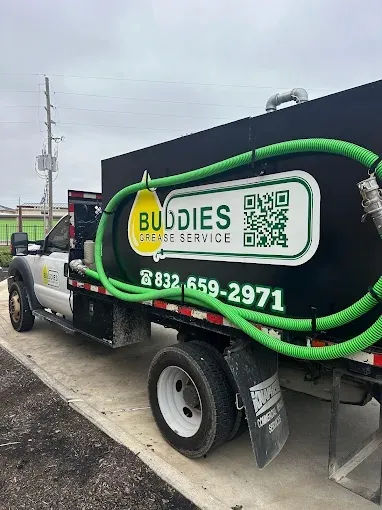
Buddies Grease Service is a Houston, TX-based company specializing in used cooking oil collection, grease trap cleaning, hydro jetting, and pressure washing for commercial kitchens. They serve a wide range of businesses including restaurants, food trucks, and cafeterias, providing scheduled pickups and eco-friendly recycling that converts waste oil into renewable biofuel. Their hydro jetting service uses high-pressure water to clear grease and debris from drains, helping prevent clogs and plumbing issues. Buddies Grease Service is fully licensed and compliant with local and federal regulations, offering detailed documentation to support health and environmental compliance. They serve Houston and surrounding areas including The Woodlands, Katy, Sugar Land, and more.

JS Grease Services
9510 Everglade Dr, Houston, TX 77078
JS Grease Services is a grease trap cleaning company based in Houston, TX. They provide grease trap maintenance and cleaning services to help commercial kitchens manage waste effectively.
Understanding Sugar Land's Grease Trap Regulations
Sugar Land's code is designed to align with state model standards to ensure effective FOG control. The rules are detailed and mandatory for all food service facilities.
Key Location and Access Requirements: Your grease interceptor must be installed outside of food preparation areas. Crucially, it must be easily accessible for cleaning and pumping services without obstruction 1. This means clear, permanent access must be maintained-equipment, storage, or landscaping should not block service providers from performing their necessary work.
Mandatory Cleaning Frequency: The base rule requires cleaning at least every 180 days (six months). However, for most active restaurants, this maximum interval is too long. Cleaning is required more frequently-often every 90 days or sooner-if the trap reaches 25% of its capacity 2 3. High-volume kitchens may need monthly service. The responsibility is on the business owner to ensure cleaning happens before the trap becomes too full, not just on a calendar schedule.
The Critical Role of Manifests: Every time your grease trap is serviced, the hauler must provide a waste manifest. You are required to keep these manifests on-site for inspection. A proper manifest details the transporter's information, the type and amount of waste removed, and its final disposal location. Think of these documents as your proof of compliance; not having them is a direct violation.
Strict Prohibitions: It is prohibited to use chemical or biological additives that dissolve or emulsify grease to pass it through the interceptor 4. These products may appear to "clean" the trap, but they simply move the grease downstream where it can solidify and cause severe blockages in the city's pipes. Physical removal by pumping is the only compliant method.
The City Inspection Process: What to Expect
The City of Sugar Land conducts regular inspections to verify compliance with these grease control ordinances.
Inspection Schedule: Food service establishments can expect between one and four inspections per year. The frequency is not random; it is typically based on the business type and its compliance history. A facility with past violations will likely be subject to more frequent checks.
Inspection Fees and Re-inspections: There is a $50 fee for the initial inspection. If violations are found, you will be given time to correct them, followed by a re-inspection, which also carries a $50 fee 5 6. Non-compliance leads to this cycle of re-inspections, potential fines, and significant business interruption while you scramble to arrange emergency service.
What Inspectors Look For: An inspector will check for:
- Access: Is the trap readily accessible?
- Cleanliness: Is the trap properly maintained and not overflowing?
- Documentation: Are current, legible waste manifests available on-site?
- Condition: Are there signs of illegal additives or improper waste disposal?
Failing an inspection triggers a corrective action process. Continued non-compliance can escalate to more severe penalties, including substantial fines and, in extreme cases, actions that affect your business license.
Find the perfect grease trap cleaning companies for your needs
Get personalized recommendations and expert advice
Cost Factors for Grease Interceptor Service
The cost for grease trap pumping and cleaning in Sugar Land varies widely and is primarily driven by your establishment's volume of FOG production and the size of your interceptor. Understanding these factors can help you budget effectively.
Service Model and Pricing: Many providers offer service plans (e.g., quarterly) which can be more cost-effective than one-time emergency calls. Per-pump prices for a standard 1000-1500 gallon grease trap in the region typically range from $225 to $315 when on a plan 7. However, monthly costs for comprehensive service provide a clearer picture of ongoing expenses:
- Small Cafe/Low-Volume Kitchen: Approximately $200-$300 per month.
- Full-Service Restaurant: Approximately $400-$600 per month.
- High-Volume Facility (e.g., Hotel Kitchen, Large Caterer): Approximately $600-$800+ per month 8.
What Influences Your Price?
- Trap Size and Location: Larger traps or those in difficult-to-access locations cost more to service.
- Accumulation Rate: A kitchen that deep-fries daily will fill a trap faster than one that does not, requiring more frequent service.
- Additional Services: Some contracts include inspection reports, manifest management, or emergency service guarantees.
While cost is a factor, choosing a reputable, licensed hauler who provides proper documentation is invaluable for staying compliant and avoiding the much higher costs of city fines and sewer backup repairs.
Best Practices for Proactive Grease Management
Beyond just scheduling cleanings, a proactive approach minimizes risk and operational hassle.
- Implement Kitchen Best Practices: Train staff on proper waste disposal. Scrape food scraps into trash bins before washing, and use sink baskets to catch solids. Never pour grease down any drain.
- Maintain a Service Log: Keep a logbook next to your manifests. Record every cleaning date, the service provider, and the volume removed. This helps you identify your trap's fill rate and schedule service proactively.
- Schedule Pre-Inspection Checks: Consider having your service provider perform a quick compliance check a week or two before your anticipated city inspection. This can identify and resolve minor issues.
- Build a Relationship with a Licensed Hauler: Work with a provider familiar with Sugar Land's specific codes. They can advise you on optimal cleaning frequency and help ensure your paperwork is always in order.
- Plan for Emergencies: Know who to call if you have an overflow or need an unscheduled cleaning. Having that contact ready can mitigate damage and demonstrate good faith to inspectors.
The Risks of Non-Compliance
Ignoring grease trap maintenance is a high-risk strategy. The immediate consequence is failing a city inspection, leading to re-inspection fees and potential fines. Beyond city penalties, a clogged interceptor can cause sewage to back up into your kitchen, resulting in a health hazard, temporary closure, and expensive cleanup. On a broader scale, FOG that escapes into the sewer system contributes to blockages ("fatbergs") that can cause spills, environmental damage, and lead to increased sewer maintenance costs for the entire community-costs that can be passed back to businesses through higher utility rates. Compliance is both a legal obligation and a civic responsibility.
Frequently asked questions
Sources
Footnotes
-
§ 51.64 LOCATION OF GREASE TRAP/INTERCEPTOR FOR ... - https://codelibrary.amlegal.com/codes/texascity/latest/texascity_tx/0-0-0-2479 ↩
-
Model Standards for a Grease Ordinance - https://www.tceq.texas.gov/downloads/assistance/water/wastewater/fats-oils-grease/model-standard.pdf/@@download/file/model-standard.pdf ↩
-
DIVISION 1. REGULATIONS APPLYING TO ALL FOOD ... - https://www.dshs.texas.gov/sites/default/files/foodestablishments/pdf/Local%20Ordinance%20Registry/City%20of%20Sugar%20Land%20Texas%20-%20Code%20of%20Ordinances%20Chapter%203-Health%20and%20Safety%20-%20Article%20IV.%20Food%20and%20Food%20Services.pdf ↩
-
Houston Grease Trap Rules: Stay Compliant and Avoid Fines - https://www.pilotconstruct.com/blog/houston-grease-trap-rules-stay-compliant-and-avoid-fines ↩
-
Grease Trap Inspections | Sugar Land, TX - Official Website - https://www.sugarlandtx.gov/628/Grease-Trap-Inspections ↩
-
The Ultimate Guide to Restaurant Grease Trap Pumping ... - https://epicseptic.com/the-ultimate-guide-to-restaurant-grease-trap-pumping-cleaning-in-central-texas/ ↩
-
Grease Trap Cleaning Prices | Guide on the Industry Average - https://grease-cycle.com/grease-trap-pumping-cost/ ↩
-
Ultimate Grease Trap Pumping Cost Guide: Essential Money ... - https://www.texwaywastewater.com/grease-trap-pumping-cost/ ↩