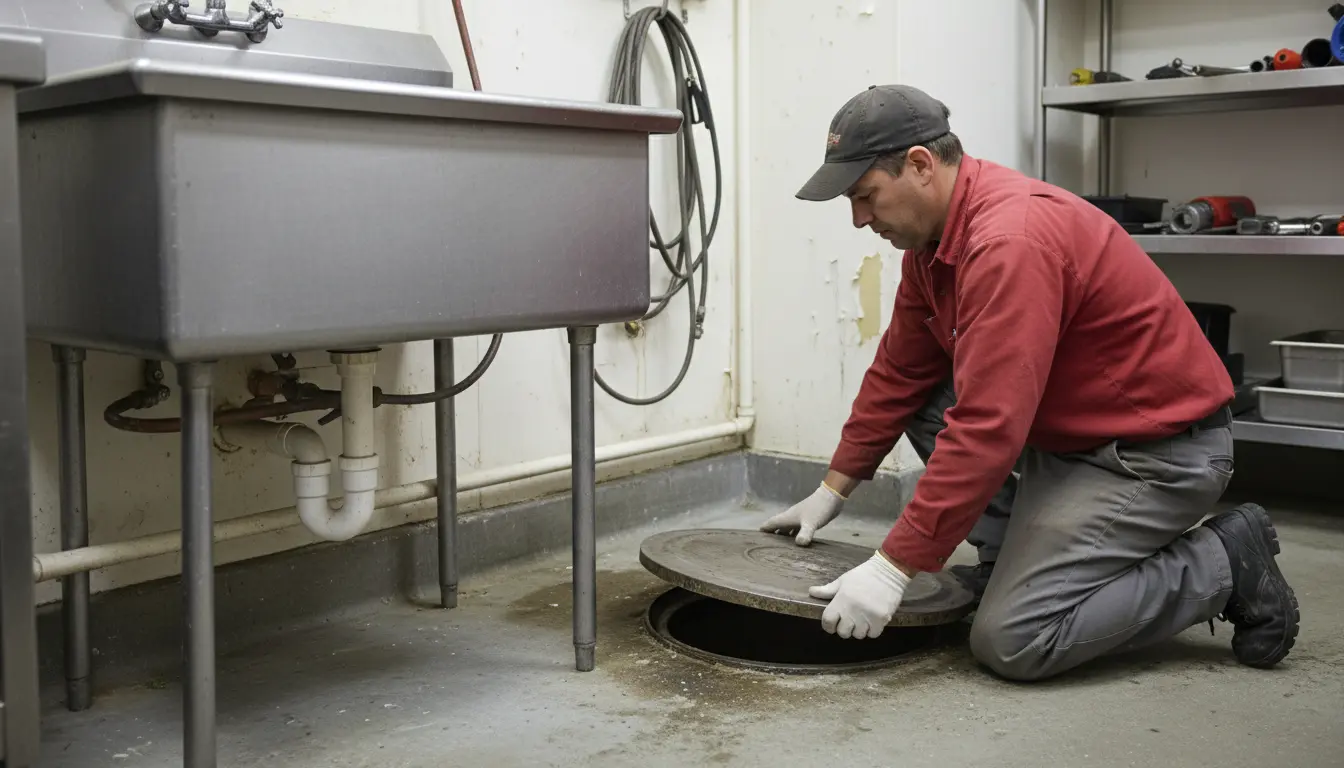
Find the Best Grease Trap Cleaning Companies for Your Business
No obligation • Fast responses • Nationwide coverage

Why you can trust Restaurant Waste Disposal
Restaurant Waste Disposal is a leading U.S. resource for comparing restaurant composting, food-waste recycling, grease trap cleaning, and used cooking oil collection services. Our editorial team researches providers, checks credentials, and organizes unbiased information so operators can make informed decisions. Companies cannot pay to change ratings or placement.
Search providers near you
Top Grease Trap Cleaning Companies in Abilene, Texas Ranked
For any food service establishment in Abilene, from bustling diners to high-volume restaurants, maintaining a grease interceptor is a critical operational and legal requirement. The city enforces a specific Fats, Oils, and Grease (FOG) ordinance designed to protect the municipal sewer system from blockages and costly overflows. Compliance isn't just about avoiding fines; it's about ensuring your business runs smoothly, preventing disruptive backups, and contributing to the community's infrastructure health. This guide details Abilene's regulations, best practices for grease trap and interceptor maintenance, and what local businesses need to know to stay in compliance.
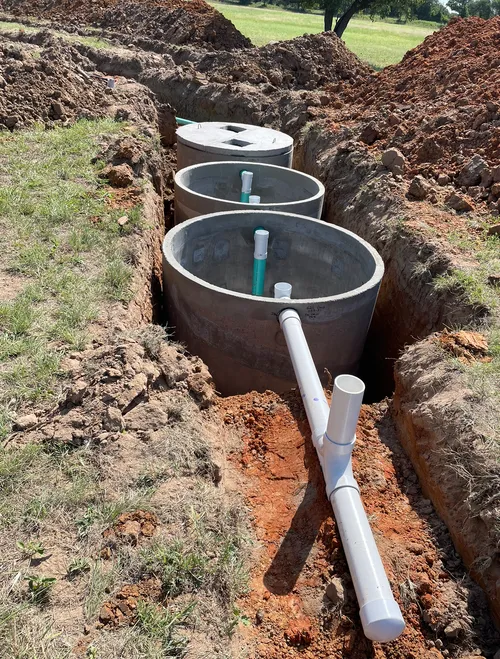
Stinky Steve's Septic and Grease
4810 Mary Lou Ln, Abilene, TX 79606
Stinky Steve's Septic and Grease provides grease trap cleaning services in Abilene, TX. The company specializes in grease trap maintenance and septic services to support local businesses and residences.
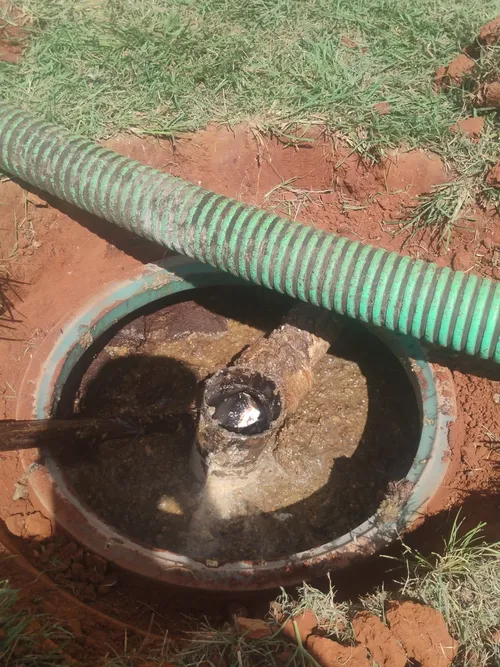
Howdy Doodie Septic & Grease
1502 Burger St, Abilene, TX 79603
Howdy Doodie Septic & Grease provides grease trap cleaning and septic tank services in Abilene, TX. The company handles grease trap maintenance and septic tank pumping to support local businesses and homes. While specific capabilities and history are not detailed, customer reviews highlight their work in grease trap system issues and septic tank cleaning.
Understanding Abilene's FOG Ordinance
The City of Abilene operates under Ordinance 029-2017, which establishes clear rules for the management of fats, oils, and grease from food service facilities. The primary goal is to prevent FOG from entering the public sewer lines, where it can cool, solidify, and create severe blockages leading to sanitary sewer overflows (SSOs). These overflows are environmental hazards and can result in significant remediation costs for the city and potentially responsible businesses.
The ordinance applies to all facilities that prepare or serve food, including restaurants, cafeterias, bakeries, and any other establishment with a kitchen. Key to the regulation is the requirement to install, properly maintain, and regularly service a grease control device-commonly a grease trap or larger grease interceptor. The specific cleaning schedule and rules are based on the size of your unit, making it essential to know whether you have a small, under-50-gallon trap or a larger interceptor.
Required Cleaning Schedules & The 25% Rule
Your mandatory cleaning frequency is dictated by the capacity of your grease control device. Abilene's guidelines specify two main schedules:
- Small Grease Traps (Under 50 Gallons): These are typically interior traps located near sinks or dishwashers. They must be pumped out and cleaned at least monthly. More frequent service may be required if the trap reaches capacity before the month ends.
- Large Grease Interceptors (50 Gallons and Over): These are usually exterior, in-ground units. They require pumping and cleaning at least quarterly (every 90 days).
However, these are minimum requirements. The most critical operational rule is the "25% Rule" 1 2 3. Cleaning is mandatory whenever the combined depth of accumulated FOG and settled solids reaches 25% of the wetted height of the unit. In practical terms:
- For a small trap, this is typically when the layer is 2 inches from the bottom of the outlet pipe.
- For a large interceptor, this is generally when the layer is 5 to 6 inches from the bottom of the outlet pipe.
A facility must clean its trap before this limit is reached, even if the calendar date for monthly or quarterly service hasn't arrived. Regular visual checks of the grease and solids layer are a necessary part of responsible maintenance.
Documentation and Recordkeeping
Proper documentation is as important as the cleaning itself. Abilene requires facilities to keep detailed records on-site for a minimum of five years. During inspections, city officials will ask to see these records. They must include:
- Date of each pump-out and cleaning.
- Name of the permitted hauler company that performed the service.
- Volume of waste (in gallons) removed from the trap or interceptor.
- Disposal location (the approved facility where the grease waste was taken).
This information is provided on a manifest or trip ticket by your licensed grease hauler after each service. Keeping these documents organized and readily accessible is a cornerstone of demonstrating compliance.
City Inspections and Enforcement
The City of Abilene's Public Works or Water Utilities Department conducts inspections to ensure compliance with the FOG ordinance 4. Inspectors may perform routine checks or respond to specific concerns. During an inspection, they will typically:
- Review your maintenance manifests and trip tickets for the past five years.
- Visually inspect the grease trap/interceptor for proper function, lid integrity, and signs of overflow or bypass.
- Assess kitchen practices related to grease handling.
Enforcement actions can be taken against facilities found to be in violation. These may include formal notices of violation, orders for immediate cleaning, administrative fines, and in severe or repeat cases, legal action. Non-compliance can also lead to sewer blockages on your own property, causing disruptive and expensive backups 5 6.
Find the perfect grease trap cleaning companies for your needs
Get personalized recommendations and expert advice
Cost Factors for Grease Trap Service in Abilene
The cost for professional grease trap pumping and cleaning in Abilene varies based on several factors. Understanding these can help you budget for this essential service. Typical price ranges, based on industry averages, are as follows 7 8 9:
- Monthly Contract Service (for small, indoor traps): Often ranges from $125 to $180 per service. Contracted, regular service usually offers a lower per-visit rate.
- One-Time or Emergency Service: Can cost significantly more, generally ranging from $190 to $240 or higher, as it may involve priority scheduling and less predictable logistics.
Key factors influencing price include:
- Trap Size and Type: A large, underground interceptor requires more labor, equipment, and disposal volume than a small under-sink trap.
- Service Frequency: Quarterly service may have a different per-visit cost structure than monthly service.
- Location and Accessibility: An outdoor trap with easy access for a pump truck is typically less expensive to service than an indoor trap in a cramped basement that requires extra hose or manual labor.
- Contract vs. On-Call: Committing to a regular service contract with a provider almost always reduces the per-cleaning cost compared to calling for one-off services.
Best Practices for Grease Trap Maintenance
Beyond scheduled pump-outs, proper daily practices in your kitchen can dramatically improve the efficiency and lifespan of your grease trap, reduce odors, and lower service costs 10 11.
- Dry Wiping: Scrape all food scraps, grease, and oil from pots, pans, and dishes into the trash before rinsing them in the sink. This is the single most effective way to reduce the load on your trap.
- Use Strainers: Place baskets or strainers in sink drains to catch solid food particles.
- Never Pour Grease Down the Drain: Collect cooled cooking oil and fat in a sealed container and dispose of it with solid waste or have it recycled by your grease hauler.
- Maintain the Lid: Ensure trap lids are sealed properly to prevent odors from escaping and to keep out debris and pests.
- Use Licensed Haulers: Only hire grease trap service providers permitted by the City of Abilene to collect and dispose of grease waste. Using an unlicensed hauler does not fulfill your documentation requirements and can lead to compliance issues.
The Importance of Proper FOG Management
Effective grease interceptor maintenance is a key component of responsible business ownership in Abilene. It protects your property from messy and expensive backups, ensures you avoid regulatory penalties, and supports the city's efforts to maintain a functional and environmentally sound wastewater system. By understanding the local ordinance, adhering to the cleaning schedule and 25% rule, keeping impeccable records, and implementing smart kitchen practices, you can turn this mandatory task into a seamless part of your operational routine.
Frequently asked questions
Sources
Footnotes
-
Food Service Operations - Abilene, TX - https://www.abilenetx.gov/697/Food-Service-Operations ↩
-
Ordinance 029-2017 Fats Oils and Grease FOG (PDF) - Abilene, TX - https://abilenetx.gov/DocumentCenter/View/10621/Ordinance-029-2017-Fats-Oils-and-Grease-FOG-PDF ↩
-
EXHIBIT B City of Abilene, Texas Fats, Oils, & Grease (FOG ... - https://abilenetx.gov/DocumentCenter/View/4080/08-18-2017-Exhibit-B-City-of-Abilene-FOG-Guidelines-and-Procedures-PDF ↩
-
Fats, Oils & Grease Ordinance | Abilene, TX - https://abilenetx.gov/701/Fats-Oils-Grease-Ordinance ↩
-
Restaurants are Required to Maintain Grease Traps - https://www.defendyourdrainsnorthtexas.com/restaurants.html ↩
-
Model Standards for a Grease Ordinance - https://www.tceq.texas.gov/downloads/assistance/water/wastewater/fats-oils-grease/model-standard.pdf/@@download/file/model-standard.pdf ↩
-
Grease Trap Cleaning Prices | Guide on the Industry Average - https://grease-cycle.com/grease-trap-pumping-cost/ ↩
-
How Much Does It Cost to Clean Your Grease Trap? - https://www.aquaprosolutions.com/resources/how-much-does-it-cost-to-clean-your-grease-trap/ ↩
-
How Much Does It Cost To Clean A Grease Trap? - https://www.greasecollection.com/blog/how-much-does-it-cost-to-clean-a-grease-trap/ ↩
-
Grease Trap Inspection - CCPIA - https://ccpia.org/grease-trap-inspection/ ↩
-
Untitled - https://www.cityofsachse.com/DocumentCenter/View/5901 ↩