Find the Best Grease Trap Cleaning Companies for Your Business
No obligation • Fast responses • Nationwide coverage

Why you can trust Restaurant Waste Disposal
Restaurant Waste Disposal is a leading U.S. resource for comparing restaurant composting, food-waste recycling, grease trap cleaning, and used cooking oil collection services. Our editorial team researches providers, checks credentials, and organizes unbiased information so operators can make informed decisions. Companies cannot pay to change ratings or placement.
Search providers near you
Top Grease Trap Cleaning Companies in Dallas, Texas Ranked
For any food service establishment in Dallas, maintaining a clean and compliant grease trap or interceptor is not just a matter of kitchen hygiene-it's a legal requirement with significant financial and operational implications. The City of Dallas enforces strict regulations through its Pretreatment Program to protect the municipal sewer system from blockages and costly overflows caused by fats, oils, and grease (FOG). Non-compliance can lead to severe fines, mandatory business closures, and damage to public infrastructure and the environment. This guide outlines the essential rules, best practices, and cost considerations for effective grease trap maintenance in Dallas, helping restaurant owners and managers navigate this critical aspect of operations.
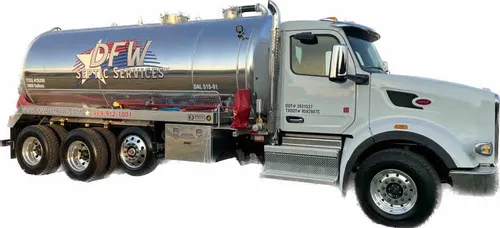
DFW Septic and Grease Services
4881 Montgomery Rd, Midlothian, TX 76065
DFW Septic and Grease Services provides septic system cleaning and grease trap maintenance for residential and commercial properties in Fort Worth, TX, and surrounding counties including Ellis, Tarrant, Dallas, Rockwall, Kaufman, Henderson, Navarro, Johnson, and Hill. They serve a variety of clients such as restaurants, cafeterias, retirement homes, schools, supermarkets, and convenience stores. Their services include onsite inspections, waste collection, and customer guidance to ensure proper system care. The company emphasizes regular septic tank pumping every three years or as needed based on usage and environmental factors.
Roto-Rooter Plumbing & Water Cleanup
1225 Belt Line Rd Ste 103A, Garland, TX 75040
Roto-Rooter Plumbing & Water Cleanup provides comprehensive plumbing and water cleanup services in Fort Worth, TX, specializing in both residential and commercial plumbing needs. Their offerings include sewer and drain cleaning, grease trap maintenance, water heater repair and installation, floodwater cleanup, and mold remediation. The company uses advanced equipment such as hydro-jetting for drain cleaning and offers trenchless sewer line repair methods. Serving Garland and surrounding counties, Roto-Rooter has extensive experience handling complex plumbing systems and emergency situations. They provide 24/7 emergency plumbing services to address urgent issues promptly.
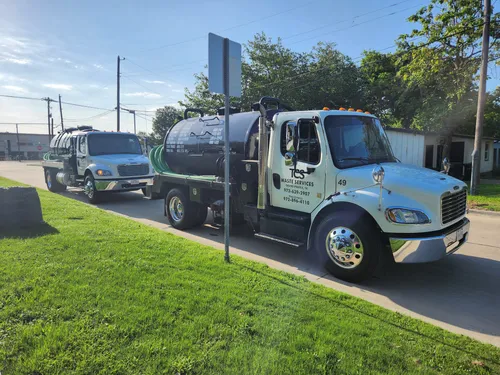
TCS Grease Trap Cleaners
Fort Worth, TX
TCS Grease Trap Cleaners provides grease trap cleaning services in Fort Worth, TX. The company focuses on customer satisfaction by treating clients as lifetime partners and seeking regular feedback to improve service quality. They offer thorough grease trap cleaning and go beyond basic expectations to ensure a positive experience.
Roto-Rooter Plumbing & Water Cleanup
3817 Conflans Rd, Irving, TX 75061
Roto-Rooter Plumbing & Water Cleanup provides comprehensive plumbing and water cleanup services in Fort Worth, TX, specializing in both residential and commercial plumbing needs. Their offerings include sewer and drain cleaning, grease trap cleaning, water heater repairs and installation, floodwater cleanup, mold remediation, and emergency plumbing services. The company uses advanced equipment such as hydro-jetting and camera inspections to address plumbing issues efficiently. Serving the Irving area and surrounding counties, Roto-Rooter has extensive experience handling complex commercial plumbing systems and offers 24/7 emergency service to address urgent plumbing problems at any time.
Roto-Rooter Plumbing & Water Cleanup
1412 Main St Ste 620, Dallas, TX 75202
Roto-Rooter Plumbing & Water Cleanup is a licensed and insured plumbing company serving Fort Worth, TX. They offer a wide range of plumbing services including drain cleaning, grease trap pumping, water heater repair and installation, sewer line inspection and repair, and water damage cleanup. The company uses advanced diagnostic tools and hydro-jetting equipment to address local plumbing challenges such as clay-heavy soil and aging systems. Roto-Rooter has been a trusted name in plumbing since 1935 and provides 24/7 emergency services to handle urgent plumbing issues at any time.
Understanding Dallas Grease Trap Regulations
Dallas Water Utilities (DWU) is the primary enforcement body for grease control under Chapter 19 of the City Code. The regulations are designed to prevent FOG from entering the city's wastewater collection system, where it can solidify and cause blockages, sanitary sewer overflows, and increased maintenance costs.
The cornerstone of the local ordinance is the 25% rule. Grease interceptors must be pumped out and cleaned when the combined floating grease and settled solids reach 25% of the liquid depth of the trap or at a minimum of every 90 days, whichever comes first 1. It is the responsibility of the food service establishment (FSE) to monitor accumulation and schedule service accordingly.
Key Compliance Requirements
- Licensed Haulers Only: All grease trap waste must be removed by a liquid waste hauler licensed by both the Texas Commission on Environmental Quality (TCEQ) and the City of Dallas. Using an unlicensed provider is a violation.
- Detailed Manifests: For every pump-out, the hauler must provide a detailed manifest or invoice. This document is crucial for compliance tracking and must be retained on-site for at least three years. It should include the volume of waste removed, the disposal facility used, and the date of service.
- Proper Sizing and Access: Grease interceptors must be appropriately sized for the kitchen's volume and type of food preparation and must be easily accessible for inspection and servicing 2 3.
The Cost of Compliance vs. Non-Compliance
Investing in regular grease interceptor maintenance is far less expensive than dealing with the consequences of neglect.
Scheduled Service Pricing
For routine, scheduled pump-outs, Dallas restaurants can expect costs to generally range from approximately $250 to over $400 per service visit. The final price depends on several factors:
- Trap Size: Larger traps (e.g., 1,000-1,500 gallons) cost more to pump than smaller under-sink units.
- Accessibility: Easily accessible traps are less labor-intensive.
- Hauler and Contract: Prices vary between service providers, and signing a regular service contract can offer cost predictability.
Emergency Service and Penalty Costs
Neglecting regular maintenance almost guarantees more expensive problems. If a trap overflows or causes a backup, emergency service calls can cost between $800 and $1,200 or more 4 5. Furthermore, the City of Dallas conducts inspections to verify compliance with cleaning schedules and manifest records 6 7. Violations can result in significant fines and, in severe cases, orders to cease operations until the issue is resolved 8 9. The cost of a forced closure for even a day can dwarf an entire year's worth of scheduled pumping services.
Find the perfect grease trap cleaning companies for your needs
Get personalized recommendations and expert advice
Best Practices for Effective Grease Management
Proactive grease management extends beyond just scheduling pump-outs. Implementing these practices can improve efficiency, reduce costs, and ensure smoother inspections.
1. Train Your Kitchen Staff: The first line of defense is in the kitchen. Staff should be trained to scrape all food scraps into trash bins, not sinks, and to use sink strainers to catch solids. Pouring grease or oil down any drain should be strictly prohibited.
2. Understand Additives: While grease-dissolving additives or "bio-augmentation" products are available, they are not a substitute for physical pumping and cleaning. In fact, some additives can harm the wastewater treatment process. The City of Dallas advises that additives do not eliminate the need for regular interceptor maintenance 10.
3. Maintain Your Records: Create a dedicated file or digital folder for all grease trap service manifests. During a DWU inspection, having these documents organized and readily available demonstrates good-faith compliance.
4. Know Your Hauler: Before hiring a service, verify their Dallas and TCEQ licenses. A reputable provider will not only perform the pump-out but also help you understand your compliance status and optimal service frequency.
The Inspection and Enforcement Process
Dallas Water Utilities' Pretreatment Program officers have the authority to inspect any food service establishment to enforce the grease ordinance. Inspections typically involve:
- Reviewing the past three years of pump-out manifests and invoices.
- Visually inspecting the grease interceptor to check for proper maintenance and signs of overflow or bypass.
- Checking for any illegal connections or discharges.
Failure to produce manifests or evidence of an overfull trap will result in a notice of violation. Establishments are given a deadline to correct the issue, after which fines are levied. Repeated or willful violations escalate to more severe penalties, including litigation.
Choosing the Right Service Frequency
While the city mandates a 90-day maximum, your ideal service interval may be shorter. High-volume restaurants, those serving particularly greasy foods, or establishments with older plumbing should consider monthly or bi-monthly service. A qualified, licensed hauler can assess your specific operation and recommend a cost-effective schedule that keeps you well within compliance limits and prevents emergencies.
Ultimately, effective grease trap management in Dallas is a partnership between the restaurant, a licensed hauler, and the city's regulatory framework. By understanding the rules, implementing proactive kitchen practices, and maintaining diligent records, restaurant operators can turn a mandatory compliance task into a straightforward component of responsible business management.
Frequently asked questions
Sources
Footnotes
-
faqs2 - https://dallascityhall.com/departments/waterutilities/pretreatmentprogram/Pages/faqs2.aspx ↩
-
SEC. 19-126.2. TRAPS/INTERCEPTORS REQUIRED. - https://codelibrary.amlegal.com/codes/dallas/latest/dallas_tx/0-0-0-110074 ↩
-
Model Standards for a Grease Ordinance - https://www.tceq.texas.gov/downloads/assistance/water/wastewater/fats-oils-grease/model-standard.pdf/@@download/file/model-standard.pdf ↩
-
Ultimate Grease Trap Pumping Cost Guide: Essential Money-Saving ... - https://www.texwaywastewater.com/grease-trap-pumping-cost/ ↩
-
Grease Trap Cleaning Prices | Guide on the Industry Average - https://grease-cycle.com/grease-trap-pumping-cost/ ↩
-
The Ultimate Guide to Restaurant Grease Trap Pumping ... - https://epicseptic.com/the-ultimate-guide-to-restaurant-grease-trap-pumping-cleaning-in-central-texas/ ↩
-
Liquid Waste Program - City of Dallas - https://dallascityhall.com/departments/waterutilities/pretreatmentprogram/Pages/liquid_waste.aspx ↩
-
Understanding Grease Removal And The 25% Rule - City of Dallas - https://dallascityhall.com/departments/codecompliance/DCH%20documents/pdf/GreaseTrap_brochure.pdf ↩
-
How to Clean a Grease Trap (and How Often You Should) - https://greaseconnections.com/how-to-clean-a-grease-trap-and-how-often-you-should/ ↩
-
Grease Interceptor Guide (2015) - Defend Your Drains North Texas - https://www.defendyourdrainsnorthtexas.com/docs/Grease_Interceptor_Guide_2015.pdf ↩