
Find the Best Grease Trap Cleaning Companies for Your Business
No obligation • Fast responses • Nationwide coverage

Why you can trust Restaurant Waste Disposal
Restaurant Waste Disposal is a leading U.S. resource for comparing restaurant composting, food-waste recycling, grease trap cleaning, and used cooking oil collection services. Our editorial team researches providers, checks credentials, and organizes unbiased information so operators can make informed decisions. Companies cannot pay to change ratings or placement.
Search providers near you
Top Grease Trap Cleaning Companies in Richardson, Texas Ranked
For any food service establishment in Richardson, proper grease trap maintenance is not just a best practice-it's a legal requirement. The City of Richardson enforces strict ordinances to manage Fats, Oils, and Grease (FOG) to protect the public sewer system from blockages and costly overflows. Effective grease interceptor service is a critical component of your restaurant's operational compliance, environmental responsibility, and financial health. By adhering to scheduled cleaning and proper record-keeping, Richardson businesses can avoid significant fines and ensure their kitchens run smoothly.
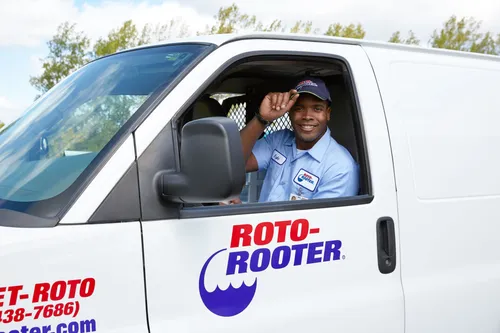
Roto-Rooter Plumbing & Water Cleanup
1225 Belt Line Rd Ste 103A, Garland, TX 75040
Roto-Rooter Plumbing & Water Cleanup provides comprehensive plumbing and water cleanup services in Fort Worth, TX, specializing in both residential and commercial plumbing needs. Their offerings include sewer and drain cleaning, grease trap maintenance, water heater repair and installation, floodwater cleanup, and mold remediation. The company uses advanced equipment such as hydro-jetting for drain cleaning and offers trenchless sewer line repair methods. Serving Garland and surrounding counties, Roto-Rooter has extensive experience handling complex plumbing systems and emergency situations. They provide 24/7 emergency plumbing services to address urgent issues promptly.
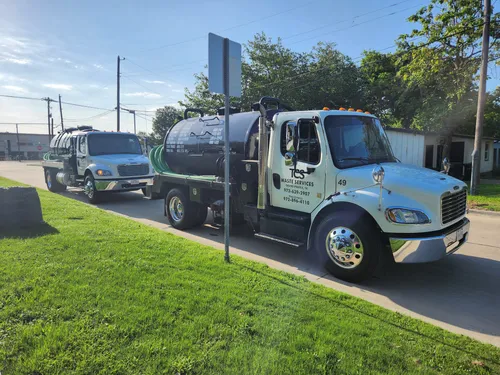
TCS Grease Trap Cleaners
Fort Worth, TX
TCS Grease Trap Cleaners provides grease trap cleaning services in Fort Worth, TX. The company focuses on customer satisfaction by treating clients as lifetime partners and seeking regular feedback to improve service quality. They offer thorough grease trap cleaning and go beyond basic expectations to ensure a positive experience.
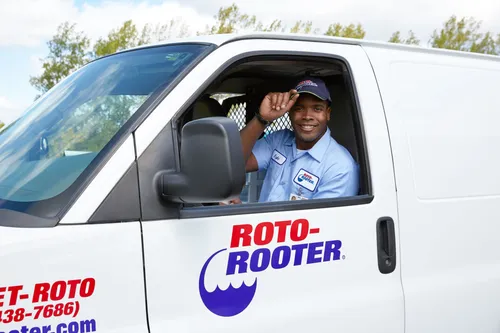
Roto-Rooter Plumbing & Water Cleanup
3817 Conflans Rd, Irving, TX 75061
Roto-Rooter Plumbing & Water Cleanup provides comprehensive plumbing and water cleanup services in Fort Worth, TX, specializing in both residential and commercial plumbing needs. Their offerings include sewer and drain cleaning, grease trap cleaning, water heater repairs and installation, floodwater cleanup, mold remediation, and emergency plumbing services. The company uses advanced equipment such as hydro-jetting and camera inspections to address plumbing issues efficiently. Serving the Irving area and surrounding counties, Roto-Rooter has extensive experience handling complex commercial plumbing systems and offers 24/7 emergency service to address urgent plumbing problems at any time.
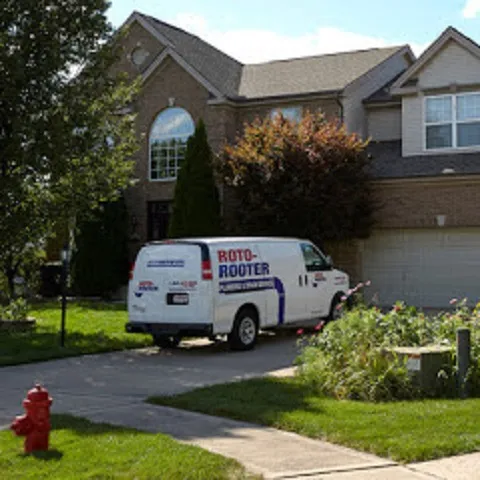
Roto-Rooter Plumbing & Water Cleanup
1412 Main St Ste 620, Dallas, TX 75202
Roto-Rooter Plumbing & Water Cleanup is a licensed and insured plumbing company serving Fort Worth, TX. They offer a wide range of plumbing services including drain cleaning, grease trap pumping, water heater repair and installation, sewer line inspection and repair, and water damage cleanup. The company uses advanced diagnostic tools and hydro-jetting equipment to address local plumbing challenges such as clay-heavy soil and aging systems. Roto-Rooter has been a trusted name in plumbing since 1935 and provides 24/7 emergency services to handle urgent plumbing issues at any time.
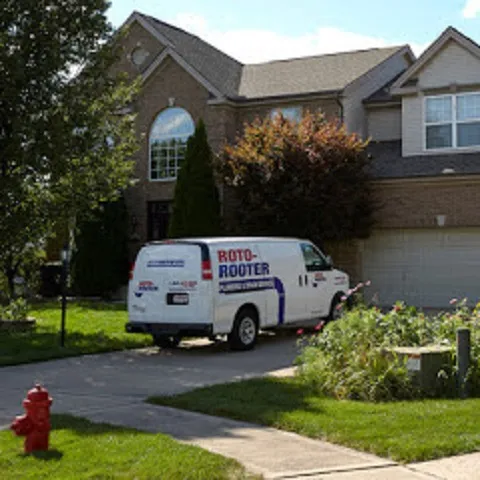
Roto-Rooter Plumbing & Water Cleanup
215 Dalton Dr C-4, DeSoto, TX 75115
Roto-Rooter Plumbing & Water Cleanup provides comprehensive plumbing and water cleanup services in Fort Worth, TX, and the surrounding areas. They handle a wide range of residential and commercial plumbing needs, including drain cleaning, sewer line repair and replacement, water heater installation and repair, grease trap maintenance, and emergency floodwater cleanup. Their team uses advanced equipment such as hydro-jetting for drain cleaning and offers 24/7 emergency plumbing services to address urgent issues like burst pipes and sewer backups. Serving DeSoto and nearby communities, Roto-Rooter has extensive experience managing complex plumbing systems and environmental challenges unique to the region.
Understanding Richardson's FOG Ordinance
The cornerstone of local regulation is the City of Richardson's Ordinance No. 4213, which governs the discharge of FOG from food service establishments. This ordinance is designed to prevent sewer line blockages and the subsequent sanitary sewer overflows that can damage infrastructure and the environment. Compliance is mandatory for any facility that generates grease-laden wastewater, which includes nearly all restaurants, cafeterias, and commercial kitchens.
Key components of the ordinance include the requirement for properly sized and located grease interceptors, a manifest tracking system for all waste, and staff training on best practices. The city's model aligns with guidelines from the Texas Commission on Environmental Quality (TCEQ), emphasizing proactive management. Understanding these rules is the first step in developing a compliant and effective maintenance plan for your facility.
Location and Access Requirements for Interceptors
Richardson's code specifies that grease traps and interceptors must be installed outside of buildings with clear, unobstructed access for cleaning and pumping. This regulation ensures that service providers can safely and efficiently perform necessary maintenance without entering food preparation areas, which is crucial for both safety and hygiene. Indoor grease traps, often smaller units under sinks, are also subject to maintenance rules but have different service considerations and costs.
Proper location is not just about compliance; it also affects the cost and ease of service. An easily accessible, outdoor interceptor typically allows for faster, less expensive pump-outs compared to units located in cramped basements or difficult-to-reach indoor spaces. Ensuring your interceptor meets these location standards is essential from the initial installation or when evaluating an existing setup.
The Critical Importance of Manifest Tracking
One of the most emphasized requirements under Richardson's ordinance is the maintenance of a manifest system. Every time your grease trap is pumped, the licensed service provider must complete a detailed manifest. This document acts as a chain-of-custody record, tracking the grease waste from your establishment to its final disposal or recycling location.
The manifest typically includes:
- The name and license number of the waste transporter.
- The name and address of the generating establishment (your restaurant).
- The type and volume of waste collected.
- The date of service.
- The name and location of the disposal facility.
Keeping these manifests on file is non-negotiable. City inspectors will request them during routine checks to verify compliance. This paperwork is your proof of proper disposal and is vital for avoiding violations. Never work with a service provider who does not supply a completed manifest for each service.
Determining the Right Cleaning Frequency
How often should you schedule grease interceptor cleaning? While the TCEQ model ordinance suggests a maximum interval of 180 days (6 months), the reality for most busy restaurants in Central Texas, including Richardson, is more frequent 1 2. The most common and recommended schedule is quarterly service, or every three months 2. High-volume establishments, such as large restaurants or those with significant frying operations, may even require service every 4 to 6 weeks to prevent overflows and maintain peak efficiency 2 3.
The correct frequency depends on several factors:
- The size of your interceptor: Smaller traps fill faster.
- Your kitchen's volume: More meals served equals more grease produced.
- Your menu: Heavy frying or meat preparation generates more FOG.
- Pre-kitchen practices: Effective dry-wiping and scraping can significantly reduce the load entering the trap.
A qualified service provider can help you analyze these factors and recommend a schedule that keeps you compliant and prevents emergencies.
Find the perfect grease trap cleaning companies for your needs
Get personalized recommendations and expert advice
What to Expect During City Inspections
The City of Richardson conducts inspections to enforce FOG ordinance compliance. These inspections are carried out by authorized officials who will check several key items 4:
- Physical Inspection: The inspector will examine the grease interceptor itself, checking for signs of overflow, structural integrity, and proper labeling.
- Record Review: You will be required to present your maintenance records, specifically the pump-out manifests from your service provider, for the inspector's review.
- Waste Sampling: Inspectors may take samples of the contents of your interceptor to analyze FOG concentration and ensure it is being serviced before it becomes overly saturated 5.
- Staff Knowledge: They may inquire about staff training practices regarding grease handling and dry-wiping procedures.
Being prepared for an inspection means having your records organized and your interceptor accessible. Consistent, documented service is the best defense against inspection violations.
Cost Breakdown for Grease Trap Services
Understanding the cost structure for grease interceptor maintenance helps in budgeting and highlights the value of preventive care. Prices vary based on the size and location of the trap, as well as the type of service required.
- Scheduled, Preventive Pumping: For a standard outdoor interceptor, routine service typically costs between $250 and $400 per service. This is the most cost-effective approach.
- Indoor Grease Trap Cleaning: Smaller, under-sink indoor units are less expensive to service, generally ranging from $125 to $180 for a scheduled cleaning 6.
- Emergency or One-Off Service: Reacting to a problem after it occurs is significantly more expensive. Emergency pump-outs or cleaning for a severely clogged system can cost $800 to $1,200 or more 7. This does not include potential fines from the city or lost revenue from a kitchen shutdown.
In addition to service costs, the City of Richardson charges an additional $50 annual fee as part of the food service permit for establishments that have a grease trap 8. This fee supports the city's FOG management and inspection program.
Consequences of Non-Compliance
Failing to adhere to Richardson's grease trap regulations carries serious consequences. Enforcement actions are designed to be deterrents, as sewer blockages caused by FOG are a public health and environmental concern.
Violations can result in:
- Substantial Fines: Penalties can reach up to $2,000 per offense 9 10. Fines can be levied for missing manifests, overdue cleanings, or illegal discharges.
- Permit Suspension: In severe or repeat cases, the city can suspend or revoke your food service health permit, effectively closing your business until compliance is restored.
- Costly Remediation: If your negligence causes a sewer backup or overflow, you may be held financially responsible for the cleanup costs and damages to public property.
Proactive maintenance is always far less expensive than the combined cost of emergency service, city fines, and operational downtime.
Best Practices for Kitchen Staff Training
Technology and service contracts are only part of the solution. Your kitchen staff plays a pivotal role in effective FOG management. Implementing simple best practices can dramatically reduce the strain on your grease interceptor, extending time between services and improving overall efficiency 11.
Essential staff training should include:
- Dry Wiping: Scraping food scraps and grease from pots, pans, and dishes into the trash before they are rinsed in the sink.
- Use of Strainers: Placing strainers in all sink drains to catch solid food particles.
- Proper Disposal: Never pouring cooking oil, grease, or dairy products down the drain. Used fryer oil should be collected separately for recycling.
- Awareness: Educating staff on how the grease trap works and why their actions matter for compliance and cost control.
Frequently asked questions
Sources
Footnotes
-
Model Standards for a Grease Ordinance - https://www.tceq.texas.gov/downloads/assistance/water/wastewater/fats-oils-grease/model-standard.pdf/@@download/file/model-standard.pdf ↩
-
Why Central Texas Restaurants Need Quarterly Grease Trap ... - https://epicseptic.com/why-central-texas-restaurants-need-quarterly-grease-trap-service-contracts-and-a-partner-like-epic/ ↩ ↩2 ↩3
-
How Often Should Restaurants Clean Their Grease Traps? A ... - https://scjetting.com/how-often-should-restaurants-clean-their-grease-traps-a-complete-maintenance-guide/ ↩
-
Grease Trap Inspection - CCPIA - https://ccpia.org/grease-trap-inspection/ ↩
-
The Ultimate Guide to Restaurant Grease Trap Pumping & Cleaning ... - https://epicseptic.com/the-ultimate-guide-to-restaurant-grease-trap-pumping-cleaning-in-central-texas/ ↩
-
Grease Trap Cleaning Prices | Guide on the Industry Average - https://grease-cycle.com/grease-trap-pumping-cost/ ↩
-
Ultimate Grease Trap Pumping Cost Guide: Essential Money-Saving ... - https://www.texwaywastewater.com/grease-trap-pumping-cost/ ↩
-
§ 51.64 LOCATION OF GREASE TRAP/INTERCEPTOR FOR ... - https://codelibrary.amlegal.com/codes/texascity/latest/texascity_tx/0-0-0-2479 ↩
-
Ordinance No. 4213 - https://mcclibraryfunctions.azurewebsites.us/api/ordinanceDownload/10221/826000/pdf ↩
-
Grease Trap Regulations and Compliance: What You Need to ... - https://www.texwaywastewater.com/grease-trap-regulations-and-compliance/ ↩
-
How Grease Trap Maintenance Impacts Facility Health & Safety - https://www.thegreasetrapcleaners.com/blog/how-grease-trap-maintenance-impacts-facility-health-amp-safety ↩