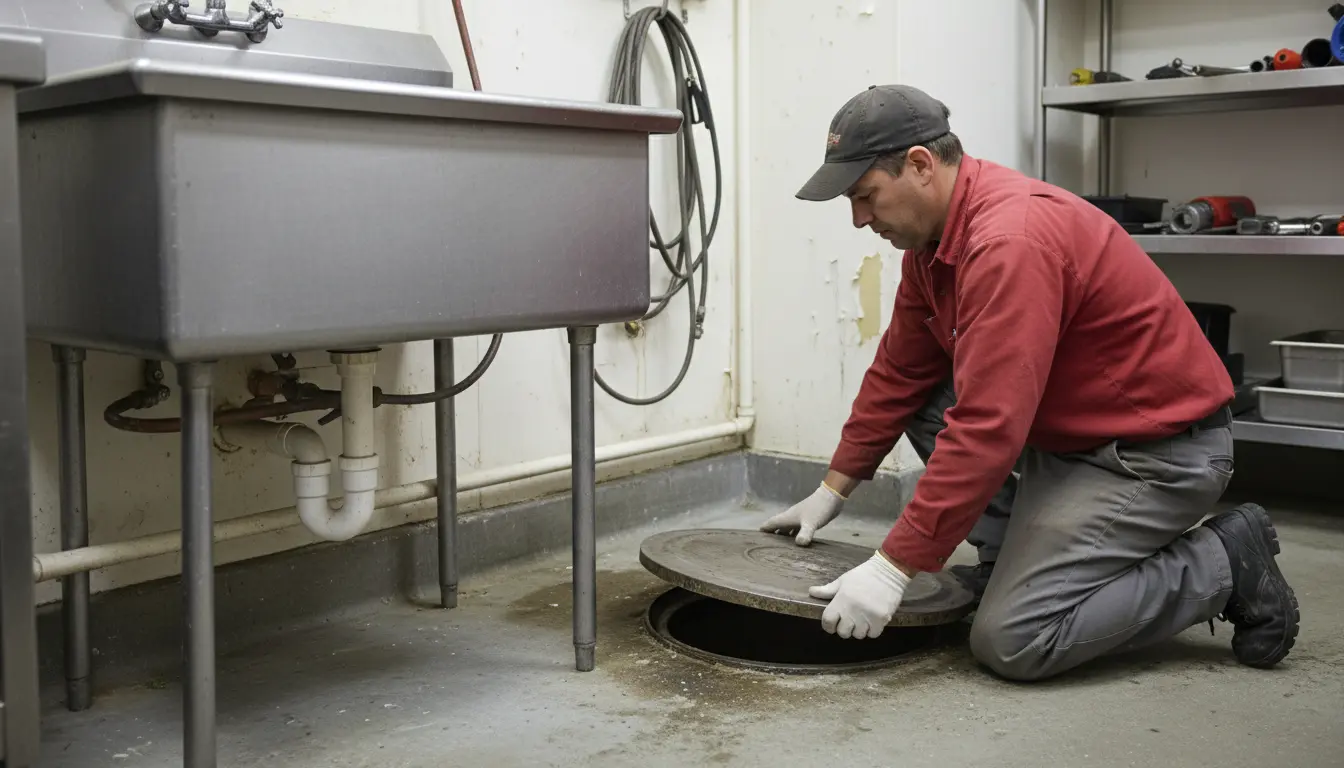
Find the Best Grease Trap Cleaning Companies for Your Business
No obligation • Fast responses • Nationwide coverage

Why you can trust Restaurant Waste Disposal
Restaurant Waste Disposal is a leading U.S. resource for comparing restaurant composting, food-waste recycling, grease trap cleaning, and used cooking oil collection services. Our editorial team researches providers, checks credentials, and organizes unbiased information so operators can make informed decisions. Companies cannot pay to change ratings or placement.
Search providers near you
Top Grease Trap Cleaning Companies in Plano, Texas Ranked
For any food service establishment in Plano, managing fats, oils, and grease (FOG) is a critical operational and legal requirement. The city enforces a strict FOG program to protect the municipal sewer system from blockages and costly overflows, which means restaurant owners must adhere to specific rules for grease interceptor maintenance. This involves regular pumping by licensed professionals, meticulous record-keeping, and ensuring easy access for city inspections. Proactive and compliant grease trap cleaning is not just about avoiding fines-it's essential for smooth restaurant operations, environmental responsibility, and public health.
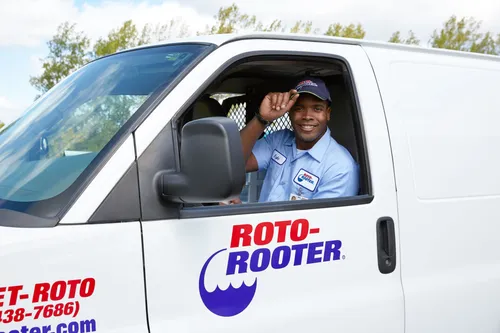
Roto-Rooter Plumbing & Water Cleanup
1225 Belt Line Rd Ste 103A, Garland, TX 75040
Roto-Rooter Plumbing & Water Cleanup provides comprehensive plumbing and water cleanup services in Fort Worth, TX, specializing in both residential and commercial plumbing needs. Their offerings include sewer and drain cleaning, grease trap maintenance, water heater repair and installation, floodwater cleanup, and mold remediation. The company uses advanced equipment such as hydro-jetting for drain cleaning and offers trenchless sewer line repair methods. Serving Garland and surrounding counties, Roto-Rooter has extensive experience handling complex plumbing systems and emergency situations. They provide 24/7 emergency plumbing services to address urgent issues promptly.
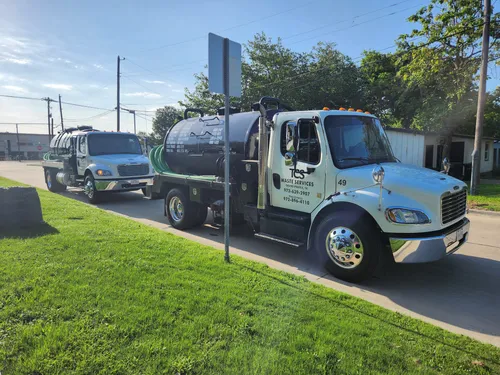
TCS Grease Trap Cleaners
Fort Worth, TX
TCS Grease Trap Cleaners provides grease trap cleaning services in Fort Worth, TX. The company focuses on customer satisfaction by treating clients as lifetime partners and seeking regular feedback to improve service quality. They offer thorough grease trap cleaning and go beyond basic expectations to ensure a positive experience.
Roto-Rooter Plumbing & Water Cleanup
3817 Conflans Rd, Irving, TX 75061
Roto-Rooter Plumbing & Water Cleanup provides comprehensive plumbing and water cleanup services in Fort Worth, TX, specializing in both residential and commercial plumbing needs. Their offerings include sewer and drain cleaning, grease trap cleaning, water heater repairs and installation, floodwater cleanup, mold remediation, and emergency plumbing services. The company uses advanced equipment such as hydro-jetting and camera inspections to address plumbing issues efficiently. Serving the Irving area and surrounding counties, Roto-Rooter has extensive experience handling complex commercial plumbing systems and offers 24/7 emergency service to address urgent plumbing problems at any time.
Roto-Rooter Plumbing & Water Cleanup
1412 Main St Ste 620, Dallas, TX 75202
Roto-Rooter Plumbing & Water Cleanup is a licensed and insured plumbing company serving Fort Worth, TX. They offer a wide range of plumbing services including drain cleaning, grease trap pumping, water heater repair and installation, sewer line inspection and repair, and water damage cleanup. The company uses advanced diagnostic tools and hydro-jetting equipment to address local plumbing challenges such as clay-heavy soil and aging systems. Roto-Rooter has been a trusted name in plumbing since 1935 and provides 24/7 emergency services to handle urgent plumbing issues at any time.
Roto-Rooter Plumbing & Water Cleanup
903 18th St Ste 216, Plano, TX 75074
Roto-Rooter Plumbing & Water Cleanup provides comprehensive plumbing and water cleanup services in Fort Worth, TX, specializing in both residential and commercial needs. Their offerings include floodwater cleanup, sewer and drain cleaning, water heater repairs, grease trap maintenance, and mold remediation. The company uses advanced equipment such as high-pressure water jetting (hydro-jetting) and trenchless sewer repair technology to address complex plumbing issues. Serving the greater Plano area and surrounding counties, Roto-Rooter is available 24/7 for emergency plumbing and water cleanup services, ensuring rapid response to urgent situations.
Understanding Plano's FOG Program and Regulations
The City of Plano actively enforces its Fats, Oils, and Grease program to prevent sewer line backups and environmental damage. These regulations are based on model standards from the Texas Commission on Environmental Quality (TCEQ) and are non-negotiable for food service businesses. Compliance isn't merely a suggestion; it's a mandatory condition of operating your establishment. The rules are designed to keep FOG out of the wastewater system, where it can solidify, cause major blockages, and lead to sanitary sewer overflows (SSOs) that are harmful and expensive to remediate.
Key components of the program include mandatory inspections by city officials, who will check both the physical condition of your grease management system and your service documentation. Non-compliance can result in significant fines, mandatory business closures until issues are resolved, and increased liability for environmental cleanup costs. Understanding these regulations is the first step in developing a reliable maintenance plan.
Essential Compliance Requirements for Restaurants
To stay in good standing with the City of Plano, restaurant operators must meet several specific requirements for their grease interceptors.
- Licensed Haulers Only: All grease trap waste must be pumped, transported, and disposed of by a hauler licensed and certified by the TCEQ. Using an unlicensed service is a direct violation and leaves you without valid documentation.
- Mandatory Service Manifests: For every pump-out, your service provider must issue a detailed manifest. This document is your proof of service and must include the generator's information (your restaurant), the transporter's details, the disposal facility, the type and volume of waste, and the date. You are required to keep these manifests on-site for inspection.
- Accessibility: Your grease trap or interceptor must be readily accessible for both cleaning crews and city inspectors. Obstructions or difficult access can lead to violations and higher service charges 1.
- Staff Training: Employees should be trained on best practices for FOG handling, such as using sink strainers and scraping plates into the trash before washing. This reduces the load on your interceptor and extends time between necessary services.
Determining Your Grease Trap Cleaning Frequency
While Plano's code typically requires pumping at least every 180 days (six months), this is often a minimum standard 2 3. Your actual required frequency is dictated by the buildup of FOG and solids within the interceptor. A common industry rule is to schedule service when the trap is 25% to 50% full 2. For high-volume kitchens, busy restaurants, or establishments with particularly greasy menus, this could mean service is needed every 45 to 90 days.
The size and type of your interceptor also play a role. A small under-sink grease trap will fill much faster than a large, exterior concrete grease interceptor. The most reliable method is to work with your licensed service provider to establish an inspection schedule. They can monitor the FOG level and recommend a pumping frequency that keeps you compliant and prevents emergency issues. Waiting until a trap is completely full or overflowing is a sure path to sewer line blockages, unpleasant odors, and regulatory penalties 4.
Cost Factors for Grease Interceptor Service
The cost for grease trap pumping in Plano varies significantly based on several factors. Understanding these can help you budget effectively and avoid unexpected expenses.
- Standard Indoor Trap Cleaning: For a regularly maintained, accessible indoor grease trap, typical costs range from $175 to $475 per cleaning 5. The final price depends on the trap's size (e.g., 20-gallon vs. 50-gallon) and its condition at the time of service.
- Large or Exterior Interceptor Pumping: Larger systems, such as in-ground concrete interceptors common behind restaurants, involve more labor, equipment, and waste volume. Service for these systems can range from $400 to over $2,500 per visit 6 7.
- Condition and Neglect: The single biggest cost variable is the condition of your trap. A severely neglected interceptor that is packed with solidified grease and solids requires extensive labor, potentially hydro-jetting, and emergency service fees. Cleaning a badly maintained trap can easily cost triple or more than a routine service. Proactive, regular maintenance is the most effective cost-saving strategy.
- Service Contract Value: Many providers offer service contracts that schedule regular cleanings at a predictable rate. This not only helps manage costs but also ensures consistent compliance and often includes priority service and detailed record-keeping assistance.
Find the perfect grease trap cleaning companies for your needs
Get personalized recommendations and expert advice
The High Cost of Non-Compliance
Failing to adhere to Plano's grease trap regulations carries consequences far beyond a simple warning. The city's enforcement actions are structured to compel immediate compliance and mitigate public health risks.
Initial violations may result in formal notices and fines. Continued non-compliance can escalate to mandatory temporary closure of your establishment until the grease interceptor is professionally cleaned and all manifests are provided 8. In severe cases, where FOG discharge has caused or contributed to a sewer blockage or overflow, a business can be held financially responsible for the city's cleanup costs and environmental remediation. These costs can dwarf a year's worth of routine maintenance services. Furthermore, a history of violations can complicate permitting and licensing renewals 9.
Building a Proactive Maintenance Plan
A successful strategy for grease trap management in Plano hinges on proactivity and partnership.
- Schedule Regular Inspections: Don't wait for the city to inspect. Have your licensed hauler inspect your interceptor regularly to gauge FOG levels and recommend a pumping schedule tailored to your operation.
- Maintain Impeccable Records: Organize and file every service manifest in a dedicated, easily accessible location. Digital copies are also a wise backup. These records are your primary defense during a city inspection 10.
- Know Your System: Understand the type, size, and location of your grease interceptor. This knowledge is crucial for communicating with service providers and planning for capital expenses if an upgrade or replacement is ever needed.
- Partner with a Reputable Provider: Choose a licensed, insured, and experienced service provider familiar with Plano's specific codes. A good partner will not only perform the service but also help you navigate compliance, maintain records, and avoid problems.
Investing in a consistent, documented grease trap cleaning program is one of the smartest operational decisions a Plano restaurant owner can make. It protects your business from disruptive fines and closures, prevents costly plumbing emergencies, and contributes to the community's environmental health.
Frequently asked questions
Sources
Footnotes
-
Requirements for Food Establishments (PDF) - https://content.civicplus.com/api/assets/1f521bb0-7184-4285-bd1a-11a91f39ab8c ↩
-
The Ultimate Guide to Restaurant Grease Trap Pumping ... - https://epicseptic.com/the-ultimate-guide-to-restaurant-grease-trap-pumping-cleaning-in-central-texas/ ↩ ↩2
-
Model Standards for a Grease Ordinance - https://www.tceq.texas.gov/downloads/assistance/water/wastewater/fats-oils-grease/model-standard.pdf/@@download/file/model-standard.pdf ↩
-
Grease Trap Pumping Plano | Grease Interceptor Pumping - https://greasetrapplano.com/ ↩
-
How Much Does a Proper Grease Trap Cleaning Cost? - https://hulseyenvironmental.com/how-much-does-a-proper-grease-trap-cleaning-partner-cost/ ↩
-
Ultimate Grease Trap Pumping Cost Guide: Essential Money-Saving ... - https://www.texwaywastewater.com/grease-trap-pumping-cost/ ↩
-
Restaurant Grease Trap & Interceptor Cleaning Cost - https://greasemanagement.org/pricing.html ↩
-
City of Plano enforces grease trap regulations to prevent sewer ... - https://citizenportal.ai/articles/2257302/Plano/Collin-County/Texas/City-of-Plano-enforces-grease-trap-regulations-to-prevent-sewer-overflows ↩
-
Grease Trap Regulations and Compliance: What You Need to Know - https://www.texwaywastewater.com/grease-trap-regulations-and-compliance/ ↩
-
Dallas Grease Trap Cleaning: Essential Facility Maintenance ... - https://www.myshyft.com/blog/grease-trap-cleaning-dallas-texas/ ↩