Find the Best Grease Trap Cleaning Companies for Your Business
No obligation • Fast responses • Nationwide coverage

Why you can trust Restaurant Waste Disposal
Restaurant Waste Disposal is a leading U.S. resource for comparing restaurant composting, food-waste recycling, grease trap cleaning, and used cooking oil collection services. Our editorial team researches providers, checks credentials, and organizes unbiased information so operators can make informed decisions. Companies cannot pay to change ratings or placement.
Search providers near you
Top Grease Trap Cleaning Companies in Pharr, Texas Ranked
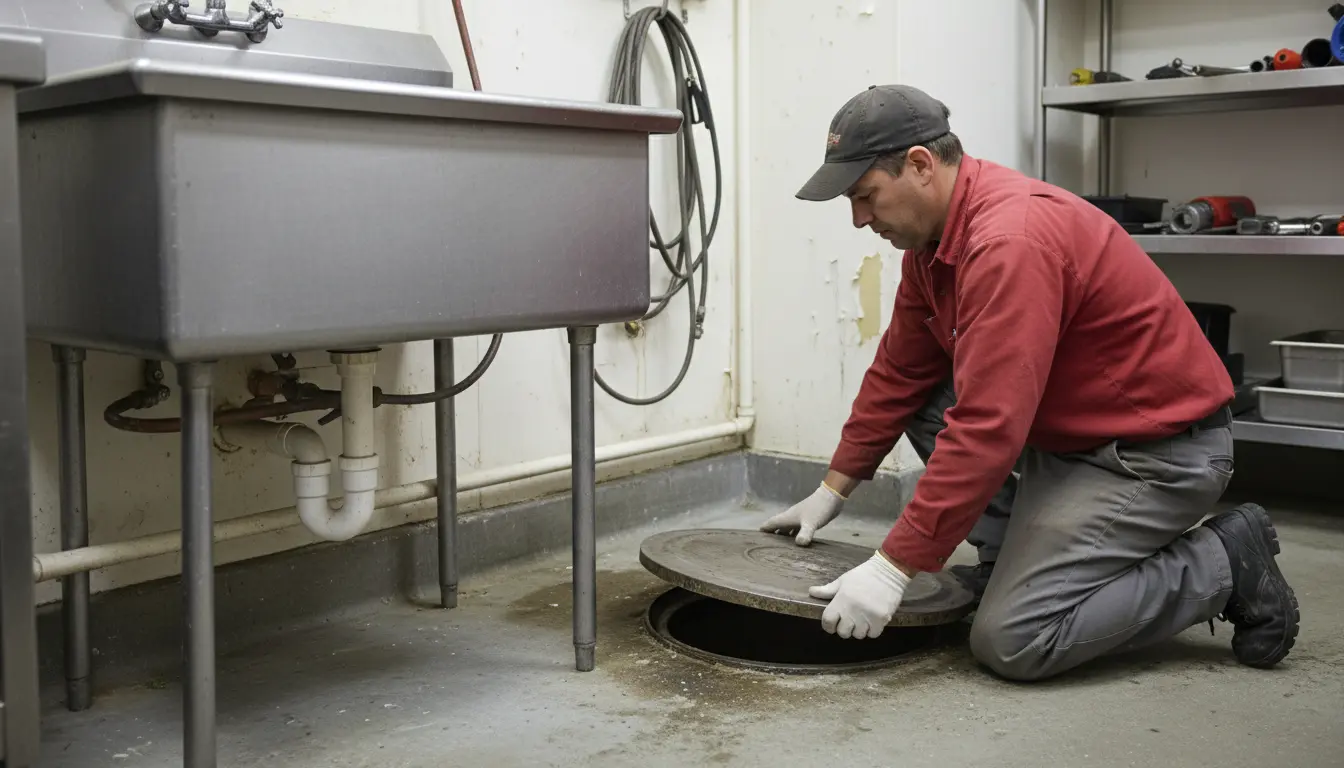
For any food service establishment in Pharr, from bustling taquerias to large-scale catering operations, proper grease interceptor maintenance is a critical operational and legal requirement. The city enforces specific regulations to protect the local sewer system from blockages caused by fats, oils, and grease (FOG). Non-compliance can lead to costly fines, service interruptions, and severe plumbing backups. This guide outlines the essential rules, maintenance schedules, and cost considerations for keeping your business compliant and your operations running smoothly in Pharr.
Local ordinances mandate that grease traps and interceptors be located externally and be easily accessible for service technicians. This placement outside of food preparation areas is crucial for both safety and effective maintenance. The equipment itself must often meet specific design and sizing standards based on your kitchen's flow rate and capacity to ensure it functions correctly1 2. Keeping detailed, on-site records of every cleaning service-known as waste manifests or "trip tickets"-is a universal requirement for proving compliance during inspections.
Zuniga's Septic Service
3024 N Juan St, Edinburg, TX 78541
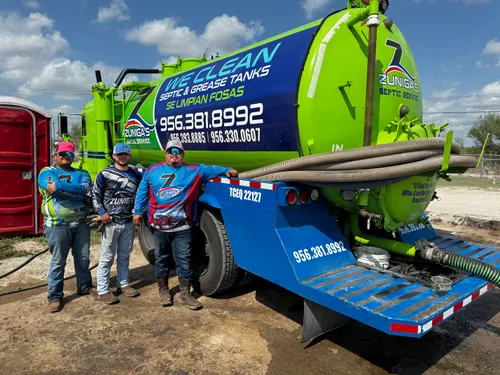
Zuniga's Septic Service is a grease trap cleaning company located in McAllen, TX. They provide septic tank and grease trap cleaning services for residential clients in the area. The company is known for handling grease trap maintenance efficiently, helping to prevent plumbing issues and maintain sanitation.
ST Sanitation
McAllen, TX
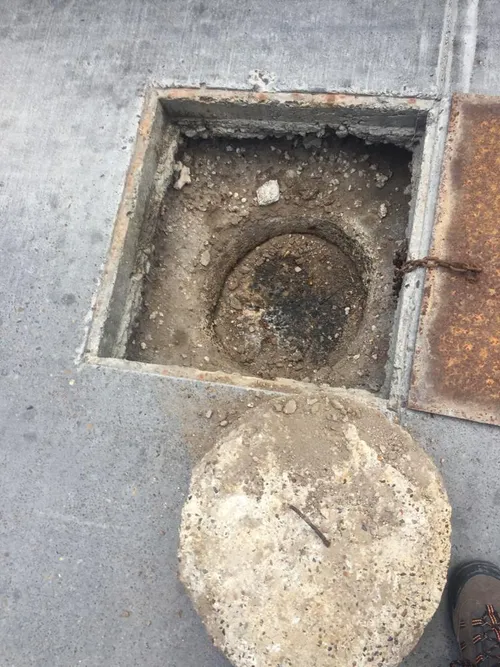
ST Sanitation provides liquid waste cleaning services in McAllen, TX, and throughout the Rio Grande Valley. Their offerings include grease trap cleaning for restaurants, septic tank cleaning, and car wash bay waste removal. The company serves industrial, manufacturing, food processing, and governmental clients with environmental services as well. Founded in 2017, ST Sanitation operates a vacuum truck equipped with a high-capacity vacuum pump and holds the required TCEQ Sludge Transporter registration. They offer 24/7 emergency availability to address urgent cleaning needs.

South Texas Hood Cleaning, LLC
2104 Fresno Ave, McAllen, TX 78501
South Texas Hood Cleaning, LLC is a grease trap cleaning company based in Mission, TX. They provide grease trap cleaning services to help maintain proper kitchen sanitation and prevent plumbing issues. The company focuses on servicing commercial kitchens and food establishments in the Mission area.
Liquid Environmental Solutions
1821 E Sugarcane Dr, Weslaco, TX 78596
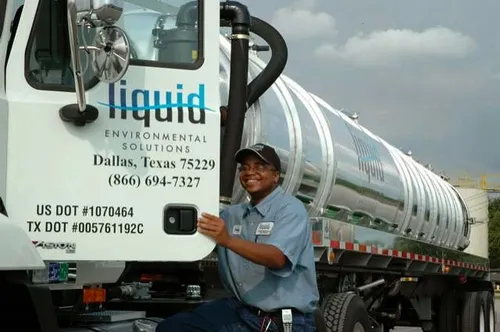
Liquid Environmental Solutions is a non-hazardous liquid waste management company based in Brownsville, TX. They offer services including used cooking oil collection, grease trap and interceptor cleaning, oil water separator and grit trap cleaning, and wastewater disposal. The company serves industries such as restaurants, grocery stores, convenience stores, automotive services, and other food service operations, focusing on recycling a high percentage of the food waste they collect. Founded over twenty years ago, Liquid Environmental Solutions emphasizes compliance and environmental stewardship in their operations.
1-P Grease Trap & Septic Services LLC
McAllen, TX
1-P Grease Trap & Septic Services LLC provides grease trap cleaning services in McAllen, TX. The company focuses on grease trap maintenance for local businesses. There is limited information available about their specific capabilities or years in business.
Understanding Pharr's Grease Control Requirements
The primary goal of local FOG (Fats, Oils, and Grease) programs is to prevent sewer overflows and expensive damage to public infrastructure. When grease solidifies in pipes, it creates severe blockages that can lead to backups into streets, businesses, and homes. To combat this, Pharr follows model standards common across Texas, which include clear rules for interceptor installation, maintenance frequency, and documentation.
Key compliance pillars for restaurant owners include:
- Accessible Location: Your grease interceptor must be installed outside, in a location that is readily accessible for pumping and inspection by both service providers and city officials 3.
- Regular Pumping: Traps must be cleaned often enough to prevent FOG from escaping into the sewer lines. A common benchmark is cleaning at a minimum of every 90 days or whenever the trap is 25% full of solids and FOG4 5.
- Accurate Documentation: You are required to maintain current waste manifests on the premises. These documents prove when the trap was serviced, by whom, and where the waste was disposed of.
Maintenance Schedules and Inspection Enforcement
Your required cleaning frequency is not just a suggestion-it's a enforceable standard. While many establishments follow a quarterly (every 90 days) schedule, the exact mandate can depend on your business type, the size of your interceptor, and your historical compliance record. Authorities base inspection schedules on risk, meaning a restaurant with past violations may be inspected more frequently than one with a clean record.
City or water department inspectors will visit your establishment to review your maintenance manifests and physically inspect the condition of your grease trap6. Failure to provide documentation or presenting a trap that is overly full can trigger a re-inspection, a formal notice of violation, and potentially significant fines or even a suspension of water service until the issue is corrected. Proactive, documented maintenance is the most effective strategy to avoid these penalties.
Cost of Grease Trap Services in Pharr
Budgeting for grease trap maintenance is a predictable cost of doing business. For standard, scheduled pumping of a typical commercial grease trap, Pharr restaurant owners can generally expect costs to range from $250 to $400 per service7 8. Smaller traps, like those under a sink, may be serviced for less, often between $75 and $1508.
Several factors influence the final price:
- Trap Size and Volume: Larger, in-ground interceptors cost more to pump than smaller, above-ground units.
- Service Frequency: Committing to a regular service contract can often secure a better per-service rate.
- Accessibility: A trap that is difficult to reach may incur additional labor charges.
It is critical to understand that emergency or unscheduled cleaning services are substantially more expensive, with costs frequently ranging from $800 to over $1,2009 10. This steep price, coupled with potential fines for a violation, makes preventative maintenance a clear financial advantage.
Find the perfect grease trap cleaning companies for your needs
Get personalized recommendations and expert advice
Choosing a Reliable Service Provider
Selecting a licensed and reputable grease trap cleaning company is as important as the service itself. A qualified provider will not only perform the pump-out but will also supply you with the proper, detailed waste manifest required for your compliance records. When evaluating companies, ensure they are fully licensed and insured to handle and transport grease waste in Texas. Ask for references from other local restaurants and confirm they understand Pharr's specific municipal codes. A good partner will help you determine the optimal service schedule for your volume of business to maintain compliance efficiently.
Proactive Steps for Restaurant Managers
Staying ahead of grease management issues saves time, money, and stress. First and foremost, contact the City of Pharr's Public Works or Health Department to obtain the most current copy of the local grease ordinance11 12. City officials are the definitive source for any recent updates to code requirements or inspection protocols. Implement an internal log to track your service dates and manifest numbers, making inspection day a simple administrative task rather than a scramble. Finally, train your kitchen staff on best practices for minimizing FOG entering the drain, such as scraping plates into trash bins and using sink baskets to catch solids.
Frequently asked questions
Sources
Footnotes
-
Document Viewer | Code of Ordinances - enCodePlus - https://online.encodeplus.com/regs/early-tx/doc-viewer.aspx?secid=1513 ↩
-
Grease Trap Sizing & Design Criteria - AustinTexas.gov - https://www.austintexas.gov/department/grease-trap-sizing-design-criteria ↩
-
§ 51.64 LOCATION OF GREASE TRAP/INTERCEPTOR FOR ... - https://codelibrary.amlegal.com/codes/texascity/latest/texascity_tx/0-0-0-2479 ↩
-
Model Standards for a Grease Ordinance - https://www.tceq.texas.gov/downloads/assistance/water/wastewater/fats-oils-grease/model-standard.pdf/@@download/file/model-standard.pdf ↩
-
Restaurants are Required to Maintain Grease Traps - https://www.defendyourdrainsnorthtexas.org/restaurants.html ↩
-
Grease Trap Inspections | Sugar Land, TX - Official Website - https://www.sugarlandtx.gov/628/Grease-Trap-Inspections ↩
-
Grease Trap Regulations and Compliance: What You Need to Know - https://www.texwaywastewater.com/grease-trap-regulations-and-compliance/ ↩
-
Ultimate Grease Trap Pumping Cost Guide: Essential Money-Saving ... - https://www.texwaywastewater.com/grease-trap-pumping-cost/ ↩ ↩2
-
Grease Trap Cleaning Prices | Guide on the Industry Average - https://grease-cycle.com/grease-trap-pumping-cost/ ↩
-
How Much Does It Cost To Clean A Grease Trap? - https://www.greasecollection.com/blog/how-much-does-it-cost-to-clean-a-grease-trap/ ↩
-
DIVISION 1. REGULATIONS APPLYING TO ALL FOOD ... - https://www.dshs.texas.gov/sites/default/files/foodestablishments/pdf/Local%20Ordinance%20Registry/City%20of%20Sugar%20Land%20Texas%20-%20Code%20of%20Ordinances%20Chapter%203-Health%20and%20Safety%20-%20Article%20IV.%20Food%20and%20Food%20Services.pdf ↩
-
GREASE TRAP PROGRAM OVERVIEW FOR ... - City of Bryan, Texas - https://docs.bryantx.gov/water/Grease_Trap_Program_0109.pdf ↩