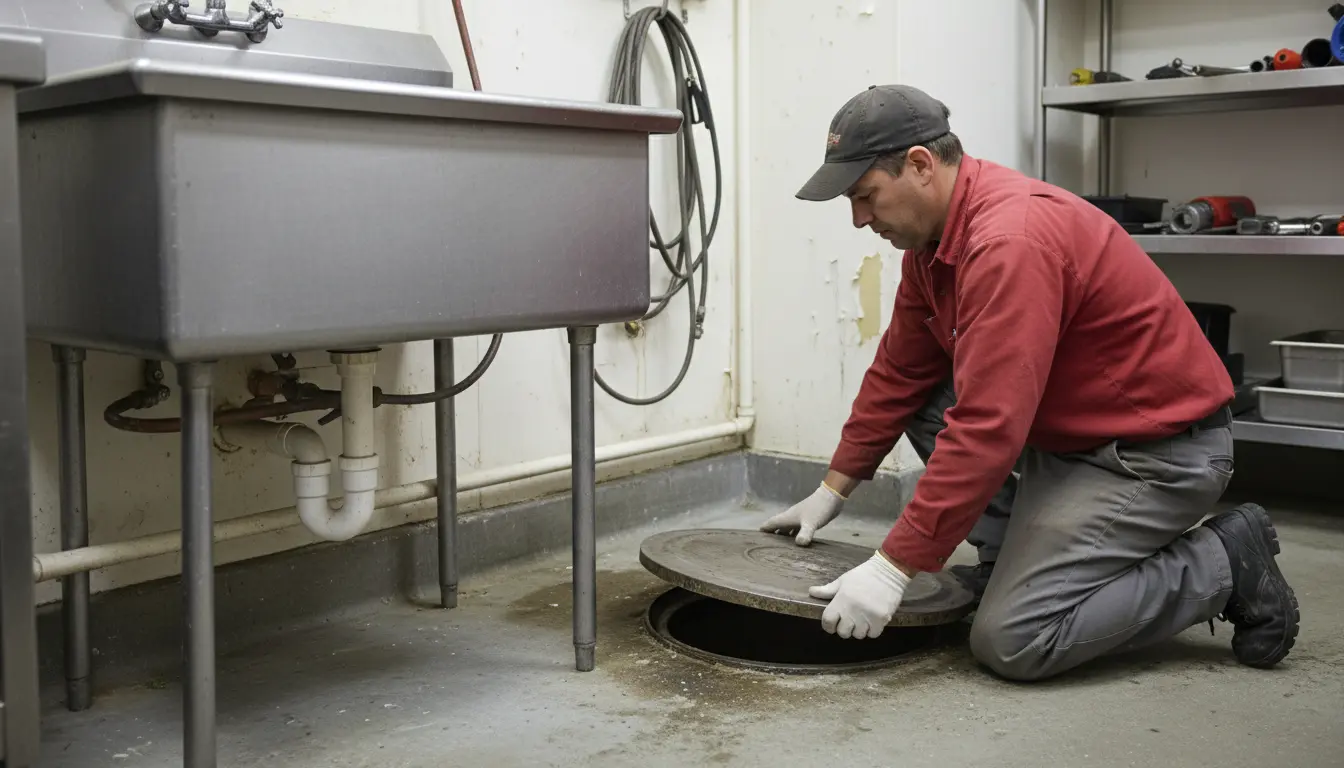
Find the Best Grease Trap Cleaning Companies for Your Business
No obligation • Fast responses • Nationwide coverage

Why you can trust Restaurant Waste Disposal
Restaurant Waste Disposal is a leading U.S. resource for comparing restaurant composting, food-waste recycling, grease trap cleaning, and used cooking oil collection services. Our editorial team researches providers, checks credentials, and organizes unbiased information so operators can make informed decisions. Companies cannot pay to change ratings or placement.
Search providers near you
Top Grease Trap Cleaning Companies in Pflugerville, Texas Ranked
For restaurant owners and managers in Pflugerville, maintaining your grease interceptor isn't just a routine chore-it's a critical compliance requirement with significant operational and financial implications. The City of Pflugerville enforces specific regulations under its Fats, Oils, and Grease (FOG) Program to protect the local sewer system from blockages and environmental damage. Falling behind on grease trap pumping and cleaning schedules can lead to severe fines, health code violations, and even mandatory closure. This guide outlines the local mandates, best practices, and practical steps to ensure your establishment remains compliant, avoids costly emergencies, and contributes to a healthier community infrastructure.
Septic Squad
Austin, TX
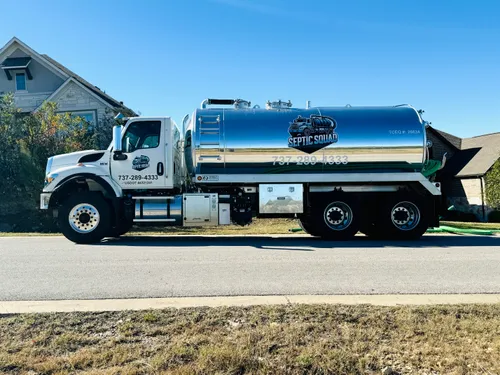
Septic Squad offers septic system and grease trap pumping services in Austin, TX. They provide full system inspections, safe pumping, and maintenance reports to help maintain septic health and prevent costly repairs. Their licensed technicians also handle grease trap cleaning with regular maintenance plans and flexible scheduling. Septic Squad serves Austin and surrounding areas including Williamson and Hays counties, covering cities like Round Rock, Cedar Park, Georgetown, Kyle, and Buda.

Zoom Drain
1700 Bryant Dr #207, Round Rock, TX 78664
Zoom Drain is a locally owned and operated company based in Austin, TX, specializing in drain and sewer cleaning services for both residential and commercial properties. They provide a range of services including drain and sewer inspections, grease trap cleaning, pump replacement, and preventive maintenance. The company is known for using advanced technology such as video inspections and hydro jetting to address clogs and pipe damage, particularly suited to Austin's unique water quality and soil conditions. Backed by a nationwide leader in drain services, Zoom Drain offers same-day and next-day service with a 30-day satisfaction guarantee.

Zoom Drain
1220 Satterwhite Rd Ste 1104, Buda, TX 78610
Zoom Drain provides professional drain cleaning and sewer repair services in Austin, TX, and surrounding areas including Buda, Bastrop, and Canyon Lake. They serve both residential and commercial clients, specializing in grease trap cleaning, clogged drain removal, and sewer line inspections using advanced technology like Zoom JETTING®. Their experienced technicians handle a variety of plumbing issues, from kitchen sinks to commercial grease traps, ensuring efficient wastewater system operation. The company emphasizes tailored maintenance plans and offers specialized services for food and hospitality sectors. Zoom Drain is known for its years of industry experience and commitment to timely, reliable service.
Dolly's Pump and Dump
Austin, TX
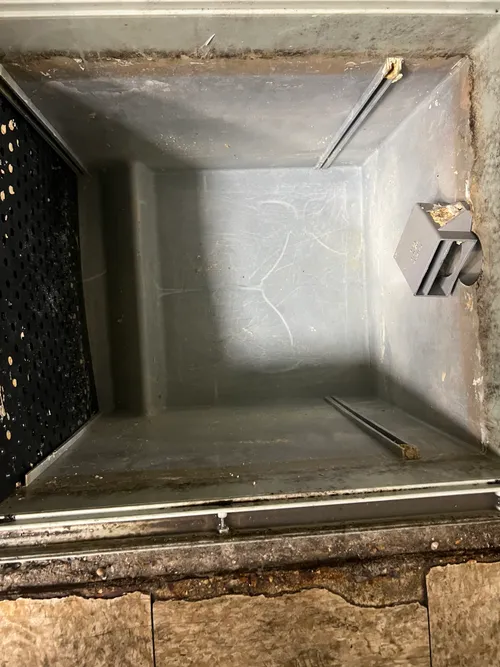
Dolly's Pump and Dump is a commercial grease trap cleaning company based in Austin, TX. They specialize in grease trap pumping services for restaurants throughout Central Texas, using experienced staff and modern equipment to handle jobs of all sizes. The company emphasizes clear communication and customer care to ensure clients feel comfortable with their service.

Sellman Septic Services
Austin, TX
Sellman Septic Services is a family-owned business serving Austin, TX, and the surrounding Hays and Travis County areas. With over 25 years of experience, they provide residential and commercial septic services including septic pumping, inspections, grease trap cleaning, and lift station pumping. Their team uses advanced equipment to maintain septic systems and grease traps, helping prevent blockages and ensuring compliance with local regulations. Sellman Septic Services is known for reliable communication and quick response, including emergency pump-out services.
Understanding Pflugerville's FOG Regulations
Pflugerville's municipal code includes a detailed FOG ordinance designed to prevent sewer overflows and backups. These rules are based on model standards provided by the Texas Commission on Environmental Quality (TCEQ) and are actively enforced. At its core, the regulation mandates that all food service establishments properly install, maintain, and clean their grease control devices.
The primary goal is to stop fats, oils, and grease (FOG) from entering the public sewer lines. When FOG cools, it solidifies and sticks to pipe walls, eventually creating severe blockages that can cause raw sewage to back up into streets, businesses, and homes. By requiring diligent maintenance, the city aims to avoid these public health hazards and the expensive remediation they require.
Mandatory Pumping Frequency and Triggers
The cornerstone of compliance is adhering to the required pumping schedule. Pflugerville mandates that grease interceptors be pumped out at least every 90 days (quarterly). However, this is a minimum standard. Many establishments, especially high-volume kitchens, may require monthly or bi-monthly service to stay within limits.
Your trap must be cleaned more frequently if it reaches 25% capacity of FOG and settled solids, measured from the bottom of the trap to the outlet pipe invert 1. Furthermore, discharge from your trap must not exceed local limits for pollutants including Biochemical Oxygen Demand (BOD), Chemical Oxygen Demand (COD), Total Suspended Solids (TSS), FOG, and pH 1. Regular professional service is the only reliable way to monitor these levels and prevent violations.
The Role of Licensed Haulers and Record Keeping
You cannot clean your commercial grease trap yourself. The city requires that all pumping and cleaning be performed by a TCEQ-licensed waste hauler 2. These professionals are certified to handle and dispose of FOG waste properly. After each service, the hauler will provide a detailed manifest or trip ticket.
Maintaining these records is non-negotiable. You must keep logs of every pump-out, including dates, the hauler's information, volume removed, and disposal location, for a minimum of three years. City inspectors from the Public Works or Health Department will request these documents during routine or complaint-driven inspections. Failure to produce them is itself a violation.
Consequences of Non-Compliance
Ignoring grease interceptor maintenance carries serious risks. Enforcement actions can include:
- Substantial Fines: Monetary penalties for violations can be significant and escalate with repeat offenses.
- Health Code Violations: These can impact your establishment's rating and reputation.
- Mandatory Closure: In cases of severe neglect or repeated violations, the city or health authority can order your business to close until the issue is rectified and all fines are paid.
- Increased Scrutiny: A history of non-compliance can trigger more frequent inspections and stricter enforcement.
Find the perfect grease trap cleaning companies for your needs
Get personalized recommendations and expert advice
Implementing Effective Best Management Practices (BMPs)
Beyond scheduled pumping, daily kitchen practices are your first line of defense. Implementing BMPs reduces the FOG load entering your trap, extends time between services, and demonstrates a good-faith effort to inspectors 3.
- Scrape and Dry Wipe: Train staff to scrape food scraps into trash bins and dry-wipe pots, pans, and dishes before rinsing. This simple step dramatically reduces grease and solids.
- Use Drain Screens: Install and clean strainers in all sink drains to catch food particles.
- Avoid Garbage Disposals: Do not put food waste down sinks connected to the grease trap. Disposals grind solids into smaller particles that can bypass the trap and cause problems downstream 4.
- Proper Disposal of Cooking Oil: Never pour fryer oil down the drain. Collect it in sealed containers for recycling by a licensed used cooking oil collector.
- Mind the Water Temperature: Avoid using water hotter than 140°F to rinse grease down drains, as hot water will liquefy grease only for it to solidify later in cooler pipes 5.
- Secure Outdoor Waste: Keep dumpster and grease storage areas covered to prevent rainwater from entering and causing overflows.
Cost Considerations for Service
While compliance is paramount, understanding costs helps with budgeting. For basic preventative maintenance pumping in the Central Texas area, costs typically start in the range of $175 to $225 per service visit 6 7. However, the final price depends on several factors:
- Trap Size and Location: Larger traps or those in difficult-to-access locations cost more.
- Service Frequency: More frequent service (monthly) may have a different per-visit rate than quarterly service.
- Condition of the Trap: Emergency call-outs for a severely clogged or overflowing trap are significantly more expensive than routine, scheduled maintenance.
- Service Contract: Many providers offer discounted rates for businesses that sign a recurring service contract, which also helps ensure you never miss a mandatory pump-out date 8.
Investing in regular service is far more economical than paying for emergency repairs, city fines, or lost revenue from a closure.
Creating a Proactive Maintenance Plan
A reactive approach to grease trap maintenance is a recipe for stress and expense. A proactive plan ensures seamless compliance.
- Schedule with a Licensed Provider: Partner with a reputable, TCEQ-licensed hauler and set a recurring service schedule that meets or exceeds the 90-day minimum. Consider your kitchen's volume to determine if monthly service is wiser.
- Centralize Your Records: Create a dedicated logbook or digital folder for all grease trap manifests, inspection reports, and related correspondence. Designate a manager to be responsible for this file.
- Train Your Team Thoroughly: Conduct regular training sessions for all kitchen staff on BMPs. Their daily actions directly impact your trap's performance and your compliance status 9 10.
- Conduct Visual Checks: Between professional services, have a manager visually check the trap for excessive grease buildup or foul odors, which can indicate a need for more frequent service.
By viewing your grease interceptor as a vital component of your business's operational and legal foundation, you protect your investment, your community's infrastructure, and your peace of mind.
Frequently asked questions
Sources
Footnotes
-
City of Pflugerville, TX FATS, OIL, AND GREASE ... - eCode360 - https://ecode360.com/39349418 ↩ ↩2
-
Model Standards for a Grease Ordinance - https://www.tceq.texas.gov/downloads/assistance/water/wastewater/fats-oils-grease/model-standard.pdf/@@download/file/model-standard.pdf ↩
-
Grease Trap Regulations and Maintenance - ReGrease - https://regrease.com/grease-trap-regulations-houston/ ↩
-
Grease Trap - Septic Pumping & Maintenance - Central Texas - https://septicpumpingburnetcounty.com/services/maintenance-contracts/grease-trap/ ↩
-
Restaurants are Required to Maintain Grease Traps - https://www.defendyourdrainsnorthtexas.org/restaurants.html ↩
-
The Ultimate Guide to Restaurant Grease Trap Pumping ... - https://epicseptic.com/the-ultimate-guide-to-restaurant-grease-trap-pumping-cleaning-in-central-texas/ ↩
-
The Cost To Clean A Grease Trap For Restaurants - https://thegreasecompany.com/blog/greasetrapcleaningcost/ ↩
-
Why Central Texas Restaurants Need Quarterly Grease Trap ... - https://epicseptic.com/why-central-texas-restaurants-need-quarterly-grease-trap-service-contracts-and-a-partner-like-epic/ ↩
-
How to Clean a Grease Trap (and How Often You Should) - https://greaseconnections.com/how-to-clean-a-grease-trap-and-how-often-you-should/ ↩
-
Restaurant Grease Traps | Round Rock, Texas - https://www.superiorseptictx.net/restaurant-grease-traps ↩