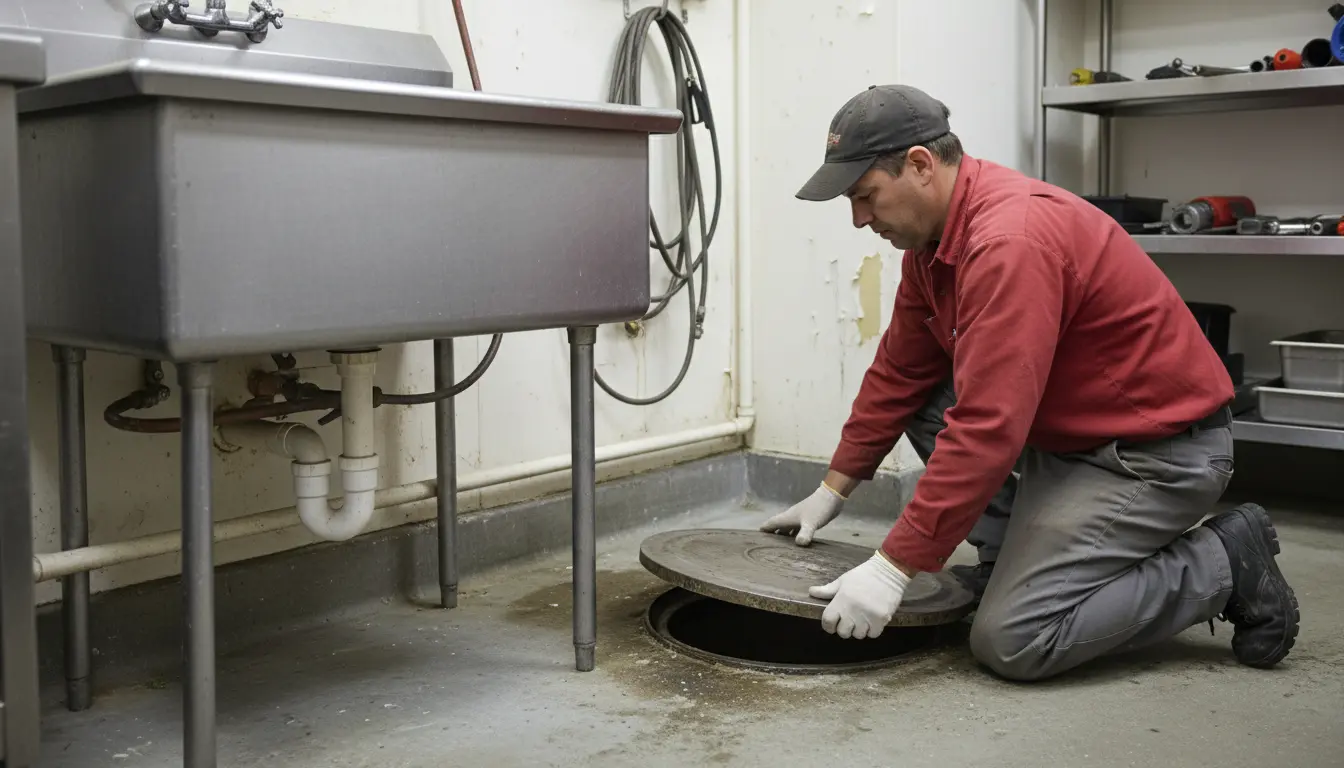
Find the Best Grease Trap Cleaning Companies for Your Business
No obligation • Fast responses • Nationwide coverage

Why you can trust Restaurant Waste Disposal
Restaurant Waste Disposal is a leading U.S. resource for comparing restaurant composting, food-waste recycling, grease trap cleaning, and used cooking oil collection services. Our editorial team researches providers, checks credentials, and organizes unbiased information so operators can make informed decisions. Companies cannot pay to change ratings or placement.
Search providers near you
Top Grease Trap Cleaning Companies in McKinney, Texas Ranked
For any restaurant, food truck, or commercial kitchen in McKinney, managing fats, oils, and grease (FOG) is a critical operational and legal responsibility. Proper grease trap and interceptor maintenance is not just about preventing clogs; it's a mandatory requirement enforced by both the City of McKinney and the Texas Commission on Environmental Quality (TCEQ). Compliance involves using certified haulers, adhering to strict pumping rules, and maintaining impeccable records to avoid significant fines and protect the local sewer infrastructure. This guide outlines the specific regulations, best practices, and cost considerations for effective grease management in McKinney.
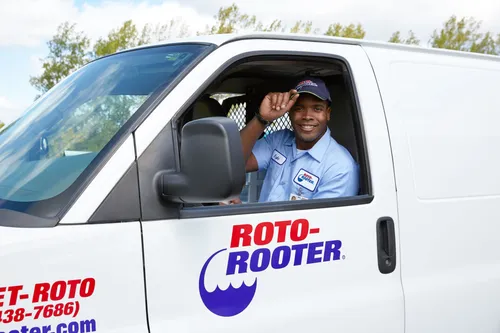
Roto-Rooter Plumbing & Water Cleanup
1225 Belt Line Rd Ste 103A, Garland, TX 75040
Roto-Rooter Plumbing & Water Cleanup provides comprehensive plumbing and water cleanup services in Fort Worth, TX, specializing in both residential and commercial plumbing needs. Their offerings include sewer and drain cleaning, grease trap maintenance, water heater repair and installation, floodwater cleanup, and mold remediation. The company uses advanced equipment such as hydro-jetting for drain cleaning and offers trenchless sewer line repair methods. Serving Garland and surrounding counties, Roto-Rooter has extensive experience handling complex plumbing systems and emergency situations. They provide 24/7 emergency plumbing services to address urgent issues promptly.
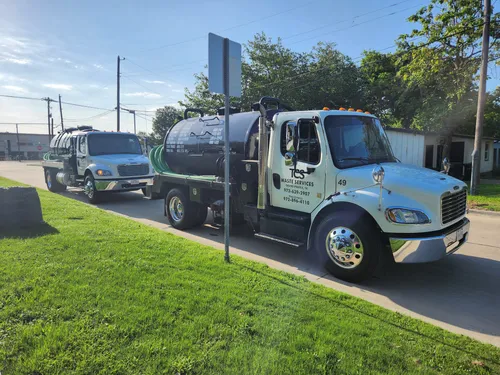
TCS Grease Trap Cleaners
Fort Worth, TX
TCS Grease Trap Cleaners provides grease trap cleaning services in Fort Worth, TX. The company focuses on customer satisfaction by treating clients as lifetime partners and seeking regular feedback to improve service quality. They offer thorough grease trap cleaning and go beyond basic expectations to ensure a positive experience.
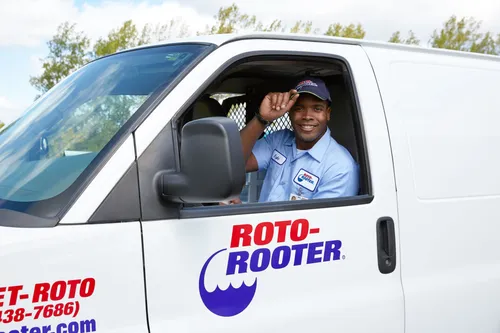
Roto-Rooter Plumbing & Water Cleanup
903 18th St Ste 216, Plano, TX 75074
Roto-Rooter Plumbing & Water Cleanup provides comprehensive plumbing and water cleanup services in Fort Worth, TX, specializing in both residential and commercial needs. Their offerings include floodwater cleanup, sewer and drain cleaning, water heater repairs, grease trap maintenance, and mold remediation. The company uses advanced equipment such as high-pressure water jetting (hydro-jetting) and trenchless sewer repair technology to address complex plumbing issues. Serving the greater Plano area and surrounding counties, Roto-Rooter is available 24/7 for emergency plumbing and water cleanup services, ensuring rapid response to urgent situations.
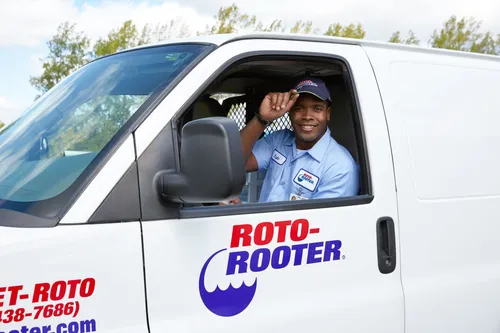
Roto-Rooter Plumbing & Water Cleanup
321 N Central Expy STE 309, McKinney, TX 75070
Roto-Rooter Plumbing & Water Cleanup provides comprehensive plumbing, drain cleaning, and water damage cleanup services in Dallas, TX. Serving both residential and commercial clients, they handle a wide range of issues including sewer line repairs, grease trap maintenance, water heater installation and repair, and mold remediation. Their team is equipped with specialized tools for tasks such as hydro-jetting and sewer inspections. With a longstanding presence in the greater Metroplex area, Roto-Rooter offers 24/7 emergency plumbing services to address urgent problems like burst pipes, sewer backups, and water cleanup.
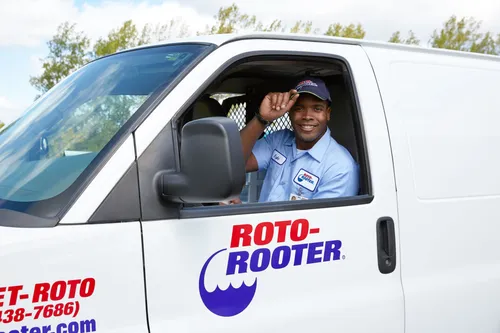
Roto-Rooter Plumbing & Water Cleanup
720 Gross Rd, Mesquite, TX 75149
Roto-Rooter Plumbing & Water Cleanup provides comprehensive plumbing and water remediation services in Fort Worth, TX, and the greater Metroplex area. They serve both residential and commercial clients, addressing issues such as water cleanup after storms, sewer and drain cleaning, faucet and water heater repairs, and grease trap maintenance. Their team is equipped to handle complex commercial plumbing systems, including high-pressure hydro-jetting and industrial pipe restoration. Roto-Rooter offers 24/7 emergency plumbing services to manage urgent problems like sewer backups and burst pipes. They also use trenchless technology for sewer line repairs and replacements, minimizing disruption to properties. Serving the community with expertise and specialized tools, Roto-Rooter is available around the clock for plumbing emergencies.
Understanding McKinney's Grease Control Ordinances
McKinney's regulations are designed to prevent FOG from entering the public sewer system, where it can solidify, cause blockages, and lead to costly sanitary sewer overflows (SSOs). The city's standards align with the TCEQ's model ordinance and the International Plumbing Code 1.
A key requirement is that all new food service establishments must have a properly sized and externally located grease interceptor or trap approved during the plan review process before a Certificate of Occupancy is issued. The interceptor must be situated behind the building and be fully accessible for pumping and inspection 2. Its size is calculated based on the kitchen's volume and equipment to ensure it can effectively capture grease before wastewater exits the property.
The 25% Rule: Your Pumping Frequency Standard
One of the most critical regulations for McKinney restaurants is the "25% Rule" 3. This TCEQ and city-enforced standard mandates that a grease interceptor must be completely pumped out by a licensed hauler once the combined volume of accumulated FOG and solids reaches 25% of the trap's liquid capacity. Waiting until the trap is fuller drastically reduces its efficiency and increases the risk of grease escaping into the sewer lines.
While service frequency can vary from every 45 to 90 days depending on your kitchen's volume, you cannot simply set a calendar schedule and forget it. High-volume establishments may require monthly service. The only way to ensure compliance is to have your trap inspected regularly-either by your service provider or trained staff-to measure the accumulation level against the 25% threshold 4 5.
The Professional Pumping Process & Manifest Tracking
When the time comes for service, Texas law (30 TAC §312.143) requires that the job be performed by a TCEQ-certified hauler. The process isn't just a simple pump-out; it involves a full evacuation of all contents, including grease, solids, and wastewater. The hauler must then properly dispose of this waste at an approved facility.
Here is where meticulous record-keeping becomes your best defense during an inspection. The hauler is required to provide you with a waste tracking manifest for every service. This document is a legal receipt that proves the waste was collected and disposed of correctly. You must keep these manifests, along with service invoices and any internal inspection photos, on file for at least three years. City or TCEQ inspectors can request these records at any time, and failure to produce them can result in penalties.
Daily Maintenance vs. Professional Cleaning
There's an important distinction between daily maintenance and professional cleaning. Kitchen staff play a vital role in grease trap upkeep by:
- Scraping food scraps into trash bins, not sinks.
- Dry-wiping grease from pots, pans, and dishes before washing.
- Using sink strainers to catch solids.
- Avoiding the use of garbage disposals, which push solids into the interceptor.
However, these practices are supplemental. They cannot replace the mandatory, complete pumping and cleaning performed by a licensed professional 6. Enzymes or "grease digesters" are also not a substitute for physical removal and may even violate local ordinances if they emulsify grease, allowing it to pass through the trap only to solidify later in the city's pipes 7.
Find the perfect grease trap cleaning companies for your needs
Get personalized recommendations and expert advice
Enforcement, Inspections, and Potential Penalties
The City of McKinney's Building Inspections Department is responsible for reviewing plans and conducting inspections to ensure compliance. Violations of the grease control ordinance or state laws are taken seriously. Enforcement can include:
- Notices of violation with orders to correct the issue within a specified timeframe.
- Civil penalties and substantial fines 8.
- In severe or repeat cases, the potential for legal action or even suspension of sewer service.
Proactive maintenance is far less expensive than reacting to a violation. Regular service from a certified provider and diligent record-keeping are the most effective strategies for passing an inspection without issue 9.
Cost of Grease Interceptor Service in McKinney
The cost for professional grease trap pumping in McKinney varies significantly based on several factors. Understanding these can help you budget effectively.
Primary Cost Factors:
- Interceptor Size: This is the biggest driver. A small, indoor grease trap (30-50 gallons) costs less to service than a large, in-ground concrete interceptor (1,000+ gallons).
- Service Frequency: Scheduled, recurring service contracts often have a lower per-visit cost compared to emergency or one-time pump-outs.
- Accessibility: Traps that are difficult to access (e.g., under equipment, in cramped spaces) may incur additional labor charges.
- Hauler Licensing: Always verify the hauler is TCEQ-certified. While their rates may be competitive, the value is in guaranteed compliance.
General Price Ranges:
- Small to Medium Traps (30 - 200 gallons): A routine pump-out for a standard indoor trap typically ranges from $125 to $240 per service 10.
- Large Interceptors (500 - 1,500+ gallons): Pumping a large commercial interceptor is more complex, with costs generally starting around $400 and can exceed $2,500 for very large or complicated systems 11 12.
Investing in regular service is ultimately a cost-saving measure, preventing the much higher expenses associated with fines, emergency plumbing repairs, or sewer line damage.
Choosing a Certified Service Provider in McKinney
Selecting the right partner for your grease management is crucial. Look for a provider that:
- Holds active TCEQ certification for waste transportation and disposal.
- Offers detailed service reports and provides the official waste manifest after every pump-out.
- Can help you determine an optimal service schedule based on the 25% rule and your specific kitchen output.
- Has a reputation for reliability and understands local McKinney and Texas regulations.
A good provider acts as a compliance partner, not just a vendor, helping you navigate the requirements and maintain a trouble-free operation.
Frequently asked questions
Sources
Footnotes
-
Plan Review Health Compliance Standards for Food Service ... - https://www.mckinneytexas.org/DocumentCenter/View/6166/Plan-Review---Food-Services-2024?bidId= ↩
-
§ 51.64 LOCATION OF GREASE TRAP/INTERCEPTOR FOR ... - https://codelibrary.amlegal.com/codes/texascity/latest/texascity_tx/0-0-0-2479 ↩
-
Model Standards for a Grease Ordinance - https://www.tceq.texas.gov/downloads/assistance/water/wastewater/fats-oils-grease/model-standard.pdf/@@download/file/model-standard.pdf ↩
-
The Ultimate Guide to Restaurant Grease Trap Pumping ... - https://epicseptic.com/the-ultimate-guide-to-restaurant-grease-trap-pumping-cleaning-in-central-texas/ ↩
-
How to Clean a Grease Trap (and How Often You Should) - https://greaseconnections.com/how-to-clean-a-grease-trap-and-how-often-you-should/ ↩
-
Dallas Grease Trap Cleaning: Essential Facility Maintenance ... - https://www.myshyft.com/blog/grease-trap-cleaning-dallas-texas/ ↩
-
Grease Trap Regulations and Compliance: What You Need to Know - https://www.texwaywastewater.com/grease-trap-regulations-and-compliance/ ↩
-
Texas Grease Trap Ordinance Could Mean Restaurant Fines - https://replaceyourgarbagedisposal.com/grease-trap-pumping/texas-grease-trap-ordinance-could-mean-restaurant-fines/ ↩
-
The Ultimate Guide to Restaurant Grease Trap Cleaning: Smart Solutions for Commercial Kitchens - Mokher Plumbing - https://mokherplumbing.com/ultimate-guide-restaurant-grease-trap-cleaning/ ↩
-
Grease Trap Cleaning Prices | Guide on the Industry Average - https://grease-cycle.com/grease-trap-pumping-cost/ ↩
-
Ultimate Grease Trap Pumping Cost Guide: Essential Money-Saving ... - https://www.texwaywastewater.com/grease-trap-pumping-cost/ ↩
-
Ultimate Grease Trap Pumping Cost Guide: Essential Money-Saving Tips - https://www.texwaywastewater.com/grease-trap-pumping-cost/ ↩