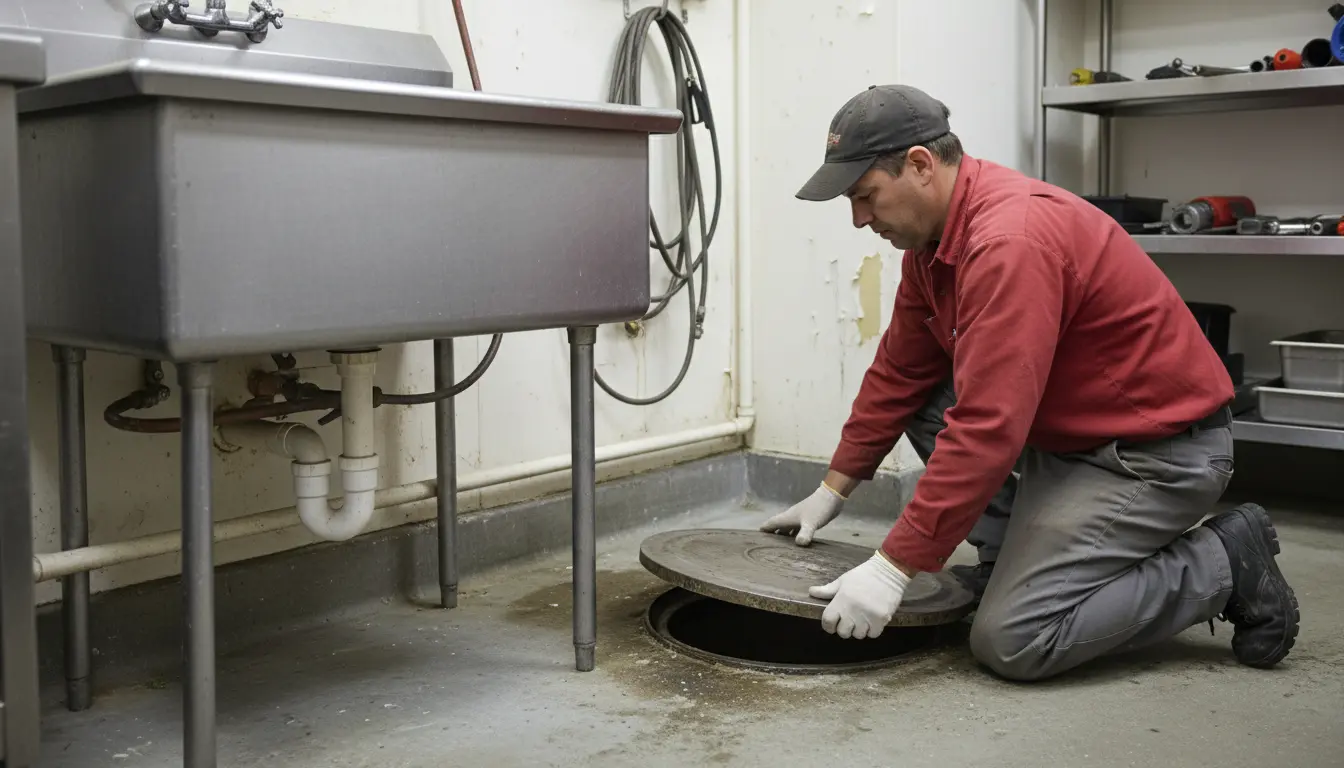
Find the Best Grease Trap Cleaning Companies for Your Business
No obligation • Fast responses • Nationwide coverage

Why you can trust Restaurant Waste Disposal
Restaurant Waste Disposal is a leading U.S. resource for comparing restaurant composting, food-waste recycling, grease trap cleaning, and used cooking oil collection services. Our editorial team researches providers, checks credentials, and organizes unbiased information so operators can make informed decisions. Companies cannot pay to change ratings or placement.
Search providers near you
Top Grease Trap Cleaning Companies in Leander, Texas Ranked
For any restaurant or food service facility in Leander, managing fats, oils, and grease (FOG) is a critical operational and legal responsibility. Proper grease trap and interceptor maintenance is not just about avoiding unpleasant odors or clogs; it's a mandated requirement under Texas Commission on Environmental Quality (TCEQ) and local health codes designed to protect the city's sewer infrastructure and public health. Neglecting this duty can lead to severe backups, environmental harm, and significant financial penalties. This guide outlines the essential regulations, best practices, and local considerations for effective grease management in Leander, ensuring your business remains compliant and runs smoothly.
Local enforcement typically falls under the purview of city or county health departments, which require facilities to use TCEQ-certified haulers for pumping and to maintain detailed service manifests on-site. While state guidelines provide a framework, specific pumping schedules, interceptor sizing, and inspection protocols can vary. Therefore, the first step for any Leander business owner is to contact local authorities for precise ordinance details.
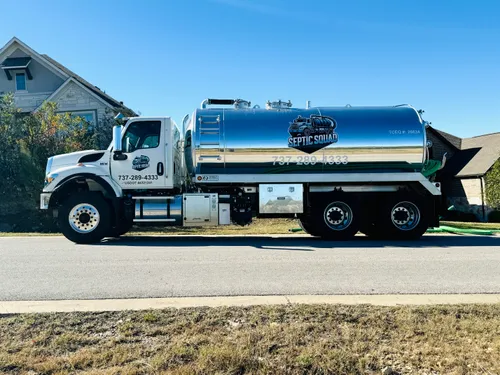
Septic Squad
Austin, TX
Septic Squad offers septic system and grease trap pumping services in Austin, TX. They provide full system inspections, safe pumping, and maintenance reports to help maintain septic health and prevent costly repairs. Their licensed technicians also handle grease trap cleaning with regular maintenance plans and flexible scheduling. Septic Squad serves Austin and surrounding areas including Williamson and Hays counties, covering cities like Round Rock, Cedar Park, Georgetown, Kyle, and Buda.

Zoom Drain
1700 Bryant Dr #207, Round Rock, TX 78664
Zoom Drain is a locally owned and operated company based in Austin, TX, specializing in drain and sewer cleaning services for both residential and commercial properties. They provide a range of services including drain and sewer inspections, grease trap cleaning, pump replacement, and preventive maintenance. The company is known for using advanced technology such as video inspections and hydro jetting to address clogs and pipe damage, particularly suited to Austin's unique water quality and soil conditions. Backed by a nationwide leader in drain services, Zoom Drain offers same-day and next-day service with a 30-day satisfaction guarantee.
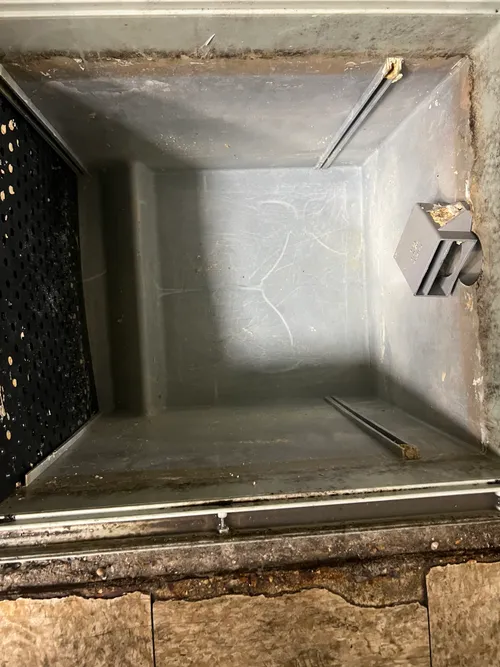
Dolly's Pump and Dump
Austin, TX
Dolly's Pump and Dump is a commercial grease trap cleaning company based in Austin, TX. They specialize in grease trap pumping services for restaurants throughout Central Texas, using experienced staff and modern equipment to handle jobs of all sizes. The company emphasizes clear communication and customer care to ensure clients feel comfortable with their service.

Sellman Septic Services
Austin, TX
Sellman Septic Services is a family-owned business serving Austin, TX, and the surrounding Hays and Travis County areas. With over 25 years of experience, they provide residential and commercial septic services including septic pumping, inspections, grease trap cleaning, and lift station pumping. Their team uses advanced equipment to maintain septic systems and grease traps, helping prevent blockages and ensuring compliance with local regulations. Sellman Septic Services is known for reliable communication and quick response, including emergency pump-out services.
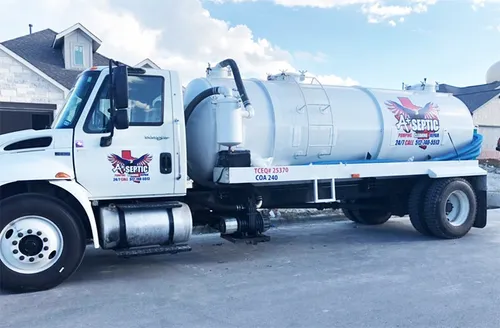
A+ Septic Cleaning and Repairs
23205 Windy Valley Rd, Leander, TX 78641
A+ Septic Cleaning and Repairs provides septic tank installation, pumping, and cleaning services in Austin, TX, and the surrounding Central Texas area. They serve residential, commercial, and municipal clients with services including grease trap cleaning, lift station pumping, grit trap cleaning, sewage pump repair, and industrial non-hazardous pumping. The company uses modern equipment and complies with Texas septic tank riser regulations. They offer 24/7 emergency service to address urgent septic needs.
Understanding Grease Traps and Interceptors
A grease trap (typically smaller and indoors) or a grease interceptor (larger and outdoors) is a plumbing device designed to capture FOG from wastewater before it enters the public sewer system. As greasy water cools, the fats and oils solidify and are trapped within the unit, allowing cleaner water to flow out. Over time, these accumulated solids must be physically removed through pumping and cleaning. Failure to do so allows FOG to pass through, where it cools and hardens inside sewer pipes, eventually causing blockages that can lead to costly sanitary sewer overflows (SSOs).
Leander and Williamson County Code Requirements
While Leander may adopt specific local amendments, food service establishments generally must adhere to Texas state standards and Williamson County regulations. Key compliance areas include:
- Accessibility: Grease interceptors must be easily accessible for service vehicles and pumping equipment. They are typically required to be located outside, not within food preparation areas1 2.
- Proper Sizing: The size of your grease interceptor is legally mandated and based on your facility's water usage and equipment. For example, jurisdictions like nearby Austin require a minimum 500-gallon capacity for facilities using a commercial dishwasher3. An undersized unit will not function effectively and will fail inspection.
- Pumping Frequency: There is no universal schedule, but a common rule is to pump the interceptor when grease and solids fill 25% to 50% of its capacity4. For most Leander restaurants with standard outdoor interceptors, this translates to service every 3 to 6 months. High-volume establishments or those with smaller indoor grease traps may require monthly service5 6.
- Use of Licensed Haulers: It is illegal for restaurant staff to pump or dispose of grease trap waste. This must be handled by a professional hauler certified by the TCEQ to transport this type of waste.
- Maintaining Manifests: Every service visit must be documented with a manifest-a detailed record of the waste collected, the hauler's information, and the disposal facility. You are required to keep these manifests on-site for a minimum of three years and provide them to health inspectors upon request7 8.
Inspection Schedules and Enforcement
Compliance is verified through a combination of self-monitoring and official inspections. Restaurant managers should perform regular visual checks of their grease interceptor. City or county health inspectors will conduct scheduled or surprise inspections to review your maintenance manifests and assess the physical condition of your interceptor.
Enforcement for non-compliance is strict. Penalties can include substantial fines for each violation, points against your health inspection score, and in severe cases of repeat neglect or a major sewer line blockage, a suspension of operations or business closure 9. Proper maintenance is far more cost-effective than dealing with these consequences.
Find the perfect grease trap cleaning companies for your needs
Get personalized recommendations and expert advice
Service Costs for Grease Interceptor Pumping in Central Texas
Costs for grease trap cleaning services in the Leander area are not fixed and depend on several factors: the size of your interceptor, the frequency of service, the amount of waste, and your location. The following are general market estimates for the Central Texas region 10 11:
- Standard Quarterly Service: For routine pumping of a typical outdoor interceptor every 3-4 months, expect costs in the range of $175 to $225+ per visit.
- Monthly Service Contracts: Some providers offer discounted rates (e.g., 10-15% off) for businesses that commit to more frequent monthly service, which can be beneficial for high-volume kitchens.
- One-Time or Emergency Service: A single pump-out or an emergency call outside of a regular contract typically costs more, often between $190 and $240+.
- Additional Services: Providers may also offer inspection services (approximately $50-$150) or bio-remediation treatments (approximately $100-$300) that use bacteria to break down grease between pumpings.
For the most accurate pricing, it's essential to get quotes from several TCEQ-licensed providers serving Leander.
Actionable Steps for Leander Restaurant Owners
- Confirm Local Ordinances: Your first call should be to the City of Leander Public Works Department or the Williamson County Health Department. Request their specific grease management ordinance to understand exact pumping frequency mandates, reporting requirements, and any local fees.
- Schedule a Professional Assessment: Contact a certified local service provider for an initial inspection. They can verify if your interceptor is correctly sized, assess its current condition, and recommend a compliant pumping schedule. Reputable companies serving the area include Epic Septic & Service, Texway Wastewater Services, and The Grease Company 12.
- Establish a Service Contract: Based on the assessment, set up a regular service plan with a TCEQ-licensed hauler. A contract ensures you won't forget a service date and often provides proof of compliance for inspectors.
- Meticulously Organize Records: Create a dedicated file-either physical or digital-for all grease interceptor service manifests and inspection reports. Keep this file readily available for health inspectors.
The Risks of DIY or Neglect
Attempting to clean a grease interceptor without proper licensing and equipment is a violation of state law and poses serious health risks due to exposure to pathogens and hazardous gases. Neglect, however, is the more common pitfall. Allowing FOG to enter the sewer system can cause blockages not only on your property but also in the main public lines. If your negligence is traced back to a sewer overflow, your business can be held financially responsible for the extensive cleanup and repair costs, which can reach tens of thousands of dollars 13.
Frequently asked questions
Sources
Footnotes
-
DIVISION 1. REGULATIONS APPLYING TO ALL FOOD ... - https://www.dshs.texas.gov/sites/default/files/foodestablishments/pdf/Local%20Ordinance%20Registry/City%20of%20Sugar%20Land%20Texas%20-%20Code%20of%20Ordinances%20Chapter%203-Health%20and%20Safety%20-%20Article%20IV.%20Food%20and%20Food%20Services.pdf ↩
-
§ 51.64 LOCATION OF GREASE TRAP/INTERCEPTOR FOR ... - https://codelibrary.amlegal.com/codes/texascity/latest/texascity_tx/0-0-0-2479 ↩
-
Grease Trap Sizing & Design Criteria - AustinTexas.gov - https://www.austintexas.gov/department/grease-trap-sizing-design-criteria ↩
-
The Ultimate Guide to Restaurant Grease Trap Pumping ... - https://epicseptic.com/the-ultimate-guide-to-restaurant-grease-trap-pumping-cleaning-in-central-texas/ ↩
-
Ultimate Grease Trap Pumping Cost Guide: Essential Money ... - https://www.texwaywastewater.com/grease-trap-pumping-cost/ ↩
-
Waste from Grease Traps, Grit Traps, and Septic Tanks - https://centertexas.org/sites/default/files/grease-sewer.pdf ↩
-
Model Standards for a Grease Ordinance - https://www.tceq.texas.gov/downloads/assistance/water/wastewater/fats-oils-grease/model-standard.pdf/@@download/file/model-standard.pdf ↩
-
GREASE MANAGEMENT PROGRAM CITY OF Levelland ... - http://www.levellandtexas.org/DocumentView.asp?DID=173 ↩
-
§ 110-174. Grease traps and interceptors., Division 3. FOOD SERVICE FACILITY FATS, OIL AND GREASE MANAGEMENT, Article IV. COUNTY SEWER SYSTEM, Chapter 110. UTILITIES, Code of Ordinances - http://pascocounty.elaws.us/code/coor_ch110_artiv_div3_sec110-174 ↩
-
The Cost To Clean A Grease Trap For Restaurants - https://thegreasecompany.com/blog/greasetrapcleaningcost/ ↩
-
Grease Trap Cleaning Prices | Guide on the Industry Average - https://grease-cycle.com/grease-trap-pumping-cost/ ↩
-
Grease Trap Cleaning in Leander TX - https://greasetrapcleaningcedarpark.com/leander-tx.html ↩
-
The Ultimate Guide to Restaurant Grease Trap Cleaning - https://mokherplumbing.com/ultimate-guide-restaurant-grease-trap-cleaning/ ↩