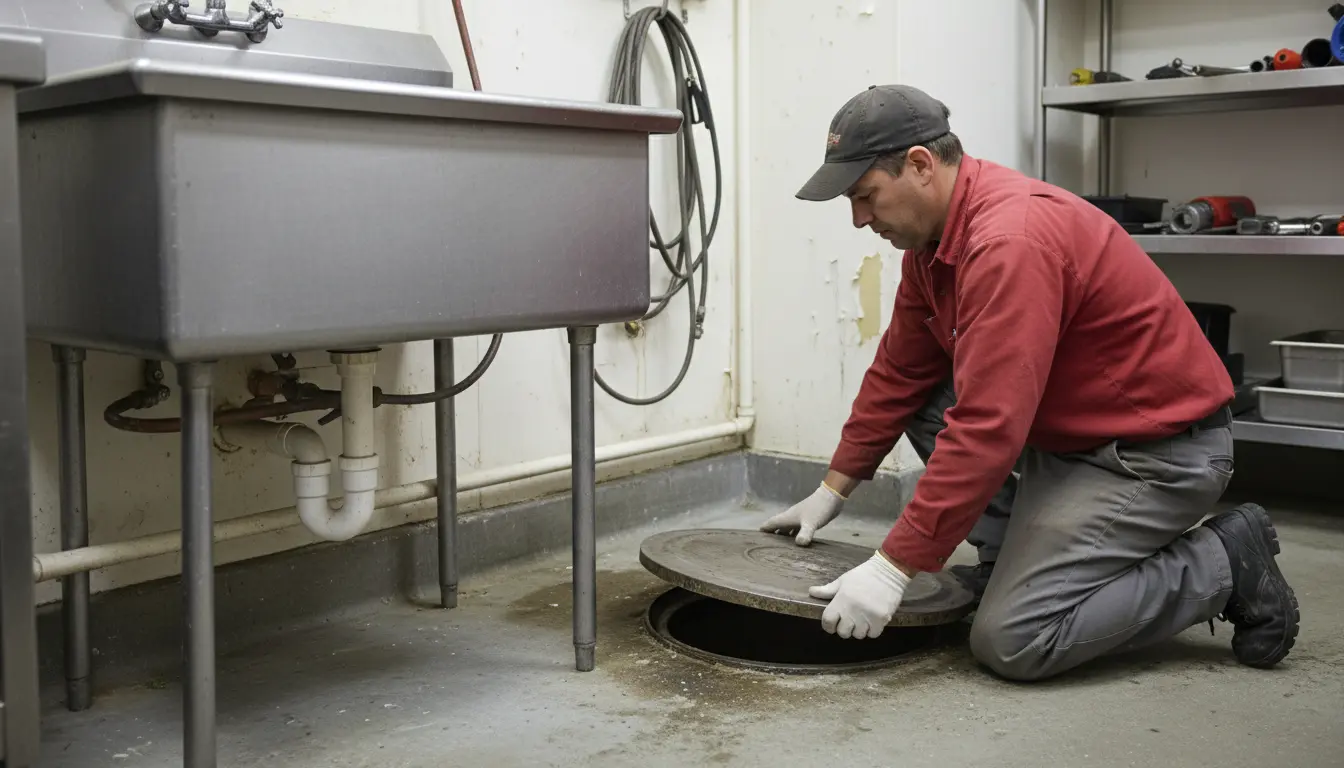
Find the Best Grease Trap Cleaning Companies for Your Business
No obligation • Fast responses • Nationwide coverage

Why you can trust Restaurant Waste Disposal
Restaurant Waste Disposal is a leading U.S. resource for comparing restaurant composting, food-waste recycling, grease trap cleaning, and used cooking oil collection services. Our editorial team researches providers, checks credentials, and organizes unbiased information so operators can make informed decisions. Companies cannot pay to change ratings or placement.
Search providers near you
Top Grease Trap Cleaning Companies in League City, Texas Ranked
For restaurant owners and food service operators in League City, maintaining a clean and compliant grease trap or interceptor is a critical, non-negotiable part of daily operations. The city, like many in the Houston-Galveston area, enforces strict regulations on grease management to protect the municipal sewer system from costly and disruptive blockages. Proper grease interceptor maintenance isn't just about avoiding fines; it's about ensuring your business runs smoothly, protecting public health, and contributing to a healthier local environment. This guide outlines the essential requirements, best practices, and local considerations for effective grease trap cleaning and compliance in League City.
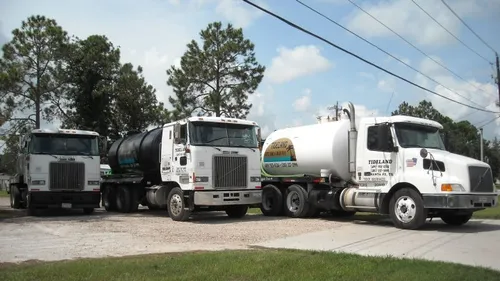
Tideland Grease Trap & Septic Service
13219 FM1764, Santa Fe, TX 77510
Tideland Grease Trap & Septic Service provides grease trap cleaning and septic system maintenance in Houston, TX. They handle tasks such as grease trap servicing and septic tank cleaning, including root clearing in septic systems. The company has experience working with customers over multiple years to maintain their systems.
JS Grease Services
9510 Everglade Dr, Houston, TX 77078
JS Grease Services is a grease trap cleaning company based in Houston, TX. They provide grease trap maintenance and cleaning services to help commercial kitchens manage waste effectively.
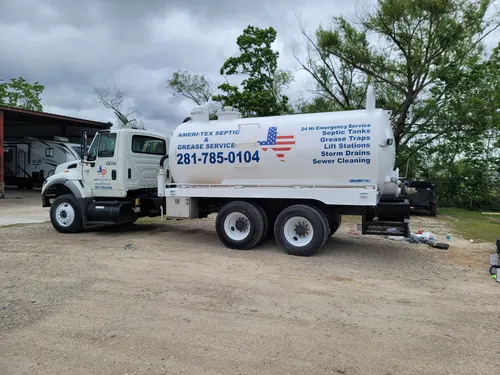
Ameri-Tex Septic and Grease Service
Houston, TX
Ameri-Tex Septic and Grease Service is a plumbing company based in Houston, TX, serving the Greater Houston area including Harris, Fort Bend, Montgomery, Galveston, and Liberty counties. They specialize in septic tank cleanouts, grease trap repair, lift station maintenance, and sewer line cleaning and repairs. With 35 years of industry experience, they handle emergency plumbing issues such as septic tank clogs and lift station failures, offering same-day services to prevent backflow problems. The company also provides aerobic septic system repairs and emphasizes quick response for urgent needs.
First Texas Grease
Houston, TX
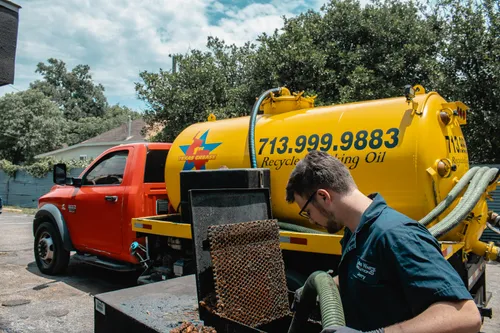
First Texas Grease is a family-owned company based in Houston, TX, specializing in used cooking oil collection, grease trap cleaning, and cooking oil recycling services. They serve Houston and the surrounding areas, offering same-day service and 24/7 support. One notable capability is their bi-annual hydro jetting of grease trap inflow and outflow lines, which helps prevent grease buildup and backups in commercial kitchen plumbing. With over 13 years of industry experience, First Texas Grease provides silent pump outs to minimize disruption during service.
Wastewater Transport Services
Wallisville Rd 10217 A, Houston, TX 77013
Wastewater Transport Services is a liquid waste management company based in Houston, TX, specializing in non-hazardous liquid waste transportation and disposal. They serve multiple Texas cities including Austin and Beaumont, focusing on municipal sludge hauling, grease trap, grit trap, septic tank, and lift station cleaning and maintenance. With over 30 years of industry experience, the company operates 7,000-gallon tanker units and owns state-licensed pre-treatment facilities to ensure proper disposal. They offer emergency response services around the clock in addition to routine maintenance.
Understanding League City's Grease Management Regulations
League City's wastewater department actively manages fats, oils, and grease (FOG) to prevent sewer overflows and infrastructure damage. The city's ordinances align with Texas Commission on Environmental Quality (TCEQ) model standards, creating a clear regulatory framework for food service establishments.
Key Compliance Requirements:
- Licensed Haulers Only: All grease trap waste must be pumped and transported by a licensed and certified hauler. Using an unlicensed service can result in violations for your business.
- Mandatory Manifests: Every time your grease interceptor is serviced, the hauler must provide a detailed manifest or trip ticket. This document records the amount of waste removed, the hauler's information, your business details, the date, and the approved disposal facility. You are required to keep these manifests on file for a minimum of three years for city inspection.
- Regular Inspections: The League City Wastewater Department conducts routine inspections of food service facilities to verify grease trap maintenance records and ensure proper function. Being prepared with organized manifests is crucial 1.
How Often Should You Clean Your Grease Trap?
Cleaning frequency is not a one-size-fits-all schedule but is dictated by both city rules and the operational volume of your kitchen. League City generally requires cleaning every 90 to 180 days 2 3. However, a more critical rule is the "25% rule"-traps must be pumped when the combined FOG and solids accumulate to 25% of the unit's liquid capacity 4 5.
Factors Influencing Your Cleaning Schedule:
- Trap Size & Design: Smaller, under-sink grease traps require more frequent service (sometimes monthly) than large, outdoor concrete interceptors.
- Business Volume: A high-volume restaurant frying foods daily will fill a trap much faster than a low-volume cafe.
- Kitchen Practices: Proper scraping of dishes and use of drain screens can significantly extend time between professional cleanings.
The most reliable method is to have your licensed service provider recommend a schedule based on an initial assessment and then monitor accumulation levels regularly.
Proper Grease Interceptor Location and Accessibility
League City code specifies that grease traps and interceptors must be outside and readily accessible for cleaning, inspection, and maintenance 6. Interior installations are generally not compliant because they pose significant challenges and hazards for service technicians during pump-out. Ensure the path to your trap is clear of obstructions, and the lid is not buried or paved over. An inaccessible trap can lead to service delays and additional labor charges.
The Cost of Grease Trap Cleaning Services
Investing in regular maintenance is far less expensive than dealing with fines, emergency repairs, or sewer backups. In the League City area, basic cleaning for a standard, accessible grease trap typically ranges from $175 to $300+ per service visit 7 8. For a full-service restaurant with a larger interceptor or more frequent needs, monthly costs can range from $400 to $600 or more, depending on volume and contract terms 8 9.
What Impacts the Price?
- Trap Size and Type: Larger concrete vaults cost more to pump than small indoor units.
- Condition: A severely neglected trap that requires scraping of hardened FOG ("grease cap") or unclogging will incur higher labor costs.
- Accessibility: Easy, above-ground access keeps costs down. Difficult access adds time and equipment needs.
- Service Contract: Many providers offer discounted rates for customers who sign up for regular, scheduled service plans.
Find the perfect grease trap cleaning companies for your needs
Get personalized recommendations and expert advice
Consequences of Non-Compliance
Ignoring grease trap maintenance is a risky business decision. The League City Wastewater Department can enforce penalties for violations, which may include:
- Substantial Fines: Monetary penalties for failure to maintain records or for allowing FOG to discharge into the sewer.
- Operational Disruption: In severe cases, the city can mandate immediate closure of the establishment until the grease trap is brought into compliance and any blockages are cleared.
- Health Hazards: A clogged trap can lead to sewage backups in your own kitchen, creating unsanitary conditions and potential health code violations.
- Environmental Impact: FOG discharges contribute to sanitary sewer overflows, which can pollute local waterways like Clear Creek and Galveston Bay.
Best Practices for Restaurant Staff Training
Your service provider handles the heavy cleaning, but daily kitchen practices are the first line of defense. Effective staff training is essential for compliance and cost control 10 11.
Train your team to:
- Scrape, Don't Rinse: Scrape all food scraps from plates, pots, and pans into the trash before washing.
- Use Drain Screens: Install and clean strainer baskets in all sink drains to catch solids.
- Dispose of Grease Properly: Never pour cooking oil, grease, or fatty liquids down the drain. Collect them in sealed containers for recycling or proper disposal.
- Avoid Grease-Dissolving Chemicals: While tempting, these chemicals often just move the FOG problem further down the sewer line, where it can solidify and cause blockages, potentially leading back to your business.
Creating a Proactive Maintenance Plan
A reactive approach to grease trap cleaning leads to problems. Follow these steps to establish a proactive plan 12:
- Know Your System: Identify the type, size, and location of your grease trap/interceptor. Your licensed hauler can help with this.
- Schedule Regular Service: Contract with a reputable, licensed grease trap cleaning company in the League City area for scheduled pump-outs based on your specific needs.
- Maintain Impeccable Records: File every service manifest and inspection report in an organized, easily accessible logbook or digital folder.
- Conduct Internal Checks: Periodically check your grease trap between professional services to monitor accumulation levels.
- Communicate with Your Provider: Maintain an open line with your service company. If your business volume changes significantly, inform them so they can adjust your service schedule accordingly.
Frequently asked questions
Sources
Footnotes
-
Wastewater | The League City Official Website! - https://www.leaguecitytx.gov/2163/Wastewater ↩
-
The Ultimate Guide to Restaurant Grease Trap Pumping ... - https://epicseptic.com/the-ultimate-guide-to-restaurant-grease-trap-pumping-cleaning-in-central-texas/ ↩
-
How to Clean a Grease Trap (and How Often You Should) - https://greaseconnections.com/how-to-clean-a-grease-trap-and-how-often-you-should/ ↩
-
Model Standards for a Grease Ordinance - https://www.tceq.texas.gov/downloads/assistance/water/wastewater/fats-oils-grease/model-standard.pdf/@@download/file/model-standard.pdf ↩
-
Grease Trap Regulations and Maintenance - ReGrease - https://regrease.com/grease-trap-regulations-houston/ ↩
-
§ 51.64 LOCATION OF GREASE TRAP/INTERCEPTOR FOR ... - https://codelibrary.amlegal.com/codes/texascity/latest/texascity_tx/0-0-0-2479 ↩
-
Ultimate Grease Trap Pumping Cost Guide: Essential Money ... - https://www.texwaywastewater.com/grease-trap-pumping-cost/ ↩
-
The Cost To Clean A Grease Trap For Restaurants - https://thegreasecompany.com/blog/greasetrapcleaningcost/ ↩ ↩2
-
Grease Trap Cleaning Prices | Guide on the Industry Average - https://grease-cycle.com/grease-trap-pumping-cost/ ↩
-
Grease Trap Regulations and Compliance: What You Need to Know - https://www.texwaywastewater.com/grease-trap-regulations-and-compliance/ ↩
-
What Every Restaurant Owner Should Know About Grease Traps - https://www.allenstristate.com/every-restaurant-owner-know-grease-traps/ ↩
-
Grease Trap Cleaning in League City, TX - https://greasetrapcleaningalvin.com/league-city-tx.html ↩