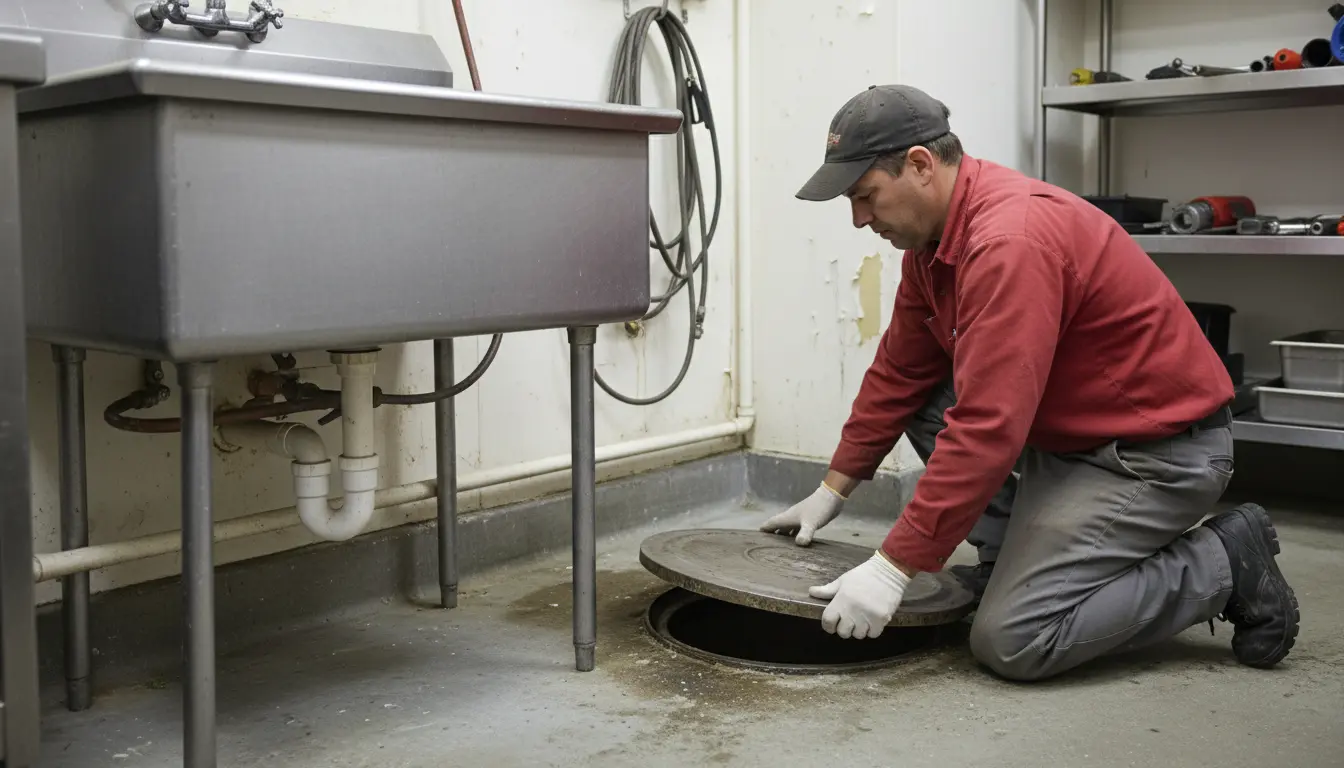
Find the Best Grease Trap Cleaning Companies for Your Business
No obligation • Fast responses • Nationwide coverage

Why you can trust Restaurant Waste Disposal
Restaurant Waste Disposal is a leading U.S. resource for comparing restaurant composting, food-waste recycling, grease trap cleaning, and used cooking oil collection services. Our editorial team researches providers, checks credentials, and organizes unbiased information so operators can make informed decisions. Companies cannot pay to change ratings or placement.
Search providers near you
Top Grease Trap Cleaning Companies in Keller, Texas Ranked
For restaurant owners and food service operators in Keller, maintaining a clean and compliant grease trap isn't just a maintenance task-it's a critical legal and operational requirement. The City of Keller, operating under the oversight of Tarrant County and the Texas Commission on Environmental Quality (TCEQ), enforces strict regulations to prevent fats, oils, and grease (FOG) from entering the municipal sewer system. Proactive grease interceptor maintenance protects your business from severe fines, mandatory closures, and costly emergency repairs, while also safeguarding the local water infrastructure. Understanding the specific rules for pumping frequency, documentation, and approved service providers is essential for seamless operations and passing health inspections.
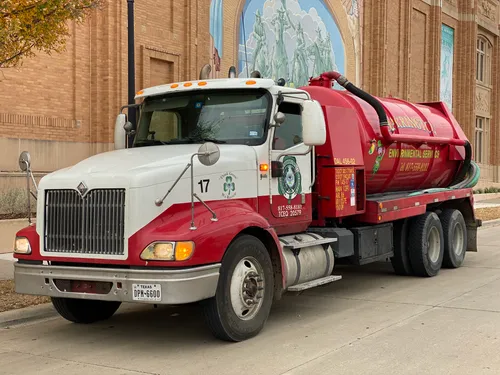
Fort Worth Grease Trap & Septic Cleaning
4015 W Vickery Blvd, Fort Worth, TX 76107
Fort Worth Grease Trap & Septic Cleaning provides grease trap and septic tank cleaning services in Fort Worth, TX. The company specializes in grease trap pumping and septic system maintenance. Recently acquired by Harrington Environmental, it continues to serve local businesses with grease trap cleaning and septic tank services.
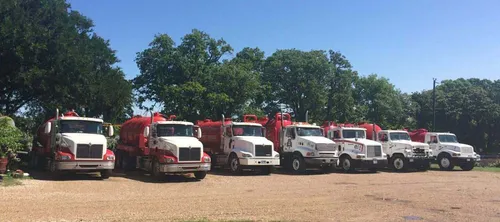
Harrington Environmental - Septic Pumping & Grease Trap Service
404 Flagstone Dr, Burleson, TX 76028
Harrington Environmental - Septic Pumping & Grease Trap Service is a full-service liquid waste company based in Fort Worth, TX. They provide a range of environmental services including aerobic septic service, grease and sand trap cleaning, grit trap service, septic tank service, and lift station pumping. The company is fully licensed and certified for the installation and maintenance of aerobic systems and serves the Dallas-Fort Worth metroplex and surrounding counties.
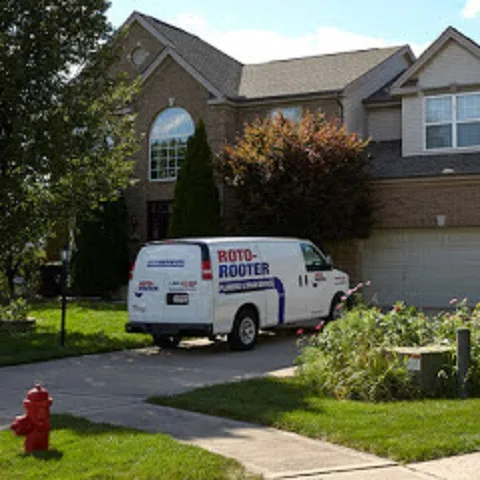
Roto-Rooter Plumbing & Water Cleanup
124 S Main St Ste 207, Burleson, TX 76028
Roto-Rooter Plumbing & Water Cleanup provides comprehensive plumbing and water cleanup services in Fort Worth, TX, and the surrounding areas including Burleson. They offer a wide range of residential and commercial plumbing solutions such as sewer and drain cleaning, water heater repair and installation, grease trap maintenance, and emergency floodwater cleanup. Their commercial services include specialized capabilities like high-pressure water jetting (hydro-jetting) and grease trap repairs. The company serves multiple nearby communities and counties, ensuring local expertise in plumbing codes and environmental conditions. Roto-Rooter is available 24/7 for emergency plumbing services, addressing urgent issues like burst pipes and sewer backups.
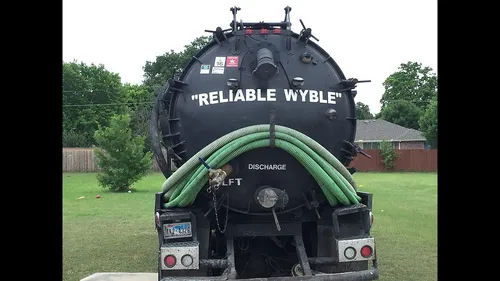
Wyble's Pumping Service
13515 Liberty School Rd, Azle, TX 76020
Wyble's Pumping Service provides grease trap cleaning and septic tank services in Fort Worth, TX. The company is known for handling emergency and semi-emergency pump and cleanout needs, including availability during holidays when other providers may not respond.
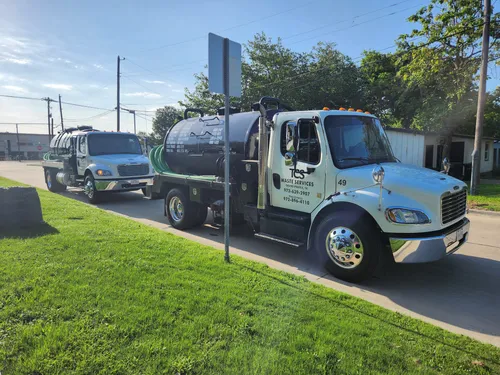
TCS Grease Trap Cleaners
Fort Worth, TX
TCS Grease Trap Cleaners provides grease trap cleaning services in Fort Worth, TX. The company focuses on customer satisfaction by treating clients as lifetime partners and seeking regular feedback to improve service quality. They offer thorough grease trap cleaning and go beyond basic expectations to ensure a positive experience.
Understanding Keller's Grease Trap Regulations
Keller restaurants must adhere to a framework of local and state regulations designed to prevent sewer blockages and environmental damage. Compliance is not optional; it's mandated by city code, often referencing guidelines from Fort Worth and Tarrant County 1. The primary goal is to keep FOG out of public sewers, where it can solidify, cause backups, and lead to expensive sanitary sewer overflows.
Key regulatory bodies include the City of Keller Water Utilities and local health departments, which conduct inspections to ensure compliance. Violations can result in significant penalties, including hefty fines and, in severe cases, orders to cease operations until the issue is resolved. In some jurisdictions, willful negligence can even lead to criminal charges. Therefore, a clear understanding of the rules is your first line of defense.
Mandatory Pumping Frequency and Capacity Rules
How often you need to clean your grease interceptor is not left to guesswork. Regulations typically require pumping every 90 days (quarterly) or, more precisely, when the grease accumulation reaches 25-50% of the trap's capacity2 3. This frequency is based on TCEQ model standards and your establishment's specific water usage and grease production 4.
For traps over 50 gallons, a licensed hauler must perform a full evacuation. Some municipalities may allow self-cleaning of smaller units (under 50 gallons), but this usually requires prior approval and strict adherence to proper disposal methods-never down a drain or into a dumpster. The safest and most compliant route is to partner with a licensed, insured professional service familiar with Keller's disposal facilities and reporting requirements.
The Critical Role of Documentation and Manifests
If you service your trap but can't prove it, you may as well not have done it. Detailed record-keeping is a cornerstone of compliance. After each service, your licensed hauler should provide a manifest or "trip ticket" detailing the date, volume of waste removed, and the disposal facility.
You must maintain these manifests, along with all service invoices and internal cleaning logs, for a minimum of three years (or as specified by local ordinance). During an inspection, authorities will request this "paper trail" as proof of regular maintenance. Organized records demonstrate a proactive approach and can be the difference between a passing grade and a violation notice.
The Real Cost of Grease Trap Maintenance in Keller
Budgeting for grease trap service is a fundamental part of restaurant operations. While it's an expense, it pales in comparison to the cost of non-compliance or emergency failures.
Routine pumping costs for a well-maintained trap in the Keller area typically range from $250 to $475 per service. This covers the standard evacuation, cleaning, and proper disposal by a licensed provider. For restaurants on a quarterly schedule, this translates to an annual cost between $1,000 and $1,900 for basic service.
However, total annual costs can be higher, averaging $2,000 to $5,000 or more, when factoring in potential additional services, larger trap sizes, or more frequent cleaning needs dictated by high-volume operations 5 6.
The Staggering Price of Emergencies
The most compelling reason for a strict maintenance schedule is avoiding emergency costs. A grease trap that overflows or causes a backup constitutes an emergency. Service calls for these situations, especially after hours or on weekends, can cost $800 to $1,200 or more per call 7. Add to this the potential for fines from the city, lost revenue from a forced closure, and the reputational damage from foul odors or health code violations, and the math becomes clear: preventative maintenance is the most cost-effective strategy.
Find the perfect grease trap cleaning companies for your needs
Get personalized recommendations and expert advice
Proactive Compliance and Best Practices
Moving beyond mere compliance to embrace best practices can streamline your operations and build a positive relationship with local inspectors.
Build a Relationship with Inspectors. Don't view inspections as an adversarial event. Proactively engage with local water utility or health department officials. Demonstrating that you have a scheduled maintenance plan, organized records, and a trained staff can foster a cooperative relationship.
Implement Kitchen Best Practices. Your grease trap's workload is directly affected by kitchen habits. Train staff to dry-wipe pots, pans, and dishes before rinsing, use sink strainers, and never pour grease down any drain 8. Consider using approved biological additives that help break down FOG between pumpings, though these are not a substitute for physical cleaning 8. Reducing the grease entering the trap can extend time between services and improve overall efficiency.
Recognize Early Warning Signs. Catching problems early prevents disasters. Be alert for foul odors emanating from drains or the trap itself, slow-draining sinks, or gurgling sounds from drains 9 10. These are clear indicators that your trap needs immediate attention and, if ignored, will likely trigger an inspection and violation.
Choosing a Service Provider in Keller
Selecting the right partner for grease interceptor maintenance is a crucial business decision. Look for a provider that is fully licensed and insured to handle grease waste in Tarrant County. They should be familiar with the specific documentation (manifests) required by Keller and the local disposal facilities.
A reputable provider will offer flexible scheduling, transparent pricing without hidden fees, and emergency response capabilities. They should also be willing to provide guidance on optimal pumping frequency for your specific operation and help you understand your compliance responsibilities.
Frequently asked questions
Sources
Footnotes
-
Guidance for Grease Trap Sizing and Design Criteria - https://www.fortworthtexas.gov/files/assets/public/v/1/water/documents/grease-trap-installation-guidance-doc.pdf ↩
-
The Ultimate Guide to Restaurant Grease Trap Cleaning: Smart Solutions for Commercial Kitchens - Mokher Plumbing - https://mokherplumbing.com/ultimate-guide-restaurant-grease-trap-cleaning/ ↩
-
Restaurants are Required to Maintain Grease Traps - https://www.defendyourdrainsnorthtexas.org/restaurants.html ↩
-
Model Standards for a Grease Ordinance - https://www.tceq.texas.gov/downloads/assistance/water/wastewater/fats-oils-grease/model-standard.pdf/@@download/file/model-standard.pdf ↩
-
Grease Trap Regulations and Compliance: What You Need to ... - https://www.texwaywastewater.com/grease-trap-regulations-and-compliance/ ↩
-
How Much Does a Proper Grease Trap Cleaning Cost? - https://hulseyenvironmental.com/how-much-does-a-proper-grease-trap-cleaning-partner-cost/ ↩
-
Ultimate Grease Trap Pumping Cost Guide: Essential Money-Saving ... - https://www.texwaywastewater.com/grease-trap-pumping-cost/ ↩
-
Dallas Grease Trap Cleaning: Essential Facility Maintenance Guide - https://www.myshyft.com/blog/grease-trap-cleaning-dallas-texas/ ↩ ↩2
-
The Ultimate Guide to Restaurant Grease Trap Pumping ... - https://epicseptic.com/the-ultimate-guide-to-restaurant-grease-trap-pumping-cleaning-in-central-texas/ ↩
-
Complying with Grease Trap Codes: 5 Essential Tips - https://www.unitedsewerservice.com/complying-with-local-regulations-and-codes-for-grease-trap-maintenance/ ↩