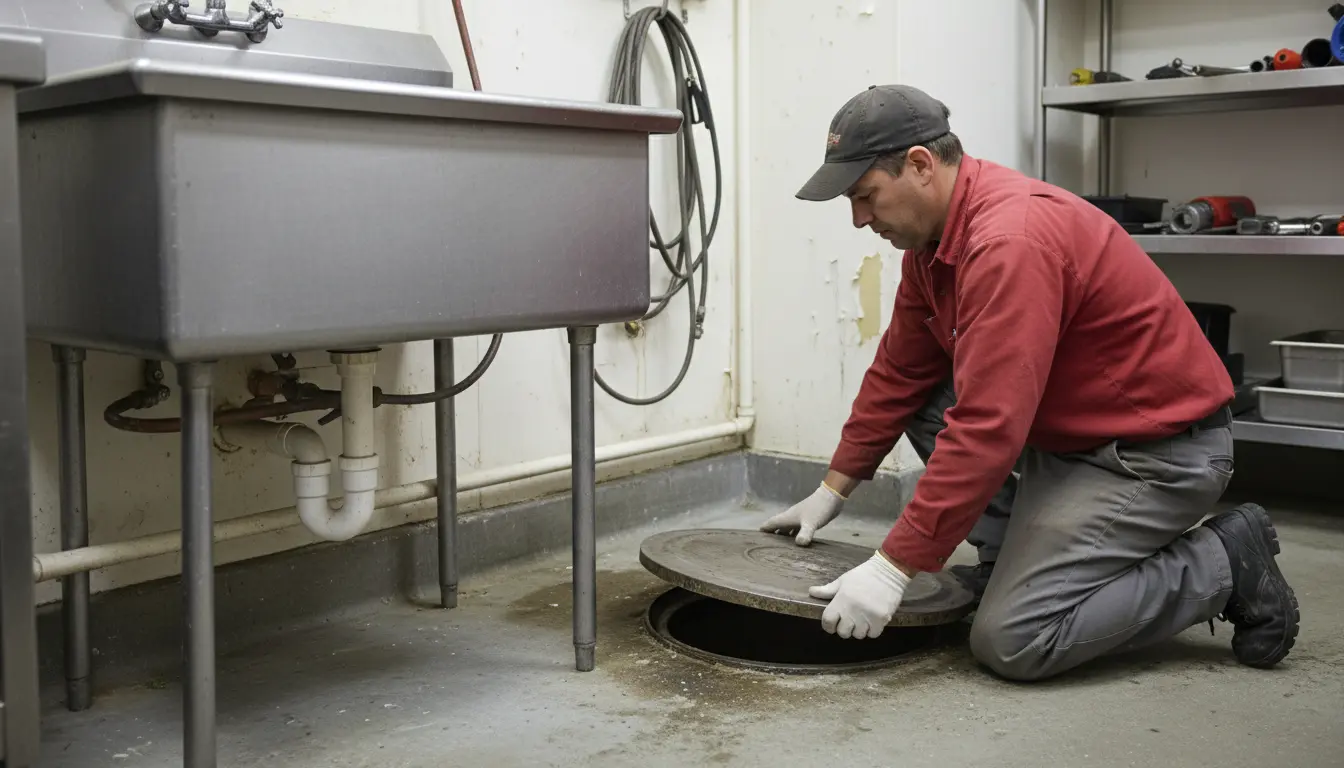
Find the Best Grease Trap Cleaning Companies for Your Business
No obligation • Fast responses • Nationwide coverage

Why you can trust Restaurant Waste Disposal
Restaurant Waste Disposal is a leading U.S. resource for comparing restaurant composting, food-waste recycling, grease trap cleaning, and used cooking oil collection services. Our editorial team researches providers, checks credentials, and organizes unbiased information so operators can make informed decisions. Companies cannot pay to change ratings or placement.
Search providers near you
Top Grease Trap Cleaning Companies in Haltom City, Texas Ranked
For any restaurant or food service establishment in Haltom City, maintaining a compliant grease interceptor system is not just a best practice-it's a strict legal requirement. The city enforces specific regulations to protect the municipal sewer system from blockages and environmental damage caused by fats, oils, and grease (FOG). Proper grease trap maintenance involves regular pumping by licensed professionals, meticulous record-keeping, and adherence to local design and installation standards. Failure to comply can result in significant fines, operational disruptions, and even business closure, making an understanding of Haltom City's unique mandates essential for every food service operator.
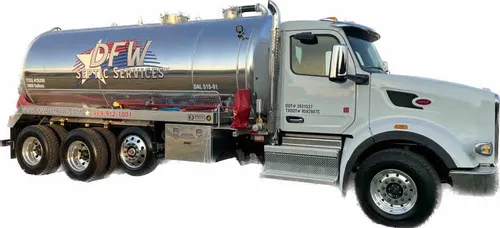
DFW Septic and Grease Services
4881 Montgomery Rd, Midlothian, TX 76065
DFW Septic and Grease Services provides septic system cleaning and grease trap maintenance for residential and commercial properties in Fort Worth, TX, and surrounding counties including Ellis, Tarrant, Dallas, Rockwall, Kaufman, Henderson, Navarro, Johnson, and Hill. They serve a variety of clients such as restaurants, cafeterias, retirement homes, schools, supermarkets, and convenience stores. Their services include onsite inspections, waste collection, and customer guidance to ensure proper system care. The company emphasizes regular septic tank pumping every three years or as needed based on usage and environmental factors.
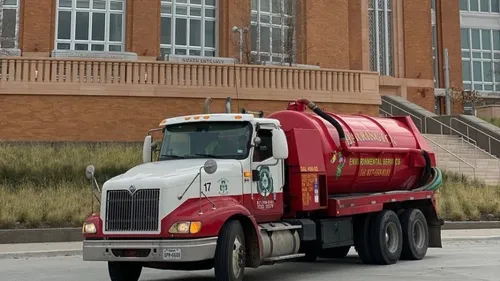
Harrington Environmental Services, LLC.
1632 Royalwood Cir, Joshua, TX 76058
Harrington Environmental Services, LLC. is a full-service liquid waste company based in Fort Worth, TX. They provide environmental services including aerobic septic service, grease trap cleaning, sand and grit trap service, septic tank maintenance, and lift station pumping. The company serves Fort Worth, Burleson, the Dallas-Fort Worth metroplex, and surrounding counties. Harrington Environmental Services is licensed and certified for the installation and maintenance of aerobic systems and handles all types of nonhazardous liquid waste. Their team is known for prompt attention to aerobic system repairs and regular grease trap servicing.
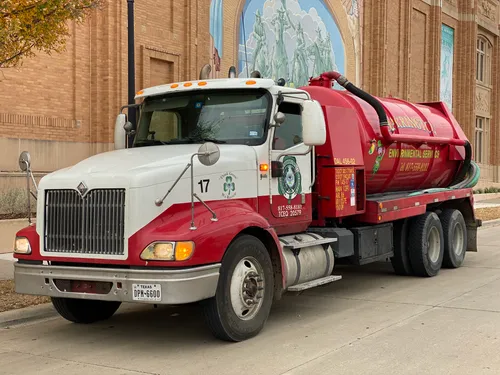
Fort Worth Grease Trap & Septic Cleaning
4015 W Vickery Blvd, Fort Worth, TX 76107
Fort Worth Grease Trap & Septic Cleaning provides grease trap and septic tank cleaning services in Fort Worth, TX. The company specializes in grease trap pumping and septic system maintenance. Recently acquired by Harrington Environmental, it continues to serve local businesses with grease trap cleaning and septic tank services.
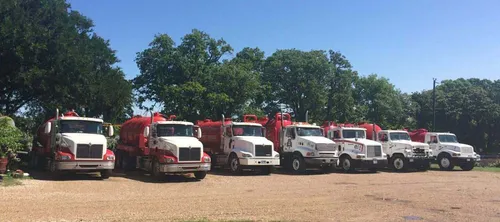
Harrington Environmental - Septic Pumping & Grease Trap Service
404 Flagstone Dr, Burleson, TX 76028
Harrington Environmental - Septic Pumping & Grease Trap Service is a full-service liquid waste company based in Fort Worth, TX. They provide a range of environmental services including aerobic septic service, grease and sand trap cleaning, grit trap service, septic tank service, and lift station pumping. The company is fully licensed and certified for the installation and maintenance of aerobic systems and serves the Dallas-Fort Worth metroplex and surrounding counties.
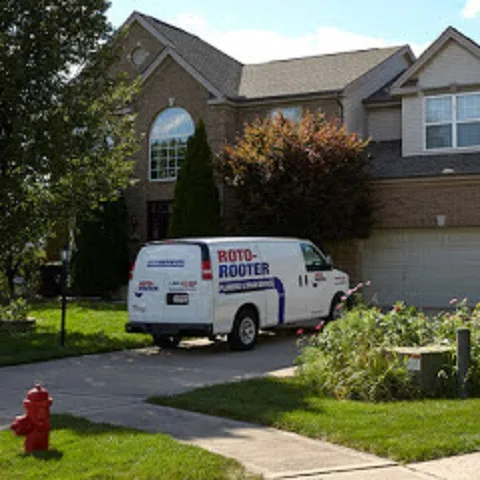
Roto-Rooter Plumbing & Water Cleanup
124 S Main St Ste 207, Burleson, TX 76028
Roto-Rooter Plumbing & Water Cleanup provides comprehensive plumbing and water cleanup services in Fort Worth, TX, and the surrounding areas including Burleson. They offer a wide range of residential and commercial plumbing solutions such as sewer and drain cleaning, water heater repair and installation, grease trap maintenance, and emergency floodwater cleanup. Their commercial services include specialized capabilities like high-pressure water jetting (hydro-jetting) and grease trap repairs. The company serves multiple nearby communities and counties, ensuring local expertise in plumbing codes and environmental conditions. Roto-Rooter is available 24/7 for emergency plumbing services, addressing urgent issues like burst pipes and sewer backups.
Understanding Haltom City's Grease Interceptor Requirements
In Haltom City, the term "grease trap" or "grease interceptor" refers to a device designed to capture FOG before wastewater enters the public sewer. The city's ordinances are clear: all food service establishments must have a properly sized and city-approved interceptor installed. This isn't a suggestion; it's a foundational condition for operating your business.
The rules extend beyond just having a device. Its location is critical; interceptors must be installed outside the building with unobstructed access for service vehicles and technicians 1. Furthermore, the plumbing configuration is regulated. All drains that carry grease-laden wastewater-including pre-rinse sinks, pot sinks, dishwashers, and even certain floor drains-must be routed through the interceptor 2. This ensures no FOG bypasses the system. Proper sizing, calculated based on fixture units and flow rates, is also mandated to ensure the unit can effectively cool incoming water (to below 120°F) and allow grease to solidify and separate.
The Mandatory Pumping Schedule: 90 Days is the Starting Point
Haltom City sets a baseline service frequency for grease interceptor pumping: at least every 90 days. However, this is a minimum standard. The actual required frequency for your establishment is determined by the condition of your trap.
You or your service provider must inspect the interceptor regularly. If the combined accumulation of grease and solids reaches 25% or more of the liquid depth (measured from the bottom to the outlet pipe invert), it must be pumped immediately, regardless of the 90-day schedule 3 4. The city also conducts its own inspections and can review discharge test results for parameters like FOG and Biochemical Oxygen Demand (BOD). If your wastewater exceeds discharge limits, the city has the authority to order more frequent cleanings 3 4. Proactive maintenance is always less costly than reacting to a city violation notice.
Compliance and Documentation: Your Paper Trail is Paramount
Simply scheduling a pump-out is not enough for full compliance. Haltom City's enforcement hinges on verifiable documentation. You are required to use a liquid waste hauler licensed by the Texas Commission on Environmental Quality (TCEQ). After each service, the hauler will provide a manifest-a legal document tracking the waste from your site to its final disposal location.
As the generator of the waste, you must sign the generator copy of this manifest and retain it for your records. Many localities require these manifests to be submitted to the city or wastewater authority. Maintaining a detailed, organized log of every cleaning-including dates, hauler information, and manifest numbers-is your best defense during a city audit. Penalties for non-compliance, including missing manifests or using an unlicensed hauler, can be severe, encompassing fines and other enforcement actions.
Find the perfect grease trap cleaning companies for your needs
Get personalized recommendations and expert advice
Cost Factors for Grease Interceptor Service in Haltom City
The cost for professional grease trap pumping and cleaning in Haltom City is not a flat fee; it varies based on several key factors. For a smaller, well-maintained interceptor that is serviced on a regular 90-day cycle, a basic pump-out might range from $175 to $225. However, this is just the starting point.
The total price can escalate to $2,500 or more depending on the size (capacity in gallons) of your interceptor, how frequently it requires service, and most importantly, its condition 5 6. A severely neglected trap with hardened grease and solids will require more labor, time, and potentially specialized equipment to clean, drastically increasing the cost. The most cost-effective strategy is consistent, preventative maintenance that prevents severe buildup.
Best Practices for Restaurant Owners and Managers
Staying compliant and avoiding costly emergencies involves a proactive approach. First, verify that your existing grease interceptor meets Haltom City's current design and location standards 7. If you're planning a new build or renovation, engage with the city's permitting department early.
Next, schedule regular pumping with a reputable, TCEQ-licensed service provider and stick to the schedule. Don't wait for the trap to be overflowing. Train your kitchen staff on best practices, such as scraping plates into trash bins before washing and avoiding pouring any fats or oils down the drain. Finally, organize all service records and manifests in a dedicated compliance binder. This demonstrates due diligence and makes inspections smooth and efficient 8 9 10.
The Risks of Non-Compliance
Ignoring grease interceptor maintenance carries significant risk. Environmentally, FOG discharged into sewers cools and solidifies, creating massive blockages (fatbergs) that can cause sewage backups into streets, businesses, and homes. For your business, the consequences are direct: Haltom City can levy substantial fines for each violation 11. In severe or repeat cases, the city can pursue legal action or even mandate the closure of your establishment until the issue is rectified. The cost of compliance through regular service is invariably lower than the financial and reputational damage of enforcement actions.
Frequently asked questions
Sources
Footnotes
-
§ 51.64 LOCATION OF GREASE TRAP/INTERCEPTOR FOR ... - https://codelibrary.amlegal.com/codes/texascity/latest/texascity_tx/0-0-0-2479 ↩
-
Chapter 15.05 FATS, OILS AND GREASE - https://www.codepublishing.com/WA/Bremerton/html/Bremerton15/Bremerton1505.html ↩
-
General Stormwater Best Management Practices for ... - Haltom City - https://www.haltomcitytx.com/DocumentCenter/View/606 ↩ ↩2
-
Model Standards for a Grease Ordinance - https://www.tceq.texas.gov/downloads/assistance/water/wastewater/fats-oils-grease/model-standard.pdf/@@download/file/model-standard.pdf ↩ ↩2
-
Ultimate Grease Trap Pumping Cost Guide: Essential Money-Saving ... - https://www.texwaywastewater.com/grease-trap-pumping-cost/ ↩
-
The Cost To Clean A Grease Trap For Restaurants - https://thegreasecompany.com/blog/greasetrapcleaningcost/ ↩
-
Guidance for Grease Trap Sizing and Design Criteria - https://www.fortworthtexas.gov/files/assets/public/v/1/water/documents/grease-trap-installation-guidance-doc.pdf ↩
-
Grease Trap Regulations and Compliance: What You Need to ... - https://www.texwaywastewater.com/grease-trap-regulations-and-compliance/ ↩
-
Grease Trap Regulations and Maintenance - ReGrease - https://regrease.com/grease-trap-regulations-houston/ ↩
-
The Ultimate Guide to Restaurant Grease Trap Pumping & Cleaning ... - https://epicseptic.com/the-ultimate-guide-to-restaurant-grease-trap-pumping-cleaning-in-central-texas/ ↩
-
Restaurants are Required to Maintain Grease Traps - https://www.defendyourdrainsnorthtexas.org/restaurants.html ↩