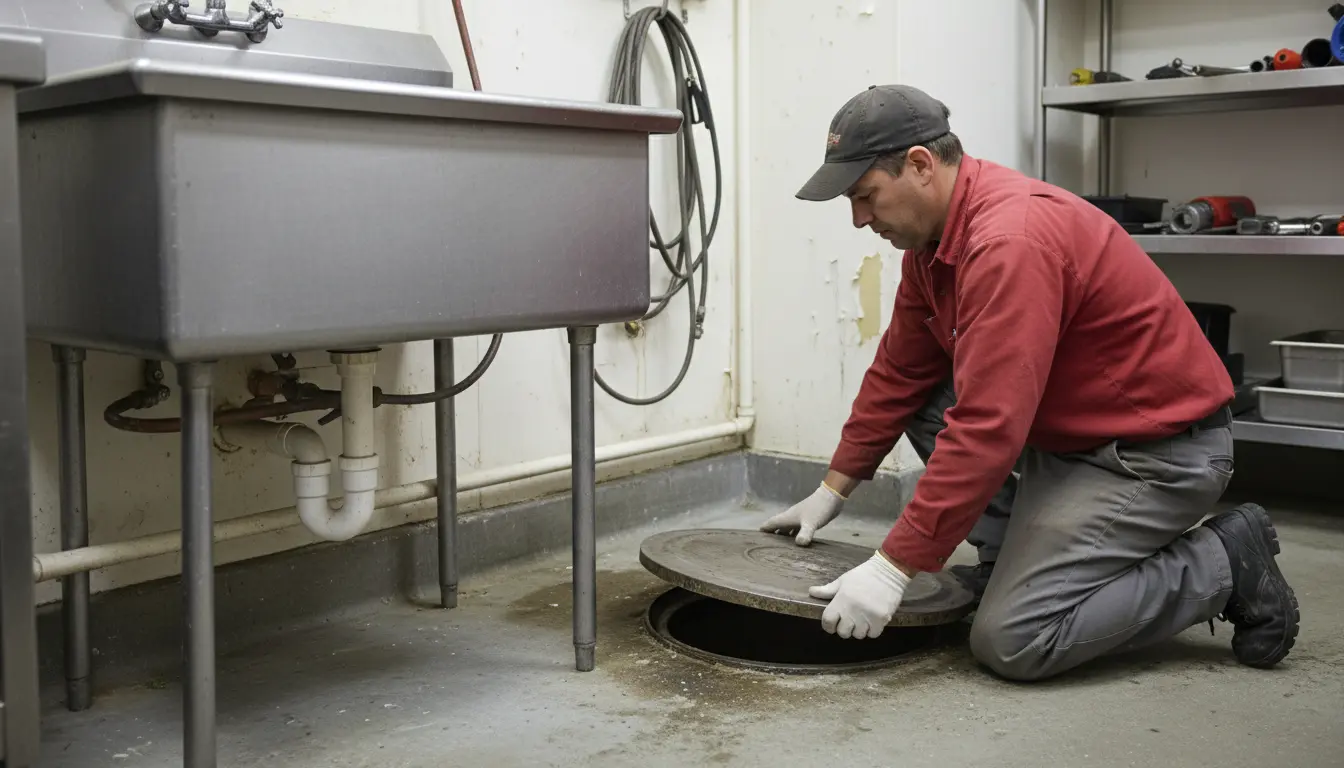
Find the Best Grease Trap Cleaning Companies for Your Business
No obligation • Fast responses • Nationwide coverage

Why you can trust Restaurant Waste Disposal
Restaurant Waste Disposal is a leading U.S. resource for comparing restaurant composting, food-waste recycling, grease trap cleaning, and used cooking oil collection services. Our editorial team researches providers, checks credentials, and organizes unbiased information so operators can make informed decisions. Companies cannot pay to change ratings or placement.
Search providers near you
Top Grease Trap Cleaning Companies in Grapevine, Texas Ranked
For restaurant owners and facility managers in Grapevine, maintaining a grease trap or interceptor isn't just a routine chore-it's a critical component of legal compliance and environmental stewardship. Located within the Dallas-Fort Worth metroplex, Grapevine's food service establishments must adhere to stringent local and state regulations designed to protect the city's sewer infrastructure from fats, oils, and grease (FOG). Proper grease interceptor maintenance prevents costly blockages, severe fines, and potential operational shutdowns. This guide outlines the essential requirements, best practices, and local considerations for effective grease management in Grapevine.
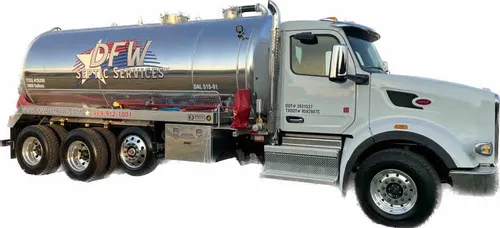
DFW Septic and Grease Services
4881 Montgomery Rd, Midlothian, TX 76065
DFW Septic and Grease Services provides septic system cleaning and grease trap maintenance for residential and commercial properties in Fort Worth, TX, and surrounding counties including Ellis, Tarrant, Dallas, Rockwall, Kaufman, Henderson, Navarro, Johnson, and Hill. They serve a variety of clients such as restaurants, cafeterias, retirement homes, schools, supermarkets, and convenience stores. Their services include onsite inspections, waste collection, and customer guidance to ensure proper system care. The company emphasizes regular septic tank pumping every three years or as needed based on usage and environmental factors.
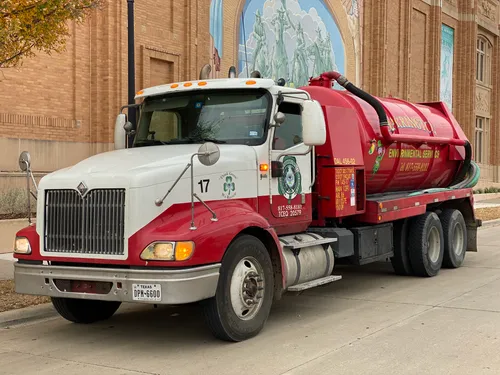
Fort Worth Grease Trap & Septic Cleaning
4015 W Vickery Blvd, Fort Worth, TX 76107
Fort Worth Grease Trap & Septic Cleaning provides grease trap and septic tank cleaning services in Fort Worth, TX. The company specializes in grease trap pumping and septic system maintenance. Recently acquired by Harrington Environmental, it continues to serve local businesses with grease trap cleaning and septic tank services.
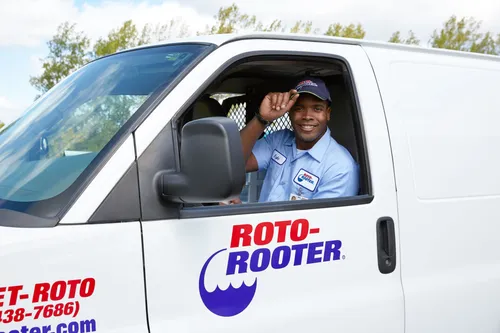
Roto-Rooter Plumbing & Water Cleanup
1225 Belt Line Rd Ste 103A, Garland, TX 75040
Roto-Rooter Plumbing & Water Cleanup provides comprehensive plumbing and water cleanup services in Fort Worth, TX, specializing in both residential and commercial plumbing needs. Their offerings include sewer and drain cleaning, grease trap maintenance, water heater repair and installation, floodwater cleanup, and mold remediation. The company uses advanced equipment such as hydro-jetting for drain cleaning and offers trenchless sewer line repair methods. Serving Garland and surrounding counties, Roto-Rooter has extensive experience handling complex plumbing systems and emergency situations. They provide 24/7 emergency plumbing services to address urgent issues promptly.
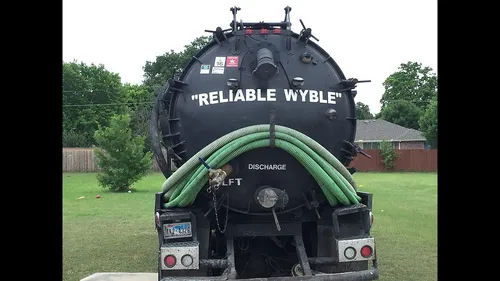
Wyble's Pumping Service
13515 Liberty School Rd, Azle, TX 76020
Wyble's Pumping Service provides grease trap cleaning and septic tank services in Fort Worth, TX. The company is known for handling emergency and semi-emergency pump and cleanout needs, including availability during holidays when other providers may not respond.
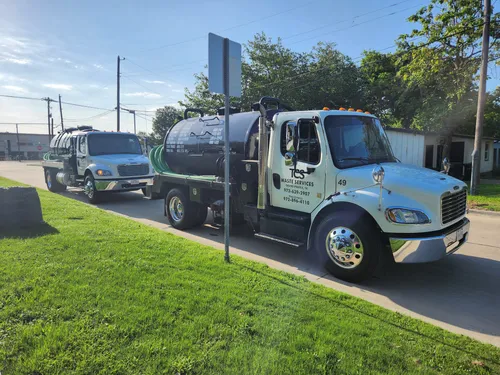
TCS Grease Trap Cleaners
Fort Worth, TX
TCS Grease Trap Cleaners provides grease trap cleaning services in Fort Worth, TX. The company focuses on customer satisfaction by treating clients as lifetime partners and seeking regular feedback to improve service quality. They offer thorough grease trap cleaning and go beyond basic expectations to ensure a positive experience.
Understanding Local Grease Trap Regulations
Grapevine restaurants operate under a framework of regulations aimed at preventing sewer overflows. While Grapevine may have specific city ordinances, many standards align with Tarrant County and Texas Commission on Environmental Quality (TCEQ) guidelines, which are often enforced in collaboration with neighboring Fort Worth's FOG program. The core principle is that generators-the restaurants producing the waste-are legally responsible for its proper handling from the point of origin to final disposal at an approved facility.
Key regulatory pillars include:
- Mandatory Pumping Schedules: Interceptors must be fully evacuated and cleaned regularly. The standard is typically when solids and grease accumulate to 25% of the liquid depth, which for most establishments translates to quarterly service (every 90 days) 1 2. High-volume kitchens may require monthly or even bi-weekly cleaning 3.
- Use of Licensed Haulers: Waste must be collected by a TCEQ-certified hauler. It is illegal to pump grease trap waste into dumpsters, storm drains, or onto the ground.
- Documentation and Recordkeeping: Restaurants must obtain and retain a detailed manifest for every service. These records, which include dates, volumes, and disposal locations, must be kept on-site for a minimum of three years and made available for inspection upon request.
- Full Evacuation Requirement: Traps must be completely pumped out. "Skimming" or partial cleaning is non-compliant. Self-cleaning is generally prohibited except for very small traps (under 50 gallons) and only with explicit city approval 4.
Installation and Design Standards for Compliance
Proper installation is the first step toward trouble-free maintenance. Grapevine and regional codes specify design criteria to ensure interceptors function correctly.
- Location: Exterior installation is strongly preferred for easier access and servicing. Interceptors must be located away from food preparation sinks and areas with high-temperature discharge 5.
- Waste Routing: All drains that carry grease-laden wastewater-including pre-rinse sinks, pot sinks, dishwashers, and even floor drains in kitchen areas-must be plumbed through the grease interceptor. Bypassing any fixture is a code violation.
- Temperature Control: To prevent grease from emulsifying and passing through the trap, wastewater must cool to below 120°F before entering the interceptor. This often requires the installation of a cooling loop or other tempering device.
- Proper Features: A compliant interceptor will have baffles to slow water flow and separate FOG, as well as accessible manholes for inspection and pumping 6.
The Consequences of Non-Compliance
Regulatory agencies conduct unannounced inspections to verify compliance. If an inspector finds violations, the consequences escalate quickly.
- Fines: Penalties can start at $500 or more per day for each day the violation persists. Repeat offenses lead to significantly higher fines 7 8.
- Operational Disruption: In severe cases, the city can issue a cease-and-desist order, halting your business operations until the grease trap is brought into compliance and all fines are paid.
- Legal Liability: Intentional violations, such as illegal dumping, can result in criminal charges against the business owner.
- Sewer Backup Costs: Beyond fines, a restaurant may be held financially responsible for cleanup and repair costs if a grease-caused sewer blockage is traced back to their establishment.
Find the perfect grease trap cleaning companies for your needs
Get personalized recommendations and expert advice
Service Frequency and Cost Considerations
Determining the right service schedule is a balance of legal requirements, kitchen volume, and budget. A common and prudent approach for Grapevine restaurants is a quarterly service contract, which provides predictable scheduling and cost.
- Cost Range: Pricing varies widely based on the size of the trap, its accessibility, and the frequency of service. A single cleaning can range from $175 for a small under-sink unit to over $2,500 for a large, hard-to-access exterior interceptor 9 10. The average cost for a standard commercial trap often falls between $400 and $800 per service.
- Contract Benefits: A service contract with a reputable, licensed provider ensures you never miss a mandatory pumping date. It often includes detailed manifests, emergency service options, and can be more cost-effective than one-time calls.
- The Pumping Process: A proper service involves fully evacuating all contents (water, grease, and solids), high-pressure jetting of the interior walls and inlet/outlet lines, and a visual inspection of the baffles and structure. The hauler will provide you with a signed manifest upon completion.
Best Practices for Daily Grease Management
Between professional pumpings, kitchen staff play a vital role in extending the life of your grease trap and improving its efficiency.
- Scrape, Don't Rinse: Thoroughly scrape food scraps from plates, pots, and pans into the trash before washing.
- Use Strainers: Install and regularly empty basket strainers in all sink drains to catch solid debris.
- Collect Cooking Oil Separately: Never pour used fryer oil down the drain. Store it in dedicated containers for collection by a used cooking oil (UCO) recycler.
- Educate Staff: Train all employees on these practices. Their daily actions directly impact how quickly your grease trap fills up.
- Keep Records Organized: Maintain a dedicated binder on-site for all grease trap and used oil manifests. Note your next scheduled service date prominently.
Actionable Tip: Proactively contact Grapevine's Code Enforcement or Public Works Department to confirm the specific details of the city's FOG program and obtain any local ordinance documents. This step ensures you have the most current information directly from the enforcing authority 11 12.
Frequently asked questions
Sources
Footnotes
-
Model Standards for a Grease Ordinance - https://www.tceq.texas.gov/downloads/assistance/water/wastewater/fats-oils-grease/model-standard.pdf/@@download/file/model-standard.pdf ↩
-
Why Central Texas Restaurants Need Quarterly Grease Trap ... - https://epicseptic.com/why-central-texas-restaurants-need-quarterly-grease-trap-service-contracts-and-a-partner-like-epic/ ↩
-
Restaurant Grease Trap Cleaning FAQs - Mahoney Environmental - https://www.mahoneyes.com/restaurant-grease-trap-cleaning-faqs/ ↩
-
Dallas Grease Trap Cleaning: Essential Facility Maintenance ... - https://www.myshyft.com/blog/grease-trap-cleaning-dallas-texas/ ↩
-
§ 51.64 LOCATION OF GREASE TRAP/INTERCEPTOR FOR ... - https://codelibrary.amlegal.com/codes/texascity/latest/texascity_tx/0-0-0-2479 ↩
-
Guidance for Grease Trap Sizing and Design Criteria - https://www.fortworthtexas.gov/files/assets/public/v/1/water/documents/grease-trap-installation-guidance-doc.pdf ↩
-
Fort Worth Grease Trap Maintenance: Essential Compliance Guide - https://www.myshyft.com/blog/grease-trap-cleaning-fort-worth-texas/ ↩
-
Restaurants are Required to Maintain Grease Traps - https://www.defendyourdrainsnorthtexas.org/restaurants.html ↩
-
The Ultimate Guide to Restaurant Grease Trap Pumping ... - https://epicseptic.com/the-ultimate-guide-to-restaurant-grease-trap-pumping-cleaning-in-central-texas/ ↩
-
Ultimate Grease Trap Pumping Cost Guide: Essential Money ... - https://www.texwaywastewater.com/grease-trap-pumping-cost/ ↩
-
Grease Trap Regulations and Maintenance - ReGrease - https://regrease.com/grease-trap-regulations-houston/ ↩
-
Code Enforcement - https://www.grapevinetexas.gov/143/Code-Enforcement ↩