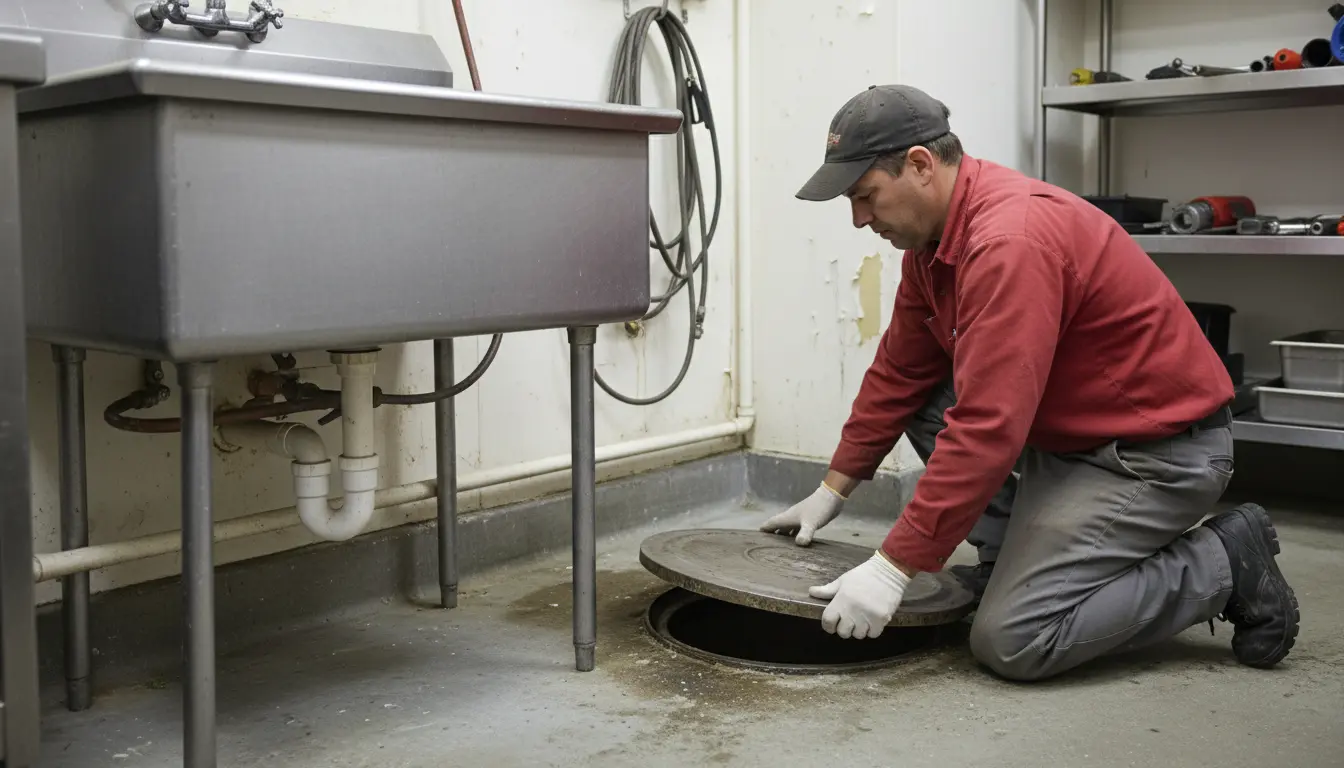
Find the Best Grease Trap Cleaning Companies for Your Business
No obligation • Fast responses • Nationwide coverage

Why you can trust Restaurant Waste Disposal
Restaurant Waste Disposal is a leading U.S. resource for comparing restaurant composting, food-waste recycling, grease trap cleaning, and used cooking oil collection services. Our editorial team researches providers, checks credentials, and organizes unbiased information so operators can make informed decisions. Companies cannot pay to change ratings or placement.
Search providers near you
Top Grease Trap Cleaning Companies in Grand Prairie, Texas Ranked
For restaurant owners and facility managers in Grand Prairie, maintaining a compliant and efficient grease trap system is a critical operational responsibility. The City of Grand Prairie enforces specific regulations through its Public Health & Environmental Quality department to prevent sewer blockages and environmental issues, making regular grease interceptor maintenance a non-negotiable aspect of running a food service establishment. Adhering to a proper pumping schedule not only keeps your business in good standing with local authorities but also prevents disruptive and expensive emergencies. This guide outlines the local requirements, typical costs, and best practices for effective grease management in Grand Prairie.
Local ordinances mandate that grease traps and interceptors be cleaned based on usage, with frequency often tied to the type of food service operation. For instance, establishments like food manufacturers or those serving significant amounts of fried food are typically required to schedule monthly pump-outs, while full-service restaurants may be on a quarterly schedule 1 2. The universal trigger for service is the "25% rule," meaning the trap must be pumped when grease and solids occupy 25% or more of the liquid depth 1. To ensure access for service providers, the city requires that these units be located outside the building 2. Keeping detailed service records from a certified hauler is essential for proving compliance during city inspections 3.
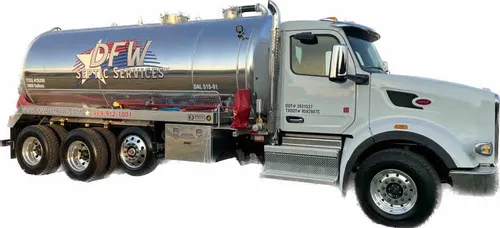
DFW Septic and Grease Services
4881 Montgomery Rd, Midlothian, TX 76065
DFW Septic and Grease Services provides septic system cleaning and grease trap maintenance for residential and commercial properties in Fort Worth, TX, and surrounding counties including Ellis, Tarrant, Dallas, Rockwall, Kaufman, Henderson, Navarro, Johnson, and Hill. They serve a variety of clients such as restaurants, cafeterias, retirement homes, schools, supermarkets, and convenience stores. Their services include onsite inspections, waste collection, and customer guidance to ensure proper system care. The company emphasizes regular septic tank pumping every three years or as needed based on usage and environmental factors.
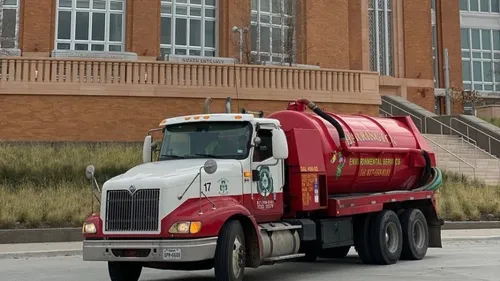
Harrington Environmental Services, LLC.
1632 Royalwood Cir, Joshua, TX 76058
Harrington Environmental Services, LLC. is a full-service liquid waste company based in Fort Worth, TX. They provide environmental services including aerobic septic service, grease trap cleaning, sand and grit trap service, septic tank maintenance, and lift station pumping. The company serves Fort Worth, Burleson, the Dallas-Fort Worth metroplex, and surrounding counties. Harrington Environmental Services is licensed and certified for the installation and maintenance of aerobic systems and handles all types of nonhazardous liquid waste. Their team is known for prompt attention to aerobic system repairs and regular grease trap servicing.
Fort Worth Grease Trap & Septic Cleaning
4015 W Vickery Blvd, Fort Worth, TX 76107
Fort Worth Grease Trap & Septic Cleaning provides grease trap and septic tank cleaning services in Fort Worth, TX. The company specializes in grease trap pumping and septic system maintenance. Recently acquired by Harrington Environmental, it continues to serve local businesses with grease trap cleaning and septic tank services.
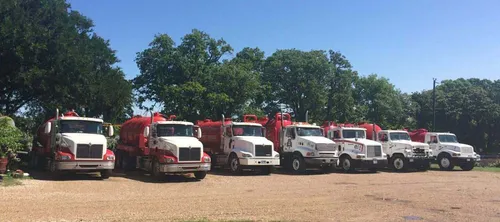
Harrington Environmental - Septic Pumping & Grease Trap Service
404 Flagstone Dr, Burleson, TX 76028
Harrington Environmental - Septic Pumping & Grease Trap Service is a full-service liquid waste company based in Fort Worth, TX. They provide a range of environmental services including aerobic septic service, grease and sand trap cleaning, grit trap service, septic tank service, and lift station pumping. The company is fully licensed and certified for the installation and maintenance of aerobic systems and serves the Dallas-Fort Worth metroplex and surrounding counties.
Roto-Rooter Plumbing & Water Cleanup
1225 Belt Line Rd Ste 103A, Garland, TX 75040
Roto-Rooter Plumbing & Water Cleanup provides comprehensive plumbing and water cleanup services in Fort Worth, TX, specializing in both residential and commercial plumbing needs. Their offerings include sewer and drain cleaning, grease trap maintenance, water heater repair and installation, floodwater cleanup, and mold remediation. The company uses advanced equipment such as hydro-jetting for drain cleaning and offers trenchless sewer line repair methods. Serving Garland and surrounding counties, Roto-Rooter has extensive experience handling complex plumbing systems and emergency situations. They provide 24/7 emergency plumbing services to address urgent issues promptly.
Understanding Grand Prairie's Grease Trap Regulations
Compliance starts with knowing the rules set forth by the City of Grand Prairie. The local code is designed to protect the municipal sewer system from fats, oils, and grease (FOG), which can congeal and cause major blockages. Enforcement falls under the Public Health & Environmental Quality department, which can issue significant fines or even pursue business closure for chronic non-compliance.
A key component of the regulation is the required pumping frequency, which is not one-size-fits-all. It is determined by your establishment's potential to generate grease waste:
- Monthly Service: Often required for food manufacturers, facilities with large-scale frying operations, and some fast-food restaurants.
- Quarterly Service: Common for standard full-service restaurants and other food service establishments.
- The 25% Rule: Regardless of the calendar schedule, the trap must be cleaned before the accumulated grease and solids reach 25% of the unit's liquid depth. A professional service technician will measure this during inspection 4.
Location and Accessibility Requirements
The city code explicitly states that grease interceptors must be located outside the building to provide easy, unobstructed access for service vehicles and pumping equipment. This external placement is a common requirement that facilitates routine maintenance and emergency cleanouts. If your current setup does not meet this standard, you may need to consult with a licensed plumber or the city's environmental quality department about potential solutions or waivers.
The Cost of Grease Trap Pumping in Grand Prairie
Budgeting for this necessary service is straightforward for well-maintained traps but can become unpredictable if maintenance is deferred. Costs are primarily influenced by the size and location of the trap, as well as the regularity of service.
- Routine Maintenance Costs: For a standard, regularly serviced outdoor grease interceptor, restaurant owners can expect to pay between $175 and $400 per pump-out 5. Smaller indoor traps typically cost less, generally ranging from $125 to $180 for scheduled service 5.
- Emergency and Neglect Premiums: The cost escalates dramatically if a trap is severely neglected or causes a blockage. Emergency service, which may involve more labor, specialized equipment, or even hydro-jetting to clear lines, can cost $800 to $1,200 or more 6 7. This stark difference highlights the financial importance of proactive, scheduled maintenance.
Can You Request a Waiver for Pumping Frequency?
In certain situations, a business may apply for a waiver to adjust the required pumping frequency. This typically involves a formal request to the city, often requiring historical service records and data demonstrating that your establishment produces a lower volume of FOG waste 8. It is crucial to obtain approval before altering your service schedule, as assuming a waiver can lead to compliance violations.
Best Practices for Grease Trap Management
Beyond simply scheduling pump-outs, effective management involves daily operational habits that extend the life of your system and reduce costs.
Staff Training is Fundamental: Educate every team member on proper practices. This includes scraping and dry-wiping plates and cookware before dishwashing, using sink strainers, and never pouring grease down any drain. A well-informed staff is your first line of defense against grease-related problems.
Implement Preventative Measures: Many businesses use approved bio-additives or enzymes that help break down grease between pump-outs. While these do not replace physical cleaning, they can help maintain system flow 9. Most importantly, maintain a strict, calendar-driven maintenance schedule with a reliable service provider.
Hire Certified Professionals: Always contract with haulers who are certified by the Texas Commission on Environmental Quality (TCEQ) for pumping and disposal. Using a certified provider ensures that waste is disposed of legally and provides you with the proper documentation needed for city inspections.
Find the perfect grease trap cleaning companies for your needs
Get personalized recommendations and expert advice
Consequences of Non-Compliance
Failing to maintain your grease trap has serious repercussions. The most immediate risk is an internal blockage, leading to backed-up sinks, foul odors, and an interruption to your daily operations. Externally, grease escaping into the city's sewer mains can cause blockages in the public system, for which your business can be held financially responsible.
The City of Grand Prairie's inspectors can issue violations and fines for non-compliance. Repeated offenses can lead to escalating penalties and, in extreme cases, legal action that threatens your business license. The cost of these fines, coupled with the premium for emergency cleanout service, far exceeds the predictable expense of routine maintenance.
Scheduling and Service Documentation
Establish a partnership with a reputable, local grease trap cleaning service that understands Grand Prairie's specific codes. They can help you determine the optimal schedule based on your volume and type of business. After each service, you will receive a detailed report or manifest. Keep these records on file for at least three years. They are your proof of compliance and will be the first thing a city inspector asks to see. A well-documented maintenance history demonstrates due diligence and can be beneficial if any questions about your system arise.
Proper grease interceptor maintenance is a key aspect of responsible restaurant ownership in Grand Prairie. By understanding the local regulations, budgeting for routine service, training your staff, and keeping impeccable records, you can avoid the headaches, hazards, and high costs associated with grease-related problems, ensuring your business runs smoothly and remains in good standing.
Frequently asked questions
Sources
Footnotes
-
Grease Traps - City of Grand Prairie - https://www.gptx.org/Departments/Public-Health-and-Environmental-Quality/Environmental-Quality/Permits-Policies/Food-Service-Permits/Grease-Traps ↩ ↩2
-
§ 51.64 LOCATION OF GREASE TRAP/INTERCEPTOR FOR ... - https://codelibrary.amlegal.com/codes/texascity/latest/texascity_tx/0-0-0-2479 ↩ ↩2
-
The Ultimate Guide to Restaurant Grease Trap Pumping ... - https://epicseptic.com/the-ultimate-guide-to-restaurant-grease-trap-pumping-cleaning-in-central-texas/ ↩
-
Model Standards for a Grease Ordinance - https://www.tceq.texas.gov/downloads/assistance/water/wastewater/fats-oils-grease/model-standard.pdf/@@download/file/model-standard.pdf ↩
-
Ultimate Grease Trap Pumping Cost Guide: Essential Money-Saving ... - https://www.texwaywastewater.com/grease-trap-pumping-cost/ ↩ ↩2
-
The Cost To Clean A Grease Trap For Restaurants - https://thegreasecompany.com/blog/greasetrapcleaningcost/ ↩
-
Grease Trap Cleaning Prices | Guide on the Industry Average - https://grease-cycle.com/grease-trap-pumping-cost/ ↩
-
Waiver for Grease Trap Pumping Frequency - Grand Prairie - https://www.gptx.org/files/sharedassets/public/departments/public-health-amp-environmental-quality/documents/waiver-for-grease-trap-pumping-2023.pdf ↩
-
Dallas Grease Trap Cleaning: Essential Facility Maintenance ... - https://www.myshyft.com/blog/grease-trap-cleaning-dallas-texas/ ↩