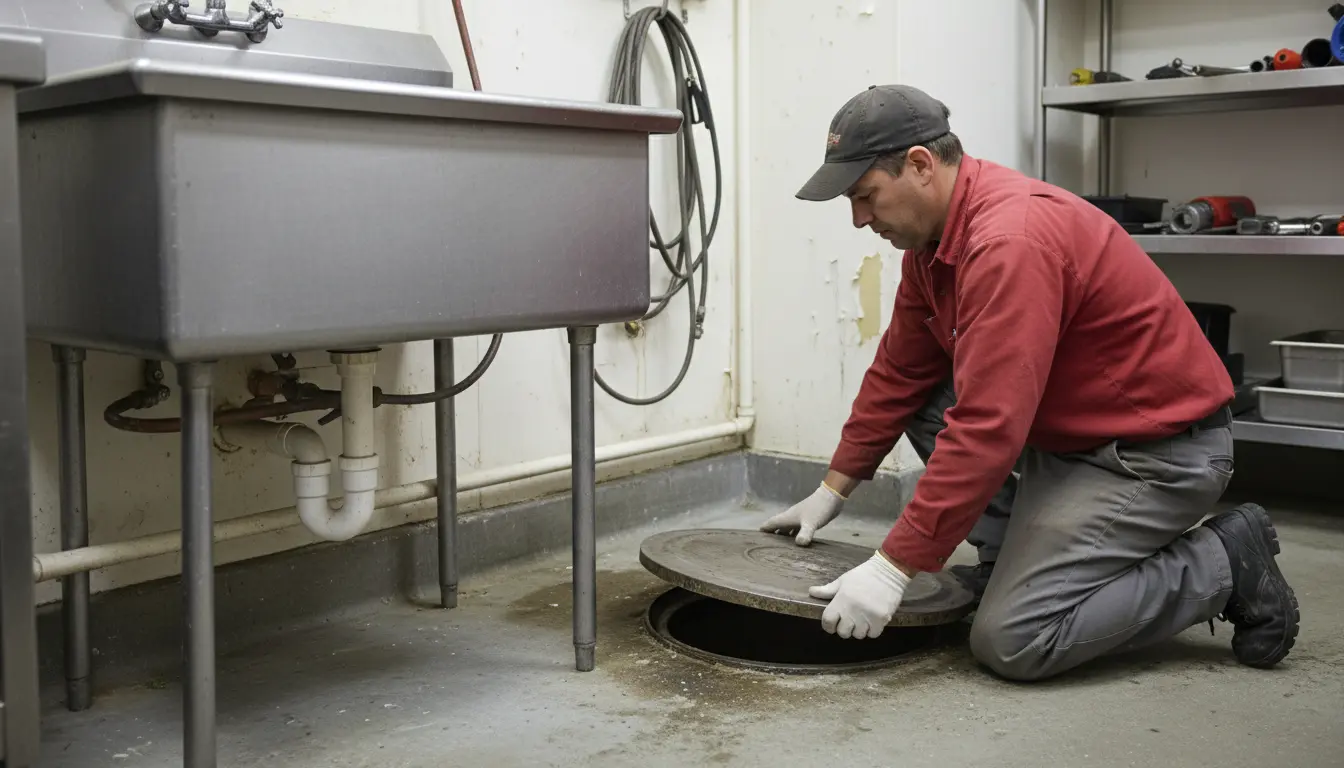
Find the Best Grease Trap Cleaning Companies for Your Business
No obligation • Fast responses • Nationwide coverage

Why you can trust Restaurant Waste Disposal
Restaurant Waste Disposal is a leading U.S. resource for comparing restaurant composting, food-waste recycling, grease trap cleaning, and used cooking oil collection services. Our editorial team researches providers, checks credentials, and organizes unbiased information so operators can make informed decisions. Companies cannot pay to change ratings or placement.
Search providers near you
Top Grease Trap Cleaning Companies in Garland, Texas Ranked
For any restaurant or food service establishment in Garland, proper grease trap and interceptor maintenance isn't just a best practice-it's a strict city requirement with significant consequences for non-compliance. The City of Garland enforces specific regulations, including the critical "25% Rule" for cleaning frequency, to prevent fats, oils, and grease (FOG) from entering the public sewer system. This process involves hiring licensed, TCEQ-certified waste haulers to pump and clean your outdoor, accessible interceptor, maintaining meticulous records, and preparing for unannounced city inspections that use a public scoring system. Understanding and adhering to these protocols is essential for avoiding severe fines, mandatory closures, and protecting local infrastructure.
Roto-Rooter Plumbing & Water Cleanup
1225 Belt Line Rd Ste 103A, Garland, TX 75040
Roto-Rooter Plumbing & Water Cleanup provides comprehensive plumbing and water cleanup services in Fort Worth, TX, specializing in both residential and commercial plumbing needs. Their offerings include sewer and drain cleaning, grease trap maintenance, water heater repair and installation, floodwater cleanup, and mold remediation. The company uses advanced equipment such as hydro-jetting for drain cleaning and offers trenchless sewer line repair methods. Serving Garland and surrounding counties, Roto-Rooter has extensive experience handling complex plumbing systems and emergency situations. They provide 24/7 emergency plumbing services to address urgent issues promptly.
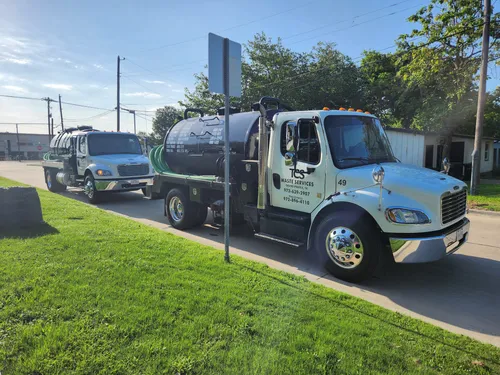
TCS Grease Trap Cleaners
Fort Worth, TX
TCS Grease Trap Cleaners provides grease trap cleaning services in Fort Worth, TX. The company focuses on customer satisfaction by treating clients as lifetime partners and seeking regular feedback to improve service quality. They offer thorough grease trap cleaning and go beyond basic expectations to ensure a positive experience.
Roto-Rooter Plumbing & Water Cleanup
3817 Conflans Rd, Irving, TX 75061
Roto-Rooter Plumbing & Water Cleanup provides comprehensive plumbing and water cleanup services in Fort Worth, TX, specializing in both residential and commercial plumbing needs. Their offerings include sewer and drain cleaning, grease trap cleaning, water heater repairs and installation, floodwater cleanup, mold remediation, and emergency plumbing services. The company uses advanced equipment such as hydro-jetting and camera inspections to address plumbing issues efficiently. Serving the Irving area and surrounding counties, Roto-Rooter has extensive experience handling complex commercial plumbing systems and offers 24/7 emergency service to address urgent plumbing problems at any time.
Roto-Rooter Plumbing & Water Cleanup
1412 Main St Ste 620, Dallas, TX 75202
Roto-Rooter Plumbing & Water Cleanup is a licensed and insured plumbing company serving Fort Worth, TX. They offer a wide range of plumbing services including drain cleaning, grease trap pumping, water heater repair and installation, sewer line inspection and repair, and water damage cleanup. The company uses advanced diagnostic tools and hydro-jetting equipment to address local plumbing challenges such as clay-heavy soil and aging systems. Roto-Rooter has been a trusted name in plumbing since 1935 and provides 24/7 emergency services to handle urgent plumbing issues at any time.
Roto-Rooter Plumbing & Water Cleanup
215 Dalton Dr C-4, DeSoto, TX 75115
Roto-Rooter Plumbing & Water Cleanup provides comprehensive plumbing and water cleanup services in Fort Worth, TX, and the surrounding areas. They handle a wide range of residential and commercial plumbing needs, including drain cleaning, sewer line repair and replacement, water heater installation and repair, grease trap maintenance, and emergency floodwater cleanup. Their team uses advanced equipment such as hydro-jetting for drain cleaning and offers 24/7 emergency plumbing services to address urgent issues like burst pipes and sewer backups. Serving DeSoto and nearby communities, Roto-Rooter has extensive experience managing complex plumbing systems and environmental challenges unique to the region.
Understanding Garland's Grease Interceptor Requirements
In Garland, any facility involved in food preparation that uses equipment like grills, fryers, dishwashers, or woks is required to have a properly sized and installed grease interceptor (commonly called a grease trap) 1. These interceptors are mandated to be located outside and must be easily accessible for cleaning and inspection by certified haulers and city officials. The city provides specific construction and equipment standards to ensure interceptors are effective, and sizing is determined based on your establishment's specific operations to handle the anticipated volume of FOG 1.
It is illegal for food service establishments to allow grease to enter the sanitary sewer system. The interceptor's sole job is to cool wastewater, allowing FOG to solidify and float and food solids to settle, separating them from the water that flows out to the city's lines 2. Without a functioning interceptor, or with one that is poorly maintained, grease escapes, cools, and hardens inside sewer pipes. This leads to costly blockages, sewer overflows, environmental damage, and can result in substantial fines for the responsible business 3.
The Golden Rule: Garland's 25% Cleaning Standard
The cornerstone of Garland's compliance protocol is the "25% Rule." This is not a suggestion but an enforceable standard. Your grease interceptor must be pumped and cleaned by a licensed hauler when the combined volume of floating grease, scum, and settled solids reaches 25% of the interceptor's liquid depth. This measurement is taken from the bottom of the tank to the invert of the outlet pipe.
- Why 25%? Once FOG and solids exceed this level, the efficiency of the interceptor drops dramatically, significantly increasing the risk of grease escaping into the sewer 4.
- Maximum Time Limit: Even if the 25% threshold isn't met, the city requires that interceptors be pumped at a minimum of every 90 days (approximately every 3 months) 5. High-volume kitchens, such as those in busy restaurants or cafeterias, will almost certainly need service more frequently-potentially every 30 to 60 days.
- Proactive Monitoring: It is the business owner's responsibility to monitor the accumulation level. Many certified service providers can help you establish a monitoring schedule and will alert you when you're approaching the 25% limit to schedule a pump-out.
Who Can Perform the Cleaning? Licensing is Non-Negotiable
You cannot simply have a staff member hose out the interceptor. Garland regulations, aligned with Texas Commission on Environmental Quality (TCEQ) standards, mandate that the full pumping, cleaning, and disposal of grease waste must be performed by a licensed, TCEQ-certified grease waste hauler. These professionals have the proper equipment, permits, and knowledge to dispose of the collected FOG at approved facilities, such as rendering plants or biodiesel producers.
While restaurant staff should perform daily best practices to minimize grease entering the drains (like scraping plates and using sink baskets), the actual removal of accumulated waste from the interceptor is a job for certified experts. Using an unlicensed service not only violates city code but also leaves you without the proper documentation needed for inspections.
The Inspection & Scoring System: Your Compliance Report Card
The City of Garland's Environmental Services department conducts unannounced inspections of food service facilities. They use a 100-point scoring system where violations result in deductions of 1 to 3 points.
- Your Score Matters: Your inspection score directly impacts how often the city will inspect you. A lower score (more violations) leads to more frequent inspections.
- Public Visibility: Your most recent inspection score must be posted prominently at the public entrance to your establishment, making compliance a matter of public record and customer perception 6.
- Common Violations: Inspectors will check for proper interceptor maintenance records, evidence of grease in outlet pipes, the physical condition and accessibility of the interceptor, and whether the 25% Rule is being followed.
Find the perfect grease trap cleaning companies for your needs
Get personalized recommendations and expert advice
Cost of Compliance: Scheduled vs. Emergency Service
Investing in regular grease trap cleaning is far less expensive than dealing with the consequences of neglect. Costs in the Garland area typically fall into two categories:
- Scheduled, Routine Pumping: For a standard outdoor grease interceptor serviced on a regular 3-6 month schedule, costs generally range from $250 to $400+ per service 7. The final price depends on the size (capacity in gallons) of your interceptor, its accessibility, and your agreed-upon service frequency with the hauler.
- Emergency Service: If your interceptor overflows or causes a sewer backup, you will need immediate service. Emergency pump-outs are significantly more expensive, often costing between $800 and $1,200 or more per call, and that's before any potential city fines are factored in 8.
For smaller, indoor grease traps (often under sinks), a one-time cleaning might range from $125 to $240, but these are supplementary to the main outdoor interceptor system 9. The key takeaway is that preventative, scheduled maintenance is the most cost-effective path.
Record Keeping: Your Proof of Compliance
When the inspector arrives, your maintenance records are your first line of defense. You are required to maintain detailed logs of all grease interceptor cleaning and waste hauling activities. These records should include:
- Date of service
- Name and TCEQ license number of the hauler company
- Volume of grease/waste removed (in gallons)
- Disposal location (the approved facility where the waste was taken)
- Signature of the hauler's representative
Keep these records on-site for a minimum of three years. Digital copies are acceptable as long as they are readily available for review during an inspection.
Building a Preventative Maintenance Strategy
A proactive approach is the best way to ensure compliance, control costs, and protect your business's reputation.
- Partner with a Certified Hauler: Establish a service contract with a reputable, TCEQ-certified grease waste hauler in the Garland area. They become your expert partner in compliance.
- Track and Monitor: Work with your hauler to understand your interceptor's fill rate. Schedule your next service before the 25% threshold is reached.
- Train Your Staff: Implement and enforce kitchen best practices. Train staff to scrape all food waste into trash bins, use sink strainers, and avoid pouring any grease down the drain 10.
- Focus on Prevention: View regular grease trap pumping not as an optional expense but as a critical, non-negotiable cost of doing business. It prevents the vastly larger expenses of emergency calls, city fines, and potential forced closure.
Frequently asked questions
Sources
Footnotes
-
Food Service Construction & Equipment Standards | Garland, TX - https://garlandarts.com/760/Food-Service-Construction-Standards ↩ ↩2
-
Grease Interceptors - Defend Your Drains North Texas - https://www.defendyourdrainsnorthtexas.com/docs/Grease_Interceptor_Guide_2015.pdf ↩
-
Grease Trap Regulations and Compliance: What You Need to ... - https://www.texwaywastewater.com/grease-trap-regulations-and-compliance/ ↩
-
Model Standards for a Grease Ordinance - https://www.tceq.texas.gov/downloads/assistance/water/wastewater/fats-oils-grease/model-standard.pdf/@@download/file/model-standard.pdf ↩
-
Pollution Prevention - Garland, TX - https://www.garlandtx.gov/DocumentCenter/View/1644/Restaurants-PDF ↩
-
Food Safety | Garland, TX - https://www.garlandtx.gov/680/Food ↩
-
Ultimate Grease Trap Pumping Cost Guide: Essential Money-Saving ... - https://www.texwaywastewater.com/grease-trap-pumping-cost/ ↩
-
The Ultimate Guide to Restaurant Grease Trap Pumping ... - https://epicseptic.com/the-ultimate-guide-to-restaurant-grease-trap-pumping-cleaning-in-central-texas/ ↩
-
Grease Trap Cleaning Prices | Guide on the Industry Average - https://grease-cycle.com/grease-trap-pumping-cost/ ↩
-
The Ultimate Guide to Restaurant Grease Trap Cleaning - https://mokherplumbing.com/ultimate-guide-restaurant-grease-trap-cleaning/ ↩