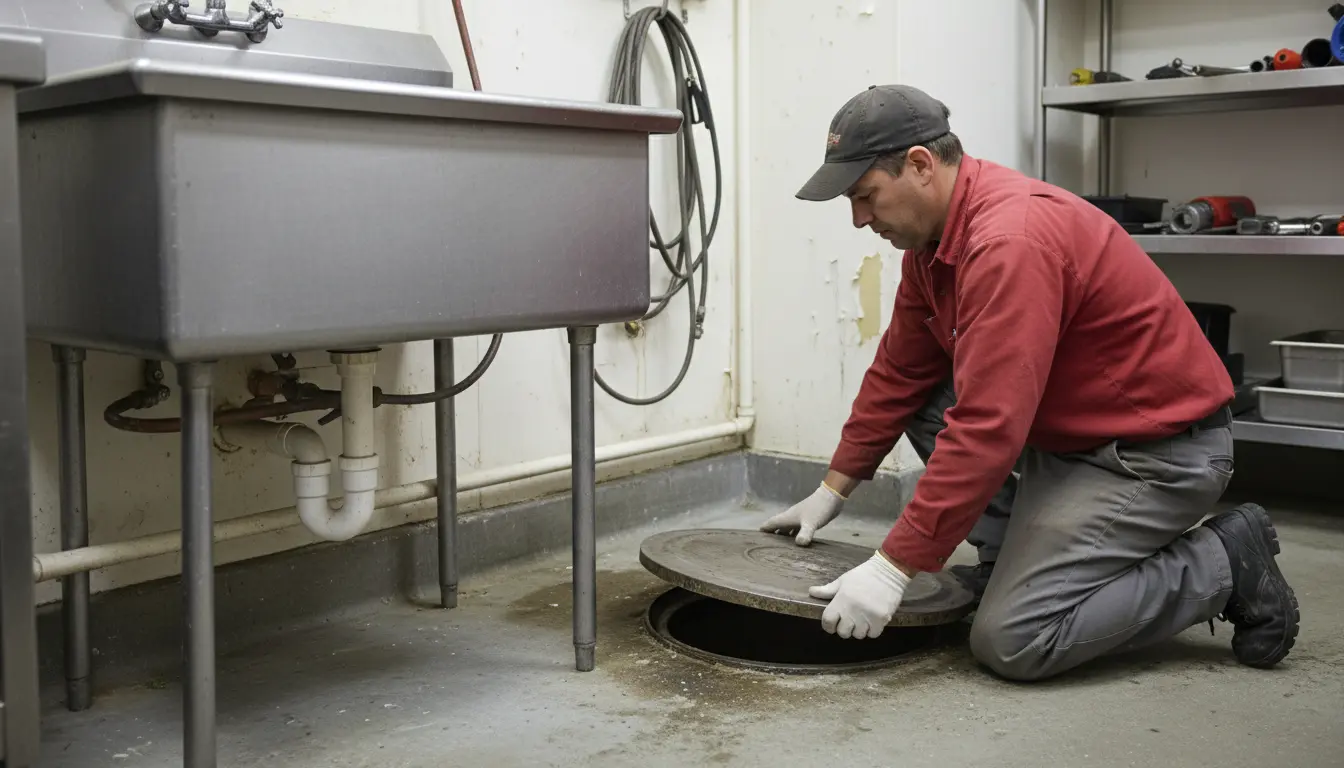
Find the Best Grease Trap Cleaning Companies for Your Business
No obligation • Fast responses • Nationwide coverage

Why you can trust Restaurant Waste Disposal
Restaurant Waste Disposal is a leading U.S. resource for comparing restaurant composting, food-waste recycling, grease trap cleaning, and used cooking oil collection services. Our editorial team researches providers, checks credentials, and organizes unbiased information so operators can make informed decisions. Companies cannot pay to change ratings or placement.
Search providers near you
Top Grease Trap Cleaning Companies in Euless, Texas Ranked
For any food service establishment in Euless, maintaining a grease trap or interceptor isn't just a good practice-it's a critical legal requirement. These systems are the first line of defense in preventing fats, oils, and grease (FOG) from entering the municipal sewer system, where they can cause costly blockages, sewer overflows, and environmental damage. Compliance with local and state regulations is mandatory, and failure to adhere can result in significant fines and operational disruptions. This guide outlines the essential knowledge for Euless restaurant owners and facility managers regarding grease interceptor maintenance, local compliance expectations, and best practices for managing this vital piece of infrastructure.
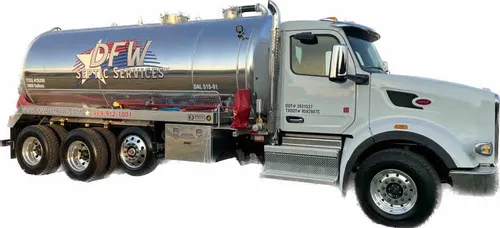
DFW Septic and Grease Services
4881 Montgomery Rd, Midlothian, TX 76065
DFW Septic and Grease Services provides septic system cleaning and grease trap maintenance for residential and commercial properties in Fort Worth, TX, and surrounding counties including Ellis, Tarrant, Dallas, Rockwall, Kaufman, Henderson, Navarro, Johnson, and Hill. They serve a variety of clients such as restaurants, cafeterias, retirement homes, schools, supermarkets, and convenience stores. Their services include onsite inspections, waste collection, and customer guidance to ensure proper system care. The company emphasizes regular septic tank pumping every three years or as needed based on usage and environmental factors.
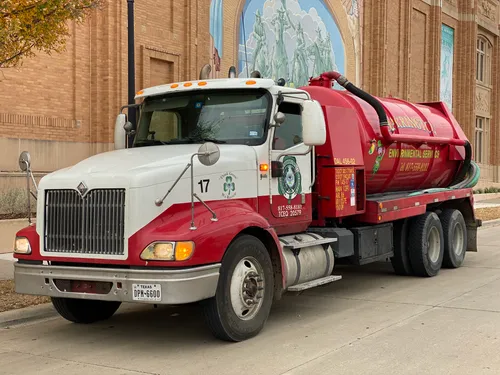
Fort Worth Grease Trap & Septic Cleaning
4015 W Vickery Blvd, Fort Worth, TX 76107
Fort Worth Grease Trap & Septic Cleaning provides grease trap and septic tank cleaning services in Fort Worth, TX. The company specializes in grease trap pumping and septic system maintenance. Recently acquired by Harrington Environmental, it continues to serve local businesses with grease trap cleaning and septic tank services.
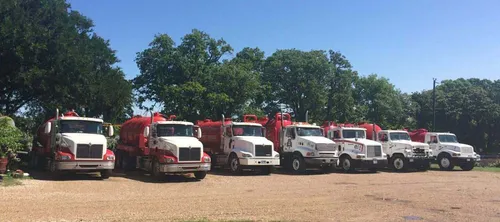
Harrington Environmental - Septic Pumping & Grease Trap Service
404 Flagstone Dr, Burleson, TX 76028
Harrington Environmental - Septic Pumping & Grease Trap Service is a full-service liquid waste company based in Fort Worth, TX. They provide a range of environmental services including aerobic septic service, grease and sand trap cleaning, grit trap service, septic tank service, and lift station pumping. The company is fully licensed and certified for the installation and maintenance of aerobic systems and serves the Dallas-Fort Worth metroplex and surrounding counties.
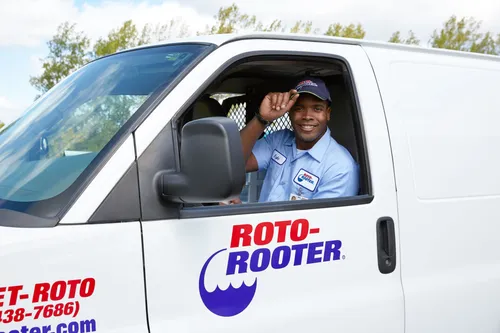
Roto-Rooter Plumbing & Water Cleanup
1225 Belt Line Rd Ste 103A, Garland, TX 75040
Roto-Rooter Plumbing & Water Cleanup provides comprehensive plumbing and water cleanup services in Fort Worth, TX, specializing in both residential and commercial plumbing needs. Their offerings include sewer and drain cleaning, grease trap maintenance, water heater repair and installation, floodwater cleanup, and mold remediation. The company uses advanced equipment such as hydro-jetting for drain cleaning and offers trenchless sewer line repair methods. Serving Garland and surrounding counties, Roto-Rooter has extensive experience handling complex plumbing systems and emergency situations. They provide 24/7 emergency plumbing services to address urgent issues promptly.
Roto-Rooter Plumbing & Water Cleanup
124 S Main St Ste 207, Burleson, TX 76028
Roto-Rooter Plumbing & Water Cleanup provides comprehensive plumbing and water cleanup services in Fort Worth, TX, and the surrounding areas including Burleson. They offer a wide range of residential and commercial plumbing solutions such as sewer and drain cleaning, water heater repair and installation, grease trap maintenance, and emergency floodwater cleanup. Their commercial services include specialized capabilities like high-pressure water jetting (hydro-jetting) and grease trap repairs. The company serves multiple nearby communities and counties, ensuring local expertise in plumbing codes and environmental conditions. Roto-Rooter is available 24/7 for emergency plumbing services, addressing urgent issues like burst pipes and sewer backups.
Understanding Local and State Regulations
Euless operates under the broader framework of Texas Commission on Environmental Quality (TCEQ) guidelines, which are often adopted and enforced at the municipal level. The city's specific requirements are detailed in its Code of Ordinances, typically within sections governing water, sewer, and public health. A core principle is that all wastewater from grease-producing activities-including sinks, dishwashers, and floor drains-must flow through a properly sized and permitted grease interceptor before entering the public sewer. It is prohibited to use solvents, emulsifiers, or enzyme-based products that attempt to dissolve grease, as these substances merely pass the problem downstream and interfere with wastewater treatment processes 1.
Key Compliance Requirements for Euless Businesses
- Interceptor Sizing and Location: Grease interceptors must be adequately sized based on your facility's water flow and grease output. They are generally required to be installed outside the building for easy access by service providers, though indoor units may be allowed in specific, approved circumstances 2.
- Pumping Frequency: The standard minimum pumping schedule is every 90 days for larger interceptors (typically over 50 gallons). Smaller grease traps may require service as often as every 30 days. However, the definitive rule is based on accumulation: interceptors must be cleaned before the combined FOG and solids layer exceeds 25% of the unit's liquid depth 3 4 5. More frequent service may be necessary for high-volume kitchens.
- Record Keeping (Manifests): You are required to keep detailed records, known as manifests or waste hauler receipts, for all pumping and cleaning services. These documents must be kept on-site for a minimum of three years and be readily available for inspection 6. They prove that a licensed professional has properly disposed of the collected waste.
- Use of Permitted Haulers: All grease waste must be removed by a hauler permitted by the local wastewater authority. In the North Texas region, many Euless service providers operate under permits issued by the City of Fort Worth or other relevant authorities.
Inspection and Enforcement: What to Expect
Compliance is actively monitored. Inspections are conducted by city officials from the Water/Sewer Department or Public Health division and can be unannounced 7. During an inspection, officials will check for:
- Proper interceptor function and visible grease accumulation levels.
- Accessibility of the interceptor for service.
- Up-to-date maintenance records and manifests.
- Any evidence of prohibited substances being used.
Enforcement actions for non-compliance can be severe. They typically start with a notice of violation and a order to correct the issue within a specified timeframe. Failure to comply can lead to substantial fines, which in some Texas jurisdictions can escalate to thousands of dollars per day until the violation is resolved 8. In extreme cases, a city can take legal action or even restrict a business's sewer connection.
Cost Factors for Grease Interceptor Service
Understanding the costs involved helps in budgeting and avoiding emergency premiums. Pricing is not standardized and varies based on several key factors 9.
- Routine Pumping/Cleaning: For a well-maintained, regularly serviced interceptor, the typical cost ranges from $250 to $400 per service 10 11. This covers the pumping of contents, basic cleaning of the tank, and proper disposal.
- Emergency or Remedial Service: If an interceptor is severely clogged, overflowing, or requires a "digest" to break up hardened grease, costs can rise dramatically to $800 to $1,200 or more 12. These situations often arise from deferred maintenance.
- Primary Cost Drivers:
- Interceptor Size: Larger tanks (e.g., 1,000+ gallons) cost more to pump than smaller ones.
- Accumulation Level: Heavy FOG and solid buildup requires more labor and time.
- Accessibility: Indoor or difficult-to-access interceptors may incur additional charges.
- Service Frequency: Contracts for regular service often offer better per-visit rates than one-off calls.
Find the perfect grease trap cleaning companies for your needs
Get personalized recommendations and expert advice
Implementing a Proactive Maintenance Plan
Reactive management of your grease interceptor is a recipe for fines and kitchen disasters. A proactive plan ensures compliance, controls costs, and protects your operations.
- Verify Local Codes: Start by contacting the Euless Water Department or Building Inspections division to obtain the exact local ordinances pertaining to fats, oils, and grease. This is the single most important step.
- Establish a Service Schedule: Based on your interceptor size and kitchen volume, work with your service provider to set a pumping schedule that meets the 25% rule. Consider quarterly service a starting point, not a guarantee.
- Use Technology: Implement simple calendar reminders or utilize facility management software to track service dates and manifest expiration. Never let your records lapse 13.
- Train Kitchen Staff: Educate your team on best practices for minimizing grease discharge. This includes scraping plates into trash bins before washing, using sink strainers, and avoiding pouring any fats or oils down the drain.
- Choose Your Provider Wisely: Hire a reputable, insured, and locally permitted grease trap cleaning service. Verify their permits and ask for references. A good provider will offer detailed manifests and can advise on optimal service frequency for your specific operation 14 15.
The Risks of Non-Compliance
Beyond the immediate financial penalty of a fine, neglecting grease interceptor maintenance poses serious risks. The most direct impact is a sanitary sewer overflow (SSO) on your property or in the public sewer line, leading to potential health hazards, property damage, and severe regulatory action. Chronic non-compliance can also lead to the buildup of grease in your own plumbing, causing persistent drain backups, foul odors, and expensive repairs that are far more costly than routine pumping. Protecting the community's wastewater infrastructure is a shared responsibility, and proper maintenance is a fundamental part of operating a responsible food service business in Euless.
Frequently asked questions
Sources
Footnotes
-
ordinance no. 2359 - https://cityofterrell.org/DocumentCenter/View/3239/Ordinance-Number-2359-PDF ↩
-
§ 51.64 LOCATION OF GREASE TRAP/INTERCEPTOR FOR ... - https://codelibrary.amlegal.com/codes/texascity/latest/texascity_tx/0-0-0-2479 ↩
-
Review of Systems for Restaurant Wastewater Pretreatment - https://www.tceq.texas.gov/assets/public/compliance/compliance_support/regulatory/ossf/FOG-report-reduced-with-reduced-appx.pdf ↩
-
Grease Trap Regulations and Maintenance - https://regrease.com/grease-trap-regulations-houston/ ↩
-
Document Viewer | Code of Ordinances - enCodePlus - https://online.encodeplus.com/regs/early-tx/doc-viewer.aspx?secid=1513 ↩
-
EXHIBIT B City of Abilene, Texas Fats, Oils, & Grease (FOG) ... - https://abilenetx.gov/DocumentCenter/View/4080/08-18-2017-Exhibit-B-City-of-Abilene-FOG-Guidelines-and-Procedures-PDF ↩
-
Fort Worth Grease Trap Maintenance: Essential Compliance ... - https://www.myshyft.com/blog/grease-trap-cleaning-fort-worth-texas/ ↩
-
Ultimate Guide To Provo Grease Trap Maintenance - myshyft.com - https://www.myshyft.com/blog/grease-trap-cleaning-provo-utah/ ↩
-
Grease Trap Regulations and Compliance: What You Need to Know - https://www.texwaywastewater.com/grease-trap-regulations-and-compliance/ ↩
-
Ultimate Grease Trap Pumping Cost Guide: Essential Money ... - https://www.texwaywastewater.com/grease-trap-pumping-cost/ ↩
-
How Much Does a Proper Grease Trap Cleaning Cost? - https://hulseyenvironmental.com/how-much-does-a-proper-grease-trap-cleaning-partner-cost/ ↩
-
Charlotte Grease Trap Cleaning: Essential Facilities Maintenance Guide - myshyft.com - https://www.myshyft.com/blog/grease-trap-cleaning-charlotte-north-carolina/ ↩
-
Dallas Grease Trap Cleaning: Essential Facility Maintenance Guide - https://www.myshyft.com/blog/grease-trap-cleaning-dallas-texas/ ↩
-
Guidance for Grease Trap Sizing and Design Criteria - https://www.fortworthtexas.gov/files/assets/public/v/1/water/documents/grease-trap-installation-guidance-doc.pdf ↩
-
The Ultimate Guide to Restaurant Grease Trap Pumping ... - https://epicseptic.com/the-ultimate-guide-to-restaurant-grease-trap-pumping-cleaning-in-central-texas/ ↩