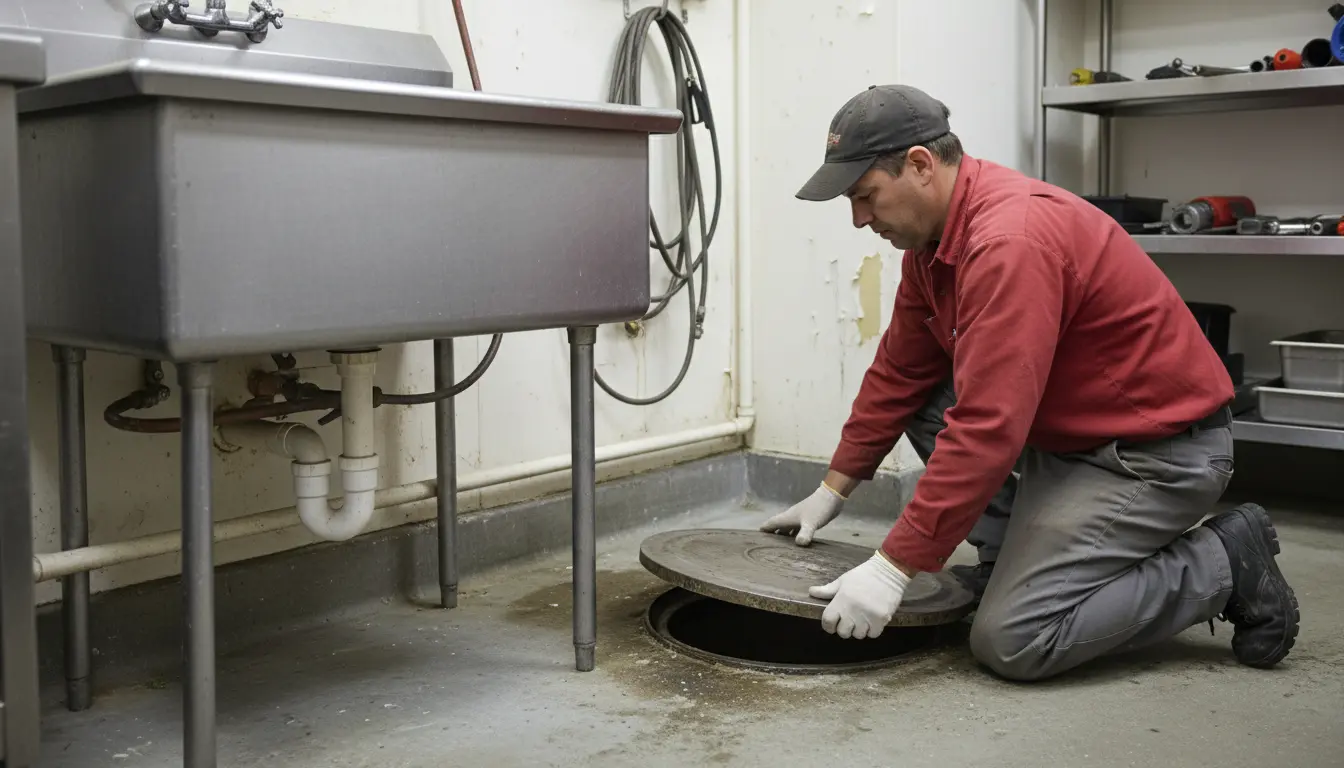
Find the Best Grease Trap Cleaning Companies for Your Business
No obligation • Fast responses • Nationwide coverage

Why you can trust Restaurant Waste Disposal
Restaurant Waste Disposal is a leading U.S. resource for comparing restaurant composting, food-waste recycling, grease trap cleaning, and used cooking oil collection services. Our editorial team researches providers, checks credentials, and organizes unbiased information so operators can make informed decisions. Companies cannot pay to change ratings or placement.
Search providers near you
Top Grease Trap Cleaning Companies in Cedar Park, Texas Ranked
For restaurant owners and food service operators in Cedar Park, maintaining a properly functioning grease trap or interceptor is a critical, non-negotiable part of daily operations. These systems are the first line of defense in preventing fats, oils, and grease (FOG) from entering the municipal sewer lines, where they can cause severe blockages, backups, and environmental damage. Compliance isn't just about avoiding fines; it's about protecting your business's plumbing, supporting community infrastructure, and upholding public health standards. In Texas, grease trap maintenance is governed by a combination of state regulations from the Texas Commission on Environmental Quality (TCEQ) and local municipal codes, which often adopt or expand upon these state standards. For Cedar Park establishments, understanding the specific service requirements, documentation, and choosing the right licensed provider is essential for smooth and compliant operations.
Septic Squad
Austin, TX
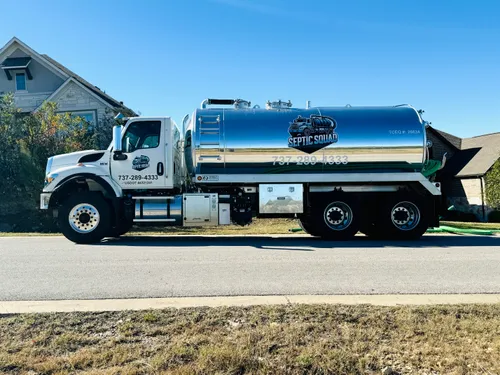
Septic Squad offers septic system and grease trap pumping services in Austin, TX. They provide full system inspections, safe pumping, and maintenance reports to help maintain septic health and prevent costly repairs. Their licensed technicians also handle grease trap cleaning with regular maintenance plans and flexible scheduling. Septic Squad serves Austin and surrounding areas including Williamson and Hays counties, covering cities like Round Rock, Cedar Park, Georgetown, Kyle, and Buda.

Zoom Drain
1700 Bryant Dr #207, Round Rock, TX 78664
Zoom Drain is a locally owned and operated company based in Austin, TX, specializing in drain and sewer cleaning services for both residential and commercial properties. They provide a range of services including drain and sewer inspections, grease trap cleaning, pump replacement, and preventive maintenance. The company is known for using advanced technology such as video inspections and hydro jetting to address clogs and pipe damage, particularly suited to Austin's unique water quality and soil conditions. Backed by a nationwide leader in drain services, Zoom Drain offers same-day and next-day service with a 30-day satisfaction guarantee.
Dolly's Pump and Dump
Austin, TX
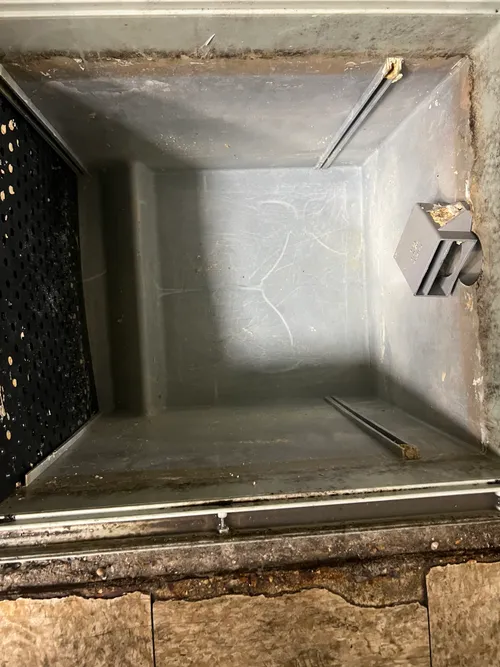
Dolly's Pump and Dump is a commercial grease trap cleaning company based in Austin, TX. They specialize in grease trap pumping services for restaurants throughout Central Texas, using experienced staff and modern equipment to handle jobs of all sizes. The company emphasizes clear communication and customer care to ensure clients feel comfortable with their service.

Sellman Septic Services
Austin, TX
Sellman Septic Services is a family-owned business serving Austin, TX, and the surrounding Hays and Travis County areas. With over 25 years of experience, they provide residential and commercial septic services including septic pumping, inspections, grease trap cleaning, and lift station pumping. Their team uses advanced equipment to maintain septic systems and grease traps, helping prevent blockages and ensuring compliance with local regulations. Sellman Septic Services is known for reliable communication and quick response, including emergency pump-out services.
A+ Septic Cleaning and Repairs
23205 Windy Valley Rd, Leander, TX 78641
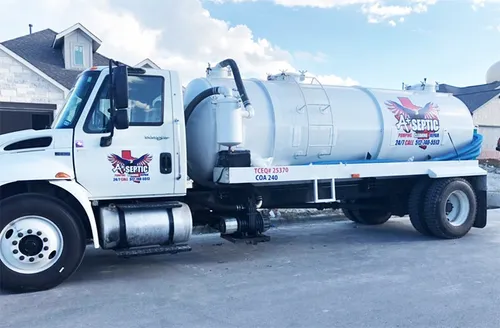
A+ Septic Cleaning and Repairs provides septic tank installation, pumping, and cleaning services in Austin, TX, and the surrounding Central Texas area. They serve residential, commercial, and municipal clients with services including grease trap cleaning, lift station pumping, grit trap cleaning, sewage pump repair, and industrial non-hazardous pumping. The company uses modern equipment and complies with Texas septic tank riser regulations. They offer 24/7 emergency service to address urgent septic needs.
Understanding Grease Interceptor Regulations in Texas
The foundation of all grease management rules in Cedar Park stems from the TCEQ. The state provides model standards that cities and counties frequently use to craft their own FOG control ordinances1. These regulations are designed to prevent sewer system overflows (SSOs), which are costly public health hazards and can lead to significant fines for the municipalities-and ultimately, the businesses found to be non-compliant.
Key state-level requirements that directly impact Cedar Park restaurants include:
- Licensed Haulers: All grease waste must be pumped and transported by a hauler certified and licensed by the TCEQ. Using an unlicensed service is a violation.
- Mandatory Manifests: Every time a grease interceptor is serviced, the hauler must provide a detailed manifest or trip ticket. This document is a legal record that tracks the waste from your business to its approved disposal or recycling facility.
- Proper Sizing and Installation: Grease interceptors must be correctly sized for your kitchen's volume and are generally required to be located outside the building with easy access for service vehicles2.
While Cedar Park may have its own specific ordinance, it will align with these core principles. It is the responsibility of the business owner to verify local requirements and ensure all maintenance activities meet both city and state standards.
The Critical Importance of Regular Pump-Outs
A grease trap is not a "set it and forget it" appliance. It's a holding tank that requires regular removal of accumulated FOG and solids. The primary goal of routine grease trap pumping is to prevent these materials from passing through the trap and into the sewer line, where they cool, solidify, and create blockages.
The consequences of neglected maintenance are severe:
- Plumbing Backups: The most immediate problem is a backup in your own kitchen drains, leading to operational shutdowns, lost revenue, and expensive emergency plumbing repairs.
- Municipal Sewer Blockages: FOG that escapes your trap contributes to blockages in the public sewer mains. If a city trace leads the blockage back to your establishment, you can be held liable for the entire cost of cleanup and remediation.
- Regulatory Penalties: Health and sanitation departments conduct inspections. Finding an overfull, malfunctioning, or unmaintained grease interceptor can result in substantial fines and, in extreme cases, mandatory closure of the business until the issue is resolved.
Scheduled cleaning is far more than a line-item expense; it's a proactive investment in your business's continuity and reputation.
How Often Should a Grease Interceptor Be Serviced?
There is no universal schedule that fits every restaurant. The required frequency of grease trap cleaning depends on your specific operations. State and local guidelines typically mandate pumping when the combined FOG and solids reach 25% to 50% of the trap's capacity3 4.
For most full-service restaurants in Cedar Park, this translates to service every 3 to 6 months. However, high-volume establishments, those with particularly greasy menus (e.g., fried chicken, barbecue), or facilities with garbage disposals connected upstream of the trap may require monthly or bi-monthly pump-outs. The only way to determine your optimal schedule is through consistent monitoring and working with your service provider, who can assess accumulation rates during each visit.
What to Expect During Professional Cleaning Service
A comprehensive service from a licensed provider involves more than just vacuuming out waste. A proper cleaning ensures the entire system functions correctly until the next service.
A standard professional service includes:
- Pumping: Using a vacuum truck, all liquid, FOG, and solid waste is completely removed from the interceptor.
- Scraping and Removal: Hardened grease cakes (scum) and settled solids (sludge) are scraped from the walls, baffles, and bottom of the tank.
- High-Pressure Rinsing: The interior is thoroughly rinsed to dislodge any remaining debris, which is then pumped out.
- Inspection: The technician should inspect the inlet and outlet tees, baffles, and lid seals for damage or wear that could affect performance.
- Documentation: You will receive the completed manifest/trip ticket, which serves as your proof of service for regulatory inspections.
This process restores the trap's full capacity and ensures it can effectively separate and capture grease from your wastewater stream.
Find the perfect grease trap cleaning companies for your needs
Get personalized recommendations and expert advice
Cost Factors for Grease Interceptor Maintenance
Understanding the cost structure helps in budgeting and evaluating service proposals. Pricing is rarely flat and is influenced by several key variables.
- Interceptor Size and Type: Larger in-ground grease interceptors (common for high-volume restaurants) cost more to pump than smaller under-sink grease traps.
- Volume of FOG: A trap that is consistently packed with heavy grease will require more labor and disposal costs.
- Accessibility: Easy, ground-level access with no obstructions (parked cars, fences, landscaping) keeps costs lower. Difficult access can significantly increase the price.
- Service Frequency: Establishing a regular, scheduled service contract is almost always more cost-effective than calling for one-time or emergency cleanings. Providers offer better rates for predictable, recurring business.
For a standard, scheduled pump-out of a typical restaurant-sized interceptor in the Cedar Park area, businesses can expect costs to generally range from $200 to $500+ per service5 6. Emergency or one-time cleanings, often needed after a neglect period or a backup, can range from $800 to $1,200 or more due to the immediate response and potentially more difficult extraction7 8.
Maintaining Compliance and Your Records
Proactive management is the best strategy. Here is a practical checklist for Cedar Park food service operators:
- Verify Local Rules: Contact the City of Cedar Park's Public Works or Utility department to confirm the specifics of their FOG control ordinance.
- Select a Licensed Provider: Only contract with a TCEQ-licensed grease waste hauler. You can verify a hauler's license status through the TCEQ website.
- Establish a Schedule: Based on your provider's recommendation, set up a regular quarterly, bi-monthly, or monthly service plan.
- Keep Impeccable Records: File every service manifest and receipt in an easily accessible location. These documents are your primary evidence of compliance during a city inspection 9.
- Train Your Staff: Educate kitchen staff on best practices like scraping plates into the trash before washing and avoiding pouring grease down any drain.
The Role of Inspections and Enforcement
Local health and sanitation departments are responsible for enforcing grease interceptor ordinances. Inspections can be routine or triggered by complaints or sewer line issues upstream from your business10.
During an inspection, officials may check for:
- Proof of recent pumping (your manifests).
- The physical condition and capacity of the interceptor.
- Proper installation and labeling.
- Any evidence of a garbage disposal improperly connected before the trap11.
Penalties for non-compliance escalate from warning notices and fines to mandatory corrective actions and potential business suspension. The cost of compliance through regular service is invariably lower than the cost of fines, emergency repairs, and operational downtime.
Frequently asked questions
Sources
Footnotes
-
Model Standards for a Grease Ordinance - https://www.tceq.texas.gov/downloads/assistance/water/wastewater/fats-oils-grease/model-standard.pdf/@@download/file/model-standard.pdf ↩
-
§ 51.64 LOCATION OF GREASE TRAP/INTERCEPTOR FOR ... - https://codelibrary.amlegal.com/codes/texascity/latest/texascity_tx/0-0-0-2479 ↩
-
The Ultimate Guide to Restaurant Grease Trap Pumping ... - https://epicseptic.com/the-ultimate-guide-to-restaurant-grease-trap-pumping-cleaning-in-central-texas/ ↩
-
Restaurant Grease Traps | Round Rock, Texas - https://www.superiorseptictx.net/restaurant-grease-traps ↩
-
Austin Grease Trap Maintenance: Essential Facilities Guide - https://www.myshyft.com/blog/grease-trap-cleaning-austin-texas/ ↩
-
Grease Trap Cleaning Prices | Guide on the Industry Average - https://grease-cycle.com/grease-trap-pumping-cost/ ↩
-
Ultimate Grease Trap Pumping Cost Guide: Essential Money-Saving ... - https://www.texwaywastewater.com/grease-trap-pumping-cost/ ↩
-
How Much Does a Proper Grease Trap Cleaning Cost? - https://hulseyenvironmental.com/how-much-does-a-proper-grease-trap-cleaning-partner-cost/ ↩
-
Caring For Your Grease Trap - AustinTexas.gov - https://www.austintexas.gov/sites/default/files/files/Water/SSD/Caring%20For%20Your%20Grease%20Trap_June%202022.pdf ↩
-
Grease Trap - Septic Pumping & Maintenance - Central Texas - https://septicpumpingburnetcounty.com/services/maintenance-contracts/grease-trap/ ↩
-
Grease Trap Inspection - InterNACHI® - https://www.nachi.org/grease-trap-inspection.htm ↩