Find the Best Used Cooking Oil Collection Companies for Your Business
No obligation • Fast responses • Nationwide coverage

Why you can trust Restaurant Waste Disposal
Restaurant Waste Disposal is a leading U.S. resource for comparing restaurant composting, food-waste recycling, grease trap cleaning, and used cooking oil collection services. Our editorial team researches providers, checks credentials, and organizes unbiased information so operators can make informed decisions. Companies cannot pay to change ratings or placement.
Search providers near you
Top Used Cooking Oil Collection Companies in Walnut Creek, California Ranked
For restaurants in Walnut Creek, managing used cooking oil (UCO) is a critical operational and environmental responsibility. Proper collection and recycling of this material not only ensures compliance with California's stringent waste regulations but also transforms a waste product into valuable resources like biodiesel. Partnering with a licensed hauler streamlines this process, helping local food service establishments avoid violations while contributing to a circular economy. This guide outlines the essential steps, local considerations, and benefits of establishing a reliable UCO management system.
San Francisco Grease Trap Cleaning
864 Ellis St #2f, San Francisco, CA 94109
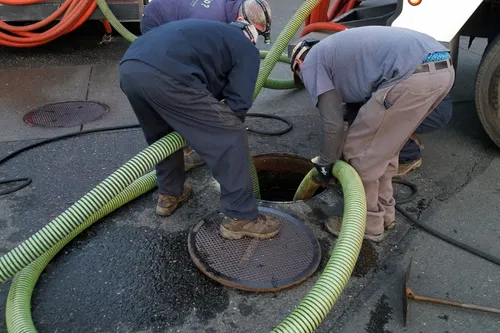
San Francisco Grease Trap Cleaning provides grease trap pumping, cleaning, and used cooking oil collection services in San Francisco, CA. They serve commercial, industrial, and manufacturing clients including restaurants, schools, and cafeterias. The company offers hydro-jetting and maintains detailed service records to ensure compliance with local health and safety codes. They recycle waste for biofuel production and dispose of non-recyclable materials responsibly. With a fleet of pump trucks and trained professionals, they accommodate various schedules to minimize business disruption. San Francisco Grease Trap Cleaning has been part of the community for years and serves surrounding areas such as Berkeley, Alameda, and Oakland.
Mahoney Environmental Restaurant Oil Recycling
3501 Collins Ave, Richmond, CA 94806
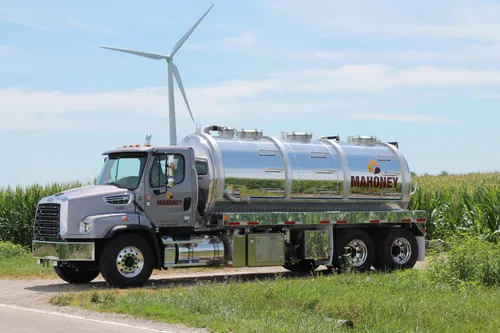
Mahoney Environmental Restaurant Oil Recycling is a used cooking oil collection company based in Oakland, CA. They specialize in collecting used cooking oil from restaurants to support environmental sustainability. The company focuses on improving both financial outcomes for clients and environmental impact through responsible oil recycling.
Understanding Local Regulations and Requirements
In California, used cooking oil is regulated to prevent environmental contamination. For Walnut Creek businesses, this means adhering to state laws and any specific guidelines from the Central Contra Costa Sanitary District (CCCSD). The core principle is that UCO must be handled separately from other wastes, particularly grease trap waste, which is more contaminated and subject to different disposal rules and higher costs. Failure to comply can result in significant fines, making it imperative for restaurant operators to understand their obligations as generators of this material.
Key regulatory points include:
- Hazardous Waste Classification: While properly handled UCO for recycling may be exempt from certain hazardous waste rules, mismanagement can lead to it being classified as hazardous, triggering complex and costly disposal requirements 1 2.
- Documentation: State law requires maintaining records of your used cooking oil collections. These manifests or invoices, provided by your hauler, serve as proof of proper recycling and are essential for regulatory audits 3.
- Local Oversight: It's advisable to check directly with the CCCSD for any local ordinances or best management practices that apply specifically to Walnut Creek food service establishments.
Best Practices for On-Site Storage and Handling
Proper on-site management is the first line of defense against spills, odors, and pests. Establishing a dedicated storage protocol protects your business and simplifies the collection process for your service provider.
Choosing the Right Containers: UCO should be stored in sturdy, non-reactive containers like dedicated metal or plastic drums designed for this purpose. Containers must be leak-proof and equipped with tight-sealing lids to prevent spills and keep out rainwater, which can complicate recycling. Clearly label all containers with "Used Cooking Oil" to avoid confusion with other liquids.
Designating a Storage Area: Set up a consistent, accessible storage location for full containers, preferably on a paved surface. This area should be away from storm drains, customer pathways, and any source of ignition. Keeping the area clean and free of spilled oil minimizes slip hazards and deters rodents and insects.
The Critical Separation Rule: One of the most important rules is to never mix used fryer oil with waste from grease interceptors or traps. Grease trap waste contains water, food solids, and detergents, making it much more expensive to process. Mixing the two can contaminate a batch of otherwise recyclable UCO, potentially turning it into a cost liability instead of a commodity 4 5.
The Collection and Recycling Process
Professional used cooking oil collection services handle the logistics of transporting UCO from your restaurant to a recycling facility. This service is typically provided on a scheduled basis, with frequency determined by your oil usage volume.
How Pickup Works: A licensed hauler will arrive on your scheduled day to pump or swap out your full containers. Reputable providers ensure a clean and efficient process, minimizing disruption to your operations. They provide the necessary documentation for your records upon each collection.
From Waste to Resource: Once collected, the used cooking oil is taken to a processing facility. There, it is cleaned and refined to become a feedstock for the production of biodiesel, a renewable fuel, or other industrial products like animal feed supplements or oleochemicals. This recycling loop reduces reliance on fossil fuels and gives your restaurant's waste a productive second life.
Find the perfect used cooking oil collection companies for your needs
Get personalized recommendations and expert advice
Evaluating Service Providers and Cost Structures
Selecting the right used cooking oil collection partner is crucial. Look for a licensed, insured, and reputable hauler with experience serving the Contra Costa County area. Providers should be transparent about their service agreements, safety records, and recycling endpoints.
Cost models can vary. Some arrangements are based purely on service fees, while others may offer rebates or shared revenue models for establishments that generate large, consistent volumes of high-quality, uncontaminated oil 6. It's important to get clear details on all potential fees, including any charges for extra pickups or cleanup, and to understand the terms of your service contract.
Questions to Ask Potential Providers:
- Are you licensed and insured to operate in Walnut Creek?
- What is your scheduled pickup frequency, and what is the process for emergency service?
- Can you provide references from other local restaurants?
- Where is the oil taken for recycling, and can you provide documentation of its end use?
- What is the complete fee structure or rebate potential for my volume?
Benefits Beyond Compliance
Implementing a professional used cooking oil collection system offers advantages that extend far beyond mere regulatory compliance.
- Environmental Stewardship: Recycling UCO into biodiesel significantly lowers greenhouse gas emissions compared to petroleum-based diesel, allowing your restaurant to reduce its carbon footprint.
- Operational Safety and Cleanliness: Regular, professional pickups eliminate the hazards of storing large quantities of oil, reducing fire risk and preventing pest infestations associated with improper storage.
- Positive Brand Image: Consumers increasingly support businesses with demonstrated environmental responsibility. Promoting your UCO recycling efforts can enhance your restaurant's reputation in the Walnut Creek community.
- Potential Cost Offset: While not always guaranteed, the commodity value of clean UCO can sometimes offset service costs, turning a waste expense into a neutral or even positive financial line item 7.
Frequently asked questions
Sources
Footnotes
-
Restaurant Pollution Prevention - Union Sanitary District - CA.gov - https://unionsanitary.ca.gov/businesses/restaurant-program/restaurant-pollution-prevention/ ↩
-
Used Oil Generator Requirements - https://www.smchealth.org/sites/main/files/file-attachments/usedoilforgenerators.pdf?1498660561 ↩
-
Cal. Code Regs. Tit. 3, § 1180.24 - Requirements to Document and ... - https://www.law.cornell.edu/regulations/california/3-CCR-1180.24 ↩
-
Used Cooking Oil (UCO) Collection Service For Restaurants - https://thegreasecompany.com/blog/restaurant-used-cooking-oil-collection/ ↩
-
Used Cooking Oil Collection / Pick Up & Recycling. - https://greasemanagement.org/usedoilcollection.html ↩
-
Used Cooking Oil Collection & Recycling - North Bay Restaurant Services - https://northbayrestaurantservices.com/used-cooking-oil-collection-recycling-bay-area/ ↩
-
Used Cooking Oil Pickup vs Drop-Off-What's Best for Restaurants? - https://www.greaseprosrecycling.com/used-cooking-oil-pickup-vs-drop-off/ ↩