
Find the Best Used Cooking Oil Collection Companies for Your Business
No obligation • Fast responses • Nationwide coverage

Why you can trust Restaurant Waste Disposal
Restaurant Waste Disposal is a leading U.S. resource for comparing restaurant composting, food-waste recycling, grease trap cleaning, and used cooking oil collection services. Our editorial team researches providers, checks credentials, and organizes unbiased information so operators can make informed decisions. Companies cannot pay to change ratings or placement.
Search providers near you
Top Used Cooking Oil Collection Companies in Union City, California Ranked
For restaurants and food service establishments in Union City, managing used cooking oil (UCO) is a critical operational and environmental responsibility. Proper collection and recycling of this material are not just about cleanliness; they are mandated by local and state regulations designed to protect sewer infrastructure and advance California's ambitious recycling goals. Navigating the options for grease trap cleaning and oil recycling services requires understanding the rules, the available service models, and the potential costs involved to ensure compliance and operational efficiency.
Understanding Local FOG Regulations
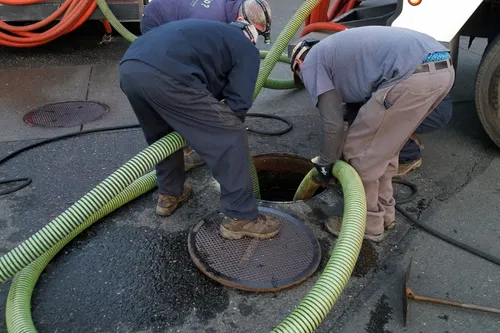
The Union Sanitary District (USD), which serves Union City, enforces strict Fats, Oils, and Grease (FOG) regulations. These rules are essential for preventing costly and unsanitary sewer line blockages and backups, which can lead to significant fines and environmental damage. All food service establishments (FSEs) must adhere to these guidelines, which form the foundation of any used oil management plan.
Key requirements include:
- Using Licensed Haulers: All used cooking oil and grease trap waste must be collected by a licensed hauler or transported to an approved recycling facility. Illegal disposal down sinks, drains, or onto the ground is prohibited and can result in severe penalties.
- Proper Storage: Grease and oil must be stored in secure, leak-proof containers like barrels, drums, or tanks. These containers must be well-maintained to prevent spills and unauthorized access 1.
- Grease Removal Devices: Most establishments are required to install and maintain grease interceptors or traps. Following best management practices for these devices is a core part of the USD's restaurant program.
Compliance with California State Law (SB 1383)
Beyond local sewer rules, Union City businesses must comply with California's Senate Bill 1383. This statewide organics recycling law aims to dramatically reduce landfill disposal of organic waste, including food scraps and food-soiled paper. Used cooking oil and grease are considered recoverable organic materials under this law 2. Proper separation and recycling of these substances help the city and state meet diversion targets and reduce greenhouse gas emissions from landfills. Partnering with a certified recycler ensures your establishment is contributing to these environmental goals while staying on the right side of the law.
The Collection and Recycling Process
A typical used fryer oil collection service follows a streamlined process:
- Accumulation: Staff collect cooled UCO in approved, dedicated containers provided or specified by the hauler.
- Scheduled Pickup: Licensed haulers arrange regular pickups-often weekly, bi-weekly, or monthly-based on the volume your kitchen generates.
- Transport & Recycling: The hauler transports the collected oil to a processing facility. There, it is recycled into valuable products like biodiesel fuel, animal feed supplements, or industrial ingredients, keeping it out of the waste stream 3.
Grease trap waste collection is a separate, often more complex service. This material is more acidic and contains solids, requiring specialized handling. It is typically a paid service, as the recycling options are different from pure cooking oil.
Evaluating Service Models and Costs
Understanding the financial model behind grease collection services is crucial. The advertised price isn't always the full story.
- "Free" Collection Services: Some providers offer to pick up used cooking oil at no direct charge because they profit from selling the recycled commodity (e.g., biodiesel). However, this model can include hidden costs such as monthly or annual rental fees for the storage container and transfer pump, which can range significantly 4. The rebate paid to the restaurant for the oil may also be lower or non-existent compared to other models.
- Paid or Rebate-Based Services: Other models involve a clear service fee for collection. In some cases, businesses might pay for the pickup but receive a rebate if their oil is of high quality and quantity. Grease trap waste service is almost always a paid undertaking due to the processing complexity 5 6.
- Cost Factors: Your monthly or annual cost can vary from free (with potential equipment rentals) to hundreds of dollars, depending on your oil volume, the type of containers used, the frequency of service, and the specific hauler's pricing structure. Total costs for equipment rentals can range from $30 to over $600 annually 7.
Find the perfect used cooking oil collection companies for your needs
Get personalized recommendations and expert advice
Best Practices for Restaurant Managers
Implementing a proactive oil management plan minimizes risks and can optimize service value.
- Train Your Staff: Ensure all kitchen employees understand how to properly dispose of cooled oil and grease, and the importance of never pouring it down drains.
- Maintain Your Equipment: Regularly inspect and clean your grease storage containers and interceptors. Keep detailed maintenance logs as required by the USD 8.
- Audit Your Service: Periodically review your collection service agreement. Understand all fees, the rebate structure (if any), and the hauler's licensing status. Compare services to ensure you have the right fit for your establishment's needs and volume.
- Secure Your Oil: Place collection containers in a secure area to prevent theft or tampering, which can be a concern due to the value of recycled oil.
Choosing the right partner for your used cooking oil and grease trap waste needs is a significant decision. It affects your bottom line, your operational workflow, and your compliance standing with local and state authorities.
Frequently asked questions
Sources
Footnotes
-
Southern California Commercial Kitchen Cooking Oil recycling ... - https://thegreasecompany.com/blog/how-the-grease-is-protecting-you-by-recycling-cooking-oil/2/ ↩
-
Recycle Collection Program | Union City, CA - https://www.unioncity.org/330/Recycle ↩
-
Used Cooking Oil Pickup vs Drop-Off-What's Best for Restaurants? - https://www.greaseprosrecycling.com/used-cooking-oil-pickup-vs-drop-off/ ↩
-
Restaurant Services FAQs - https://www.grandnaturalinc.com/restaurant-services-faqs.html ↩
-
Fats, Oils, and Grease - Union Sanitary District | Serving Fremont, Newark and Union City, California. - https://unionsanitary.ca.gov/businesses/restaurant-program/fats-oils-and-grease/ ↩
-
Used Cooking Oil Collection / Pick Up & Recycling. - https://greasemanagement.org/usedoilcollection.html ↩
-
Why "Free" Used Cooking Oil Collection Can Cost More Than Paid ... - https://greaseconnections.com/free-used-oil-pickup-cost-trap/ ↩
-
Restaurant Pollution Prevention - Union Sanitary District - CA.gov - https://unionsanitary.ca.gov/businesses/restaurant-program/restaurant-pollution-prevention/ ↩