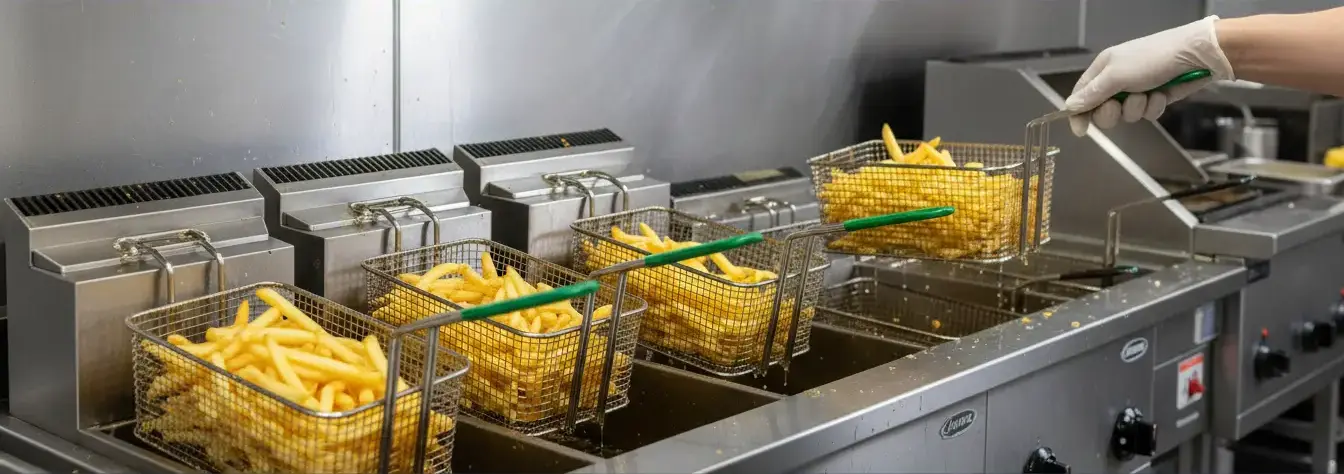
Find the Best Used Cooking Oil Collection Companies for Your Business
No obligation • Fast responses • Nationwide coverage

Why you can trust Restaurant Waste Disposal
Restaurant Waste Disposal is a leading U.S. resource for comparing restaurant composting, food-waste recycling, grease trap cleaning, and used cooking oil collection services. Our editorial team researches providers, checks credentials, and organizes unbiased information so operators can make informed decisions. Companies cannot pay to change ratings or placement.
Search providers near you
Top Used Cooking Oil Collection Companies in Tracy, California Ranked
For restaurants in Tracy, proper management of used cooking oil (UCO) is a critical operational and environmental responsibility. Adhering to local and state regulations not only prevents costly fines but also transforms a waste product into valuable resources like biodiesel. The process involves secure storage, working with licensed haulers, and maintaining proper documentation to ensure compliance with California's strict environmental laws. This guide outlines the essential steps, legal requirements, and potential financial implications for food service establishments in Tracy managing their grease and oil waste.
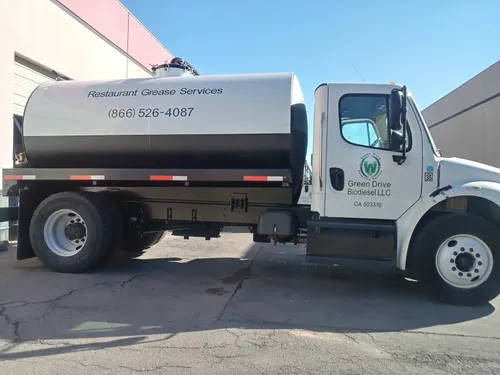
Green Drive Biodiesel LLC
252 W Larch Rd Suit G, Tracy, CA 95304
Green Drive Biodiesel LLC is a company based in Stockton, CA, specializing in used cooking oil collection and grease trap cleaning. They serve food vendors by providing containers for waste cooking oil and managing grease trap maintenance. Their services focus on environmentally responsible disposal and recycling of cooking waste.
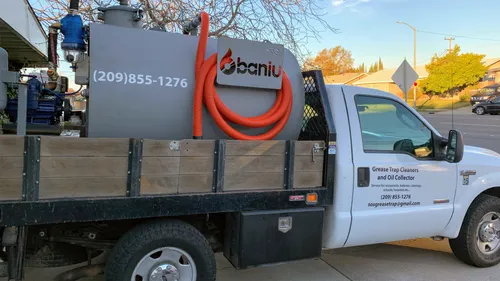
Grease Trap Cleaners and Oil Collector
722 Katlin Ct, Tracy, CA 95376
Grease Trap Cleaners and Oil Collector provides grease trap cleaning and used cooking oil collection services in San Jose, CA. The company specializes in maintaining grease traps and safely collecting used cooking oil to support proper waste management and recycling efforts.
Local Regulations for Oil and Grease Disposal
Tracy restaurants must comply with specific rules set by the City of Tracy Utilities Department and the California Department of Water Resources to protect the municipal sewer system. Improper disposal of fats, oils, and grease (FOG) is a leading cause of sewer blockages and overflows, leading to significant environmental damage and hefty penalties for businesses 1.
Key local requirements include:
- Use of Licensed Haulers: All used cooking oil must be collected by a state-registered, licensed Inedible Kitchen Grease (IKG) hauler. It is illegal to dispose of UCO with general trash or pour it down any drain.
- Grease Interceptor Maintenance: Food service establishments are required to have properly sized and maintained grease interceptors (or grease traps). These devices capture grease before it enters the wastewater stream and must be cleaned regularly to remain effective.
- Secure Storage Protocols: Used oil must be stored in dedicated, tightly sealed, and leak-proof containers. These containers should be kept in a secure area, away from public access and storm drains, to prevent spills, contamination, and theft.
- Documentation and Record-Keeping: Businesses must obtain and keep manifests or receipts from their hauler for every pickup. This paperwork is proof of legal disposal and is crucial during compliance inspections.
The Step-by-Step Collection and Recycling Process
Understanding the journey of your used cooking oil from fryer to fuel demystifies the service and highlights its benefits. A streamlined process ensures efficiency and compliance.
1. On-Site Handling and Storage After cooking oil has cooled, kitchen staff should carefully transfer it from fryers and equipment into designated collection containers. These are often provided by your hauler and are designed to be secure and easy to handle. It's vital to avoid contaminating the oil with large amounts of food debris or water, as this can affect its value and recyclability 2.
2. Scheduled Pickup by a Licensed Hauler Your contracted IKG hauler will collect the sealed containers on a pre-arranged schedule-whether weekly, bi-weekly, or as needed based on your volume. The hauler will transport the oil using licensed vehicles to a certified processing facility.
3. Transformation into New Products At the recycling facility, the used cooking oil is cleaned and processed. The primary end product is biodiesel, a renewable fuel that reduces reliance on fossil fuels. UCO can also be refined into ingredients for animal feed, soaps, and other industrial products, ensuring nothing goes to waste.
4. Verification and Compliance Following the pickup, your restaurant should receive a documentation manifest from the hauler. This document tracks the chain of custody, verifying that the oil was transported legally and delivered to a certified recycling operation. Maintaining these records is a key part of your regulatory compliance 3.
Find the perfect used cooking oil collection companies for your needs
Get personalized recommendations and expert advice
Financial Considerations: Costs, Revenue, and Penalties
The financial model for used cooking oil collection isn't one-size-fits-all; it can represent a cost, break even, or even generate modest revenue for a restaurant, depending on oil quality and market conditions.
- Potential for Revenue: Restaurants with high volumes of clean, well-filtered used cooking oil may receive payment from their hauler. Prices fluctuate with the commodities market but have historically ranged from approximately $0.10 to over $0.65 per gallon 4 5. Payment acts as a rebate for providing a high-quality raw material for biofuel.
- Understanding Service Costs: If your oil volume is low or the quality is poor (highly contaminated with water or food solids), haulers may charge a fee for collection and disposal. These fees can vary widely and may be structured per gallon, per pickup, or as a monthly service charge 6. Some providers offer free pickup for smaller accounts as part of a bundled service.
- The High Cost of Non-Compliance: The most significant financial risk is non-compliance. Fines for illegally dumping grease and oil down drains or into the sewer system can be substantial, often reaching thousands of dollars, far outweighing any collection cost or lost revenue from recycling 7. Proper management is always the most economical choice.
Best Practices for Tracy Restaurants
To ensure a smooth, compliant, and potentially profitable oil collection program, Tracy food service operators should adopt these best practices.
Selecting a Service Provider: Do not choose a hauler based on price alone. Verify their California IKG hauler license and ensure they provide proper documentation (manifests) with each pickup. Ask for references from other local restaurants and clarify their policies on container provision, scheduling flexibility, and pricing structure for your specific oil quality and volume 8 9.
Maximizing Oil Value and Safety: Implement kitchen protocols to strain oil after each use to remove food particles. Allow oil to cool completely before transferring it to storage containers. Ensure storage containers are clearly labeled, kept locked or in a secure area, and placed on a spill containment pallet if possible. Never mix used cooking oil with other liquids like water or cleaning solvents 10 11.
Staying Proactive with Compliance: Designate a staff member to be responsible for grease management. Maintain a dedicated file for all hauler manifests and interceptor cleaning receipts. Schedule regular maintenance for your grease trap or interceptor with a licensed service. Proactively contact the City of Tracy Utilities Department if you have any questions about local requirements or need a list of registered haulers.
Frequently asked questions
Sources
Footnotes
-
Proper Disposal of Fats, Oils, and Grease - https://www.bwsc.org/sites/default/files/2019-01/currents_2016_6_nov_dec.pdf ↩
-
How to dispose of or recycle Cooking Oil - Default V2 - Oceanside, CA - https://www.ci.oceanside.ca.us/government/water-utilities/environmental-services-programs/zero-waste-program/for-residents#!rc-cpage=757820 ↩
-
What Does The California Law Say About Used Cooking Oil ... - https://www.grandnatural.com/blog/what-does-the-california-law-say-about-used-cooking-oil-disposal.html ↩
-
Restaurant Used Cooking Oil: Disposal, Recycling & Revenue Guide - https://greaseconnections.com/restaurant-used-cooking-oil-disposal-recycling-revenue-guide/ ↩
-
Used Cooking Oil Pricing & Business Guide - Grease Connections - https://greaseconnections.com/used-cooking-oil-pricing-guide/ ↩
-
Used Cooking Oil Collection / Pick Up & Recycling. - https://greasemanagement.org/usedoilcollection.html ↩
-
What Restaurants Should Know About California Oil Disposal ... - https://startgreencommodities.com/post/restaurant-grease-trap-requirements ↩
-
Cooking Oil Collection & Grease Recycling Service - https://thegreasecompany.com/oilcollection.html ↩
-
Food Service Establishments | City of Tracy, CA - https://www.cityoftracy.org/our-city/departments/utilities/environmental-compliance/food-service-establishments ↩
-
Restaurant Oil Disposal: Explained - Eazy Grease - https://eazygrease.com/how-do-restaurants-get-rid-of-their-oil/ ↩
-
Used Cooking Oil (UCO) Collection Service For Restaurants - https://thegreasecompany.com/blog/restaurant-used-cooking-oil-collection/ ↩