
Find the Best Used Cooking Oil Collection Companies for Your Business
No obligation • Fast responses • Nationwide coverage

Why you can trust Restaurant Waste Disposal
Restaurant Waste Disposal is a leading U.S. resource for comparing restaurant composting, food-waste recycling, grease trap cleaning, and used cooking oil collection services. Our editorial team researches providers, checks credentials, and organizes unbiased information so operators can make informed decisions. Companies cannot pay to change ratings or placement.
Search providers near you
Top Used Cooking Oil Collection Companies in Temecula, California Ranked
For restaurants in Temecula, managing used cooking oil (UCO) is a critical operational and environmental responsibility. Proper grease collection and recycling are not only mandated by California law but also present an opportunity to contribute to a circular economy, potentially turning a waste product into a revenue stream. Navigating the requirements involves understanding local regulations, partnering with licensed haulers, and implementing proper on-site storage practices to ensure compliance and maximize the benefits of oil recycling programs.
Understanding California's Mandatory Recycling Laws
California's Senate Bill 1383 (SB 1383) sets forth ambitious organic waste recycling goals, directly impacting food service establishments in Temecula. This law classifies most restaurants as Tier 2 commercial organic waste generators, requiring them to arrange for the recycling of their organic materials, which includes used fryer oil and grease trap waste.
- Compliance Deadline: The requirement for businesses to have organics recycling services, including used cooking oil pickup, was formally enacted on January 1, 2024.
- Landfill Diversion: The core goal is to drastically reduce the amount of organic material sent to landfills, where it decomposes and produces methane, a potent greenhouse gas.
- Documentation: Businesses must maintain records, such as service agreements or hauling manifests, to prove proper recycling and disposal of their used oil and other organics.
Failing to comply with these regulations can result in warnings and potential fines. Therefore, establishing a reliable relationship with a certified grease collection service is a fundamental step for restaurant operators.
The Role of Licensed Grease Haulers
In Temecula, you cannot simply dispose of used vegetable oil with regular trash or pour it down a drain. Collection must be handled by professionals. State and county regulations require that used cooking oil be collected only by licensed, permitted haulers.
- Permitted Transport: These companies hold the necessary permits to transport hazardous materials (like large volumes of grease) and operate certified recycling facilities.
- Self-Transport Limitations: While individuals can take small quantities of household oil to designated centers, commercial generators like restaurants typically cannot self-haul large volumes without obtaining specific, costly permits themselves1.
- Assurance of Proper Recycling: Using a licensed hauler provides the documentation trail required by SB 1383 and ensures the oil is processed correctly into new products like biodiesel, rather than being dumped illegally.
Partnering with a licensed provider is the safest and most compliant path for your business.
Best Practices for On-Site Oil Storage & Handling
Proper handling begins in your kitchen. Implementing correct storage procedures protects your facility, satisfies health inspectors, and ensures the oil maintains its value for recycling.
- Use Dedicated Containers: Always transfer cooled used oil into dedicated, leak-proof containers provided by or approved by your collection service. These are typically sealable drums or barrels designed for grease 2.
- Prevent Contamination: Keep oil as free from large food solids as possible. While some filtering is normal, excessive food debris and water can degrade the oil's quality, reducing its recycling value and potentially leading to lower rebates or higher service fees.
- Secure and Label Storage: Store containers in a designated area, clearly labeled "Used Cooking Oil," and away from storm drains, sinks, or any water sources to prevent accidental spills from causing environmental damage.
- Integrate with Grease Trap Maintenance: Many licensed grease collection companies also offer grease trap cleaning services. Coordinating these services can streamline waste management and ensure all fat, oil, and grease (FOG) is handled professionally.
Find the perfect used cooking oil collection companies for your needs
Get personalized recommendations and expert advice
The Journey from Fryer to Fuel: The Recycling Process
Ever wonder what happens to your used fryer oil after it's picked up? The recycling process transforms this kitchen byproduct into valuable resources, closing the loop in a sustainable cycle.
- Collection: Kitchen staff pour cooled oil from fryers into the dedicated collection container.
- Pickup: On a scheduled basis (weekly, bi-weekly, or monthly), your licensed hauler arrives to pump out or swap the full containers.
- Transportation & Processing: The oil is transported to a recycling facility. There, it is heated and put through a series of filters and centrifuges to remove water, food particles, and other impurities.
- Conversion into Products: The cleaned "yellow grease" is now a raw material. Its primary destination is a biodiesel refinery, where it is chemically processed into renewable diesel fuel. It can also be used in the production of animal feed, cosmetics, and industrial lubricants.
This process ensures that every gallon of oil you recycle is diverted from landfills and given a new, productive life.
Understanding Costs and Potential Revenue
The financial model for used cooking oil collection in Temecula is typically volume-based. Whether you pay for the service, receive it for free, or even earn money depends on the quantity and quality of oil you generate.
- Free Pickup Services: It is common for restaurants generating a substantial volume-often around 100 gallons per month or more-to receive free scheduled pickups. The hauler's revenue comes from selling the recycled oil to processors.
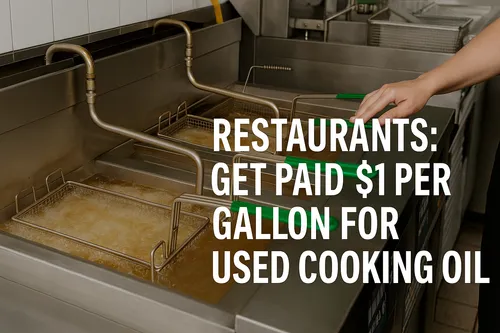
- Rebates and Revenue Sharing: For establishments with very high output of clean, well-filtered oil, some services offer rebate programs. Payments can range from $0.10 to over $0.65 per gallon, turning your UCO into a minor revenue stream3 4.
- Potential Service Fees: Smaller-volume generators, such as a new cafe or a catering operation with infrequent frying, may encounter a fee for pickup service. However, if the oil is of good quality, this fee is often minimal or waived, as the collected oil still holds value for the hauler 5.
- Getting a Quote: The best way to understand your specific cost structure is to get a tailored assessment. Providers will evaluate your expected monthly gallonage, oil quality, and service frequency needs to provide a clear quote 6.
Action Step: To ensure compliance and explore your options, contact established local or regional providers such as Grand Natural Inc., Grease Connections, or The Grease Company for a consultation and service quote. You can also reach out to CR&R, Temecula's franchised waste and recycling hauler, for guidance on compliant organic waste services7.
Environmental and Community Benefits
Choosing professional grease recycling extends benefits far beyond your restaurant's back door. It's a direct contribution to regional and global sustainability efforts.
- Renewable Energy Production: Biodiesel made from recycled cooking oil burns cleaner than petroleum diesel, reducing greenhouse gas emissions and particulate matter pollution.
- Protecting Infrastructure: Proper collection prevents oil from being poured down drains, which is a leading cause of sewer line blockages and costly "fatbergs" that municipalities must address8 9.
- Waterway Protection: Keeping grease out of the waste stream prevents it from contaminating local waterways and soil, protecting Temecula's natural environment10 11.
- Conserving Resources: Recycling oil reduces the demand for virgin vegetable oils and fossil fuels, promoting a more efficient and circular economy12.
Frequently asked questions
Sources
Footnotes
-
FAQs • Customer Access to Recycling - AB 827 - Temecula CA - https://temeculaca.gov/Faq.aspx?QID=228 ↩
-
Cooking Oils & Grease - Recology - https://www.recology.com/faq/cleanscapes-cooking-oil-can-dispose-kitchen-oils-grease/ ↩
-
Used Cooking Oil Disposal: Complete Guide to Grease Pickups - https://greaseconnections.com/used-cooking-oil-disposal-guide-grease-pickups/ ↩
-
Turn Fryer Grease into Cash: Live 2025 UCO Prices & Pick-Ups - https://greaseconnections.com/can-you-sell-grease-for-money/ ↩
-
Restaurant Used Cooking Oil: Disposal, Recycling & Revenue Guide - https://greaseconnections.com/restaurant-used-cooking-oil-disposal-recycling-revenue-guide/ ↩
-
Used Cooking Oil Collection Temecula - https://www.grandnaturalinc.com/locations/used-cooking-oil-recycling-in-temecula.html ↩
-
SB1383 Implementation - Temecula CA - https://temeculaca.gov/1602/SB1383-Implementation ↩
-
What Restaurants Should Know About California Oil Disposal ... - https://startgreencommodities.com/post/restaurant-grease-trap-requirements ↩
-
Southern California Commercial Kitchen Cooking Oil recycling ... - https://thegreasecompany.com/blog/how-the-grease-is-protecting-you-by-recycling-cooking-oil/2/ ↩
-
Used Cooking Oil Collection / Pick Up & Recycling. - https://greasemanagement.org/usedoilcollection.html ↩
-
FAQs for Used Oil Collection Centers - https://dtsc.ca.gov/faqs-for-used-oil-collection-centers/ ↩
-
Used Cooking Oil Recycling for Commercial Businesses - Rubicon - https://www.rubicon.com/blog/used-cooking-oil-recycling/ ↩