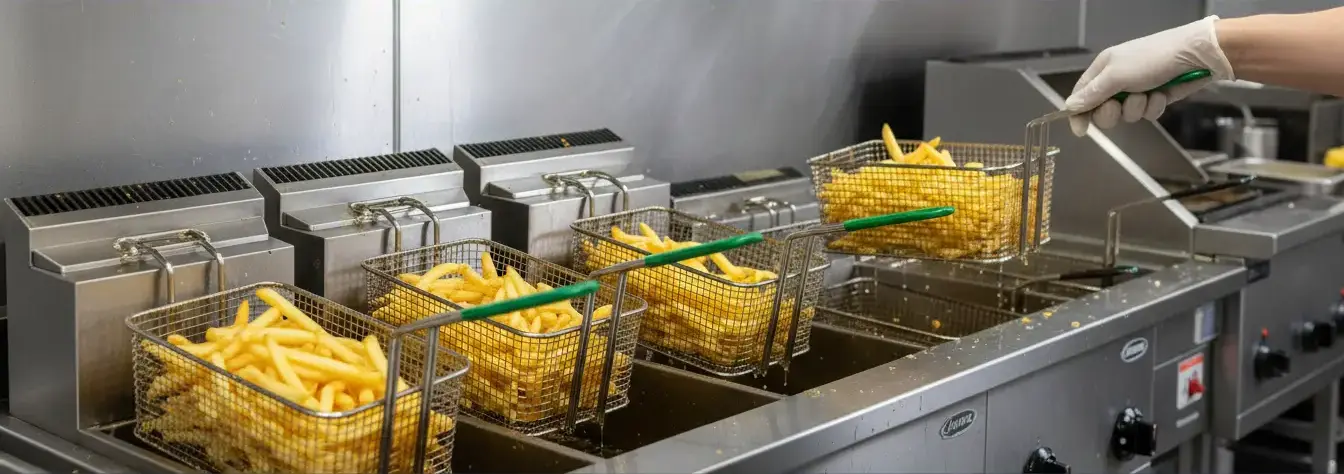
Find the Best Used Cooking Oil Collection Companies for Your Business
No obligation • Fast responses • Nationwide coverage

Why you can trust Restaurant Waste Disposal
Restaurant Waste Disposal is a leading U.S. resource for comparing restaurant composting, food-waste recycling, grease trap cleaning, and used cooking oil collection services. Our editorial team researches providers, checks credentials, and organizes unbiased information so operators can make informed decisions. Companies cannot pay to change ratings or placement.
Search providers near you
Top Used Cooking Oil Collection Companies in South San Francisco, California Ranked
For restaurants and commercial kitchens in South San Francisco, managing used cooking oil (UCO) is a critical operational and environmental responsibility. Proper grease recycling and waste oil collection are not just about cleanliness; they are mandated by California state law and local regulations, requiring businesses to partner with certified haulers. This process transforms a waste product into valuable biodiesel, supporting sustainability goals while helping establishments maintain compliance. Navigating the requirements for secure storage, approved collection, and proper documentation is essential for any food service business in the area.
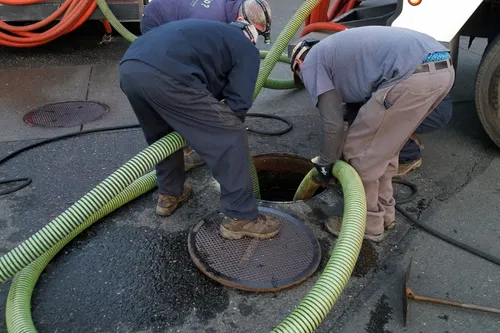
San Francisco Grease Trap Cleaning
864 Ellis St #2f, San Francisco, CA 94109
San Francisco Grease Trap Cleaning provides grease trap pumping, cleaning, and used cooking oil collection services in San Francisco, CA. They serve commercial, industrial, and manufacturing clients including restaurants, schools, and cafeterias. The company offers hydro-jetting and maintains detailed service records to ensure compliance with local health and safety codes. They recycle waste for biofuel production and dispose of non-recyclable materials responsibly. With a fleet of pump trucks and trained professionals, they accommodate various schedules to minimize business disruption. San Francisco Grease Trap Cleaning has been part of the community for years and serves surrounding areas such as Berkeley, Alameda, and Oakland.
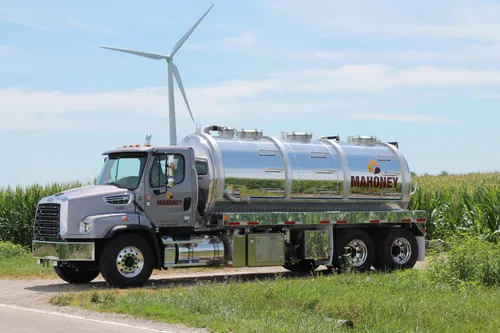
Mahoney Environmental Restaurant Oil Recycling
3501 Collins Ave, Richmond, CA 94806
Mahoney Environmental Restaurant Oil Recycling is a used cooking oil collection company based in Oakland, CA. They specialize in collecting used cooking oil from restaurants to support environmental sustainability. The company focuses on improving both financial outcomes for clients and environmental impact through responsible oil recycling.
Understanding Local Regulations for Grease Recycling
In South San Francisco, commercial used cooking oil management is governed by a combination of state mandates and local service rules. The foundational laws are California's AB 341 and AB 827, which require businesses, including restaurants, to sort and divert organic waste-including used cooking oil-away from landfills. This makes grease recycling not just an eco-friendly choice but a legal requirement.
The local franchised hauler, SSF Scavenger, provides organics collection services for the city. For businesses within their service area, used cooking oil is considered part of the organic waste stream. While SSF Scavenger handles general organics, dedicated used oil collection often requires a specialized service provider. Crucially, any company collecting grease or used cooking oil for recycling must be approved by the California Department of Food and Agriculture (CDFA). This state-level approval ensures haulers meet specific standards for transportation and processing.
The Step-by-Step Process of Oil Collection and Recycling
Implementing a successful used oil management program involves a clear, consistent process from your fryer to the biodiesel refinery.
1. Secure Storage On-Site The first step begins in your kitchen. Used cooking oil should be stored in dedicated, leak-proof containers provided by your collection service. These are typically sturdy, lockable bins designed to prevent spills, contamination, and theft. Proper segregation from other waste streams is vital for maintaining oil quality for recycling.
2. Scheduled Pickup by Certified Haulers A CDFA-approved hauler will establish a regular pickup schedule based on your oil volume. Companies like Grand Natural, The Grease Company, or other local renderers provide this specialized service, often in coordination with your broader waste management plan from SSF Scavenger 1. The frequency can range from weekly to monthly, ensuring your storage containers never overflow.
3. Transportation and Processing After collection, the used oil is transported to a processing facility, or renderer. Here, it undergoes filtration to remove food particles and water. The purified oil is then sold as a feedstock for the production of biodiesel, a renewable fuel, or other industrial products, completing the recycling loop 2.
4. Maintaining Required Documentation Compliance involves keeping records. California regulations require documentation of each collection, including the date and volume of oil removed. Reputable collection services will provide you with documentation or manifests for your records, which is essential for demonstrating compliance during inspections.
Benefits and Cost Considerations for Your Business
Engaging in professional used cooking oil collection offers tangible benefits that extend beyond simple regulatory compliance.
Environmental and Community Impact Recycling your used oil into biodiesel significantly reduces greenhouse gas emissions compared to fossil fuels and prevents grease from contaminating landfills and local waterways. It's a core component of a comprehensive sustainability program for any food service establishment.
Potential Financial Incentives While there is typically a cost associated with professional grease collection services, several factors can offset these expenses. Many providers offer free containers and equipment as part of their service agreement. Furthermore, by diverting oil from your trash, you may avoid higher landfill disposal fees. Some recyclers may even offer rebates or credits based on the volume or market value of the recycled oil, turning a cost center into a potential minor revenue stream or cost-neutral service 3 4.
Operational Efficiency and Safety A reliable collection program eliminates the hassle and hazard of storing and disposing of oil yourself. It reduces pests, minimizes slip-and-fall risks in the kitchen and storage areas, and ensures your staff follows safe, standardized procedures for handling hot oil.
Find the perfect used cooking oil collection companies for your needs
Get personalized recommendations and expert advice
Choosing a Service Provider in South San Francisco
Selecting the right partner for your used cooking oil needs is crucial. Start by confirming that any hauler you consider is actively registered and approved by the CDFA. You can often verify this through the hauler or the state's online resources.
Next, evaluate the service terms. Look for providers that offer secure, lockable containers to prevent unauthorized siphoning, which is a common issue. Understand the pickup schedule and reliability-consistent service prevents backups and odors. Finally, review the documentation they provide; clear, detailed manifests are necessary for your compliance records 5.
For many restaurants, the most streamlined approach is to coordinate two services: SSF Scavenger for mandatory organics and recycling (which includes food scraps and other compostables) and a specialized CDFA-approved renderer for high-volume used cooking oil collection. This ensures all regulatory bases are covered efficiently.
Integrating UCO Collection with Overall Waste Management
Used cooking oil collection doesn't exist in a vacuum; it's one part of your business's mandatory organic waste diversion plan. South San Francisco requires commercial operations to sort recyclables, compostables, and landfill trash. SSF Scavenger provides containers for food scraps and other organics at a rate comparable to garbage service, and they offer free recycling for cardboard and paper 6.
Your grease trap waste is a separate but related stream. Grease trap pumping, required to prevent sewer line blockages, should be handled by a licensed service. While some used oil collectors may also offer grease trap services, they are distinct processes regulated under different codes 7. A holistic waste management strategy addresses used cooking oil, grease trap maintenance, and food scrap composting together to ensure full compliance and operational efficiency.
Frequently asked questions
Sources
Footnotes
-
Cooking Oil Collection & Grease Recycling Service - https://thegreasecompany.com/oilcollection.html ↩
-
Recycling Used Cooking Oil With Green Grease Environmental - https://www.youtube.com/watch?v=KP05Yx-GkHk ↩
-
Used Cooking Oil Pickup vs Drop-Off-What's Best for Restaurants? - https://www.greaseprosrecycling.com/used-cooking-oil-pickup-vs-drop-off/ ↩
-
Used Cooking Oil Collection San Francisco | Grand Natural Inc - https://www.grandnaturalinc.com/locations/used-cooking-oil-recycling-in-san-francisco.html ↩
-
Cal. Code Regs. Tit. 3, § 1180.24 - Requirements to Document and ... - https://www.law.cornell.edu/regulations/california/3-CCR-1180.24 ↩
-
California Laws Require Waste Sorting - https://ssfscavenger.com/com-recycling-organics/ ↩
-
Grease Trap Pumping San Francisco - https://northbayrestaurantservices.com/grease-trap-pumping-san-francisco/ ↩