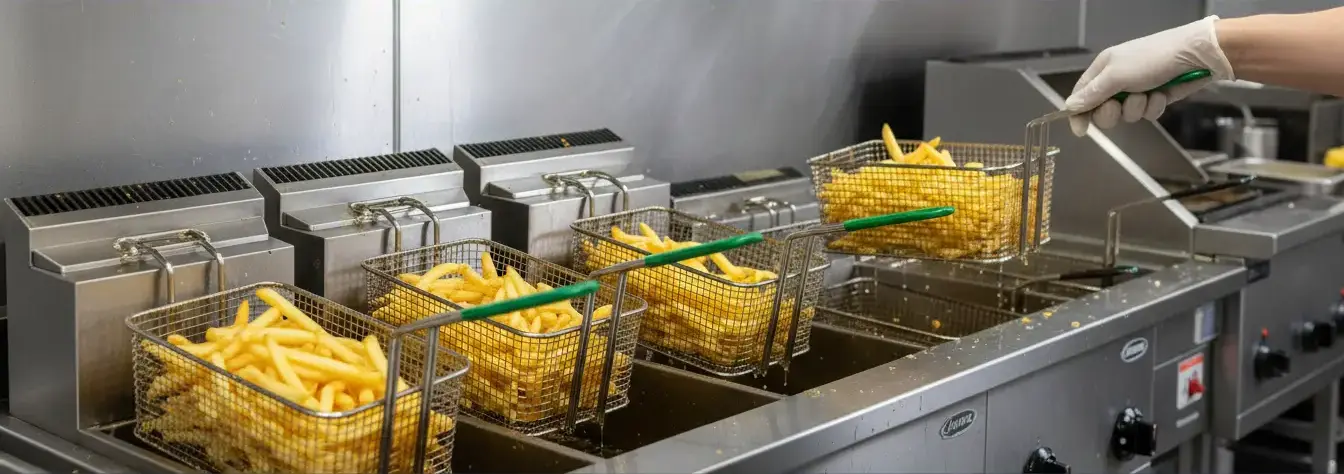
Find the Best Used Cooking Oil Collection Companies for Your Business
No obligation • Fast responses • Nationwide coverage

Why you can trust Restaurant Waste Disposal
Restaurant Waste Disposal is a leading U.S. resource for comparing restaurant composting, food-waste recycling, grease trap cleaning, and used cooking oil collection services. Our editorial team researches providers, checks credentials, and organizes unbiased information so operators can make informed decisions. Companies cannot pay to change ratings or placement.
Search providers near you
Top Used Cooking Oil Collection Companies in Simi Valley, California Ranked
For restaurants and food service businesses in Simi Valley, managing used cooking oil (UCO) is not just a kitchen chore-it's a regulated operational necessity with significant environmental implications. Proper collection and recycling of this liquid waste are mandated by state and local laws, designed to protect the city's sewer infrastructure and contribute to California's ambitious organics diversion goals. By partnering with a licensed hauler, establishments can transform a waste product into a valuable resource for clean-burning biofuels, ensuring compliance while supporting a circular economy. This process involves specific protocols for safe storage, scheduled pickups, and proper documentation to meet all regulatory requirements.
JW Oil & Grease Disposal
Los Angeles, CA
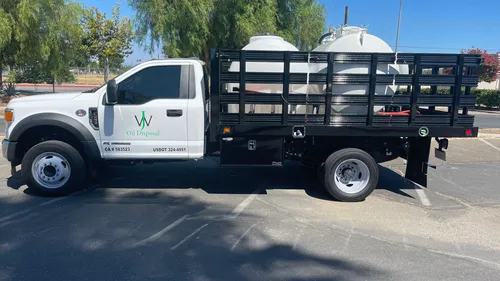
JW Oil & Grease Disposal offers used cooking oil collection services in Los Angeles, CA. The company provides restaurants with grease collection containers in various sizes to support their disposal needs. JW Oil & Grease Disposal focuses on timely and clean service to local food establishments.
Coastal By Products
1891 Sunkist Cir, Oxnard, CA 93033
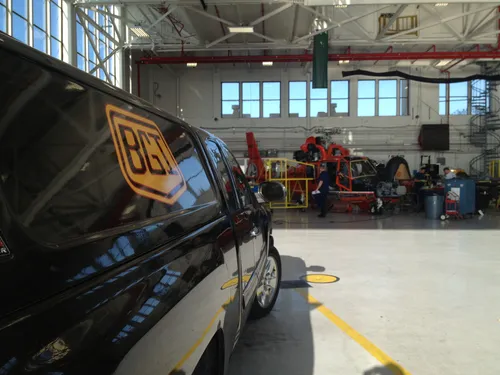
Coastal By Products is a family-owned business based in Oxnard, CA, specializing in the collection and recycling of used cooking oil and grease from restaurants and other commercial sources. They serve multiple counties including Santa Barbara, Ventura, Los Angeles, Orange, and San Luis Obispo. As a state-certified company, Coastal By Products focuses on environmentally friendly solutions by converting collected liquid waste into biodiesel, helping to reduce landfill waste and sewer blockages.
Used Oil Collection Center
Marina Del Rey, CA 90292
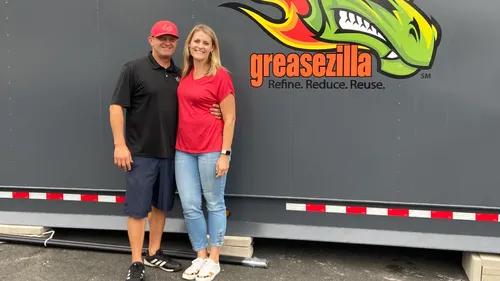
Used Oil Collection Center is located in Los Angeles, CA, providing used cooking oil collection services. The center offers various container sizes for disposing of used oil and includes a trash can for empty containers. It operates 24 hours a day for convenient access.
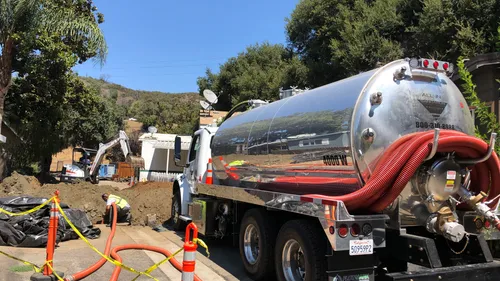
All In Sanitation | Septic Tank Pumping | Grease Trap Pumping
13151 San Fernando Rd, Sylmar, CA 91342
All In Sanitation | Septic Tank Pumping | Grease Trap Pumping provides a range of sanitation services in Los Angeles, CA, including septic tank pumping, grease trap cleaning, RV waste pumping, and used cooking oil disposal. The company serves both residential and commercial clients, helping maintain clean and efficient septic systems, grease traps, and RV waste tanks. They also offer advanced grease trap cleaning techniques such as hydro jetting to reduce odors and fire hazards. A sub-division, LEND Environmental, focuses on sustainable used cooking oil collection and biofuel production. All In Sanitation emphasizes honesty, affordability, and experience in its service approach.
LEND ENVIRONMENTAL | Used Cooking Oil Collection & Recycling Facility
13141 San Fernando Rd, Sylmar, CA 91342
LEND Environmental is a used cooking oil collection and recycling facility based in Los Angeles, CA. The company partners with local restaurants, hotels, schools, hospitals, casinos, and other industrial kitchens to collect and refine used cooking oil into biodiesel and other valuable products. Their services include grease trap pumping, preventative maintenance, hydro jetting, video inspection, pressure washing, and animal by-product recycling. LEND Environmental operates a refining facility that uses advanced technology to process and recycle cooking oil, reducing landfill waste and supporting sustainable fuel production. The company offers 24/7 availability and emergency services as needed.
Understanding Local and State Regulations
Navigating the legal landscape is the first step for any Simi Valley food service operator. California's landmark legislation, including AB 1826 and SB 1383, requires businesses to recycle organic waste, which explicitly includes used cooking oil and grease 1. These state laws are enacted locally, meaning Simi Valley restaurants are legally prohibited from disposing of UCO down sinks, drains, or in the trash. Instead, they must arrange for collection through a licensed grease hauler 2.
Compliance often involves more than just scheduling a pickup. Businesses may need to submit documentation, such as a "Declaration of Compliance," to the city to demonstrate they have a valid service contract in place 3. These regulations are enforced to prevent sewer blockages and environmental contamination, making proper UCO management a critical component of responsible commercial operation in the city.
Essential Steps for Safe Storage and Handling
Before collection can occur, oil must be handled safely on-site. Proper protocols minimize risks and ensure the material remains suitable for recycling.
- Cooling is Critical: Always allow oil to cool below 120°F before transferring it from fryers. This prevents severe burns and avoids damaging plastic storage containers.
- Use Dedicated Containers: Oil should be stored in leak-proof, dedicated containers, typically provided for free by your collection service. These containers feature secure, lockable lids to prevent spills, theft, and pest access 4.
- Strategic Placement: Containers should be stored in a well-ventilated area that is easily accessible for service technicians. Ideal locations are near back doors or loading docks, clear of obstructions, to facilitate efficient pickup.
It's important to distinguish between used cooking oil and grease interceptor (or grease trap) waste. While both are regulated, they are handled separately. Grease traps capture fats, oils, and grease (FOG) from wastewater and require different, more intensive cleaning procedures, which often incur separate fees.
The Collection and Recycling Process
Once your storage container is full, the collection process begins. Licensed haulers servicing Simi Valley, such as The Grease Company, Mahoney Environmental, or Baker Commodities, will arrive on a pre-arranged schedule-weekly, bi-weekly, or monthly-to pump out the contents.
The true value of this service lies in what happens next. The collected oil is transported to processing facilities where it is filtered and purified. This recycled oil is then converted into sustainable products, most commonly biodiesel or renewable diesel5. These clean-burning fuels power vehicles and machinery, reducing reliance on fossil fuels. Your hauler should provide you with documentation, such as weight tickets or recycling reports, which serve as proof of compliance with state diversion mandates 6.
Find the perfect used cooking oil collection companies for your needs
Get personalized recommendations and expert advice
Service Providers and Cost Considerations
Several established providers offer used cooking oil collection and recycling services in the Southern California region, including Simi Valley. It's advisable to confirm local service availability with companies like The Grease Company/Grand Natural, Mahoney Environmental, Baker Commodities, Darling Ingredients, and GPS Environmental 7 8 9.
Cost structures can vary significantly based on your establishment's volume, frequency of service, and the specific provider. A common model for UCO collection itself is free pickup, with some companies even offering a rebate or payment for the oil, as it is a feedstock for valuable biofuels. However, this often applies only to pure, well-managed cooking oil.
Costs arise primarily from related services. Grease trap cleaning is typically a charged service, with prices ranging from $150 to over $500 per pump-out, depending on the size and condition of the trap 10 11. Many providers bundle services, so a small cafe might see monthly costs between $80 and $200 for combined UCO pickup and periodic grease trap service, while a large, high-volume restaurant with weekly pickups could pay $200 to $600 or more per month 12 11. Obtaining detailed quotes based on your specific needs is essential.
Benefits Beyond Compliance
Implementing a professional used cooking oil collection program offers advantages that extend far beyond meeting legal requirements.
- Environmental Stewardship: Directly contributing to the production of renewable energy is a powerful demonstration of your business's commitment to sustainability.
- Operational Safety and Cleanliness: Professional containers and regular pickups reduce slip hazards, unpleasant odors, and pest attractions in your kitchen and storage areas.
- Infrastructure Protection: By ensuring FOG does not enter the sewer system, you help prevent costly blockages and sewer overflows that can affect the entire community.
- Potential Revenue Stream: While not guaranteed, the rebate model turns a waste product into a minor asset, slightly offsetting operational costs.
Frequently asked questions
Sources
Footnotes
-
City of Simi Valley - https://simivalley.granicus.com/MetaViewer.php?view_id=5&clip_id=2675&meta_id=187192 ↩
-
Southern California Commercial Kitchen Cooking Oil recycling ... - https://thegreasecompany.com/blog/how-the-grease-is-protecting-you-by-recycling-cooking-oil/2/ ↩
-
HHW Frequently Asked Questions | City of Simi Valley, CA - https://www.simivalley.org/departments/public-works/environmental-compliance/hazardous-materials/household-hazardous-waste-drop-off-program/hhw-frequently-asked-questions ↩
-
Used Cooking Oil Disposal: Complete Guide to Grease Pickups - https://greaseconnections.com/used-cooking-oil-disposal-guide-grease-pickups/ ↩
-
Used Cooking Oil (UCO) Collection Service For Restaurants - https://thegreasecompany.com/blog/restaurant-used-cooking-oil-collection/ ↩
-
Commercial Recycling and Waste Services - City of Simi Valley - https://www.simivalley.org/departments/public-works/environmental-compliance/solid-waste-services/commercial-recycling-and-waste-services ↩
-
Used Cooking Oil Pickup and Recycling Services in Simi Valley - https://www.grandnatural.com/locations/used-cooking-oil-recycling-in-simi-valley.html ↩
-
Restaurant Grease Pick Up and Disposal Services in Los Angeles, CA - https://www.mahoneyes.com/fryer-oil-disposal-recycling-los-angeles-ca/ ↩
-
Recycling Used Cooking Oil With Green Grease Environmental - https://www.youtube.com/watch?v=KP05Yx-GkHk ↩
-
Restaurant Waste Services in Simi Valley, CA - https://restaurantdisposal.com/food-waste-recycling/ca/simi-valley-ca ↩
-
Used Cooking Oil Collection / Pick Up & Recycling. - https://greasemanagement.org/usedoilcollection.html ↩ ↩2
-
Restaurant Used Cooking Oil: Disposal, Recycling & Revenue Guide - https://greaseconnections.com/restaurant-used-cooking-oil-disposal-recycling-revenue-guide/ ↩