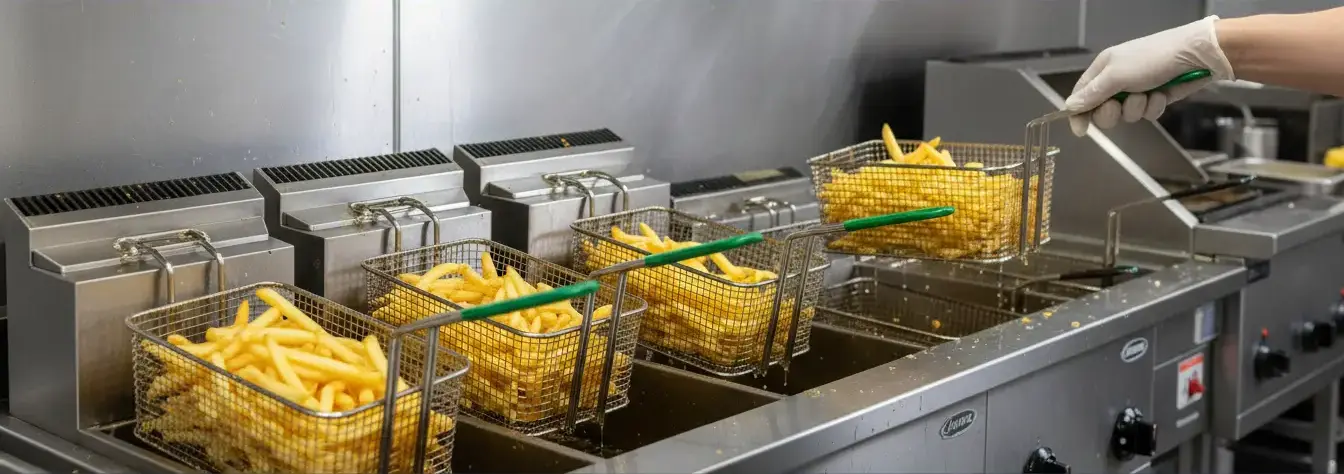
Find the Best Used Cooking Oil Collection Companies for Your Business
No obligation • Fast responses • Nationwide coverage

Why you can trust Restaurant Waste Disposal
Restaurant Waste Disposal is a leading U.S. resource for comparing restaurant composting, food-waste recycling, grease trap cleaning, and used cooking oil collection services. Our editorial team researches providers, checks credentials, and organizes unbiased information so operators can make informed decisions. Companies cannot pay to change ratings or placement.
Search providers near you
Top Used Cooking Oil Collection Companies in San Ramon, California Ranked
For restaurants and food service businesses in San Ramon, managing used cooking oil (UCO) is a critical operational and environmental responsibility. Proper grease trap and UCO management is not only a legal requirement to prevent sewer clogs and environmental harm but also a potential source of revenue through recycling programs. By partnering with licensed haulers, San Ramon establishments can ensure compliance with local regulations while contributing to a circular economy where waste oil is transformed into valuable products like biodiesel. This guide outlines the essential steps for compliant disposal, the recycling journey, and how to maximize the value of your used oil.
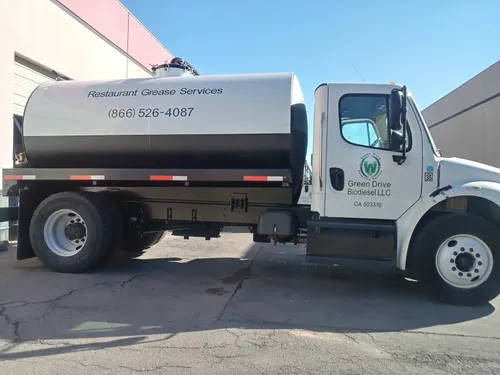
Green Drive Biodiesel LLC
252 W Larch Rd Suit G, Tracy, CA 95304
Green Drive Biodiesel LLC is a company based in Stockton, CA, specializing in used cooking oil collection and grease trap cleaning. They serve food vendors by providing containers for waste cooking oil and managing grease trap maintenance. Their services focus on environmentally responsible disposal and recycling of cooking waste.
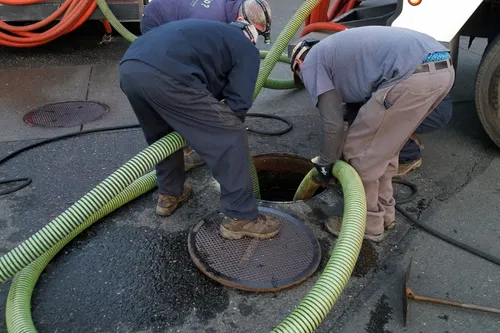
San Francisco Grease Trap Cleaning
864 Ellis St #2f, San Francisco, CA 94109
San Francisco Grease Trap Cleaning provides grease trap pumping, cleaning, and used cooking oil collection services in San Francisco, CA. They serve commercial, industrial, and manufacturing clients including restaurants, schools, and cafeterias. The company offers hydro-jetting and maintains detailed service records to ensure compliance with local health and safety codes. They recycle waste for biofuel production and dispose of non-recyclable materials responsibly. With a fleet of pump trucks and trained professionals, they accommodate various schedules to minimize business disruption. San Francisco Grease Trap Cleaning has been part of the community for years and serves surrounding areas such as Berkeley, Alameda, and Oakland.
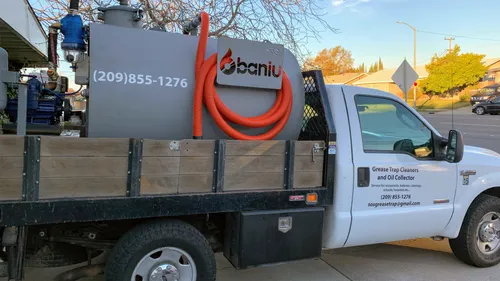
Grease Trap Cleaners and Oil Collector
722 Katlin Ct, Tracy, CA 95376
Grease Trap Cleaners and Oil Collector provides grease trap cleaning and used cooking oil collection services in San Jose, CA. The company specializes in maintaining grease traps and safely collecting used cooking oil to support proper waste management and recycling efforts.
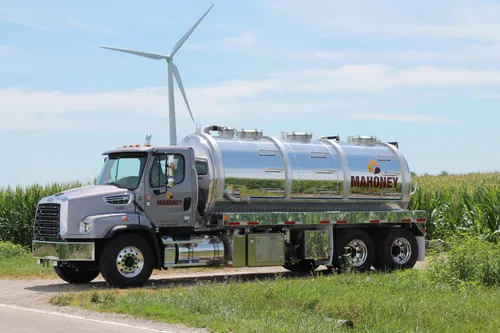
Mahoney Environmental Restaurant Oil Recycling
3501 Collins Ave, Richmond, CA 94806
Mahoney Environmental Restaurant Oil Recycling is a used cooking oil collection company based in Oakland, CA. They specialize in collecting used cooking oil from restaurants to support environmental sustainability. The company focuses on improving both financial outcomes for clients and environmental impact through responsible oil recycling.
Understanding Local Regulations and Compliance
In San Ramon and the broader Bay Area, restaurants are legally required to use licensed waste haulers or approved recycling facilities for used cooking oil and grease trap waste disposal1 2. These regulations are enforced to protect the municipal sewer system from costly blockages and overflows, which can lead to significant fines for non-compliant businesses. The Union Sanitary District, which serves the region, mandates specific pollution prevention practices for food service establishments to minimize the impact of fats, oils, and grease (FOG) on wastewater infrastructure3.
Key compliance steps include proper containment and separation. Used oil must be stored in clean, dedicated, and leak-proof containers such as barrels or drums to prevent spills and environmental contamination 4. Crucially, oil should never be mixed with water, food solids, or other contaminants, as this severely degrades its quality and recycling value. For many businesses in San Ramon, coordinating these services starts with contacting Alameda County Industries (ACI), the local resource for residential and commercial recycling information, which can provide guidance on approved service providers 4.
The Step-by-Step Collection and Recycling Process
A well-managed used fryer oil collection system follows a clear, efficient process that turns a waste product into a resource.
- Secure Storage: After use, oil is cooled and transferred from fryers into secure, designated collection containers provided by or approved by your hauler. These are typically lockable to prevent theft and contamination.
- Scheduled Pickup: A licensed collection company, such as ACI of San Ramon or a specialized provider, schedules regular pickups based on your volume. The frequency can range from weekly to monthly.
- Transportation & Processing: The collected oil is transported to a processing facility. Here, it undergoes filtration to remove any remaining food particles and impurities.
- Transformation into New Products: The clean oil is then recycled. The primary end product is biodiesel, a renewable fuel 5. It can also be used in the production of animal feed, lubricants, industrial chemicals, or biogas through anaerobic digestion.
This process ensures that the oil is kept out of landfills and sewers, reducing environmental impact and creating sustainable alternatives to fossil fuels.
Cost Structure and Revenue Potential
The financial model for used cooking oil collection is unique, as it can transition from a disposal cost to a potential revenue stream. Costs for collection services can vary, but they are often influenced by your oil's volume and quality.
The significant opportunity lies in rebates. High-quality, uncontaminated used cooking oil is a valuable commodity. Collection companies may offer rebates that can range from $0.10 to $0.65 per gallon, depending on market conditions and oil purity6. For a restaurant with high fryer usage, this rebate can potentially offset the entire cost of collection or even generate a modest income. Furthermore, some collectors offer free pickup for establishments generating lower volumes (often under 100 gallons) to secure the feedstock6. The key to maximizing revenue is maintaining oil quality by preventing contamination with water or solids.
Find the perfect used cooking oil collection companies for your needs
Get personalized recommendations and expert advice
Choosing a Service Provider in San Ramon
Selecting the right partner for your grease collection and recycling needs is crucial. Start by verifying that any provider is fully licensed to operate as a waste hauler in Alameda County. Look for companies with a strong reputation for reliability and customer service, as missed pickups can lead to operational headaches and compliance issues.
When evaluating providers, ask specific questions: Do they supply locked, leak-proof containers? What is their typical pickup schedule and response time for service calls? Most importantly, be clear about their rebate structure-how is oil quality assessed, how are rebates calculated, and how often are payments made? Getting detailed quotes from multiple specialized oil collection companies will help you find the best service and financial terms for your business7 8.
Best Practices for On-Site Management
Successful, valuable recycling begins in your kitchen. Implement a staff training program to ensure everyone understands the importance of keeping used oil clean. Designate specific, labeled funnels and containers for oil transfer to avoid mix-ups. Store collection barrels in a secure, accessible area for haulers, protected from the elements and potential tampering. Regularly inspect containers and storage areas for leaks or damage. By treating used cooking oil as a commodity rather than just waste, you can improve your operational efficiency, ensure regulatory compliance, and enhance your restaurant's sustainability profile.
Frequently asked questions
Sources
Footnotes
-
Used Motor Oil/Filters and Cooking Oil - ACI of San Ramon - https://sanramonrecycles.com/usedoil/ ↩
-
Used Oil Recycling Program - CalRecycle Home Page - CA.gov - https://calrecycle.ca.gov/usedoil/ ↩
-
Restaurant Pollution Prevention - Union Sanitary District - CA.gov - https://unionsanitary.ca.gov/businesses/restaurant-program/restaurant-pollution-prevention/ ↩
-
Recycling - City of San Ramon - https://www.sanramon.ca.gov/askcityhall/recycling ↩ ↩2
-
Used Cooking Oil (UCO) Collection Service For Restaurants - https://thegreasecompany.com/blog/restaurant-used-cooking-oil-collection/ ↩
-
Restaurant Used Cooking Oil Recycling & Disposal Guide - https://greaseconnections.com/restaurant-used-cooking-oil-disposal-recycling-revenue-guide/ ↩ ↩2
-
How Recycling Used Cooking Oil Can Save Restaurants Money and ... - https://www.wric.com/business/press-releases/ein-presswire/864508472/how-recycling-used-cooking-oil-can-save-restaurants-money-and-enhance-sustainability-efforts ↩
-
Recycling Used Cooking Oil With Green Grease Environmental - https://www.youtube.com/watch?v=KP05Yx-GkHk ↩