Find the Best Used Cooking Oil Collection Companies for Your Business
No obligation • Fast responses • Nationwide coverage

Why you can trust Restaurant Waste Disposal
Restaurant Waste Disposal is a leading U.S. resource for comparing restaurant composting, food-waste recycling, grease trap cleaning, and used cooking oil collection services. Our editorial team researches providers, checks credentials, and organizes unbiased information so operators can make informed decisions. Companies cannot pay to change ratings or placement.
Search providers near you
Top Used Cooking Oil Collection Companies in San Mateo, California Ranked
For restaurants and food service businesses in San Mateo, managing fats, oils, and grease (FOG) is a critical operational and environmental responsibility. Proper handling of used cooking oil is not just about cleanliness; it's a mandated practice under California's organic waste recycling laws, designed to protect local sewer infrastructure and transform a common waste product into valuable resources like biodiesel. This process involves dedicated collection bins, scheduled pickups by licensed haulers, and specific best practices for kitchen staff to ensure compliance and efficiency. Navigating these requirements effectively can streamline operations and contribute to the city's sustainability goals.
Understanding FOG and Local Regulations
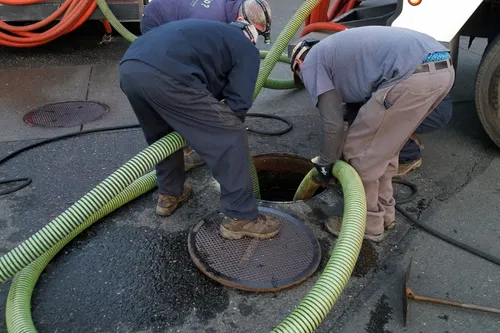
In San Mateo, used cooking oil is categorized alongside other fats, oils, and grease under the umbrella term "FOG." The city's Sewer System Management Plan highlights FOG control as essential for preventing sewer blockages and overflows, which can lead to costly repairs and environmental damage1. The cornerstone of local regulation is California State Law AB 1826, which requires businesses, including restaurants, to arrange for recycling services for their organic waste, which explicitly includes used cooking oil2. This means that simply discarding oil with regular trash or, worse, pouring it down a drain is non-compliant and can result in penalties.
Compliance involves partnering with a licensed grease-waste hauling company for regular collection or, in some cases, self-hauling the oil to an approved facility. The law emphasizes recycling, pushing this material away from landfills and into productive reuse streams. The City of San Mateo provides resources and guidelines to help businesses understand these obligations, which are enforced to maintain community health and infrastructure integrity.
Key Legal and Operational Requirements
- AB 1826 Compliance: All businesses that generate organic waste, including used cooking oil, must have a recycling service in place.
- Use a Licensed Hauler: Collection must be performed by a hauler permitted to handle grease waste.
- Proper On-Site Storage: Oil must be collected and stored in sealed, leak-proof containers, often called tallow bins, provided by or approved by your hauler.
- Drain Disposal is Prohibited: Never pour used oil or greasy water down sinks, drains, or toilets.
Best Practices for Kitchen FOG Management
Effective used cooking oil collection starts with proper handling inside your kitchen. Implementing a few key procedures can prevent accidents, simplify collection, and keep your plumbing clear.
First and foremost, never pour FOG down sinks or drains. Even with a grease trap, liquid oils can solidify in cooler pipes further down the line, creating stubborn blockages 3. Instead, after cooking, allow the oil to cool completely. For fryers, transfer the cooled oil into your dedicated, sealed collection container. Practice "dry cleanup" by using rubber scrapers or paper towels to wipe greasy residues from pots, pans, and cooking surfaces before rinsing them with water4. This minimizes the amount of FOG entering your grease trap and simplifies the overall waste stream.
Storage is crucial. Always use a sturdy, dedicated container with a tight-sealing lid. Containers provided by haulers are designed to be leak-proof and easily handled during pickup. Keep the container in a designated, accessible area for your staff and the collection driver, away from high-traffic zones to avoid spills. Consistent training for all kitchen staff on these practices is the best defense against plumbing issues and non-compliance.
Find the perfect used cooking oil collection companies for your needs
Get personalized recommendations and expert advice
The Collection and Recycling Process
The journey of used cooking oil from your kitchen to its second life as a product is a straightforward yet fascinating cycle. It begins with your scheduled service.
- Collection: Your staff stores cooled used oil in the provided sealed containers. On the arranged pickup day-whether weekly, bi-weekly, or monthly-a truck from your licensed hauler arrives to service your account.
- Pickup & Transportation: The driver collects the full containers, often leaving clean, empty ones in their place. The collected oil is transported to a processing facility.
- Processing: At the facility, the used cooking oil undergoes filtering to remove food particles and other solids. It is then dewatered to purify the oil.
- Repurposing: The cleaned oil is a valuable commodity. It is most commonly converted into biodiesel, a renewable fuel that can power diesel engines 5. It can also be processed into industrial lubricants, animal feed supplements, or ingredients for soap and cosmetics, ensuring nothing goes to waste.
This closed-loop system exemplifies a circular economy, where a former waste product becomes a raw material for new industries, reducing reliance on fossil fuels and minimizing environmental impact.
Service Providers and Cost Considerations
San Mateo restaurants typically have two main avenues for arranging used cooking oil collection: through their municipal waste hauler or via specialized private services.
Recology, the primary waste and recycling hauler for the City of San Mateo, offers organics collection services that comply with AB 1826. For many businesses, used cooking oil collection can be bundled into their overall commercial waste and recycling contract, providing a one-stop solution for organic waste streams.
Specialized FOG Haulers are companies that focus exclusively on grease-related services. These providers, such as North Bay Restaurant Services in the broader Bay Area, often offer comprehensive programs that include used cooking oil collection, grease trap cleaning, and detailed service reporting. They may provide more frequent pickups or tailored schedules for high-volume kitchens.
Cost structures can vary. Many services operate on a monthly fee, which can range from approximately $50 to over $200, depending on your establishment's volume, pickup frequency, and the specific services included (like container rental or grease trap maintenance)6 7. In some market conditions, particularly when the price of feedstock for biofuels is high, service providers may offer a credit for your used oil instead of charging a fee, turning your waste into a minor revenue stream. It's important to get detailed quotes and understand the full scope of services and fees when selecting a provider.
Benefits Beyond Compliance
While adhering to AB 1826 and local FOG ordinances is the primary driver, establishing a robust used cooking oil collection program offers several additional advantages.
- Environmental Leadership: Recycling oil into biodiesel significantly reduces greenhouse gas emissions compared to fossil diesel. It's a tangible action that supports San Mateo's and California's broader climate goals.
- Infrastructure Protection: By keeping FOG out of the sewers, your business directly contributes to preventing sanitary sewer overflows (SSOs), which can contaminate local waterways like the San Francisco Bay.
- Operational Efficiency: A clean, well-managed kitchen with clear procedures for oil handling is a safer and more efficient workspace. It reduces the risk of slips, falls, and pest problems associated with grease.
- Positive Brand Image: Consumers increasingly support businesses with strong environmental practices. Promoting your commitment to recycling cooking oil can enhance your restaurant's reputation in the community.
Partnering with a reliable hauler for compliant, regular collection is the final step in transforming a routine kitchen byproduct into a valuable resource, closing the loop responsibly and efficiently 8.
Frequently asked questions
Sources
Footnotes
-
SSMP ELEMENT 7 - FOG Control Program APPENDIX ... - San Mateo - https://www.cityofsanmateo.org/DocumentCenter/View/75987/Appendix-71-FOG---FOG-Supporting-Materials-091219 ↩
-
AB 1826 - Commercial Organic Waste Recycling | San Mateo, CA - https://www.cityofsanmateo.org/2564/AB-1826---Commercial-Organic-Waste-Recyc ↩
-
Fats, Oils, & Grease - https://www.burlingame.org/910/Fats-Oils-Grease ↩
-
How to dispose of or recycle Cooking Oil - Default V2 - Oceanside, CA - https://www.ci.oceanside.ca.us/government/water-utilities/environmental-services-programs/zero-waste-program/for-residents#!rc-cpage=757820 ↩
-
Recycling Used Cooking Oil With Green Grease Environmental - https://www.youtube.com/watch?v=KP05Yx-GkHk ↩
-
Used Cooking Oil Pickup vs Drop-Off-What's Best for Restaurants? - https://www.greaseprosrecycling.com/used-cooking-oil-pickup-vs-drop-off/ ↩
-
Used Cooking Oil Collection & Recycling - North Bay Restaurant Services - https://northbayrestaurantservices.com/used-cooking-oil-collection-recycling-bay-area/ ↩
-
What happens with the used oil from restaurants and fast-food ... - https://www.quora.com/What-happens-with-the-used-oil-from-restaurants-and-fast-food-chains-Is-there-any-sort-of-recycling ↩