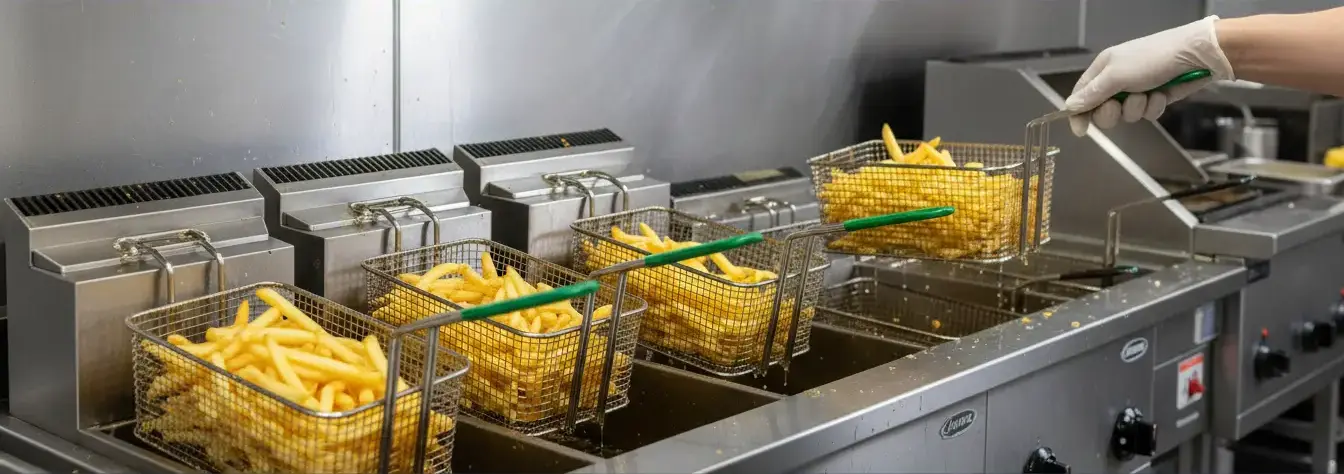
Find the Best Used Cooking Oil Collection Companies for Your Business
No obligation • Fast responses • Nationwide coverage

Why you can trust Restaurant Waste Disposal
Restaurant Waste Disposal is a leading U.S. resource for comparing restaurant composting, food-waste recycling, grease trap cleaning, and used cooking oil collection services. Our editorial team researches providers, checks credentials, and organizes unbiased information so operators can make informed decisions. Companies cannot pay to change ratings or placement.
Search providers near you
Top Used Cooking Oil Collection Companies in San Marcos, California Ranked
For restaurants and food service businesses in San Marcos, managing used cooking oil is a critical operational and environmental responsibility. Proper collection and recycling of fats, oils, and grease (FOG) prevent costly plumbing issues, avoid regulatory fines, and contribute to a circular economy by transforming waste into valuable resources like biodiesel. By partnering with a licensed hauler, establishments can ensure secure, compliant disposal and potentially turn a waste stream into a source of revenue or cost savings. This guide outlines the essential steps, benefits, and local considerations for effective used oil management in San Marcos.
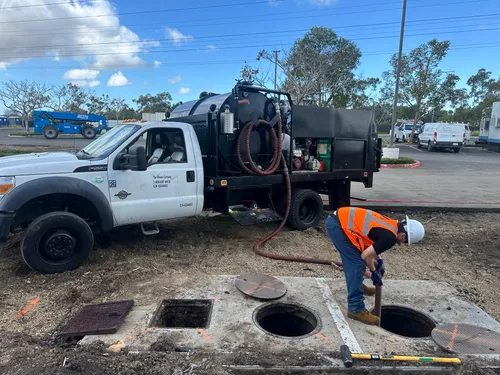
San Diego Grease Company
San Diego, CA
San Diego Grease Company provides grease trap cleaning and used cooking oil collection services throughout San Diego, CA. They serve a wide range of commercial kitchens including restaurants, hotels, and food processing facilities, ensuring compliance with local regulations and environmental standards. Their services include grease trap and interceptor cleaning, as well as eco-friendly used cooking oil collection and recycling. The company is certified by the California Department of Food and Agriculture and offers 24/7 support to clients. With nearly a decade of experience, they focus on maintaining grease recovery devices to prevent plumbing issues and promote sustainability.
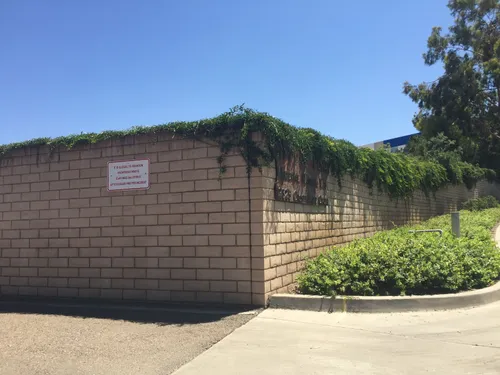
City of Poway materials handling yard
12325 Crosthwaite Cir, Poway, CA 92064
The City of Poway materials handling yard in Poway, CA, offers a Household Hazardous Waste (HHW) Collection Facility for safe disposal of various hazardous materials. Residents can drop off items such as used cooking oil, automotive fluids, batteries, electronic devices, and other household toxins without an appointment. The facility requires proof of residency and accepts waste in original containers, following transportation and weight limits to ensure safety. This service helps prevent illegal disposal of hazardous waste and promotes environmentally responsible handling of toxic substances.
Why Proper FOG Management is Essential
Improper disposal of used fryer oil and kitchen grease is a leading cause of sewer blockages and sanitary sewer overflows. When poured down drains, fats, oils, and grease solidify, creating massive blockages that can damage public infrastructure and lead to severe environmental contamination. The Vallecitos Water District and other local agencies enforce strict regulations against such practices, with violations resulting in significant fines for businesses. Beyond compliance, responsible grease management protects your own plumbing from backups, reduces unpleasant odors, and supports San Marcos's sustainability goals by ensuring this material is recycled rather than landfilled.
The Step-by-Step Collection and Recycling Process
A systematic approach to grease trap waste and used cooking oil collection ensures efficiency, safety, and maximum value recovery.
1. On-Site Storage and Preparation The process begins in your kitchen. After use, oil should be cooled and filtered to remove food particles and water before being transferred to a designated storage container. Proper containerization is crucial: use only leak-proof, dedicated containers that are clearly labeled. For security and to meet health code standards, these containers should be kept in a locked, designated area to prevent theft, tampering, or contamination. Many providers offer locked, secure collection bins as part of their service.
2. Scheduled Pickup by Licensed Haulers Businesses contract with a licensed used cooking oil collector for regular pickup services. These haulers operate on a set schedule-weekly, bi-weekly, or monthly-depending on your volume. They will service your locked container, pumping the contents into their truck for transport. It is vital to work with a reputable, registered transporter who provides documentation for your records, proving proper disposal and recycling.
3. Transformation into New Products The collected material, often called "yellow grease," is not waste. It is a feedstock for recycling facilities. Here, the used oil undergoes processing to remove impurities and is then converted into valuable products. The primary output is renewable biofuels like biodiesel and renewable diesel, which power vehicles and equipment 1. It can also be refined into industrial lubricants, animal feed components, or ingredients for soap and cosmetics, completing a true recycling loop.
Understanding Costs and Potential Revenue
The financial model for used cooking oil collection is not one-size-fits-all; it depends heavily on your establishment's output volume and the quality of the oil you produce.
- Low Volume Producers (Typically under 100 gallons/month): Many haulers offer free pickup and recycling services for smaller quantities. This removes a disposal cost and hassle, providing a net benefit even without a cash payment.
- Medium Volume Producers (Approximately 100-300 gallons/month): At this scale, businesses may begin to qualify for small per-gallon payments, often in the range of $0.10 to $0.25, or receive service credits that offset other waste management costs 2.
- High Volume Producers (Over 300 gallons/month): Restaurants and large kitchens with consistent, high-quality oil output can generate a meaningful revenue stream. Payments can range from $0.25 to over $0.65 per gallon, turning a former waste product into an asset 3 4.
A key factor across all tiers is oil quality. Clean, well-filtered oil free of water and food debris commands a higher price. Maintaining good kitchen practices directly impacts the rebate or revenue you can earn.
Find the perfect used cooking oil collection companies for your needs
Get personalized recommendations and expert advice
Choosing a Collection Service Provider in San Marcos
Selecting the right partner for your grease recycling needs involves a few key considerations. Look for a provider that is fully licensed and insured to operate in San Diego County, and one that offers clear documentation for each pickup 5. Services should include secure, locked collection containers to prevent theft and comply with local codes 6. Evaluate their scheduling flexibility to match your kitchen's production cycle and inquire about their downstream recycling partners to ensure the oil is truly being repurposed responsibly. Providers like Mahoney Environmental and Grease Connections offer services in the San Diego area, including San Marcos 5. For a comprehensive view of available options, comparing services and terms from multiple licensed haulers is recommended to find the best fit for your business's specific volume and needs.
Local Resources and Regulations
San Marcos businesses must adhere to regulations set by local water districts and the County of San Diego. The Vallecitos Water District mandates that FOG never be poured down drains and requires commercial establishments to have proper grease control measures in place 7. The County's Department of Environmental Health provides guidelines for used oil and oil filter management, emphasizing the use of registered haulers 8. For residents with small quantities of used cooking oil from home cooking, EDCO Disposal offers a free drop-off location at 224 S. Las Posas Road in San Marcos 9. This keeps even minor amounts out of the home plumbing system.
Best Practices for Maximum Efficiency and Value
To optimize your used oil management program, adopt these operational best practices:
- Filter and Cover: Always filter oil after use and keep collection containers covered to prevent contamination from water and debris.
- Consistent Scheduling: Work with your hauler to set a pickup schedule that prevents containers from overfilling, which can create spills and attract pests.
- Maintain Records: Keep detailed logs of pickup dates, volumes collected, and hauler documentation for both financial and regulatory purposes.
- Educate Staff: Train all kitchen staff on the proper procedures for cooling, filtering, and storing used oil to maintain quality and safety.
Implementing a professional used cooking oil collection system is a clear win for San Marcos restaurants. It ensures regulatory compliance, protects infrastructure, enhances operational cleanliness, and supports environmental sustainability-all while potentially creating a new, modest revenue line.
Frequently asked questions
Sources
Footnotes
-
What happens with the used oil from restaurants and fast-food ... - https://www.quora.com/What-happens-with-the-used-oil-from-restaurants-and-fast-food-chains-Is-there-any-sort-of-recycling ↩
-
Restaurant Used Cooking Oil Recycling & Disposal Guide - https://greaseconnections.com/restaurant-used-cooking-oil-disposal-recycling-revenue-guide/ ↩
-
Used Cooking Oil Disposal: Complete Guide to Grease Pickups - https://greaseconnections.com/used-cooking-oil-disposal-guide-grease-pickups/ ↩
-
Used Cooking Oil Pricing & Business Guide - Grease Connections - https://greaseconnections.com/used-cooking-oil-pricing-guide/ ↩
-
Used Cooking Oil Pickup & Recycling Services in San Diego ... - https://www.mahoneyes.com/waste-oil-pickup-recycling-san-diego-ca/ ↩ ↩2
-
Used Cooking Oil Collection / Pick Up & Recycling. - https://greasemanagement.org/usedoilcollection.html ↩
-
Fats, Oils and Grease | Vallecitos Water District - https://www.vwd.org/i-want-to-/know-about/household-hazardous-waste/fats-oils-and-grease ↩
-
Used Oil and Oil Filter Management - County of San Diego - https://www.sandiegocounty.gov/content/dam/sdc/deh/hmd/pdf/hm_dtsc_used_oil_filters.pdf ↩
-
Where Can I Take It? | San Marcos, CA - https://www.san-marcos.net/departments/trash-recycling/where-can-i-take-it ↩