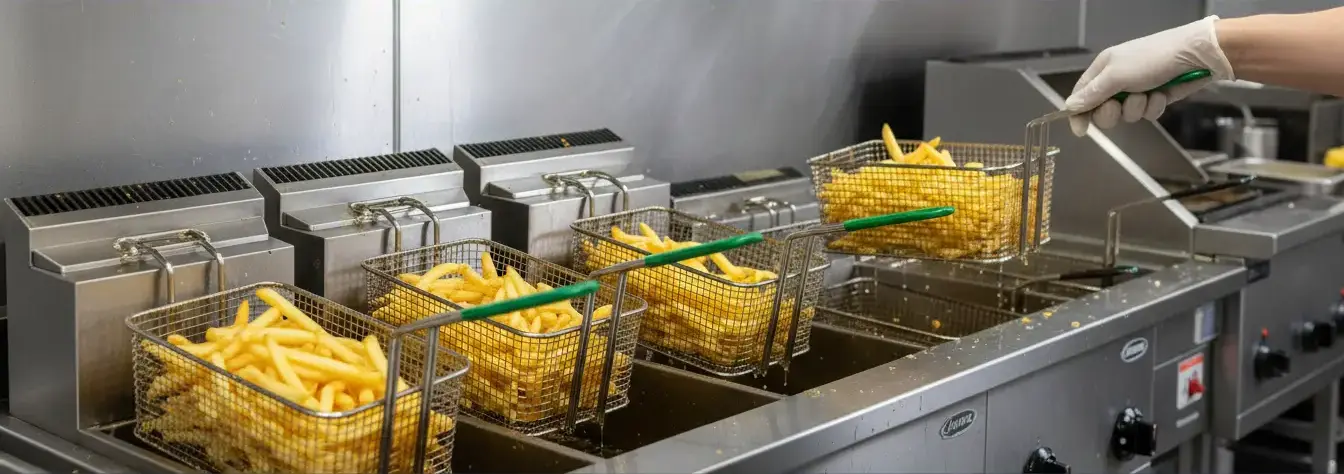
Find the Best Used Cooking Oil Collection Companies for Your Business
No obligation • Fast responses • Nationwide coverage

Why you can trust Restaurant Waste Disposal
Restaurant Waste Disposal is a leading U.S. resource for comparing restaurant composting, food-waste recycling, grease trap cleaning, and used cooking oil collection services. Our editorial team researches providers, checks credentials, and organizes unbiased information so operators can make informed decisions. Companies cannot pay to change ratings or placement.
Search providers near you
Top Used Cooking Oil Collection Companies in San Jacinto, California Ranked
For restaurant owners and food service operators in San Jacinto, managing used cooking oil (UCO) is a critical operational and environmental responsibility. Proper grease collection and disposal are not just about cleanliness; they are mandated by strict California state and local regulations designed to protect public infrastructure and the environment. By partnering with a licensed used oil hauler, businesses can transform a potential waste liability into a recyclable commodity, often used for biodiesel production or animal feed, while ensuring full compliance. This guide outlines the essential steps for compliant UCO management, from proper on-site storage to selecting a certified collection service.
J N Grease Services
25685 Sherman Rd, Romoland, CA 92585
J N Grease Services is based in Menifee, CA, and has been providing waste handling solutions and maintenance services for over 20 years. They serve a wide range of clients including small restaurants, large restaurant chains, food manufacturers, and supermarkets throughout Southern California. Their services include used cooking oil collection and grease trap cleaning, supporting businesses in maintaining operational efficiency. J N Grease Services emphasizes competitive pricing and attentive customer care to build long-term relationships.
Used Oil Recycling
2824 W St, San Bernardino, CA 92415
Used Oil Recycling is a company based in Los Angeles, CA that specializes in the collection of used cooking oil. They focus on environmentally responsible oil recycling services to support sustainable waste management in the area.
Understanding Local and State Regulations
In California, used cooking oil is classified as a hazardous waste, bringing it under the oversight of the Department of Toxic Substances Control (DTSC) 1. This classification means its handling, storage, and disposal are subject to specific legal requirements. The City of San Jacinto emphasizes organics recycling as part of its waste management strategy, and this includes the proper management of fats, oils, and grease (FOG)2. Pouring any oil or grease down sinks, floor drains, or into storm sewers is strictly prohibited, as it leads to severe sewer blockages, costly plumbing repairs, and environmental contamination3 4. Compliance is non-negotiable and requires working with state-authorized and licensed haulers for pickup and recycling5 6.
Key Regulatory Requirements:
- Licensed Haulers Only: All used cooking oil must be collected by a certified used oil hauler registered with the state.
- Proper Storage Containers: Oil must be stored in approved, sealed containers that are clearly labeled (e.g., "USED COOKING OIL") and kept in a designated area to prevent leaks and spills.
- No Drain Disposal: Absolutely no pouring of grease or oil into any drain is permitted.
- Record Keeping: Maintain records of oil collection transactions with your hauler as proof of proper disposal.
The Step-by-Step Collection and Recycling Process
Establishing a smooth workflow for your kitchen grease recycling is straightforward and integrates easily into daily operations. The process is designed to be safe and efficient, minimizing mess and maximizing the quality of the oil collected, which can impact its recyclable value.
- Cool and Filter: After cooking, allow the oil to cool completely. Before transferring it, strain out food particles and solids. This improves the oil's quality for recycling and reduces issues in your storage container.
- Safe Transfer: Carefully pour the cooled, filtered oil into your designated, sealed storage container. Many collection companies provide durable, leak-proof containers or drums for this purpose.
- Secure Storage: Store the full container in a secure, secondary containment area (like a spill pallet) to catch any potential drips or leaks until pickup7.
- Scheduled Pickup: Your licensed grease collection service will schedule regular pickups based on your volume. They will swap out full containers for clean, empty ones.
- Recycling & Repurposing: The collected oil is transported to a processing facility where it is cleaned and converted into valuable products, primarily biodiesel-a renewable fuel-or as an ingredient in animal feed 8.
Financial Considerations: Cost vs. Potential Revenue
The economics of used cooking oil collection in San Jacinto can vary. Unlike grease trap cleaning, which is typically a paid service due to the labor and processing of solids, used oil collection can sometimes offset costs or even generate a small revenue stream.
- Volume-Based Models: Many collectors offer free pickup for restaurants that generate a consistent volume of oil, often starting at thresholds like 100 gallons per month. For larger producers, rebate programs may apply, where the restaurant receives a payment per gallon9 10.
- Quality Matters: Clean, well-filtered oil free of excessive water and food debris has higher value for recyclers. Maintaining good kitchen practices can lead to better financial terms with your collector.
- Separate Services: It's important to distinguish between used cooking oil collection and grease trap/interceptor cleaning. The latter is almost always a separate, charged service necessary for compliance and plumbing health.
Find the perfect used cooking oil collection companies for your needs
Get personalized recommendations and expert advice
How to Select a Certified Collection Service in San Jacinto
Choosing the right partner is crucial for compliance and operational efficiency. Look for providers that are fully licensed and insured to operate in Riverside County and the state of California. A reputable service will be transparent about their licensing, provide proper containers, offer reliable and scheduled pickups, and supply documentation for your records.
Start your search with terms like "licensed used cooking oil recycling San Jacinto" or "certified grease collection Riverside County." You can also contact the City of San Jacinto's Public Utilities department for guidance on approved vendors and local recycling programs. When evaluating providers, ask about their recycling endpoints, pickup schedules, container provisions, and any contractual terms.
Best Practices for On-Site Oil Management
Beyond selecting a vendor, your kitchen's daily practices determine success. Designate a specific, level area for oil storage containers, preferably on an impervious surface with spill containment. Train all staff on the correct procedures for cooling, filtering, and transferring oil to prevent accidents and contamination. Consistently use the provided containers and avoid mixing used oil with other liquids or wastes. Regular communication with your collection service about changing volume needs ensures you never have overfull containers sitting on-site, which is a safety and compliance risk.
Implementing a robust system for grease trap maintenance and used oil collection protects your business from regulatory fines, reduces the risk of sewer backups, and contributes to California's sustainability goals. By viewing used cooking oil not as waste but as a recyclable resource, San Jacinto restaurants can operate more responsibly and efficiently.
Frequently asked questions
Sources
Footnotes
-
Used Oil Generator Requirements - https://dtsc.ca.gov/used-oil-generator-requirements/ ↩
-
Organics and Recycling - City of San Jacinto, CA - https://www.sanjacintoca.gov/city_departments/public-utilities/organics_and_recycling ↩
-
What Restaurants Should Know About California Oil Disposal Laws - https://startgreencommodities.com/post/restaurant-grease-trap-requirements ↩
-
How to Dispose of Cooking Grease as a Restaurant - Webstaurant Store - https://www.webstaurantstore.com/blog/4746/grease-removal-for-restaurants.html ↩
-
Used Oil Generator Requirements - https://www.smchealth.org/sites/main/files/file-attachments/usedoilforgenerators.pdf?1498660561 ↩
-
FAQs for Used Oil Collection Centers - https://dtsc.ca.gov/faqs-for-used-oil-collection-centers/ ↩
-
Southern California Commercial Kitchen Cooking Oil recycling ... - https://thegreasecompany.com/blog/how-the-grease-is-protecting-you-by-recycling-cooking-oil/2/ ↩
-
Used Cooking Oil Recycling | Solid Waste Authority of Palm Beach ... - https://www.swa.org/173/Used-Cooking-Oil ↩
-
Restaurant Used Cooking Oil Recycling & Disposal Guide - https://greaseconnections.com/restaurant-used-cooking-oil-disposal-recycling-revenue-guide/ ↩
-
Used Cooking Oil Collection / Pick Up & Recycling. - https://greasemanagement.org/usedoilcollection.html ↩